By Samuli Haapasalo
Published: August 4, 2026 | Series: A Year in Nature
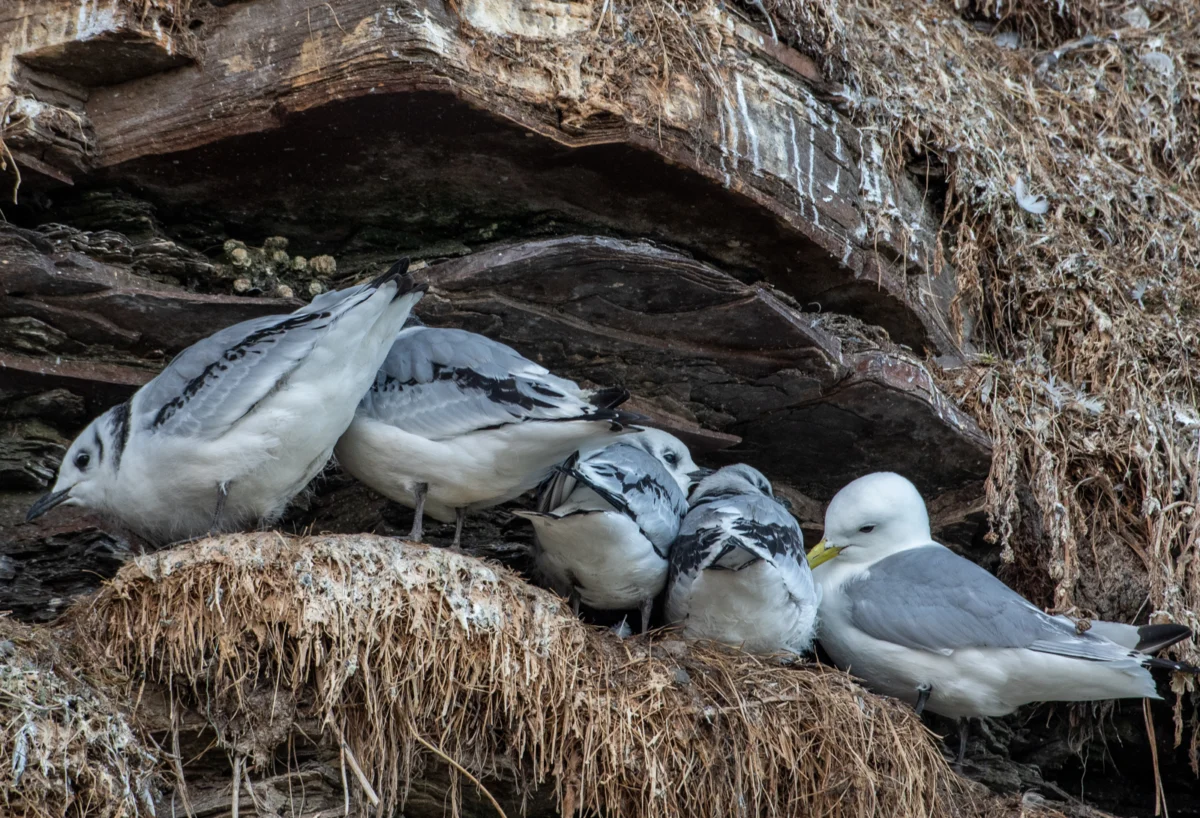
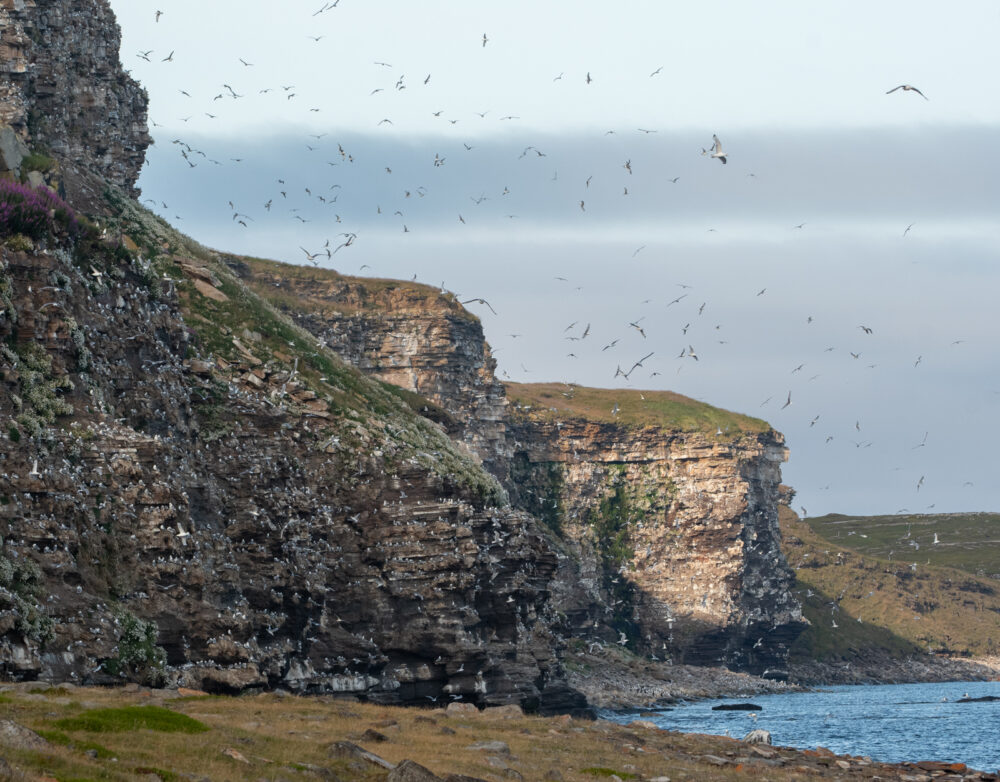
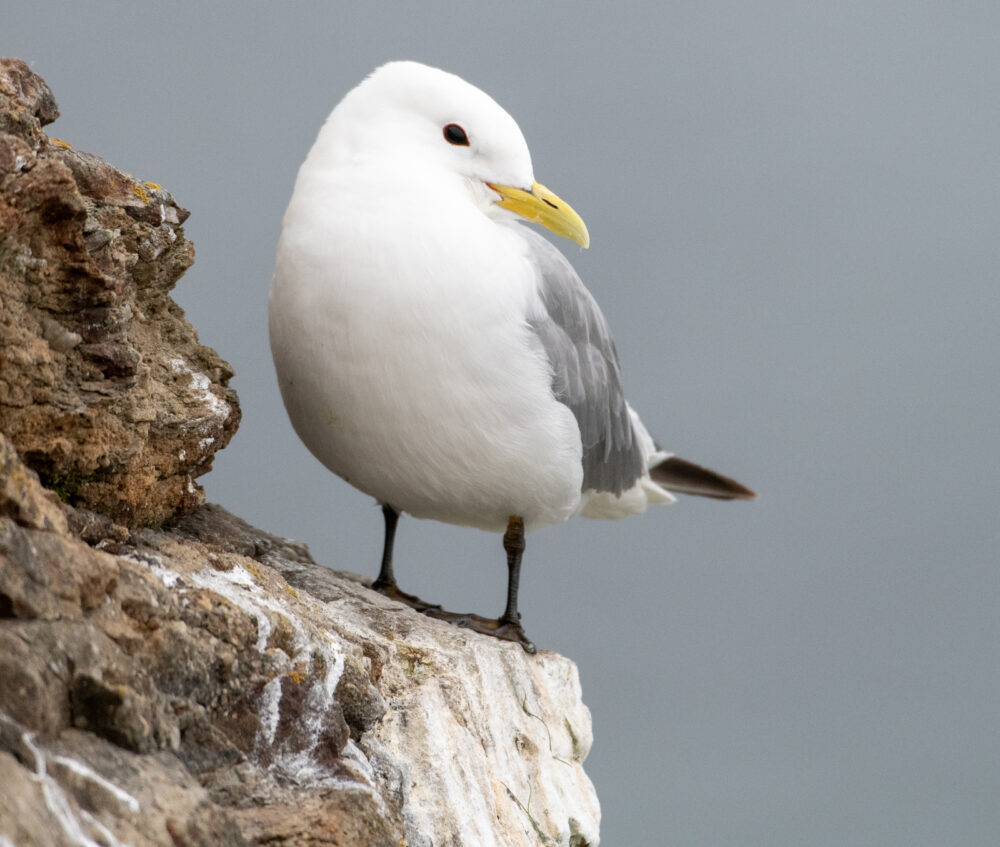
The majestic cliffs of the Varanger Peninsula, stretching toward the Arctic horizon, have long been a bastion of biodiversity. For decades, these towering rock faces served as the summer sanctuary for hundreds of thousands of black-legged kittiwakes (Rissa tridactyla). Yet, in recent years, the cacophony of life that once defined these avian citadels has been replaced by an unsettling, intermittent silence.
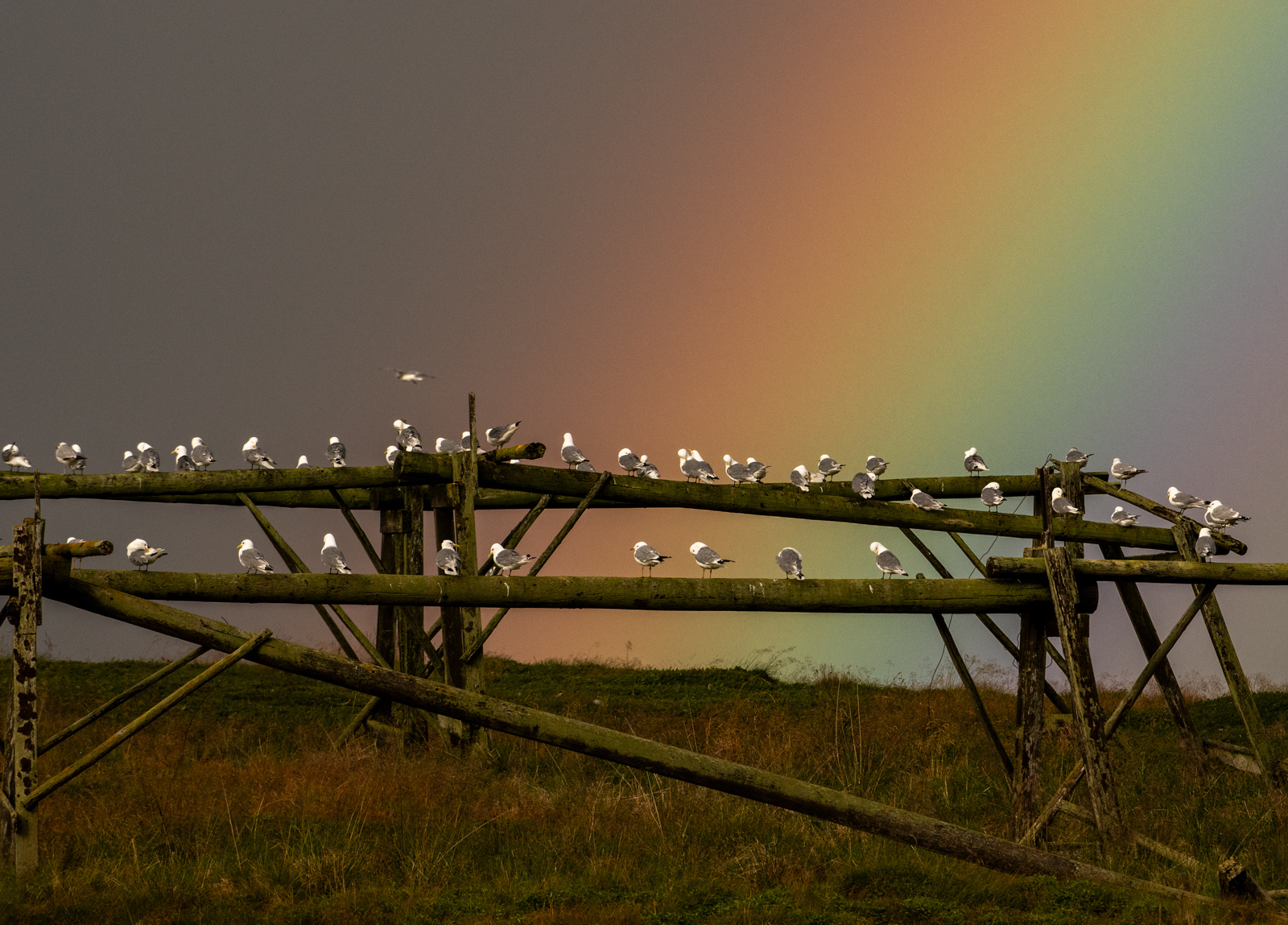
As of August 2026, the status of the kittiwake in Northern Europe remains a barometer for the health of our oceans. While the colony at Ekkerøy has offered a rare glimmer of hope this summer, the broader picture across Norway and Scotland is one of profound ecological strain.
Main Facts: A Species Under Pressure
The black-legged kittiwake is a sentinel species. As a surface-feeding seabird, its survival is inextricably linked to the availability of small schooling fish, such as capelin and sand eel, in the upper layers of the ocean. The current crisis facing these birds is not a result of a single event, but rather the cumulative effect of a changing marine ecosystem.
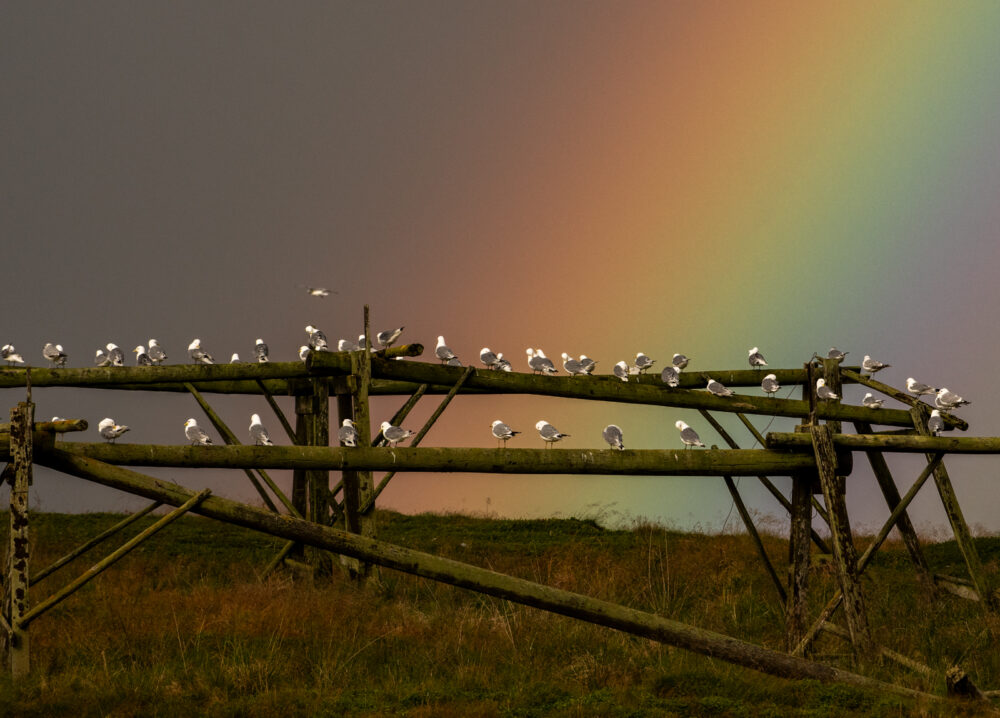
In many historical breeding grounds, such as the renowned Syltefjordstauran bird cliff, the population has fluctuated wildly, with some seasons characterized by near-total abandonment. The primary drivers are well-documented:
- Climate-Driven Displacement: Warming sea temperatures are forcing prey fish species to migrate further north and deeper into the water column, beyond the reach of the kittiwakes.
- Overfishing: Human industrial fishing practices target the very species—sand eels and capelin—that are essential for the survival of seabird chicks.
- Increased Foraging Stress: Because food sources are no longer abundant near the nesting cliffs, adult birds must spend significantly more energy and time foraging. This extended absence from the nest leaves chicks vulnerable to starvation and predation.
Chronology: A Half-Century of Observation
My personal journey with these birds began in 1971. I have spent the better part of 55 years documenting the ebb and flow of the Varanger Peninsula’s seabird colonies.
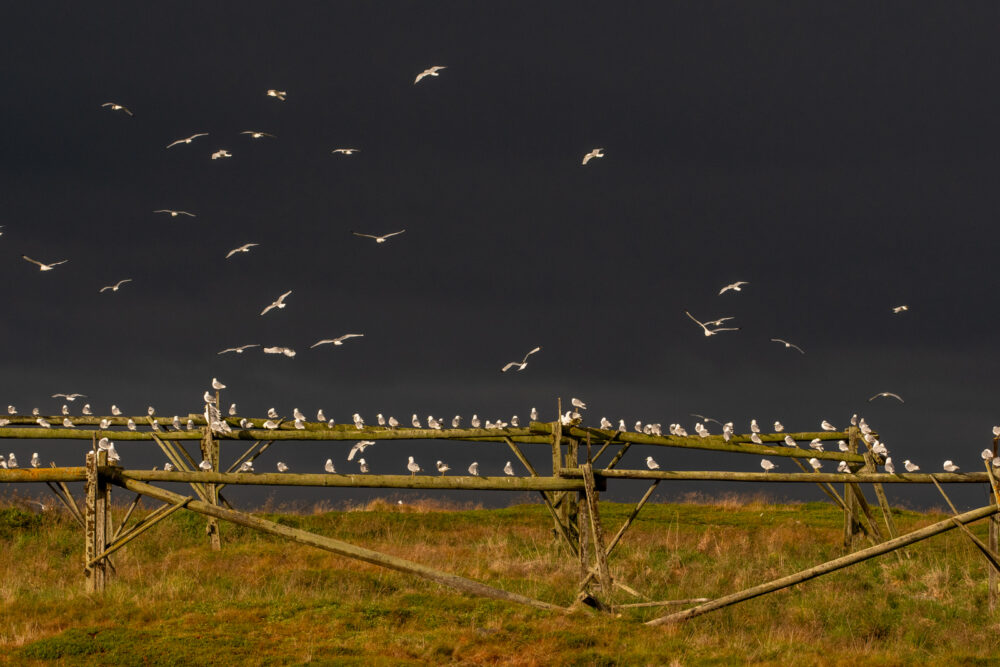
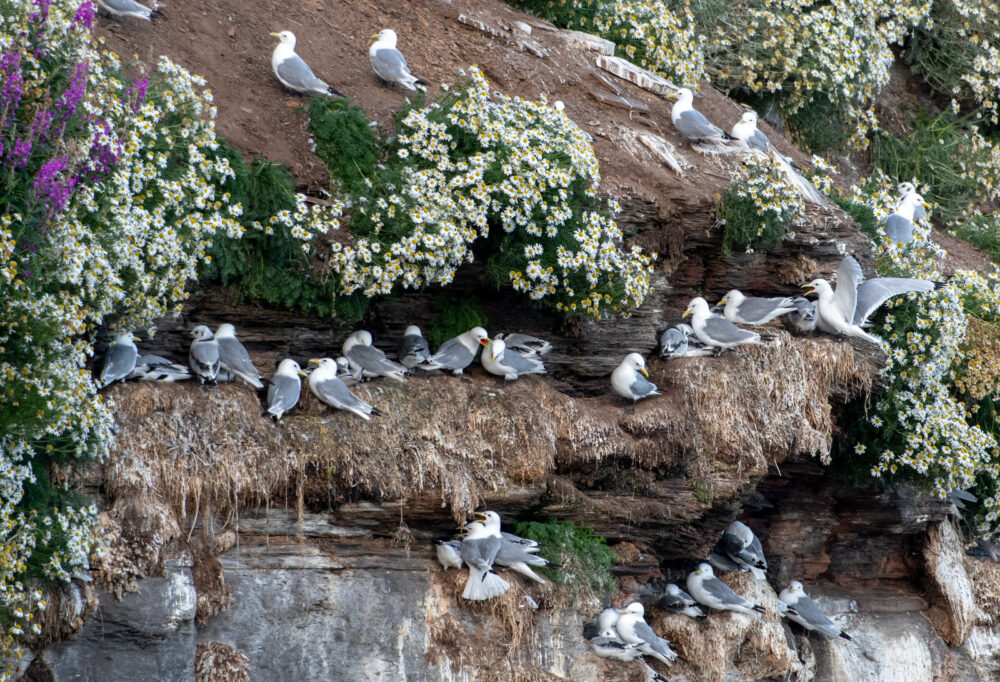
- 1970s–1990s: The "Golden Era." During this period, the colonies were vibrant and densely populated. The cliffs were a continuous theater of activity, with hundreds of thousands of breeding pairs successfully raising their young.
- 2000s–2010s: The onset of volatility. Reports began to surface from across the North Atlantic regarding failed breeding seasons. It became common for birds to arrive at their nesting sites in the spring but, sensing a lack of local food, refrain from laying eggs altogether.
- 2020–2025: The period of decline. Many cliffs that were once bustling became desolate. The energy expenditure required for parents to find food surpassed their ability to successfully fledge chicks.
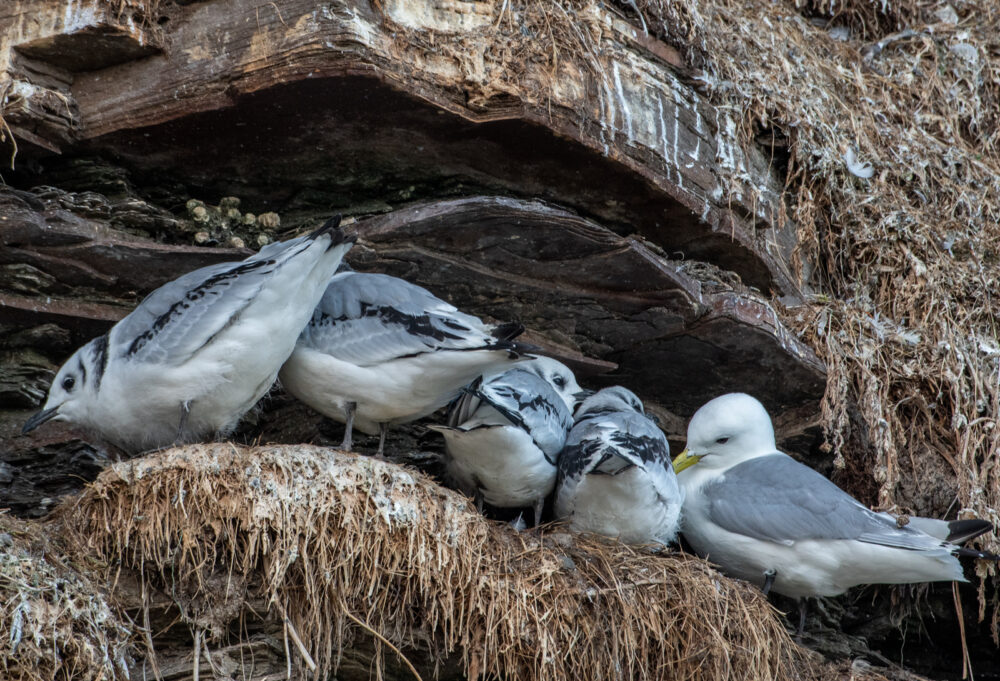
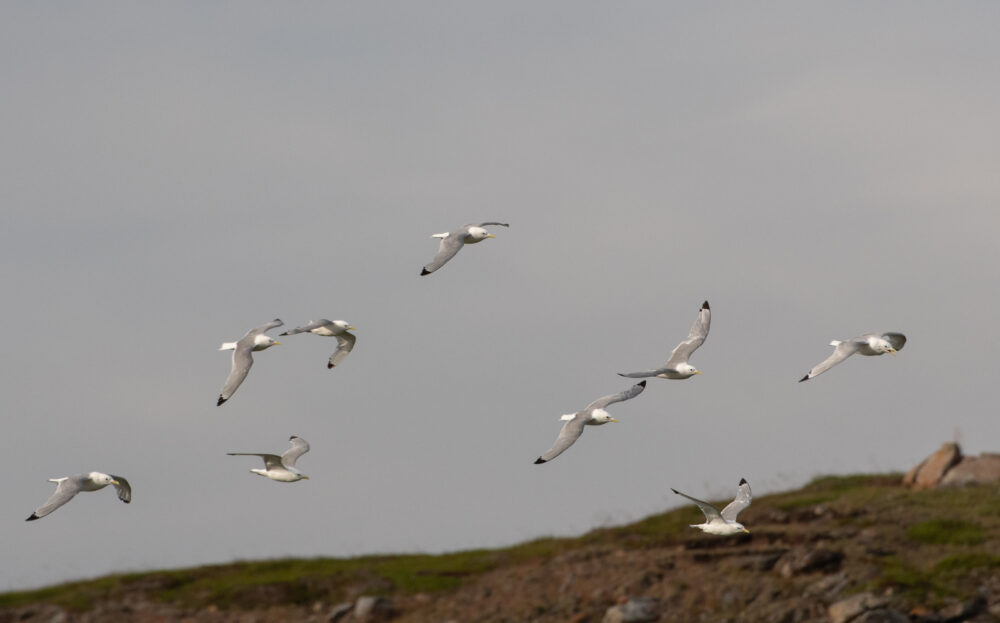
- August 2026: A nuanced snapshot. While surveying the Ekkerøy colony last week, I witnessed a surprising resurgence. Many of the old nesting ledges were occupied, and a significant number of chicks had reached flight status. While this is a welcome reprieve, it does not mask the underlying instability of the region.
Supporting Data: The Mechanics of Survival
The biology of the kittiwake is optimized for a stable marine environment. Their breeding cycle is tightly synced with the seasonal bloom of plankton and the subsequent arrival of fish larvae. When this synchronization breaks, the consequences are immediate.
The Foraging Gap
Modern ornithological studies suggest that if the distance between a nesting cliff and a viable feeding ground exceeds a specific threshold, the reproductive success of a colony drops exponentially. In the Barents Sea, rising temperatures have shifted the thermal range of essential prey fish by hundreds of kilometers. For a bird that needs to return to the nest multiple times a day to feed hungry chicks, this shift represents an insurmountable logistical hurdle.
The Impact of Industrial Extraction
The competition for marine biomass is fierce. Industrial fishing fleets often harvest sand eels for the production of fishmeal and oil. These activities directly compete with seabirds, marine mammals, and larger commercial fish stocks (like cod). By removing the bottom of the food web, we are effectively starving the predators at the top.
Official Responses and Conservation Efforts
The international scientific community has raised alarms repeatedly regarding the status of the North Atlantic seabird populations. In Norway and Scotland, environmental agencies have implemented various measures to mitigate the damage:
- Marine Protected Areas (MPAs): There is a growing push to establish "no-take" zones around critical bird cliffs. The goal is to provide a buffer where sand eel populations can recover without the pressure of industrial fishing.
- Adaptive Management: Policy discussions now focus on "ecosystem-based management," which considers the food needs of seabirds before setting commercial fishing quotas.
- Monitoring Networks: Programs like the one in Varanger continue to collect longitudinal data. This data is vital for convincing policymakers that the decline of the kittiwake is not a local anomaly but a systemic failure of oceanic management.
However, many conservationists argue that these efforts are reactive rather than proactive. The speed at which the climate is changing outpaces the speed of bureaucratic policy change.
Implications: A Call for Clarity
The plight of the kittiwake is a microcosm of the global climate crisis. It serves as a visual, visceral reminder that the consequences of our actions are not limited to the air we breathe or the land we inhabit; they extend deep into the sub-Arctic waters.
The Ethical Imperative
We must ask ourselves what kind of world we wish to pass on. Is it one where the cliffs of the north are silent? The loss of these birds would be more than just an ecological tragedy; it would be a loss of a fundamental component of our cultural and natural heritage.
The Need for Decisive Action
Knowledge, while essential, can feel burdensome. As we gather more data on the decline of these species, we must resist the urge to despair. Instead, this data must be the catalyst for "clear and correct conclusions." This means:
- Ending overfishing: Implementing stricter quotas on forage fish.
- Addressing the climate root: Reducing global reliance on fossil fuels to halt the warming of the oceans.
- Expanding science: Supporting long-term research projects that allow us to understand the shifting dynamics of the Arctic ecosystem.
A Beacon of Hope
Despite the gravity of the situation, the sight of a healthy, fledged chick at Ekkerøy this August reminds us that nature is resilient—if given a chance. The kittiwakes are not merely struggling; they are fighting to survive in a landscape we have fundamentally altered. Our responsibility is to ensure that the "light" I witnessed on the cliffs last week is not a final flicker, but a foundation for recovery.
As I look back at the photos taken on the 1st of August, 2026—the sight of a rainbow over the rugged, blooming cliffs of Ekkerøy—I am reminded that hope is an active pursuit. We must continue the conservation work, the scientific research, and the advocacy. The birds are waiting for us to make the right choices.
Samuli Haapasalo is a veteran nature observer and a regular contributor to the "Year in Nature" series. His work focuses on the intersection of climate change and Arctic wildlife conservation.