As the summer of 2026 reaches its zenith, amateur astronomers and professional stargazers alike are preparing for one of the most anticipated celestial spectacles of the decade. The Perseid meteor shower, long celebrated as the crown jewel of annual meteor displays, is set to return with a breathtaking intensity. This year, the event is elevated from a standard annual occurrence to a once-in-a-lifetime astronomical convergence, as the peak of the shower coincides with a rare total solar eclipse on August 12, 2026.
With a New Moon providing a pristine, ink-black canvas, conditions for observation are arguably the best they have been in recent years. From the rural dark-sky preserves of North America to the sprawling coastlines of Europe, the night sky is poised to host a performance of cosmic proportions.

The Main Facts: A Cosmic Symphony
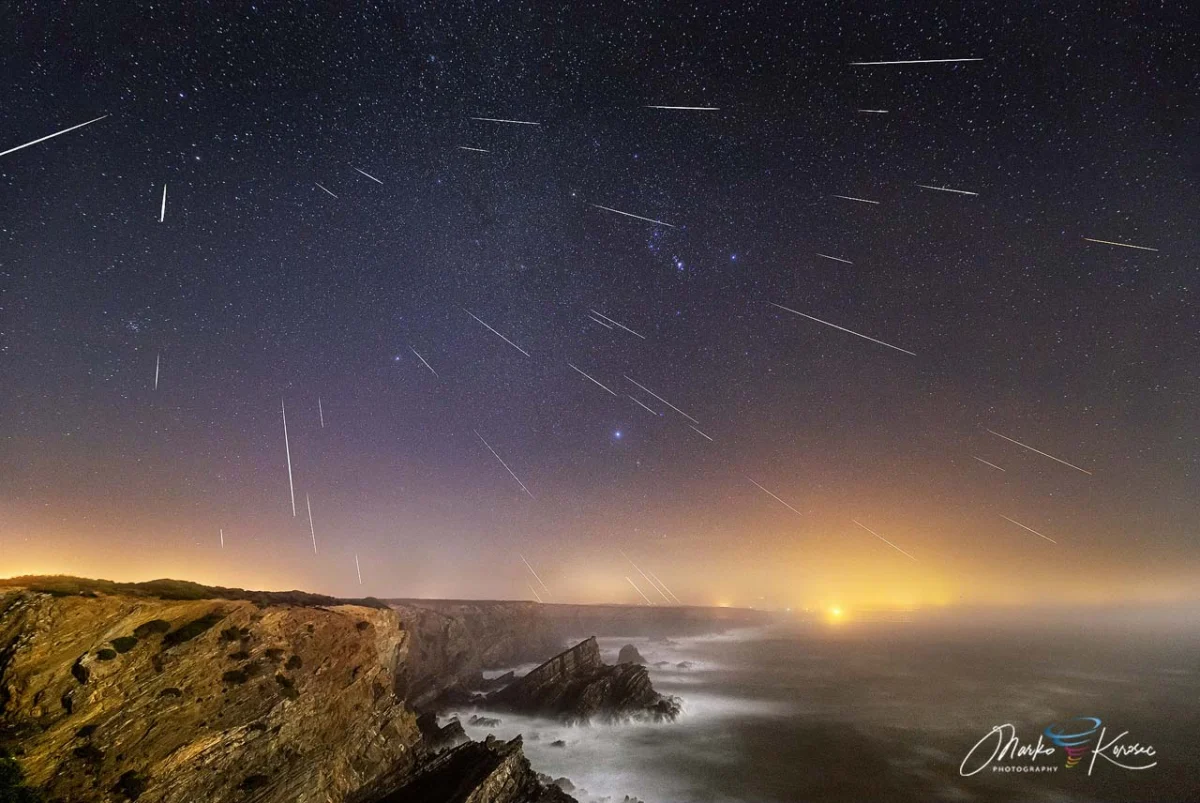
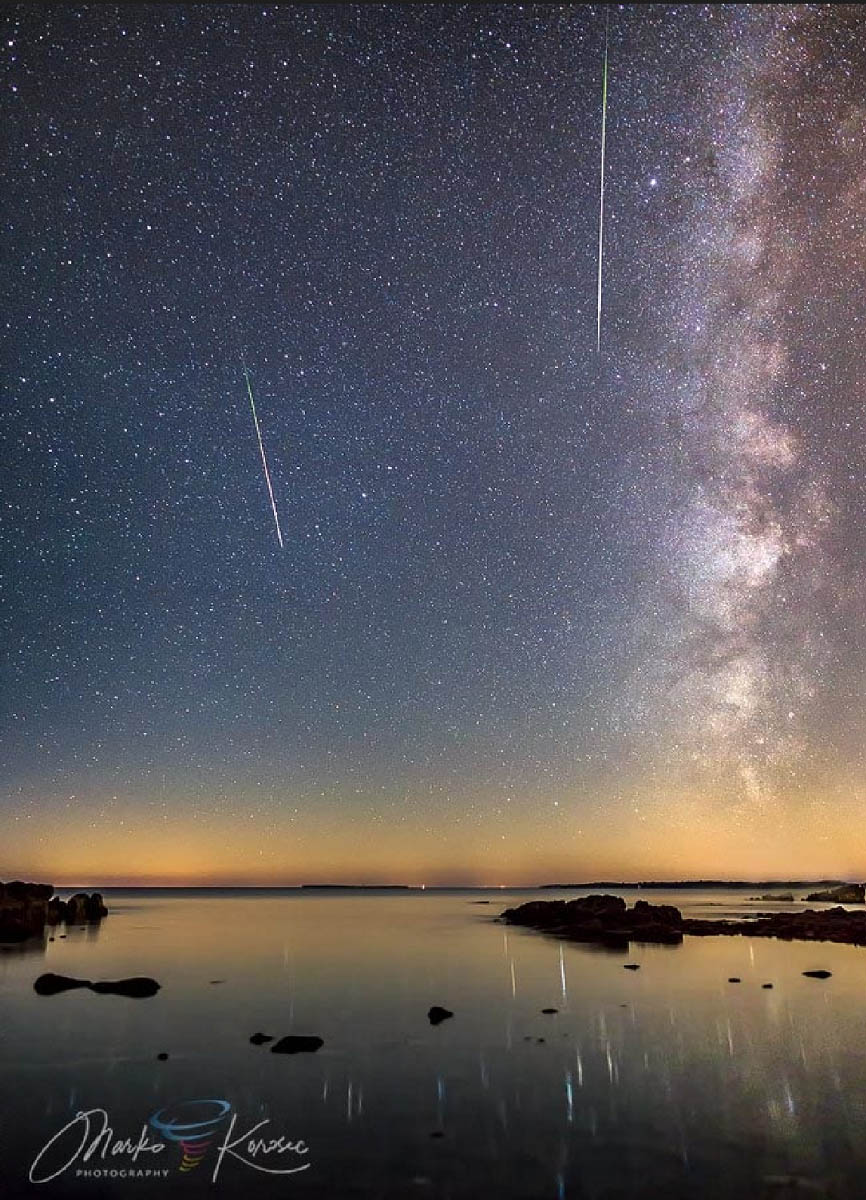
The Perseids are not merely "shooting stars"; they are the incandescent remnants of the comet 109P/Swift-Tuttle. As Earth moves through the debris trail left by this massive comet—which possesses a nucleus roughly 26 kilometers in diameter—these tiny dust particles, or meteoroids, strike our atmosphere at staggering velocities of approximately 59 kilometers per second (about 132,000 miles per hour).
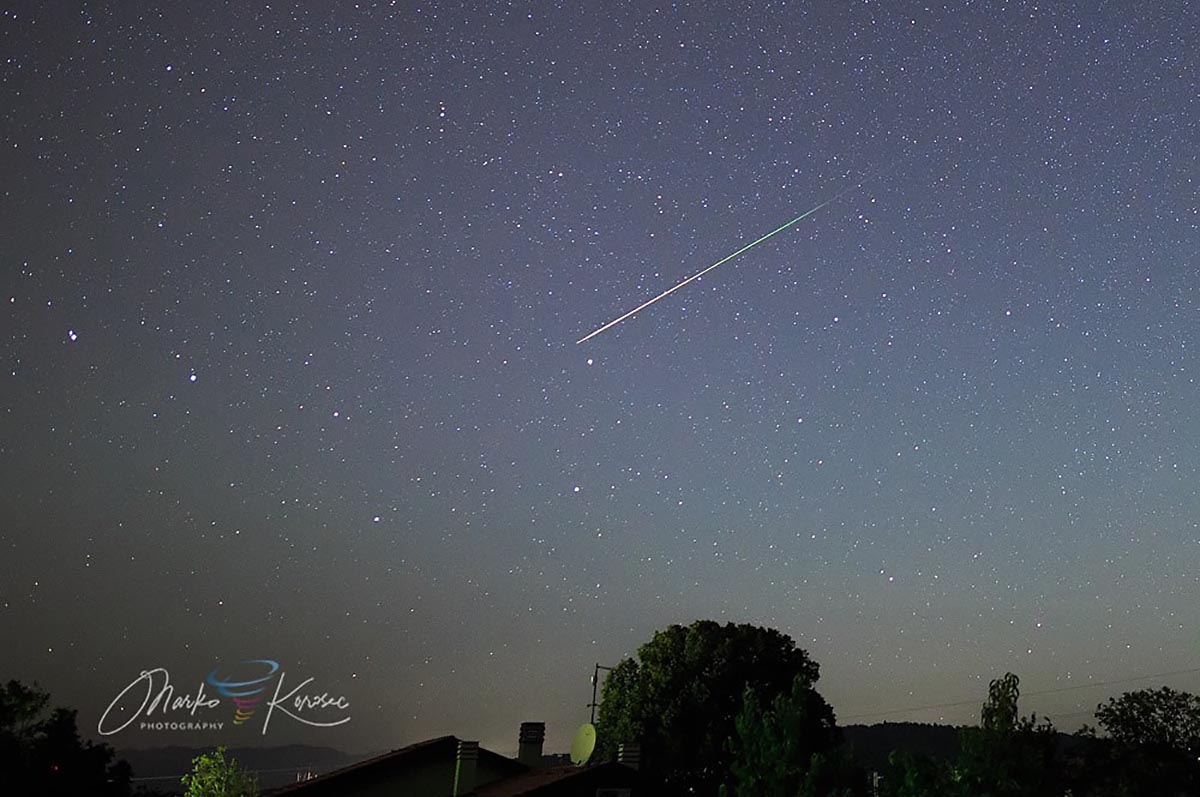
At such high speeds, the kinetic energy is converted into intense heat and light, creating the brilliant streaks of ionized gas we observe from the ground. While the average meteoroid is no larger than a grain of sand or a small pebble, their sheer velocity allows them to produce light bright enough to be seen from hundreds of kilometers away.
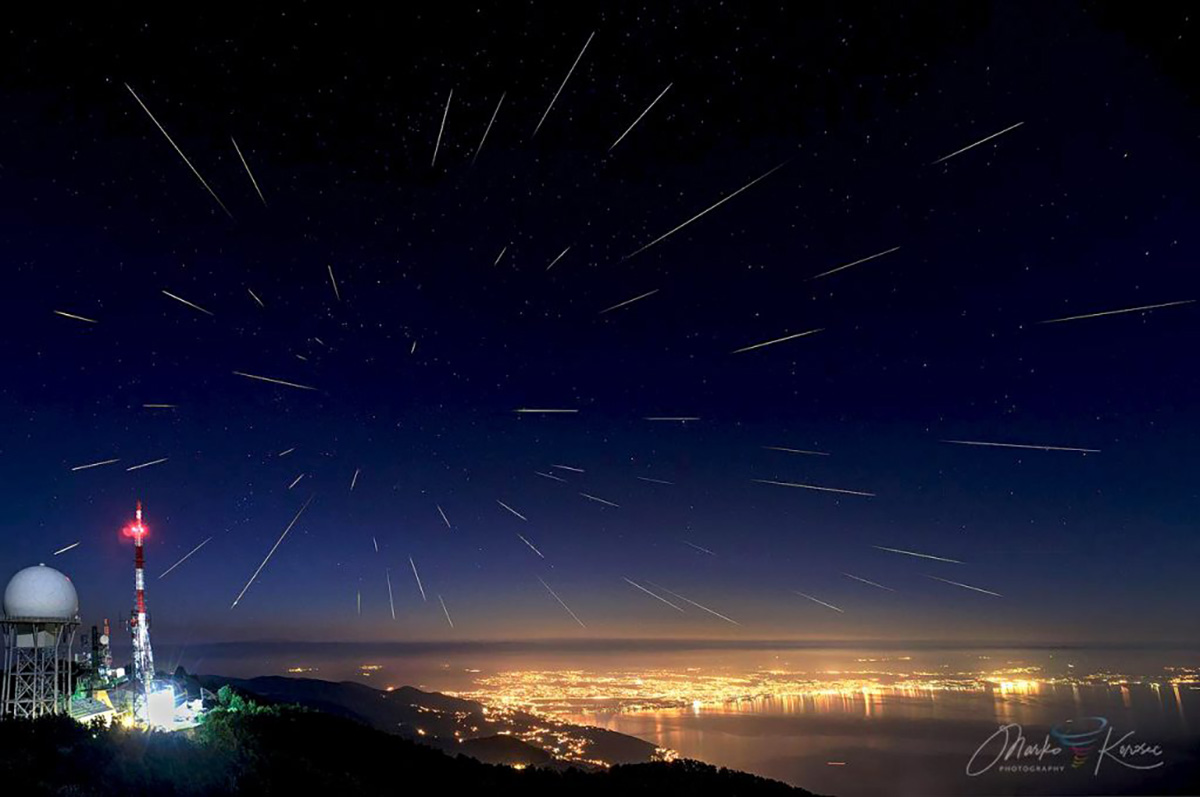
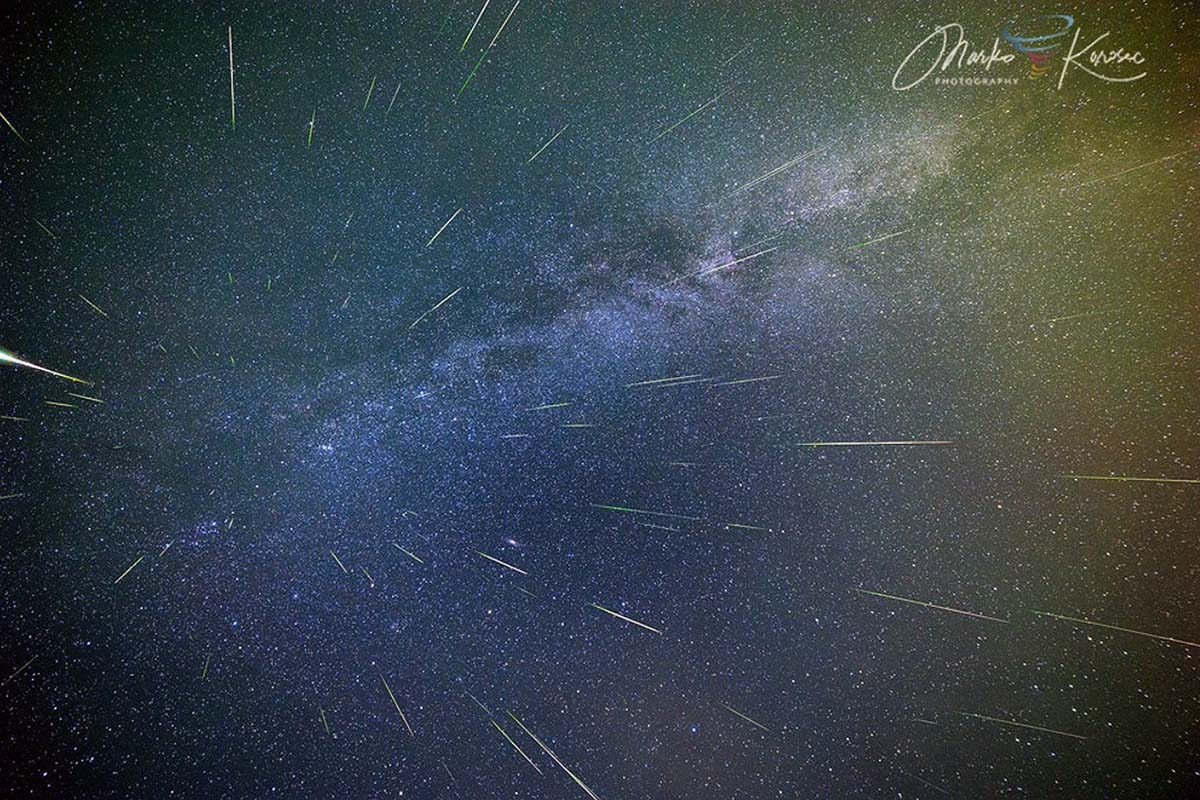
This year, observers can anticipate a Zenithal Hourly Rate (ZHR) of between 90 and 120 meteors per hour during the peak. The ZHR is a theoretical calculation representing the number of meteors a single observer would see under perfect, cloudless skies with the radiant point directly overhead. While the actual number seen may vary due to light pollution or the position of the constellation Perseus, the absence of lunar interference ensures that even the fainter meteors—which usually go unnoticed—will be visible to the naked eye.
Chronology: A Dual-Event Spectacle
The astronomical calendar for August 2026 is dominated by a rare, high-stakes synchronization of events.
The Daytime Prelude: The Total Solar Eclipse
On August 12, 2026, the Moon will pass directly between the Sun and the Earth, casting a shadow of totality across parts of Greenland, Iceland, and Northern Spain. This is the first total solar eclipse to touch European soil in over two decades. For those in the path of totality, the afternoon will briefly turn into a surreal, star-filled twilight, providing a rare chance to see stars during the day.
The Nighttime Crescendo: The Perseid Peak
As the moon shadow departs the continent, the focus shifts to the night. The Perseids ramp up their activity from August 11 through August 13. While the meteors will be visible throughout the week, the primary peak is calculated to occur around 2:00 UTC on August 13.
- August 11–12: Activity increases as Earth enters the densest part of the Swift-Tuttle debris stream.
- August 12 (Evening): As dusk falls, the radiant point—the constellation Perseus—begins its ascent in the northeastern sky.
- August 13 (Pre-dawn): The radiant reaches its highest point in the sky, offering the highest density of meteors. For observers in Europe, this aligns perfectly with the late-night hours. For North American observers, the peak remains high throughout the night, providing a consistent stream of activity from dusk until the first light of dawn.
Supporting Data: The Science of the "Tears of St. Lawrence"
Historically known as the "Tears of St. Lawrence," the Perseids have been observed for centuries. Their reliability is what separates them from more volatile showers. Unlike the Leonids, which can fluctuate wildly based on the comet’s position, the Perseids have remained a consistent and dependable feature of the August sky.
Understanding the Radiant
The radiant, located near the Double Cluster in the constellation Perseus, acts as the "vanishing point" for the meteors. If you trace the path of every meteor you see, they will all seem to originate from this specific patch of sky. However, observers should not look only at the radiant. Meteors will appear in all parts of the sky, often appearing longer and more dramatic the further they are from the radiant point.
The Role of Atmospheric Entry
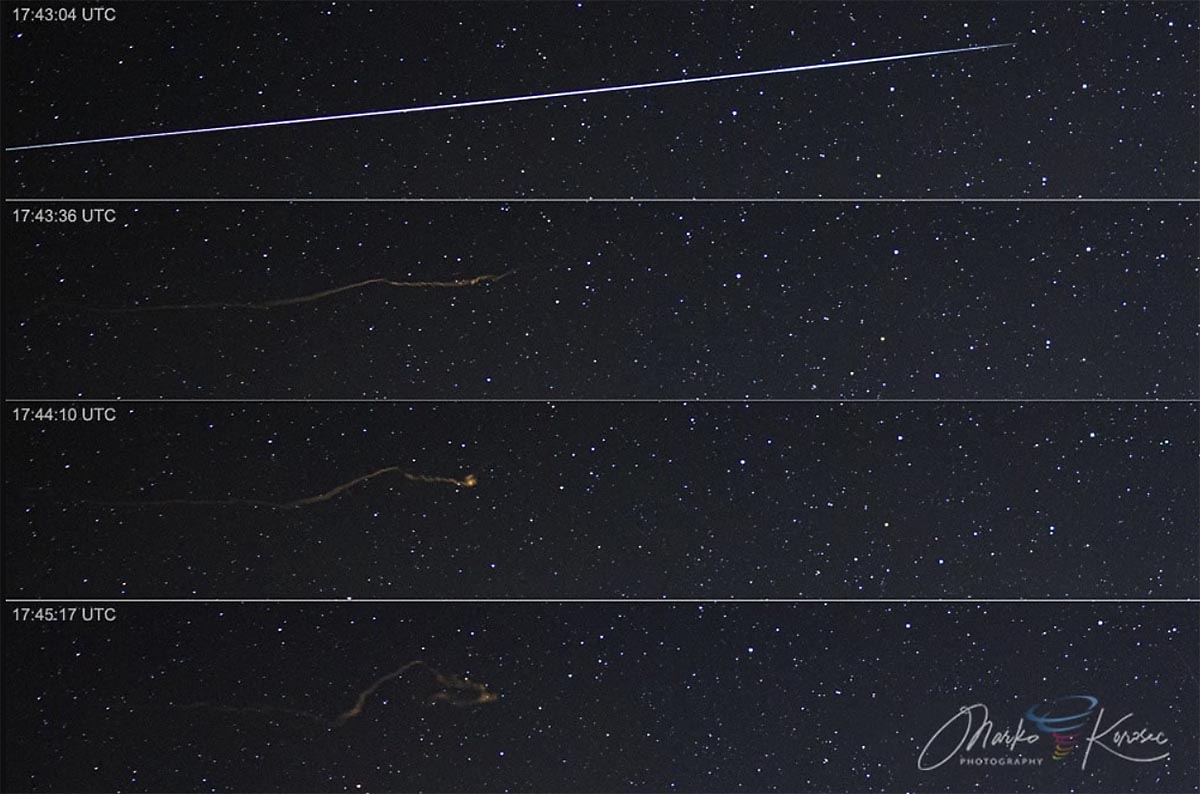
The Perseids typically burn up at an altitude of approximately 100 kilometers—right at the boundary of what is considered the edge of space. At this altitude, the atmosphere is thin, yet sufficient to cause the rapid vaporization of the comet dust. Occasionally, a larger piece of debris will survive longer, creating a "fireball"—a meteor brighter than Venus. These fireballs can leave behind persistent, ghostly ionized trails that remain visible for several seconds, or even minutes, as they are slowly contorted by high-altitude winds.
Official Responses and Expert Advice
Astronomical societies and meteorologists are emphasizing the importance of site selection this year. "The lack of moonlight is the most critical variable," notes one observational astronomer. "Even in suburban environments where the Milky Way is usually washed out, the lack of a moon will allow for a significantly higher count of meteors than in previous years."
Recommendations for Observers:
- Escape the City: Light pollution remains the greatest enemy of the amateur astronomer. Drive at least 30–50 kilometers away from major metropolitan centers.
- Find an Elevated Spot: High-altitude locations in mountains or rolling hills often sit above the denser, more humid layers of the atmosphere, providing a clearer, sharper view of the night sky.
- Patience is Key: It takes approximately 20 to 30 minutes for the human eye to become fully "dark-adapted." Avoid looking at your phone or any bright artificial lights during your observation session to ensure your pupils are fully dilated.
- Comfort is Essential: Because the peak duration lasts for several hours, bring reclining chairs, blankets, and warm clothing. Even in August, nighttime temperatures can drop significantly.
Implications: The Intersection of Science and Public Interest
The 2026 Perseids offer more than just a beautiful view; they provide a unique opportunity for citizen science. Amateur observations are vital to the study of meteor showers. Organizations such as the International Meteor Organization (IMO) rely on ground-based reports to refine models of the Swift-Tuttle debris trail. By reporting the number of meteors seen per hour, observers contribute to a global dataset that helps scientists understand the distribution of mass within the comet’s tail.
Furthermore, the dual nature of the 2026 event—the solar eclipse followed by a moonless meteor shower—is a poignant reminder of our place in the solar system. It highlights the dynamic nature of our planetary neighborhood, where the motion of the Moon, the rotation of the Earth, and the orbital path of a comet all converge to create moments of profound wonder.
Photographing the Display
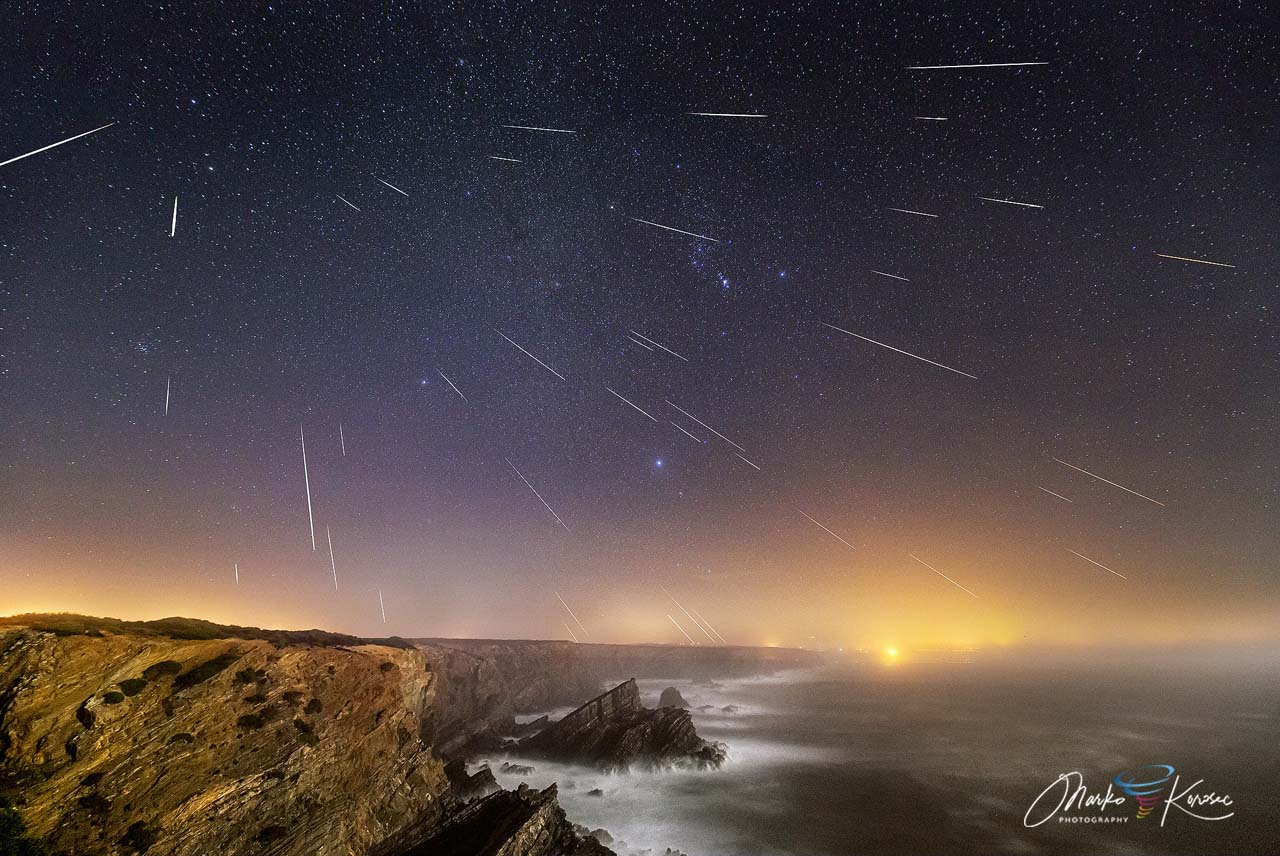
For those wishing to capture the event, the "wait-and-see" approach is essential. Meteor photography requires a wide-angle lens, a sturdy tripod, and a camera capable of long-exposure settings. The strategy involves taking continuous, high-ISO exposures (15 to 30 seconds each) throughout the night. It is not uncommon to take hundreds of photos to capture just a handful of meteors. However, the reward—a crisp, vibrant fireball streaking across a star-dusted background—is worth the technological effort.
Conclusion: A Night to Remember
As we approach the nights of August 12 and 13, 2026, the message to the public is clear: step outside. Whether you are a seasoned astronomer with a telescope or a curious onlooker with nothing but a blanket and a patch of grass, the universe is providing an open-access show.
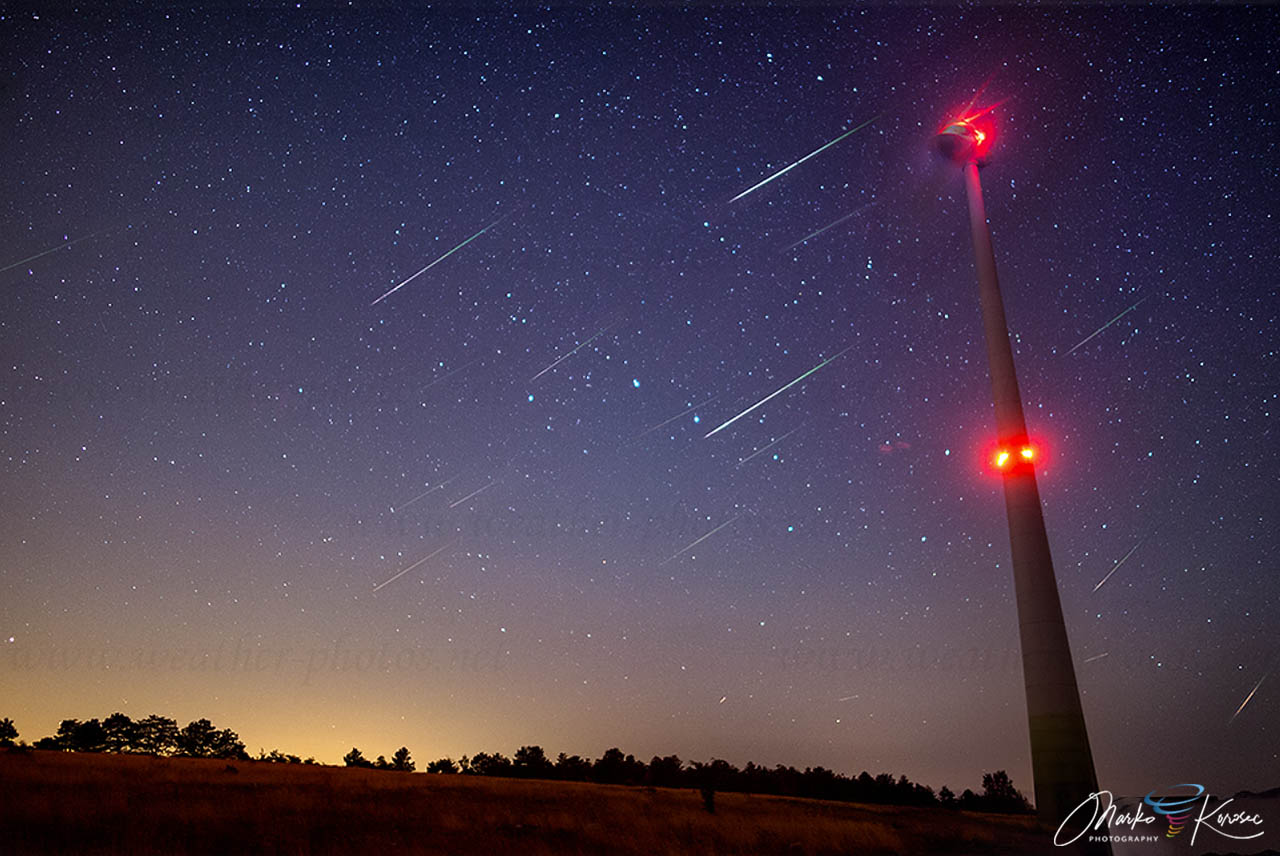
The convergence of a dark, moonless sky and a peak meteor shower is a rare alignment of circumstances that demands our attention. It is a moment to disconnect from the digital world and reconnect with the ancient, rhythmic dance of the cosmos. With clear skies and a bit of patience, the 2026 Perseids will likely become a memory etched in the minds of millions, a testament to the enduring majesty of our night sky.
If you do manage to capture the event, consider sharing your findings with regional astronomy clubs or reporting them to international databases. After all, the story of the Perseids is one that is best told together.