In the high-stakes world of elite international sports, nations are often defined by their ability to innovate under pressure. Finland, a country that does not possess the massive population pools or the limitless financial coffers of sporting superpowers, has turned to a more strategic asset: intellectual capital.
Central to this effort are Finland’s two primary Olympic Training Centers (OVK)—Urhea in Helsinki and the Vuokatti-Ruka center. Together, they represent the backbone of Finnish elite sports, shifting the paradigm from broad-based support to a targeted, science-backed approach aimed at the "sharpest edge" of the country’s athletic talent.
Main Facts: The Strategic Pivot
The Finnish sporting system is currently undergoing a structural transformation. Recognizing that success in the international arena cannot be bought, the national sports hierarchy is focusing on deep-tier knowledge sharing, cross-disciplinary collaboration, and technological integration.
Recent initiatives, including the formalization of cooperation agreements extending through 2030, signal a long-term commitment to these centers. The core strategy is clear: by centralizing resources and fostering environments where coaching expertise is shared, Finland aims to punch above its weight.
A vivid example of this global integration occurred in January 2026, when the British national gymnastics team—one of the most elite programs in the world—conducted an eight-day training camp at the Urhea facility in Helsinki. This was not merely a rental of space; it was a high-level exchange of methodology. Finnish coaches spent nearly a week working alongside their British counterparts, creating personal networks that allow for "benchmarking" against the world’s best on a personal, rather than just an observational, level.
Chronology: From Local Roots to Global Standards
The evolution of the Finnish Olympic Training Center model has been a decades-long project, but the last few years have seen an acceleration in integration:
- Pre-2025: The foundation was built on the "Urheiluakatemia" (Sports Academy) system, supporting over 20,000 young athletes through dual-career pathways.
- January 2026: The British gymnastics team residency in Helsinki demonstrates the effectiveness of bringing the world to Finland.
- June 2026: Olympiavalmennuskeskus Helsinki secures a landmark agreement to solidify its role in the national hierarchy.
- August 2026: Vuokatti-Ruka announces a comprehensive new cooperation period, aligning its strategy specifically toward the 2030 Winter Olympic Games.
- Present Day: Both centers operate as hubs where research, daily coaching, and elite athlete development converge under a unified national strategy.
Supporting Data: The Two Pillars of Excellence
While both centers share the singular objective of producing world-class athletes, they approach this task through distinct, yet complementary, methodologies.
Urhea: The Human-Centric Hub
Located in Helsinki, Urhea functions as a social engine for performance. Its primary value proposition is the "collision" of experts. By housing various sports under one roof, the center encourages spontaneous and structured interactions between coaches, physiologists, and mental performance experts.
Simo Tarvonen, CEO of the Helsinki Olympic Training Center, emphasizes that the true value of the facility is not in the equipment, but in the community. "We encourage coaches from different sports to talk to each other," Tarvonen notes. "Even if they share nothing but the pursuit of elite performance, the peer support and shared problem-solving are invaluable."
Vuokatti-Ruka: The "Science to Practice" Powerhouse
If Urhea is the social hub, Vuokatti-Ruka is the technological laboratory. Its proximity to the University of Jyväskylä allows for a unique "From Science to Practice" model. This center specializes in the integration of rigorous research, data analytics, and high-performance training.
A key success story in this model is the development of specialized shooting tests for biathletes. While the system was designed for the needs of the national team, it is used daily by academy-level students, ensuring that the next generation of talent is raised on the exact same metrics and standards as the Olympians they hope to emulate.
Official Responses: The Philosophy of the "Sharp Edge"
The leaders driving these institutions speak with a unified voice regarding the necessity of a paradigm shift in how resources are allocated.
Janne Hänninen, Director of the Finnish Olympic Committee’s High-Performance Unit, argues that the old model of spreading resources thin is no longer viable. "It was easy to support many people with a little bit of money, but that rarely resulted in someone being the best in the world," Hänninen explains. "Our new strategy focuses resources on those athletes and sports that have the highest potential for success."
This "sharp edge" strategy does not, however, mean abandoning the grassroots. Janne Vuorinen, head of the Vuokatti-Ruka center, clarifies that knowledge must flow downwards. "We work in the same spaces," Vuorinen says. "When our elite athletes train alongside those in the selection phase, the knowledge transfer is constant and natural."
Implications: Building a Sustainable Competitive Advantage
The implications of this strategy extend far beyond medal counts. By fostering an environment where elite performance is a professional, repeatable, and collaborative process, Finland is attempting to create a sustainable "factory" for excellence.
1. Cross-Disciplinary Synergies
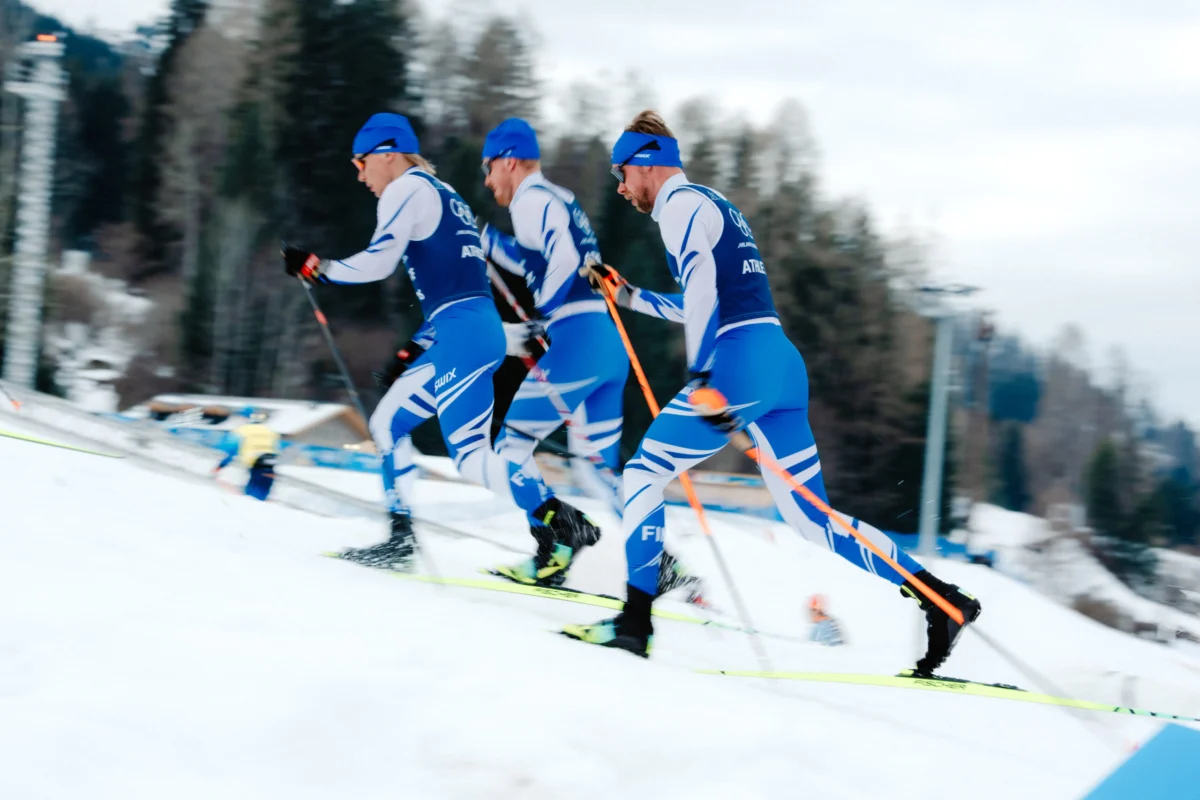
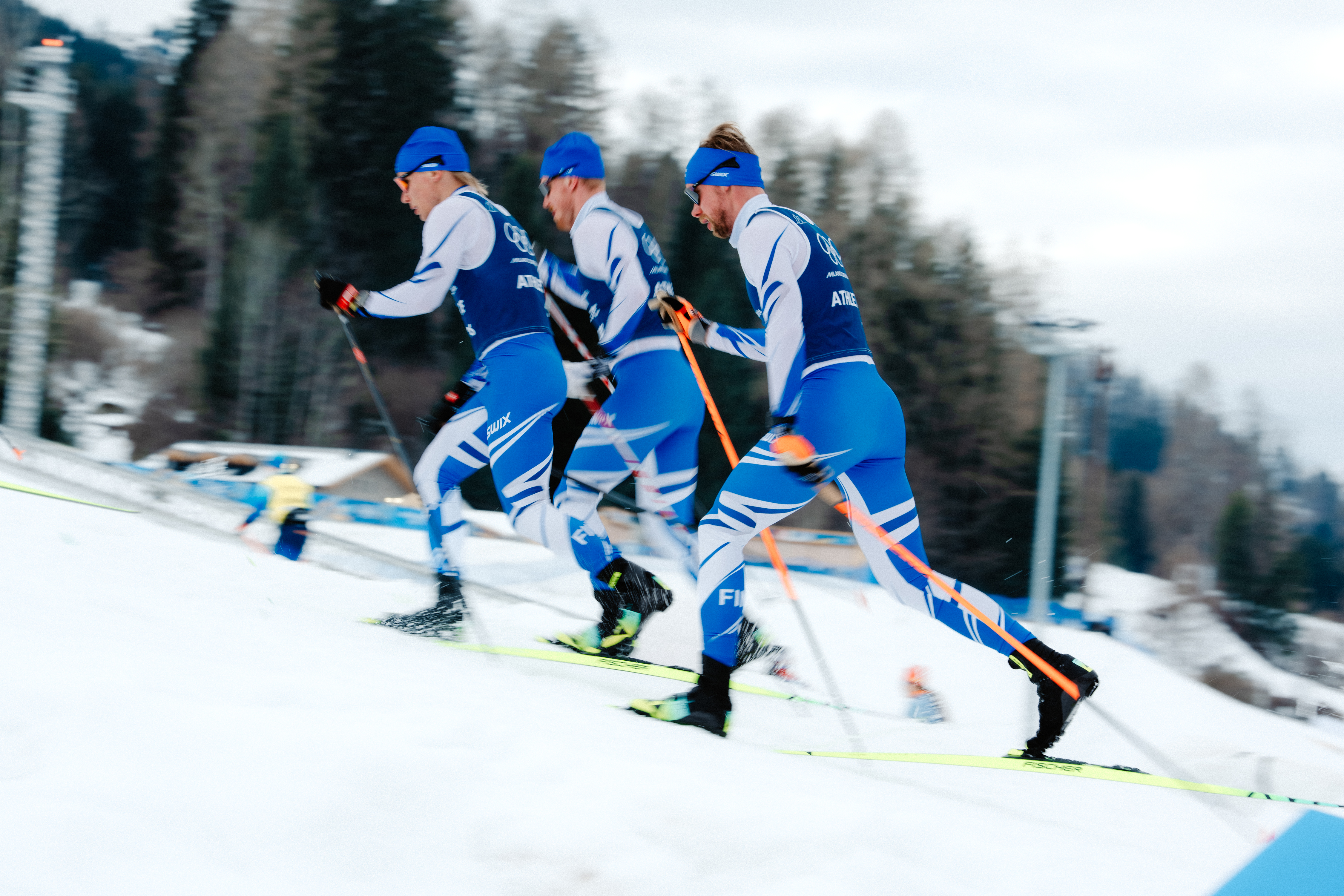
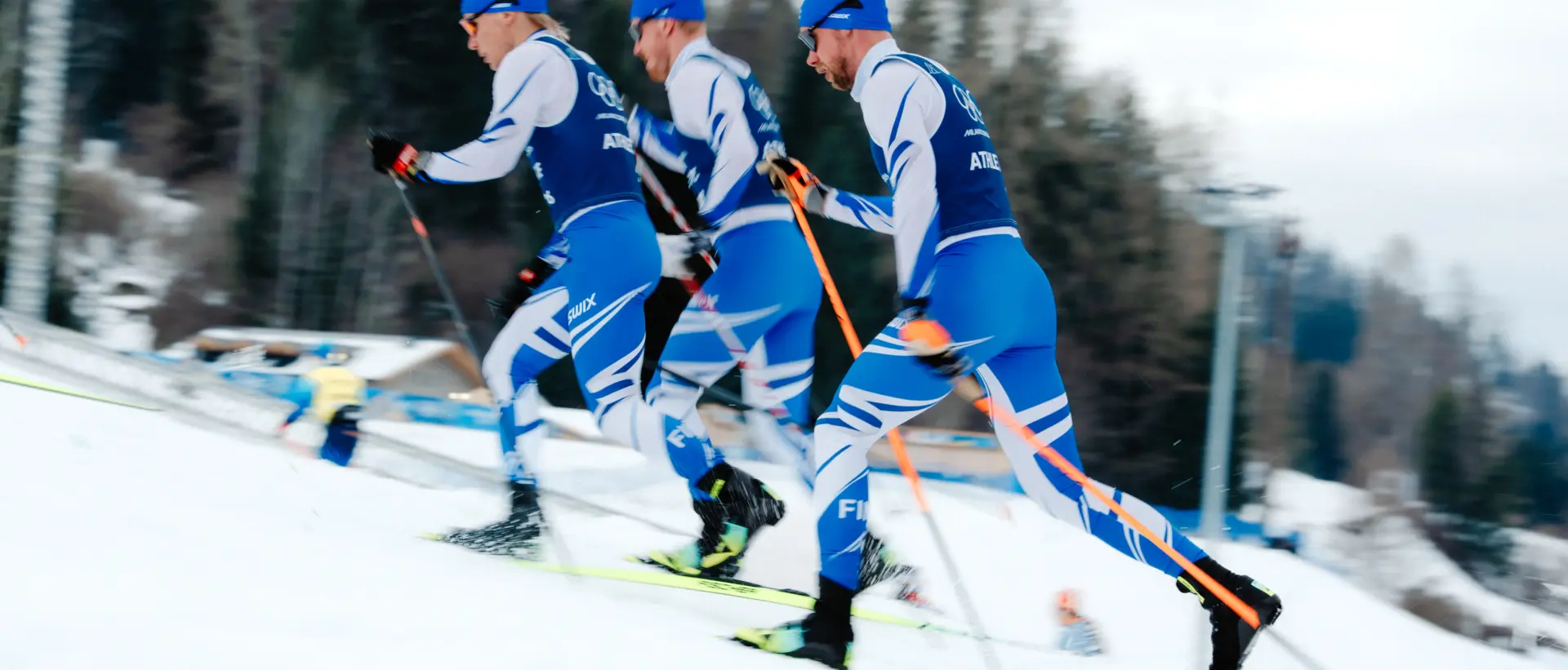
One of the most significant advantages mentioned by experts like Olli Ohtonen, Professor of Practice for snow sports at the University of Jyväskylä, is the ability to transfer innovations between sports. The recent development of wax and base-grinding technologies for cross-country skiing, biathlon, and Nordic combined is a testament to this. By treating these as "small-ski" sports that share fundamental needs, the centers have managed to create a competitive advantage that is rarely matched by larger, more siloed nations.
2. The Cultural Shift in Coaching
Perhaps the most profound change is the cultural expectation placed upon the coaching staff. Hänninen insists that this is a "toppatakki" (puffer jacket) movement—a reference to the coaches standing in the cold—where curiosity and self-reflection are mandatory. "Every day, you have to ask yourself, how can we be better?" he notes. This attitude creates a culture of accountability where the coach is as much an athlete as the competitor they are training.
3. The "Dual-Career" Ecosystem
The long-term success of these centers relies on their integration into the wider Finnish sports academy system. By maintaining a link to 20,000 young athletes, the Olympic Training Centers ensure that they are not just harvesting talent, but cultivating it. The system creates a pipeline where the "dream" of being an elite athlete becomes a tangible reality supported by data, research, and a professional community.
Conclusion: A United Front Toward 2030
As Finland looks toward the 2030 Winter Olympics and beyond, the message from the Olympiavalmennuskeskukset is clear: victory is the byproduct of an interconnected ecosystem.
Whether it is through the collaborative, social-focused model in Helsinki or the science-heavy, data-driven approach in Vuokatti-Ruka, the goal remains the same. Finland is betting that by gathering its intellectual resources, fostering an environment of radical honesty and constant improvement, and ensuring that knowledge flows from the lab to the athlete’s feet, it can maintain a presence on the world stage that belies its size.
The success of this endeavor depends on the continued willingness of coaches, researchers, and administrators to work as a unified front. As Simo Tarvonen poignantly puts it, "The success is shared, and there is a feeling that we are all needed on the athlete’s journey from junior to world champion. When we are in a situation where we all strive to be better by lifting each other up, we have achieved the true mark of a world-class sporting nation."
This report incorporates insights from the latest strategic partnerships between the Finnish Olympic Committee and the Olympic Training Centers, emphasizing the ongoing commitment to excellence through to 2030.