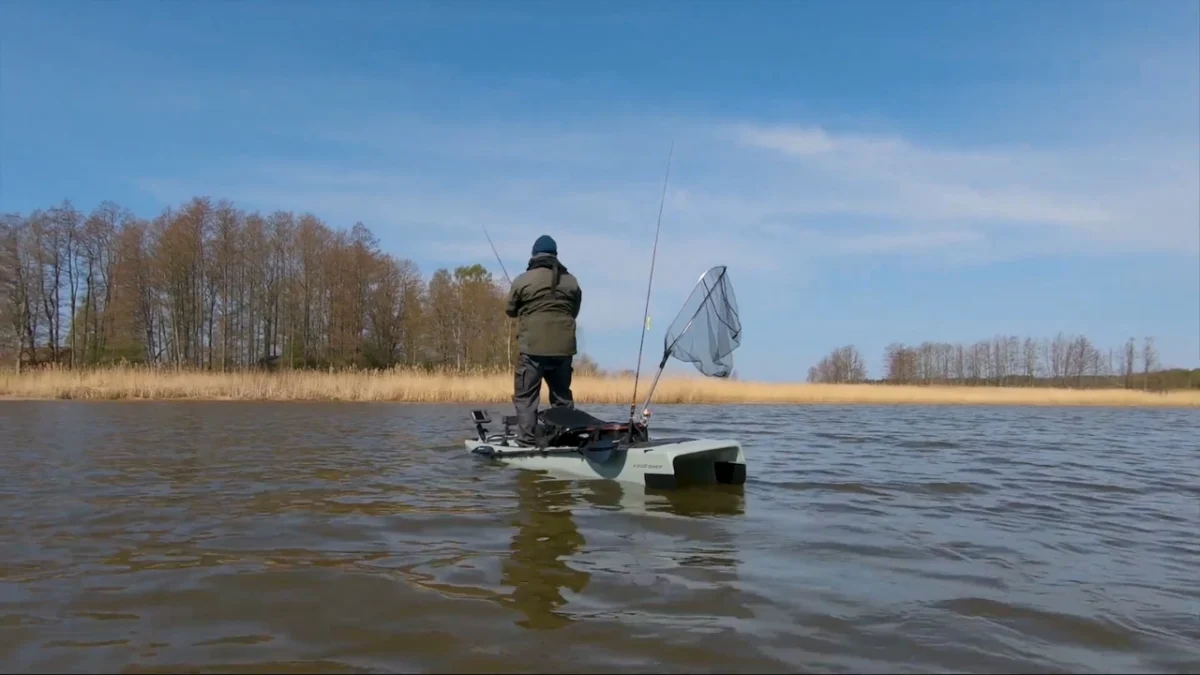
For the modern angler, a fishing kayak is no longer merely a plastic shell designed for paddling; it has evolved into a high-tech, mobile command center. Adding a motor to a kayak is not just about increasing velocity—it is about reclaiming the energy once spent fighting the current, wind, or distance. By automating the propulsion, anglers can dedicate their physical stamina and mental focus to the most critical aspect of the day: locating and landing the catch.
However, the surge in "motor-ready" kayak marketing has created a complex landscape for consumers. A vessel that performs beautifully in a showroom may become a logistical nightmare once laden with a battery, tackle crates, rods, fish finders, and anchor systems. This guide dissects the critical considerations for motorized kayak setups and evaluates the top contenders currently defining the market.

The Strategic Advantage: Why Motorize?
The primary allure of a motorized kayak is precision control. In traditional paddle-only scenarios, maintaining a position along a weed line or a bridge piling in windy conditions requires constant correction, often forcing the angler to put down the rod to grab a paddle.
Core Benefits
- Energy Conservation: By eliminating the physical exertion of paddling to and from distant fishing grounds, anglers arrive at their destination fresh and ready to cast.
- Station Keeping: Modern electric motors allow for "spot-lock" or steady-state propulsion, keeping the boat in the strike zone regardless of current or wind.
- Efficiency: Motorization facilitates the ability to cover more water in a single outing, significantly increasing the probability of finding active fish.
Chronology of Evolution: From Paddle to Power
The integration of motors into kayak design has followed a distinct trajectory. Initially, anglers relied on "aftermarket" ingenuity—clamping makeshift motor mounts to standard recreational kayaks, which often resulted in unstable, top-heavy rigs.
By the mid-2010s, manufacturers began designing hulls specifically to account for the center of gravity shifts caused by heavy marine batteries and transom-mounted trolling motors. Today, we see the third generation of these boats: purpose-built, "motor-ready" platforms that integrate battery compartments, pre-routed cabling for transducers, and reinforced mounting points for proprietary drive systems.
Top Fishing Trolling Motor Kayaks
1. Point 65 Sweden Kingfisher: The Modular Marvel
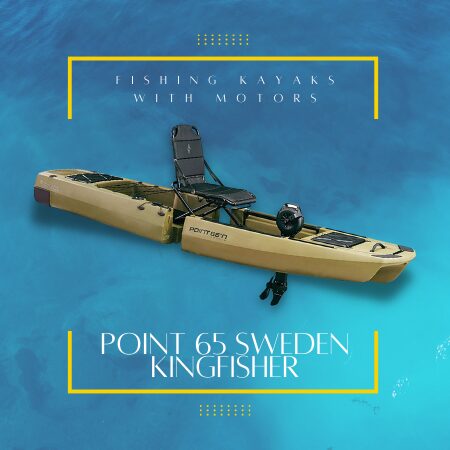
The Kingfisher stands out for its unique modular architecture. Breaking into two manageable sections, it solves the "transportation crisis" for apartment dwellers or those without full-sized trucks.
- Design: Featuring a trimaran-style hull, the Kingfisher provides exceptional primary stability, allowing for standing and casting without the boat feeling like a cumbersome barge.
- Capacity Considerations: With a solo capacity of roughly 287 lbs, this boat requires careful weight management. Once you add an angler, a heavy lithium battery, and a full tackle load, you approach the threshold of its buoyancy limits.
- Best For: Anglers who prioritize modularity and ease of storage over massive gear-hauling capabilities.
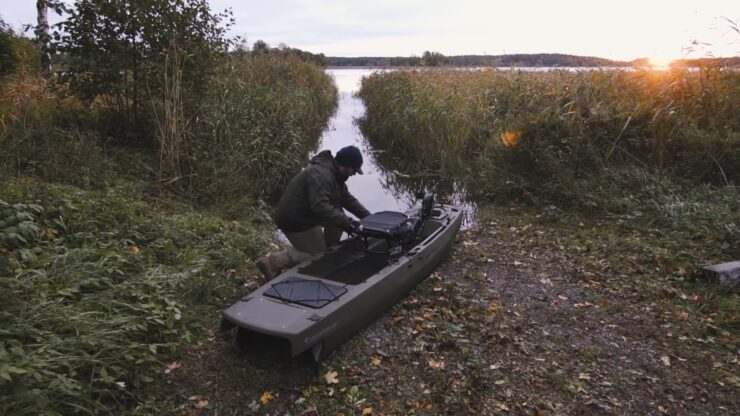
2. Reel Yaks Fishing Kayak: The Compact Specialist
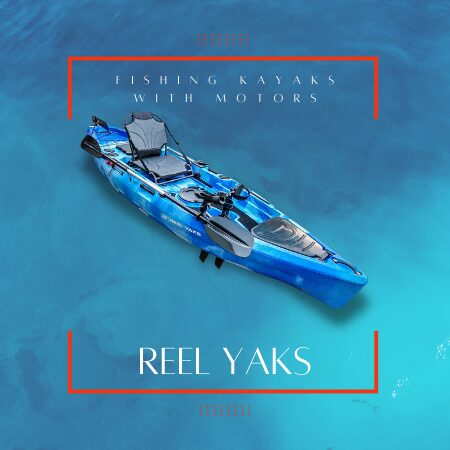
Reel Yaks focuses on the intersection of convenience and hands-free fishing. Their designs are aimed at the angler who needs a nimble boat for small lakes, ponds, and shallow flats.
- Stability Profile: The W-shaped hull is engineered to provide a rock-solid platform. While this design creates more drag than a traditional touring boat, the trade-off is a confidence-inspiring deck that remains stable even when moving gear or landing a trophy fish.
- Ergonomics: The inclusion of a frame-style, elevated seat is a non-negotiable feature for long-duration fishing. Unlike molded-in plastic seats, these breathable, supportive chairs reduce fatigue and prevent the angler from sitting in accumulated bilge water.
3. Wilderness Systems ATAK 120: The Professional Platform
The "Advanced Tactical Angling Kayak" (ATAK) 120 is arguably the most robust platform in this segment. It is designed for the serious, gear-intensive angler.
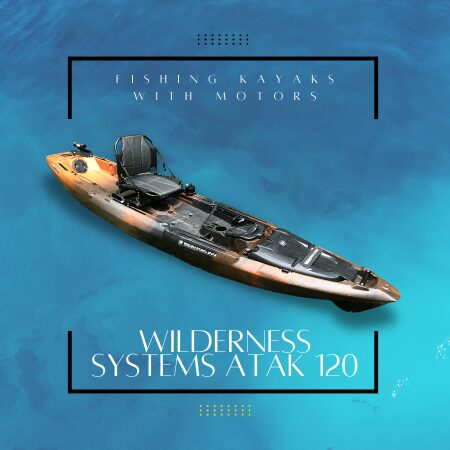
- Engineering: With a width of 35 inches and a capacity of 400 lbs, the ATAK 120 is built to carry the weight of modern electronics, heavy-duty batteries, and extensive tackle arrays.
- Rigging Potential: The "Flex Pod" system allows for seamless integration of fish finders and motor drives. It effectively hides the "mess" of wiring that often plagues DIY motorized setups.
- Considerations: At 86 lbs, this is a heavy vessel. It requires a well-thought-out launch strategy—ideally using a specialized cart—and is best suited for those who treat their kayak as a dedicated, long-term fishing investment.
Supporting Data: The Physics of the Setup
When evaluating these boats, one must consider the "Total Loaded Weight." Many users calculate the weight of the boat and the motor but fail to account for:
- Marine Battery Weight: A standard 12V lead-acid deep-cycle battery can weigh over 50 lbs. Upgrading to LiFePO4 (lithium) batteries can reduce this weight by 60%, a crucial factor for maintaining the buoyancy of smaller kayaks.
- Water Ingress: Fishing kayaks are rarely perfectly dry; the presence of "deck water" adds weight.
- Hydrodynamics: A boat running at 4 mph creates significantly more bow-wake drag than a boat being paddled at 2 mph. The hull must be designed to displace water efficiently at these higher speeds to avoid excessive battery drain.
Official Guidelines and Legal Implications
Adding a motor changes the legal classification of your craft in many jurisdictions.
- Registration: In the United States, many states require any vessel propelled by a motor to be registered. This involves obtaining a hull identification number (HIN), displaying registration decals, and carrying specific safety equipment (such as a whistle, life jacket, and navigation lights).
- Safety Standards: The Coast Guard classifies motorized kayaks as powerboats. This means you are legally obligated to adhere to "rules of the road" for inland waterways.
- Manufacturer Compliance: Always verify the "motor-ready" status. Using a motor on a hull not rated for the torque or weight of a motor can void the warranty and, more importantly, compromise the structural integrity of the stern.
Implications for the Angler
The shift toward motorization represents a broader cultural change in angling: the "democratization of distance." Waters that were previously inaccessible due to current or distance are now within reach of a kayak angler. However, this accessibility comes with the implication of added responsibility.
A motorized kayak is essentially a small powerboat. It requires:
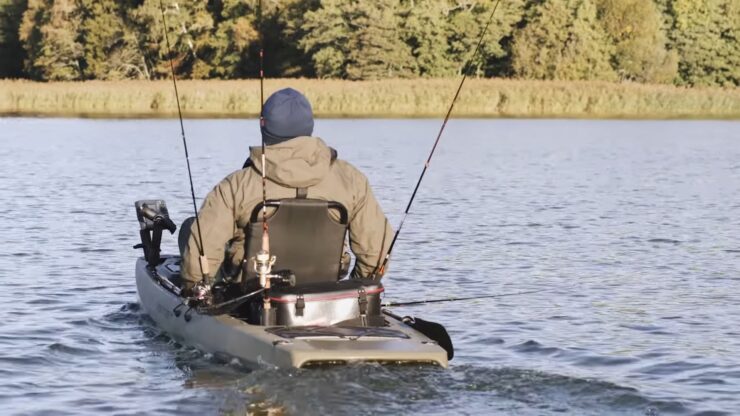
- Routine Maintenance: Saltwater corrosion will destroy cheap connectors and motors. Rinsing the entire rig with fresh water after every outing is mandatory.
- Safety Planning: A dead battery on a non-motorized boat is an inconvenience; a dead battery on a heavy, motorized, 12-foot kayak is a potential emergency. Always carry a backup paddle and a plan to get back to shore manually.
Conclusion: Making the Right Choice
Choosing the "best" motorized fishing kayak is a process of reconciling your fishing environment with your logistical reality.
- If you have limited space and need portability: The Point 65 Sweden Kingfisher is the clear winner for its modular design.
- If you fish calm, inland waters and want a simple, stable experience: The Reel Yaks platform offers the best balance of comfort and utility.
- If you are a hardcore angler requiring maximum rigging capacity: The Wilderness Systems ATAK 120 remains the gold standard for its sheer capability and accessory compatibility.
Ultimately, do not be seduced by the motor alone. The motor is merely the engine; the kayak is the vehicle. Ensure the hull design, weight capacity, and ergonomic features align with your specific style of fishing. Test the setup in calm, shallow water before embarking on long-range expeditions, and remember that the goal of technology in fishing is to make the experience more enjoyable—not to turn your hobby into an engineering project.