Introduction: A Remarkable Summer for Orchids
In the deep, mossy forests of Southern Kainuu, the summer of 2026 will be remembered by local naturalists as a historic season for rare flora. Following a series of observations that began earlier in the year, the region has revealed an extraordinary abundance of orchid species. From the flourishing populations of the Lesser Twayblade (Neottia cordata) to the rare and elusive Ghost Orchid (Epipogium aphyllum), the forest floor has acted as a stage for some of nature’s most subtle, yet spectacular, performances.
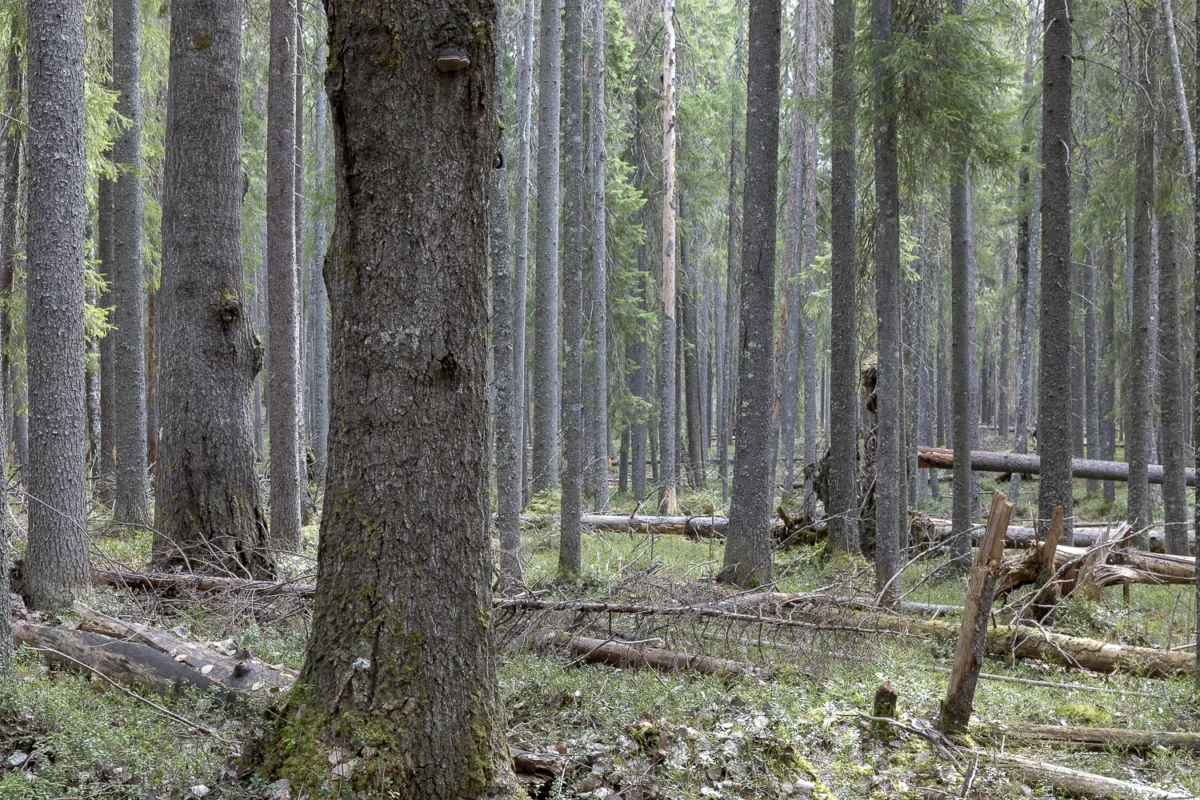
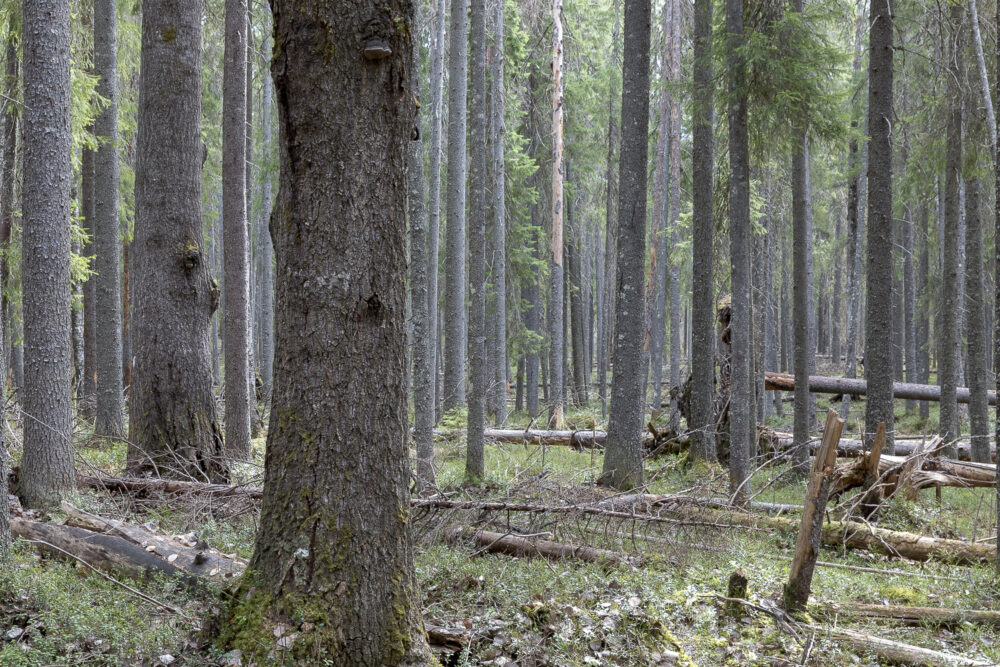
For those who know where to look, the ancient forests of Kainuu serve as a living museum. This season’s success in documenting these elusive plants underscores the vital importance of protecting old-growth ecosystems, which serve as the only viable sanctuary for species that cannot survive the mechanical disturbances of modern commercial forestry.
The Fragile World of the Lesser Twayblade
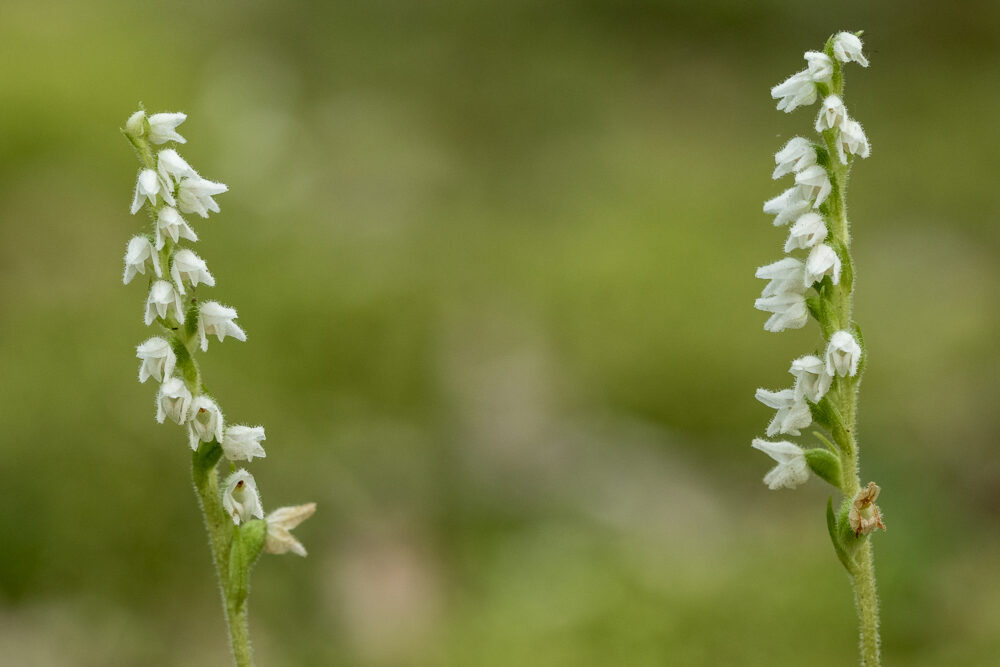
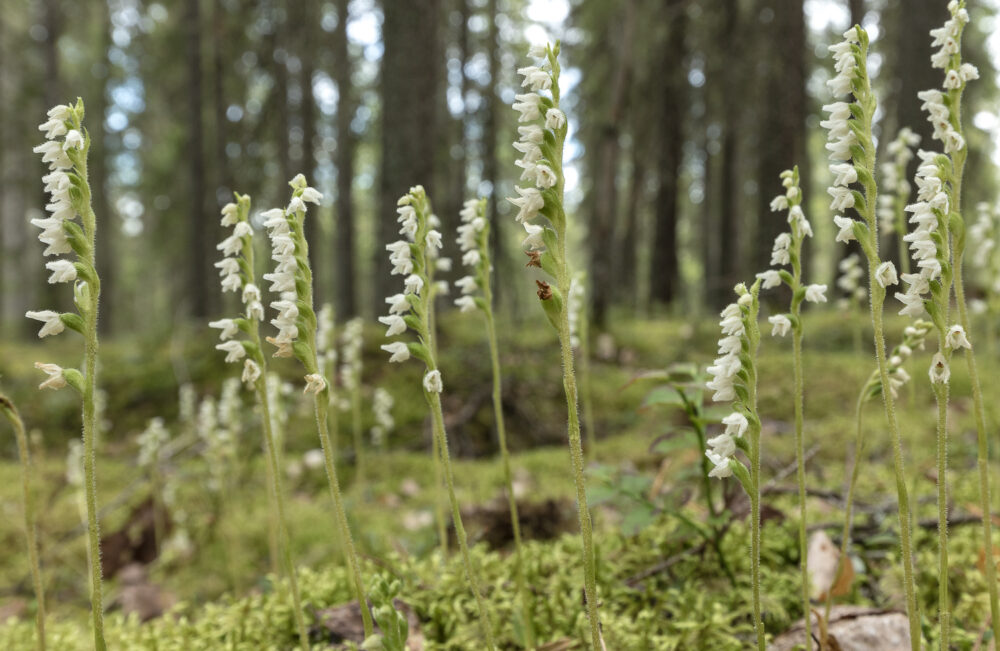
The Lesser Twayblade, a tiny but charming orchid, has had a banner year. In protected old-growth moss forests, researchers and enthusiasts have documented clusters of 20 to 30 individuals, with one particularly dense patch hosting nearly 90 flowering plants.
The contrast between protected areas and managed commercial forests is stark. In areas subjected to "forest management"—a euphemism for soil scarification and clear-cutting—the Twayblade struggles to survive. The plant possesses a highly delicate root system that depends entirely on the constant moisture provided by thick, undisturbed moss layers or deep forest litter. When the soil is turned or the canopy is removed, the microclimate collapses, and the orchid’s habitat is destroyed. Because the Twayblade propagates slowly via runners, it lacks the resilience to recolonize areas that are frequently logged.
The Search for the "Ghost" of the Woods
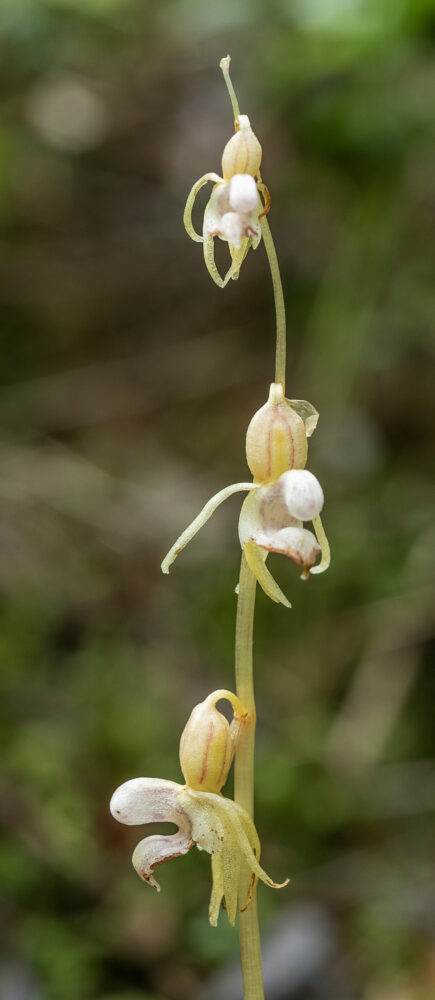
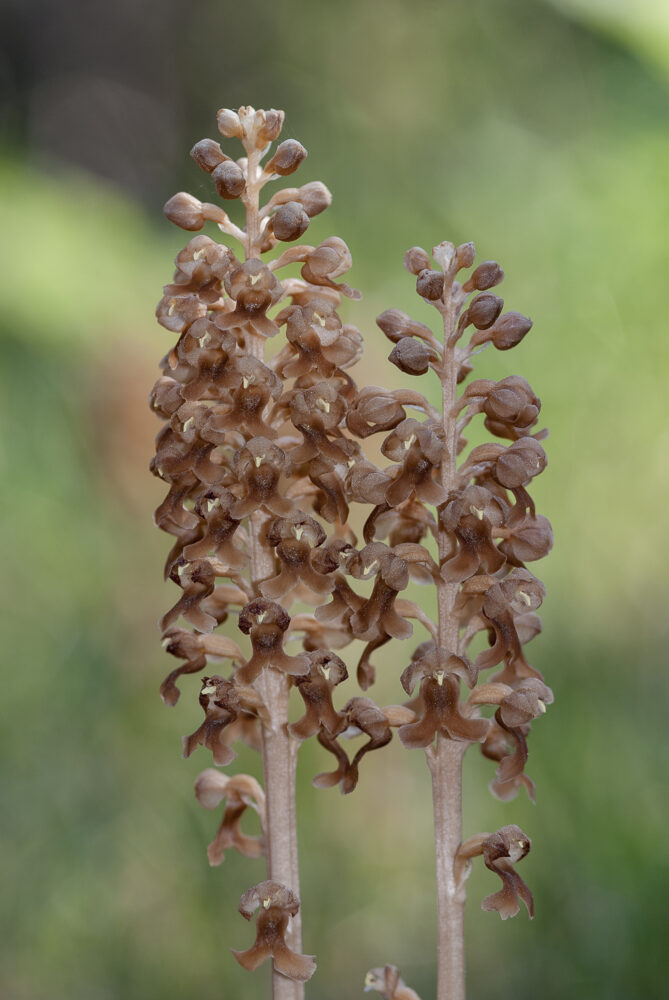
Inspired by the proliferation of common orchids, local observers turned their attention to a much rarer prize: the Ghost Orchid (Epipogium aphyllum). Classified as a vulnerable species in Finland, the Ghost Orchid is notoriously difficult to spot. It is a pale, spectral plant that often spends years hidden entirely underground, only surfacing to bloom under specific, mysterious conditions.
The Biological Mystery
The Ghost Orchid is a myco-heterotroph, meaning it lacks chlorophyll and cannot perform photosynthesis. Instead, it relies on a symbiotic relationship with a fungus that draws nutrients from nearby trees. Because it doesn’t need sunlight, it thrives in the darkest, most humid corners of ancient coniferous forests.
Unlike in the UK, where the species is often associated with beech forests, in Finland, the Ghost Orchid appears to have no strict preference for tree species, provided the environment is sufficiently damp and rich. It has even been documented in the high elevations of the fells. However, its habit of "skipping" years—remaining subterranean and invisible to the naked eye—makes it one of the most challenging plants for botanists to monitor.
The Discovery at Porkkasalo
The search culminated in a moment of serendipity at Porkkasalo. While crossing a fern-covered brook in an area known for its rich, ancient character, an observer finally spotted the pale, unassuming stalk of a Ghost Orchid nestled in a hollow.
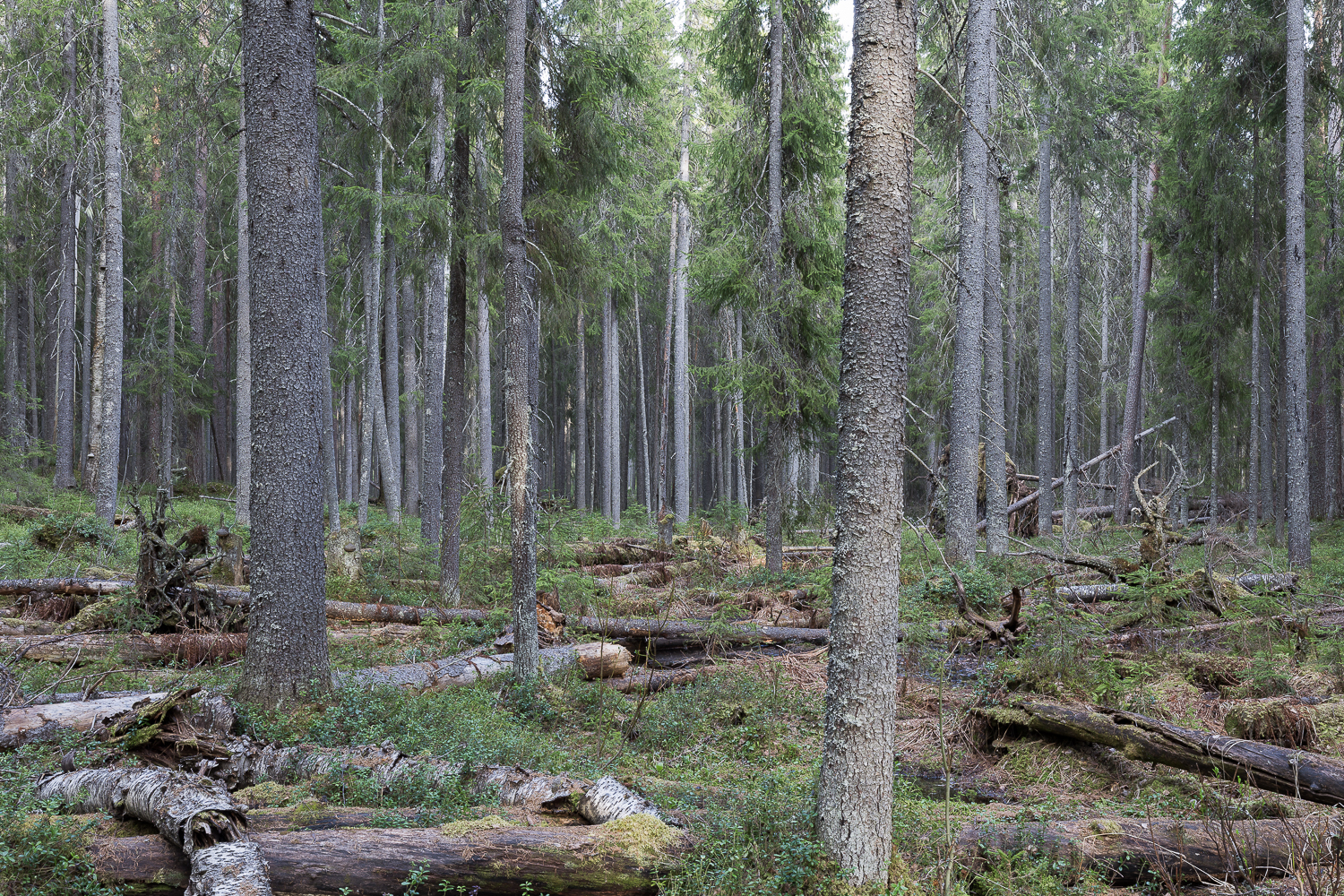
The find was more than just a botanical success; it was a vindication of a long-standing environmental struggle. In the early 1990s, Porkkasalo was the site of a bitter conflict between conservationists and the state-run enterprise, Metsähallitus. At the time, the agency argued that the area was nothing more than "ordinary commercial forest" slated for clear-cutting. Conservationists, supported by researchers from the University of Oulu, argued that the site’s unique ecological value—defined by its spring-fed marshes and old-growth havens—warranted protection.
The struggle saw police forcibly removing protesters and subsequent legal battles that resulted in fines for the activists. However, the eventual protection of the area saved this rare habitat. Standing before the Ghost Orchid, the victory was clear: without that past activism, this extraordinary plant, along with the rare Spotted Coralroot (Corallorhiza trifida) found nearby, would have been wiped out by drainage ditches and heavy machinery.
Other Myco-heterotrophic Wonders
The botanical wealth of the region extends beyond the Ghost Orchid. This summer also provided opportunities to document other chlorophyll-free specialists, each offering a unique look at the complexities of forest ecology.
The Spotted Coralroot
The Spotted Coralroot (Corallorhiza trifida) is a fascinating member of the orchid family. Like the Ghost Orchid, it relies on fungal partners rather than photosynthesis. While it is rare, it is somewhat easier to spot than the Ghost Orchid due to its slightly larger size and distinct coloration, though it still demands a keen eye.
The Pine Bird’s-nest
Though not an orchid, the Pine Bird’s-nest (Monotropa hypopitys) occupies a similar ecological niche as a non-photosynthetic parasite. Often mistaken for a fungus due to its fleshy, pale appearance, the plant draws its sustenance from the roots of pine trees through a fungal intermediary.
The Pine Bird’s-nest is also prone to "disappearing acts," spending years underground before sending up a cluster of flowers. In a site surveyed this August—a protected old-growth forest—five individuals were found, confirming the health of the local soil ecosystem. While the Pine Bird’s-nest remains relatively common in some areas, its close relative, the Smooth Pine Bird’s-nest (Monotropa hypopitys subsp. hypophegea), is restricted to only the most southern parts of Finland and the Åland Islands.
Implications for Forest Policy
The success of these rare plants in protected areas of Kainuu provides a clear data point for policymakers. The survival of myco-heterotrophic species is a bio-indicator of "forest continuity." These plants cannot simply be planted or moved; they require centuries of undisturbed soil chemistry, fungal networks, and micro-climatic stability.
The Cost of Fragmentation
When commercial forestry operates on a rotation cycle that prioritizes rapid turnover, it effectively resets the ecological clock. Species like the Ghost Orchid are "climax species"—they only appear in the final, mature stages of forest succession. By the time a forest is deemed "old enough" to host these species, current management practices often dictate that it is ready to be harvested.
The Need for Buffer Zones
The discovery at Porkkasalo demonstrates that protecting a small patch is not enough; the surrounding landscape must also maintain its hydrological integrity. The Ghost Orchid found at the edge of the brook would likely have perished had the nearby forest been drained for timber production. Experts suggest that "stepping stone" corridors between protected areas are essential for the long-term survival of these rare orchids, as they allow for the dispersal of fungal spores and the slow migration of plant populations.
Conclusion: A Call to Protect the Invisible
The "ghosts" and "nests" of the Finnish forest are a reminder of how much of our natural world remains hidden in plain sight. These plants do not provide timber, nor do they offer grand landscapes for tourism, but they are essential components of a healthy, functioning forest.
The 2026 season in Kainuu has proven that when we choose to leave a forest to its own devices, it rewards us with rare beauty and ecological complexity. The ongoing debate over land use in Finland must account for these silent, subterranean lives. As we move forward, the goal must be to ensure that the ancient forests of Kainuu remain a home not only for the trees we see, but for the fragile wonders that bloom in the shadows of the moss.
For those interested in supporting the ongoing documentation and conservation of these species, consider joining local naturalists in the field or supporting organizations like Suomen Luonto, which provides consistent, expert-led reporting on the status of Finland’s biodiversity.