Introduction: Beyond the Tallinn Horizon
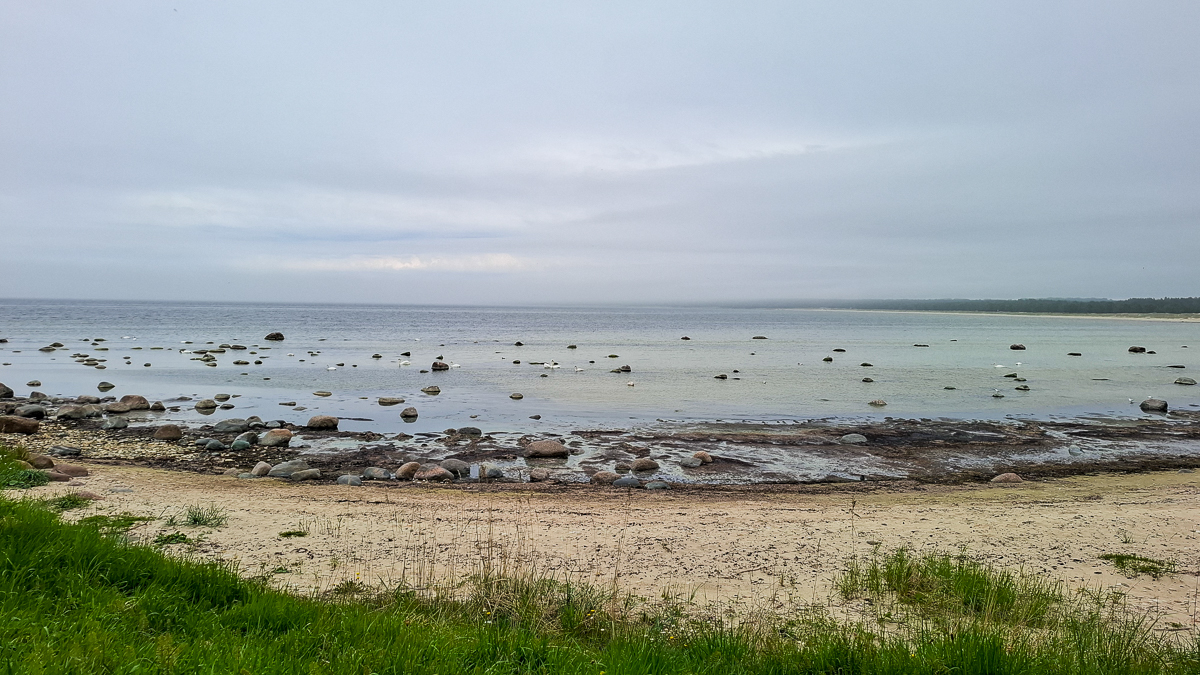
While many travelers associate Estonia with the cobblestone charm of Tallinn’s Old Town, a different world thrives just a short drive from the bustling capital. For the members of the Finnish Entomological Society, the annual spring excursion to Estonia is more than a simple getaway; it is a pilgrimage into a landscape that serves as a living laboratory. Despite the proximity—often a shorter journey from Helsinki than a trip to inland Finland—the southern side of the Gulf of Finland offers a distinct ecological profile, featuring limestone cliffs and coastal meadows that harbor insect species rarely encountered on Finnish soil.
Following a productive arrival day documented in our previous report, this account details the second leg of the expedition: a journey through the rugged, wind-swept northern coast, defined by treacherous cliffs, industrial history, and the quiet, hidden life of the Baltic shoreline.
Chronology of the Expedition: A Day in the Field
Morning: The Paradox of "Secret Beach" (Salarand)
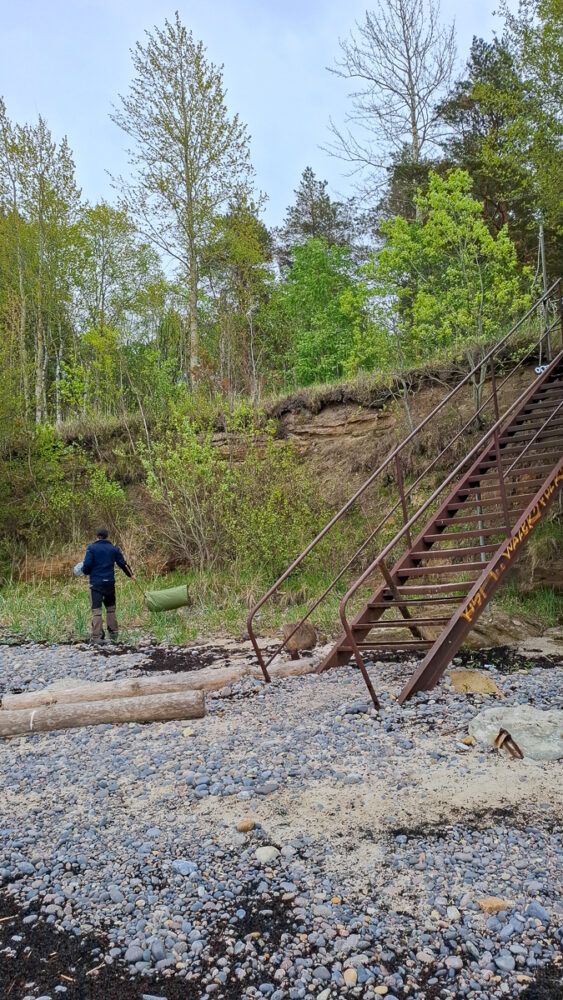
The day began with a visit to Salarand, or "Secret Beach." The name promises a hidden paradise, but the reality was far more visceral. Upon arrival, the team was greeted by a cool, biting wind and a set of rusted, precarious metal stairs that served as the only access to the beach. In a regulatory climate like Finland’s, such a structure would have been condemned long ago, yet here, it served as a gateway to a stark, raw environment.
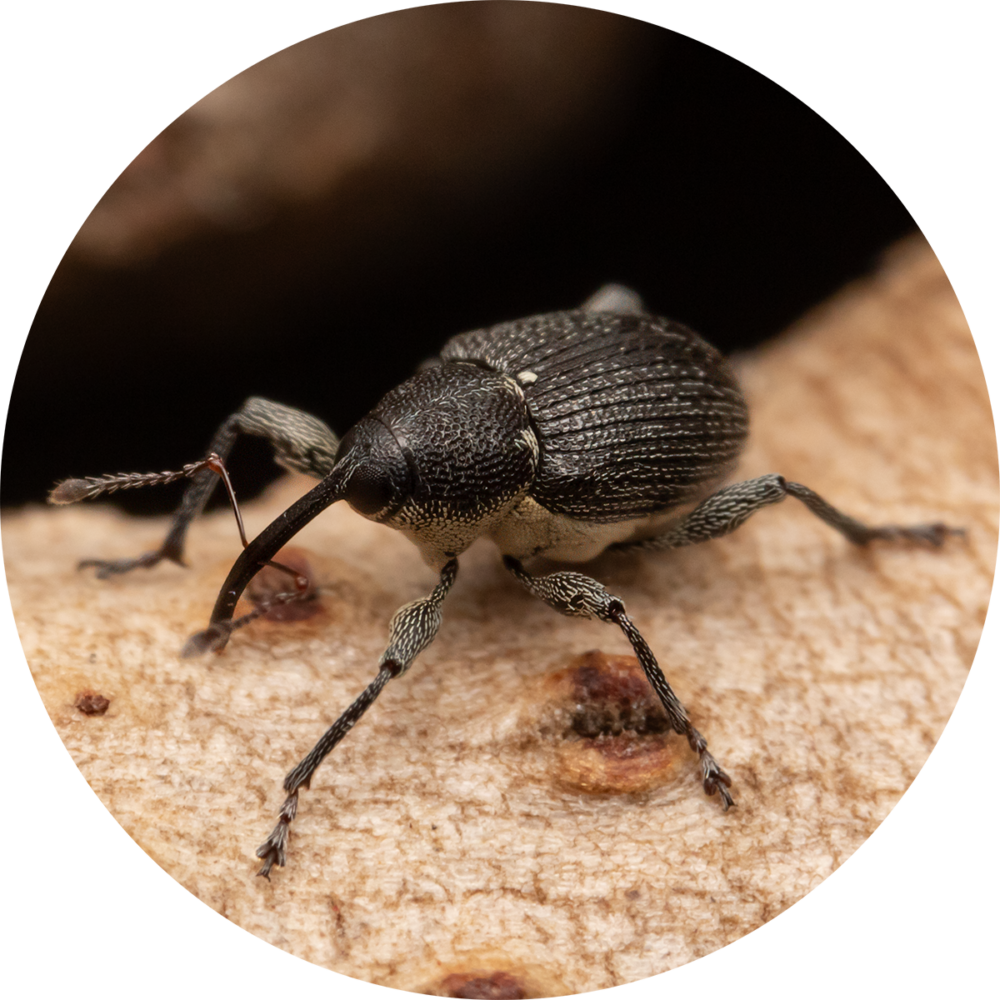
The beach itself was a masterclass in geological harshness. Devoid of lush vegetation, the shore was dominated by massive limestone slabs—many the size of passenger cars—that had recently calved from the cliffs above. The air was heavy with the pungent, unmistakable scent of a failing sewage system, emanating from a nearby drainage stream. Yet, for the entomologist, beauty is often found in the most uninviting corners. While the beach proved disappointing for large-scale biodiversity, the parking area yielded a remarkable find: the Willow Weevil (Archarius salicivorus). Though common in Finland, its diminutive size often renders it invisible to the casual observer. Seen through a macro lens, the beetle revealed a character and complexity that transformed a dreary morning into a successful data-collection event.

Midday: The Treacherous Heights of Türisalu
Moving westward, the team stopped at the Türisalu observation cliff. This site is a popular destination, but it is also a place of profound gravity. There are no safety railings along the sheer, thirty-meter drop to the rocky shore below. The danger here is not merely theoretical; the cliff face is composed of brittle limestone, prone to sudden, unpredictable collapses.
The grim reality of the site was underscored by the presence of small memorials—flowers and children’s toys left at the edge. The site served as a sobering reminder of the fragility of both human life and the geological structures we traverse. From this high vantage point, the team descended toward the Vääna-Jõesuu beach, a site showing far greater promise for biological discovery.
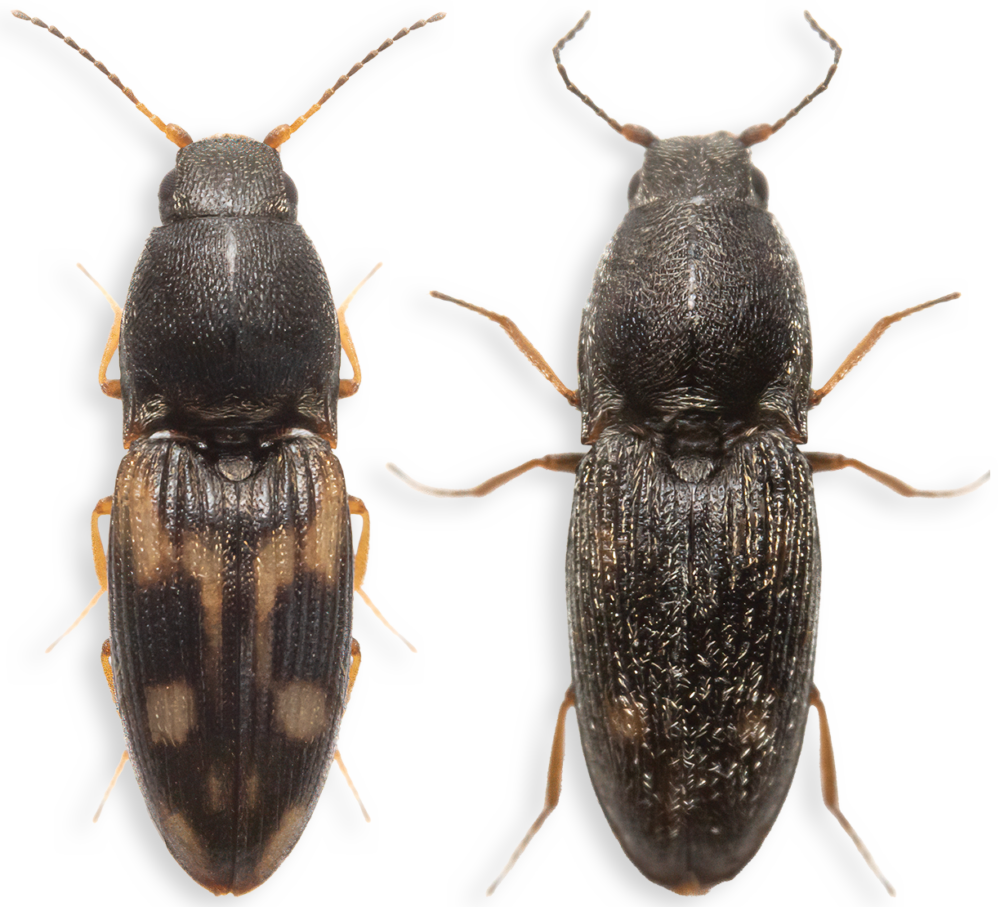
The sand at Vääna-Jõesuu was alive with Negastrius click beetles. These tiny, two-millimeter-long inhabitants are bio-indicators of the highest order, their presence signaling the ecological health of the river deltas and coastal sands. Their identification proved a challenge, as the genus is highly variable in appearance, but their role in the ecosystem is undeniable.
Afternoon: The Giants of the Shore
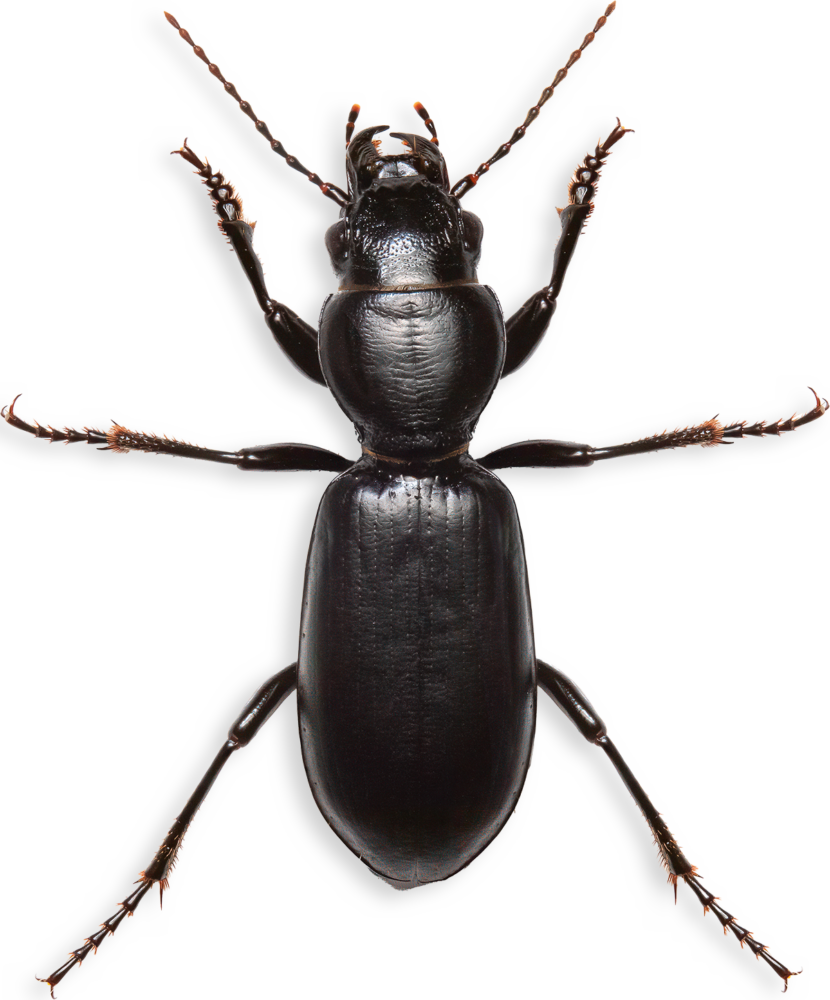
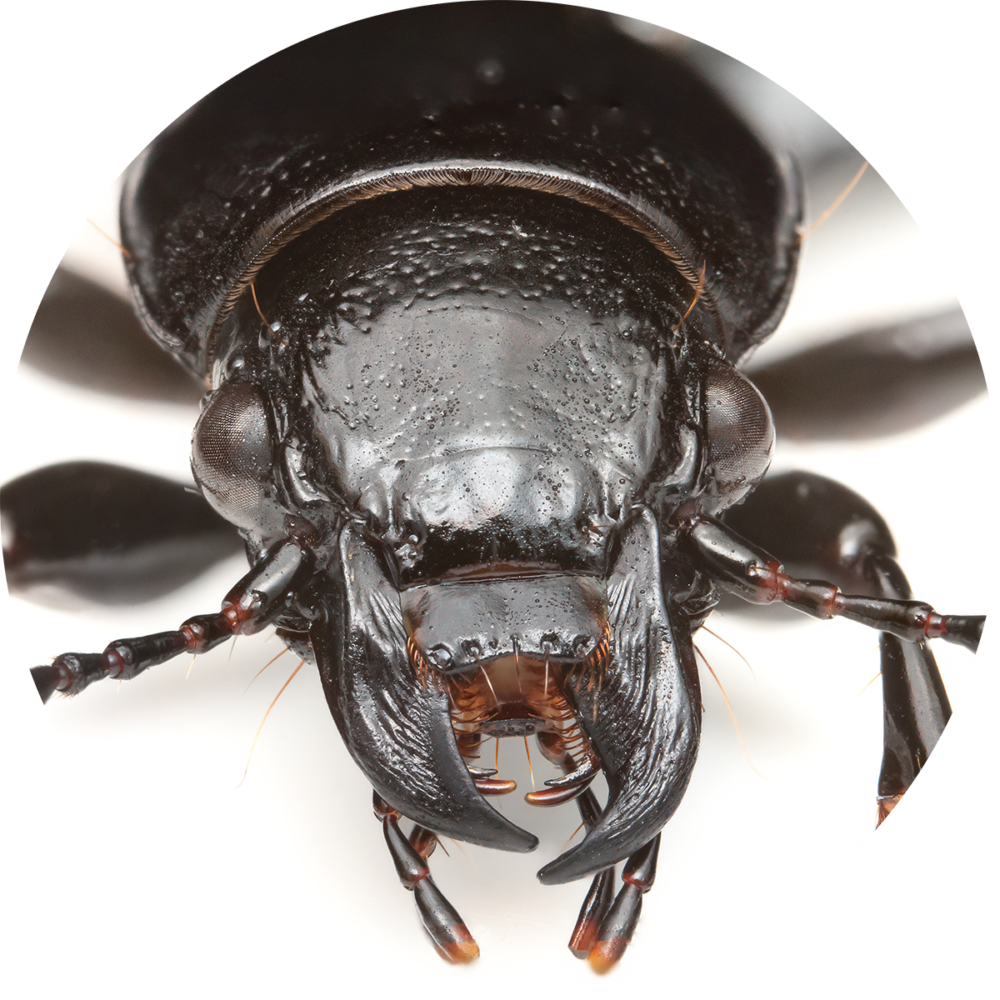
Turning over stones along the shoreline revealed a surprising contrast to the tiny click beetles: Broscus cephalotes, or the Great Ground Beetle. Reaching lengths of over two centimeters, these "giants" are the apex predators of the coastal drift-line. These nocturnal hunters use their powerful mandibles not only to dispatch woodlice and ants but to manipulate their environment, excavating tunnels in the sand. Their digestive process is particularly sophisticated, involving the secretion of enzyme-rich fluids that begin the breakdown of prey before ingestion.
Late Afternoon: Waterfalls and Wind-Swept Meadows
The day concluded with a visit to the Keila Waterfall, a geological wonder where the softer limestone layer is constantly eroded by the force of the water, forcing the waterfall to migrate inland over time. While the site was teeming with tourists, the biological potential was palpable.
The final stop was the Pakri lighthouse, where the team hoped to sample coastal meadows. However, the weather had turned. The biting wind from the Gulf of Finland had driven the insect population into the depths of the vegetation, leaving the hauls sparse.
Supporting Data: The Case of the "Fabled" Woodlouse
One of the most significant taxonomic challenges of the trip occurred when a specimen of a woodlouse was collected from the shoreline. Initially, the identification process hit a wall. Conventional keys were insufficient, leading to a period of confusion.
The breakthrough came through a consultation with woodlouse specialist Matias Oksanen. The specimen in question was Armadillidium zenckeri, a species described colloquially as a "fabled creature of the surf." It is a highly specialized inhabitant of low-lying marshes and coastal wetlands. The realization that the specimen had been misidentified in the past—even by experienced eyes—highlights the importance of regional collaboration and the use of modern databases like iNaturalist in confirming the presence of rare, specialized fauna.
Implications: Ecological Health and Biodiversity
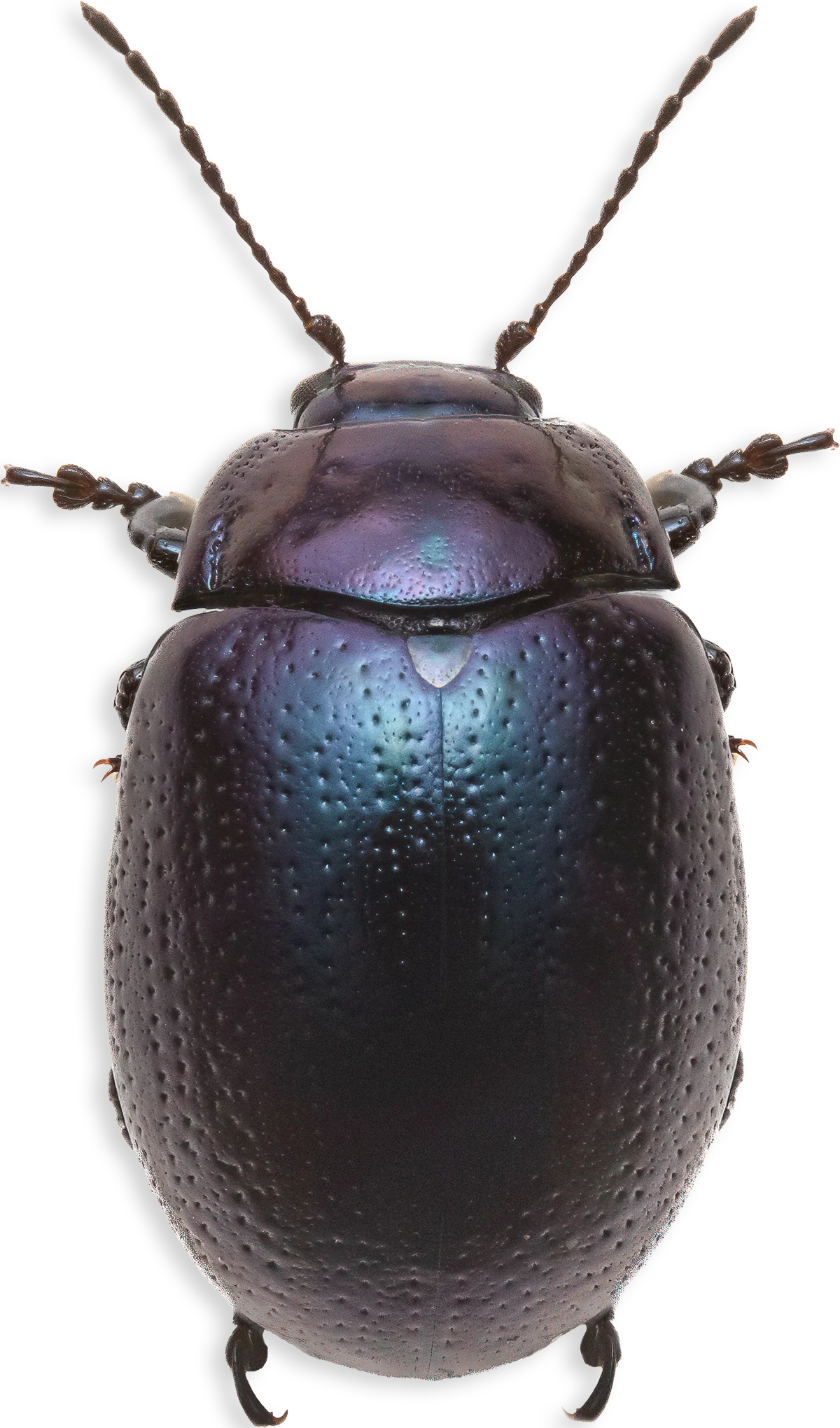
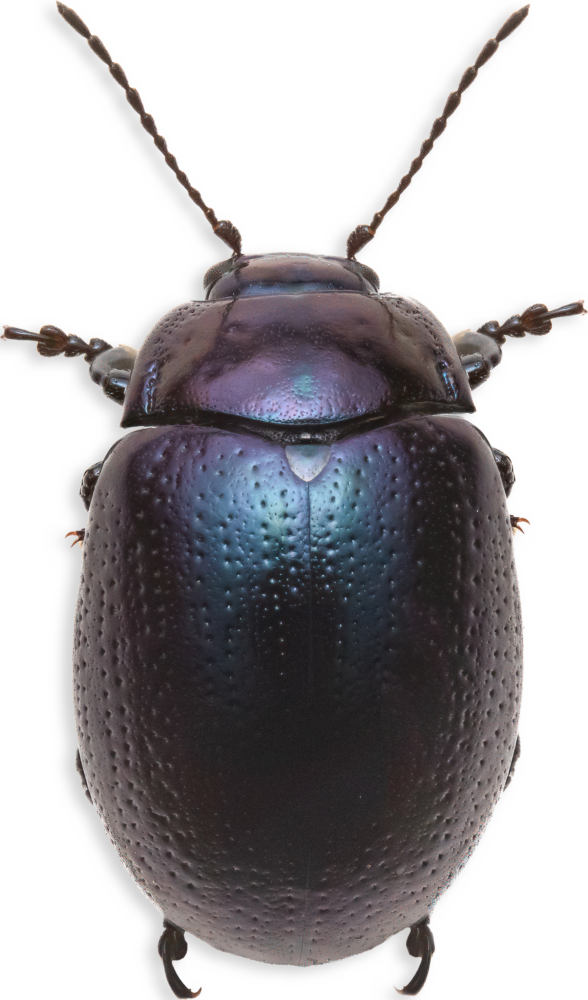
The findings from this expedition underscore the vital importance of the Baltic coastal zone as a corridor for biodiversity. The presence of Chrysolina geminata, a blue-sheened leaf beetle now spreading into the region, offers a fascinating case study in historical ecology. Originally introduced to California in the mid-20th century to control toxic weeds on rangelands—a landmark success in biological control—its migration into the Baltic region provides researchers with new opportunities to study adaptation and range expansion in the face of changing climates.
The "industrial" look of sites like the Keila waterfall and the crumbling cliffs of Pakri often masks the fact that these areas are fragile ecosystems. The erosion of the limestone, while a natural geological process, is accelerated by human foot traffic and climate volatility, which in turn impacts the micro-habitats of the insects that depend on these rock crevices.
Official Responses and Conservation Perspectives
While there is no formal government "response" to a scientific excursion, the local management of these sites reflects a tension between tourism and conservation. The lack of infrastructure at sites like Salarand is a double-edged sword: it prevents mass tourism from trampling the sensitive shoreline, yet it also risks human safety and environmental degradation from unregulated waste.
Conservationists in Estonia continue to advocate for a more nuanced management plan for these coastal regions. The goal is to balance the public’s desire to access these "secret" spots with the need to protect the rare, specialized insects that call these limestone cliffs home. The observations made by the Finnish Entomological Society contribute to the growing body of citizen science data, which is essential for lobbying for protected status in areas that are currently vulnerable to development or neglect.
Conclusion: The Road Ahead
As the expedition concluded its second day, the mood was one of cautious optimism. While the cold weather had limited the breadth of the catch, the depth of the observations—particularly the discovery of rare, specialized species like A. zenckeri—far exceeded initial expectations.
The team looks forward to the remainder of the trip, with weather forecasts promising warmer conditions. For the insect enthusiast, the Estonian coast remains a frontier of discovery, a place where the map is still being drawn, one tiny, six-legged inhabitant at a time. Through careful documentation and continued international cooperation, these "secret beaches" and "synkkiä kielekkeitä" (gloomy cliffs) will continue to yield secrets that inform our understanding of the natural world.