Pulling a heavy-hitting game fish from the water while balanced on a kayak is one of the most exhilarating experiences an angler can have. The adrenaline surge, the technical challenge of the fight, and the eventual triumph are what keep us tethered to the sport. However, as any veteran of the kayak fishing circuit will attest, not every battle is destined for the dinner table.
Years spent navigating diverse waterways have taught me a hard, often pungent lesson: some fish are simply better off back in the drink. Whether it is due to an unpalatable, silt-heavy flavor profile, an anatomy packed with more "Y-bones" than meat, or legitimate health risks involving mercury and toxins, the ability to discern which fish to harvest and which to release is a hallmark of an expert angler.
The Triad of Avoidance: Why Some Fish Get a Bad Rap
Generally, the species that fall into the "avoid" category can be categorized into three distinct camps. First, there are the "mudsuckers," primarily freshwater species that dwell in stagnant or silty environments. Second, we have the high-oil, high-mercury saltwater predators that often possess a chemical or metallic aftertaste. Finally, there are the so-called "trash fish"—species that are so labor-intensive to clean that the culinary reward rarely justifies the effort.
From the ubiquitous common carp to the high-mercury king mackerel, understanding the biological and environmental reasons behind these fish’s reputations is essential for both your health and your palate.
Quick Ranking: The Worst-Tasting Fish Anglers Complain About
| Rank | Fish | Main Taste Issue | Safety Worry | Our Verdict |
|---|---|---|---|---|
| 1 | Common Carp | Muddy, Bony | Local Contaminants | Keep from clean water only |
| 2 | Bowfin | Mushy texture | Handling Risks | Eat fresh or release |
| 3 | Gizzard Shad | Oily, Bony | Rare Table Fish | Use as bait |
| 4 | Large Bluefish | Strong/Fishy | Mercury/PCBs | Bleed, ice, trim dark meat |
| 5 | Jack Crevalle | Metallic/Bloody | Handling Hazards | Keep only small fish |
| 6 | Bigmouth Buffalo | Coarse/Muddy | Advisory Waters | Smoke or grind |
| 7 | Freshwater Drum | Divisive taste | Mercury advisories | Check local rules |
| 8 | Large Black Drum | Wormy/Coarse | Parasites | Keep "puppy" drum only |
| 9 | Gar Roe | Edible flesh | Roe Toxicity | NEVER eat gar eggs |
| 10 | Barracuda | Variable flavor | Ciguatera | Avoid in reef zones |
| 11 | Shark | Ammonia-like | Mercury/Spoilage | Usually skip |
| 12 | King Mackerel | Strong flavor | High Mercury | Avoid large specimens |
Official Guidelines and Health Implications
While flavor is largely subjective, safety is an objective reality. Federal agencies such as the FDA and EPA provide rigorous data regarding the consumption of wild-caught fish. These agencies maintain a "Choice to Avoid" list, which includes major predators such as king mackerel, marlin, shark, and swordfish.
Because these species occupy the top of the marine food chain, they accumulate higher concentrations of methylmercury through a process known as biomagnification. For the kayak angler, who often fishes in shallower, near-shore environments or specific freshwater basins, it is imperative to cross-reference your catch with local fish consumption advisories. A fish perfectly safe in a clean, running river may be subject to a strict consumption ban in an industrial or urban lake due to localized chemical runoff.
The Science of "Off" Flavors
When a fish tastes "off," it is rarely a coincidence. The classic "muddy" flavor often associated with bottom feeders is caused by geosmin, a naturally occurring organic compound produced by specific types of algae and bacteria. Research from the Technical University of Denmark (DTU Food) indicates that while geosmin is not harmful to human health, it is highly sensitive to the human palate, effectively ruining the culinary experience of a fillet even in trace amounts.
Furthermore, how a fish is handled immediately upon capture significantly dictates the final flavor profile. Improper bleeding, slow cooling, and poor gutting technique all contribute to the degradation of flesh quality, leading to the "fishy" taste that many associate with poor-quality seafood.
Deep Dive: Species Profiles and Handling Challenges
1. Common Carp: The Environmental Sponge
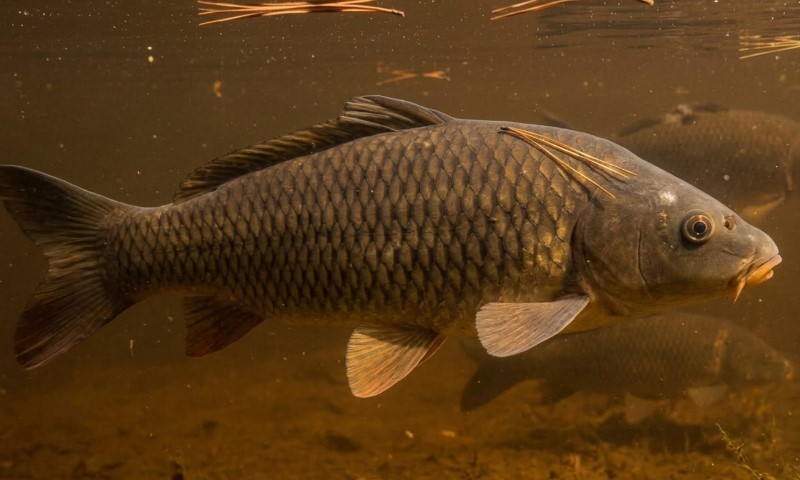
Carp are the ultimate environmental reflectors. As bottom feeders, they soak up the chemical signatures of their surroundings. In stagnant, warm ponds, they taste like the sediment they sift through. From a kayaking perspective, they are a logistical nightmare; they secrete a thick, stubborn mucus that coats your seat, pedals, and electronics. Unless you are specifically targeting them for smoking or grinding into fish cakes, they are best left in the water.
2. Bowfin: The Prehistoric Variable
Bowfin possess unique enzymes that break down muscle fibers rapidly upon death. If not immediately iced, the flesh turns into a texture often described as "cotton-like" or mushy. Furthermore, they are aggressive, prehistoric fighters. Managing a thrashing bowfin in a confined kayak cockpit presents a genuine risk of injury from their teeth, which can easily puncture gear or skin.
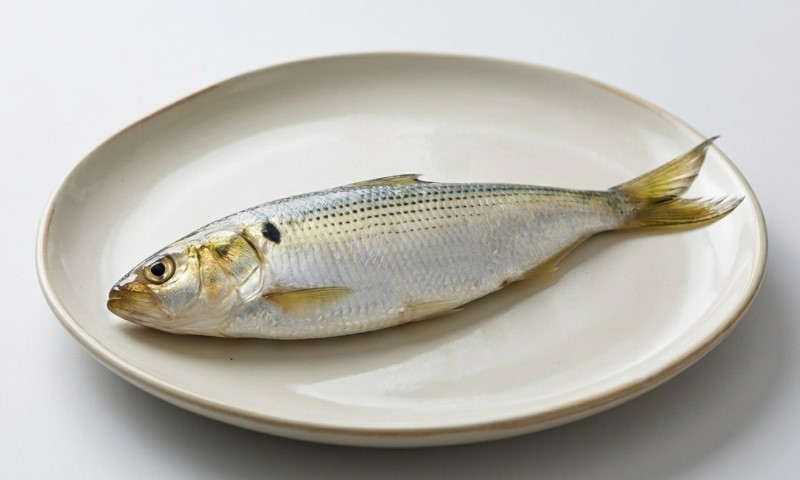
3. Gizzard Shad: The Bait-Only Standard
Often viewed as the "fast food" of the aquatic ecosystem, gizzard shad are high-value forage for trophy species but poor table fare for humans. They are riddled with tiny, intramuscular bones and possess a high oil content that turns rancid in record time. For the kayak angler, they are notorious for shedding scales that stick to gear like glitter, proving to be more of a nuisance than a meal.
4. Large Bluefish: A Culinary "Crime Scene"
Bluefish are aggressive fighters, but their high oil content requires immediate attention. To make them palatable, they must be bled instantly and the dark "blood line" must be removed. In a kayak, performing this task often results in a messy deck that attracts flies and odors. If you are not equipped to sanitize your craft immediately, these fish are better released.
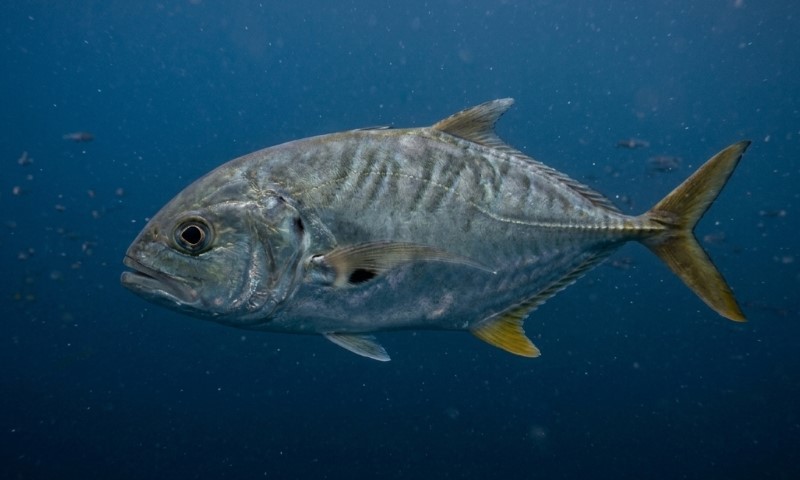
5. Jack Crevalle: The Metallic Challenge
While they are pound-for-pound some of the strongest fighters, Jack Crevalle possess dark, bloody, and metallic-tasting meat. Most experienced anglers adopt an "under 5 lbs" rule. If you must keep one, be prepared to use heavy citrus and bold spices to mask the strong, gamey flavor.
6. Bigmouth Buffalo: The "Rough Fish" Revolution
Often misidentified as carp, these native North American fish are seeing a resurgence in popularity. However, their thick, armor-like scales and sturdy bone structure require industrial-grade tools to process. In the confined space of a kayak, the effort required to clean them is often prohibitive.
7. Freshwater Drum: The Bouncy Dilemma
Drum are divisive; some appreciate the firmness, while others find the texture rubbery. Their habit of "grunting" when caught is a fun novelty, but they are frequently subject to local mercury advisories. If you choose to keep them, ensure you are not fishing in an area designated as a high-risk zone for pollutants.
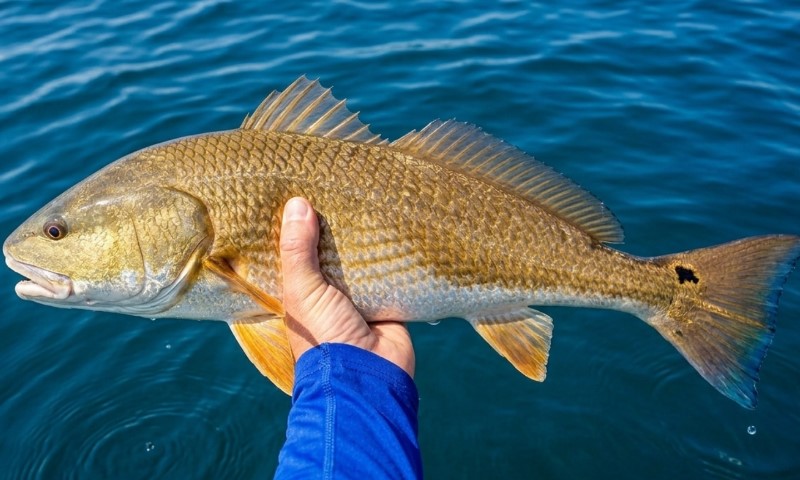
8. Large Black Drum: The Parasite Concern
While "puppy drum" (juveniles) are excellent, large, mature black drum are often coarse and frequently host spaghetti worms. While these parasites are technically harmless when cooked, the visual aspect is enough to deter most. Furthermore, hoisting a 40-pound fish onto a kayak is a recipe for a capsize.
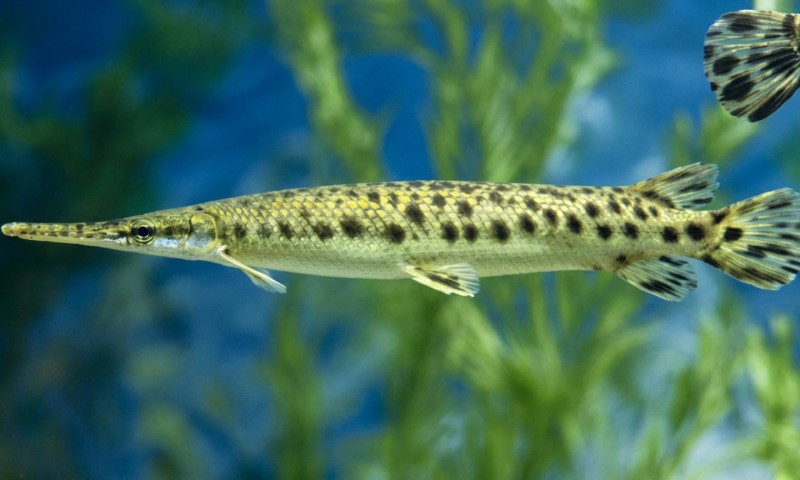
9. Gar: The Toxic Trap
The meat of a gar is surprisingly firm and white, but the roe is strictly toxic. Discarding the eggs without cross-contaminating the flesh requires surgical precision. Given that gar possess scales that function like chainmail, the risk of injury while trying to secure the fish on a small boat is significant.
10. Barracuda: The Ciguatera Gamble
Barracuda are high-risk predators. They are the primary vectors for Ciguatera, a heat-stable toxin that cannot be neutralized by cooking. Because of the danger this toxin poses to the human nervous system, most veteran anglers treat barracuda strictly as a catch-and-release sport fish.
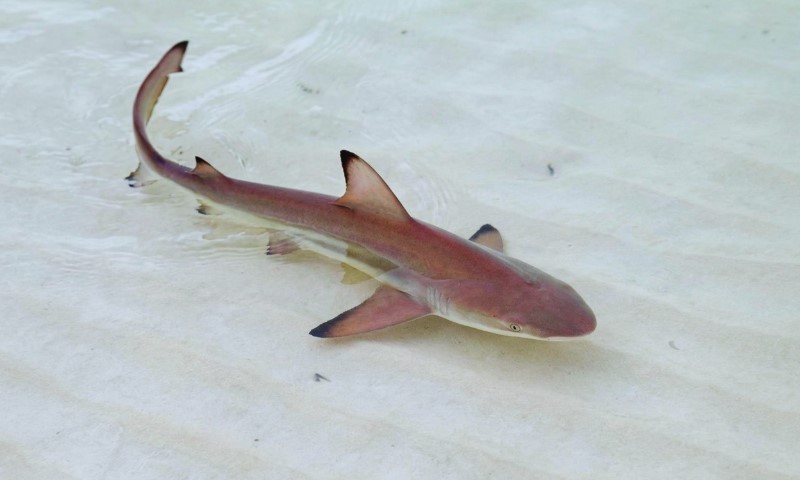
11. Shark: The Ammonia Issue
Sharks excrete urea through their skin, leading to a potent ammonia flavor if not handled with expert care. Given their slow growth rates and the difficulty of landing them safely from a kayak, they are best left as part of the marine ecosystem.
12. Pelagic Giants (King Mackerel, Marlin, Swordfish)
These fish are prone to scombroid poisoning if not chilled immediately. Maintaining the temperature required to keep these fish safe requires massive amounts of ice and storage space—items that significantly compromise the stability and buoyancy of a kayak.
The Bottom Line: Stewardship and Ethics
Being a great angler is not just about the weight of your catch; it is about respecting the resource. Ethical angling requires an understanding of the impact your choices have on the local ecosystem. If you are not prepared to handle a "difficult" fish with the proper ice, tools, and cleaning time it requires, the most ethical choice is to release it.
There is no shame in a successful, catch-and-release day. Our small watercraft allow us an intimate connection with the environment that larger vessels lack. Use that connection to foster stewardship. Stick to the tried-and-true species for your table, and leave the "oddballs" for the next generation of paddlers to enjoy. After all, the best stories are often about the fish that swam away to fight another day.