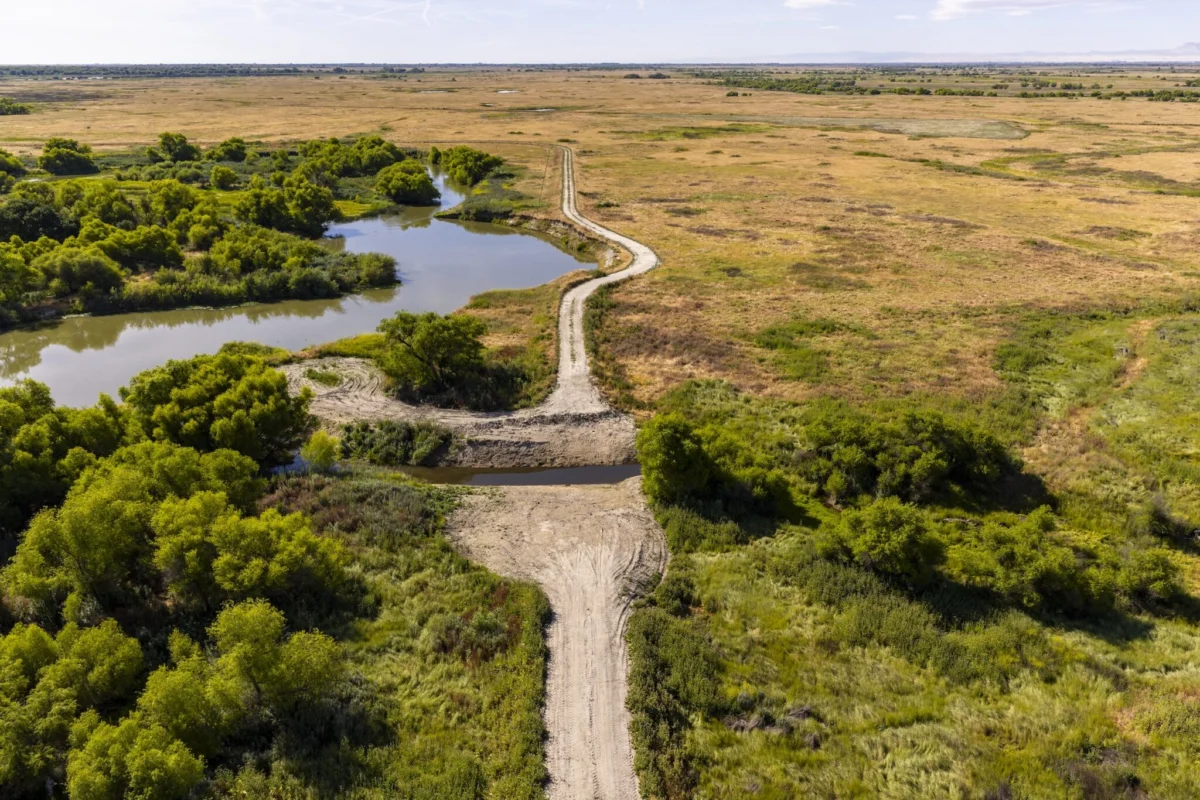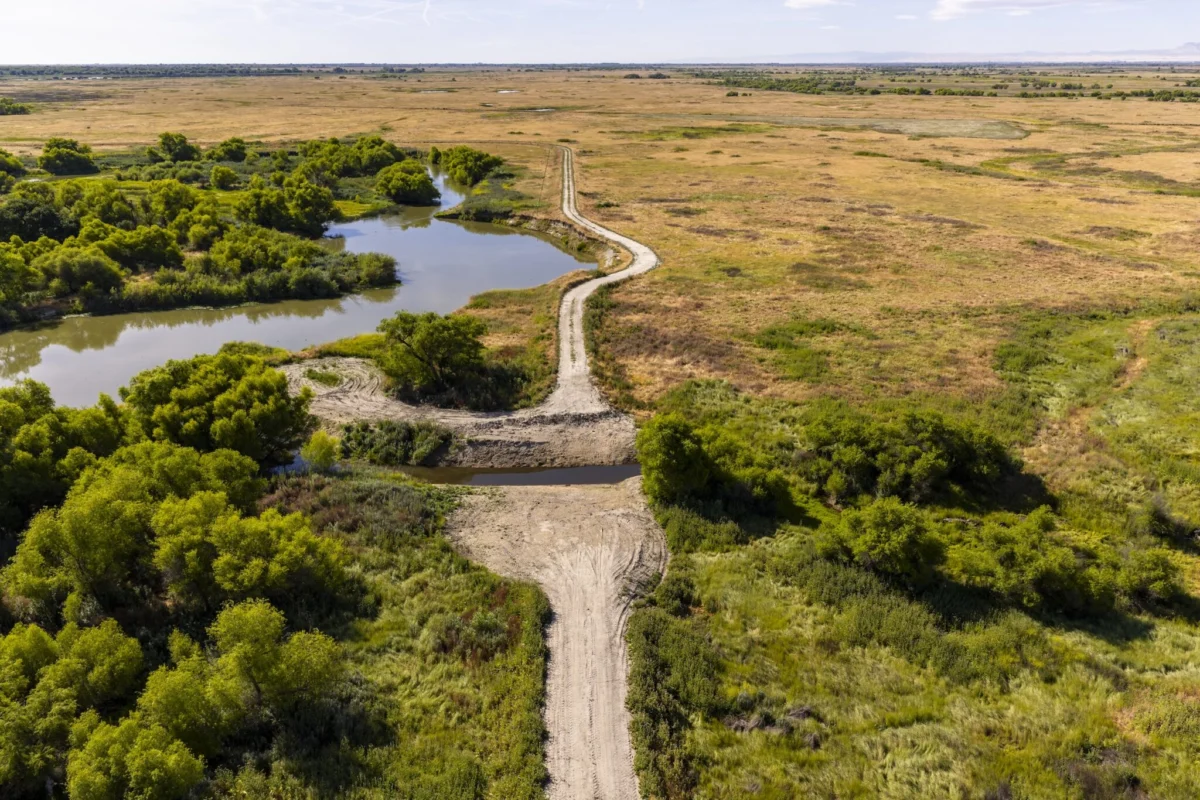
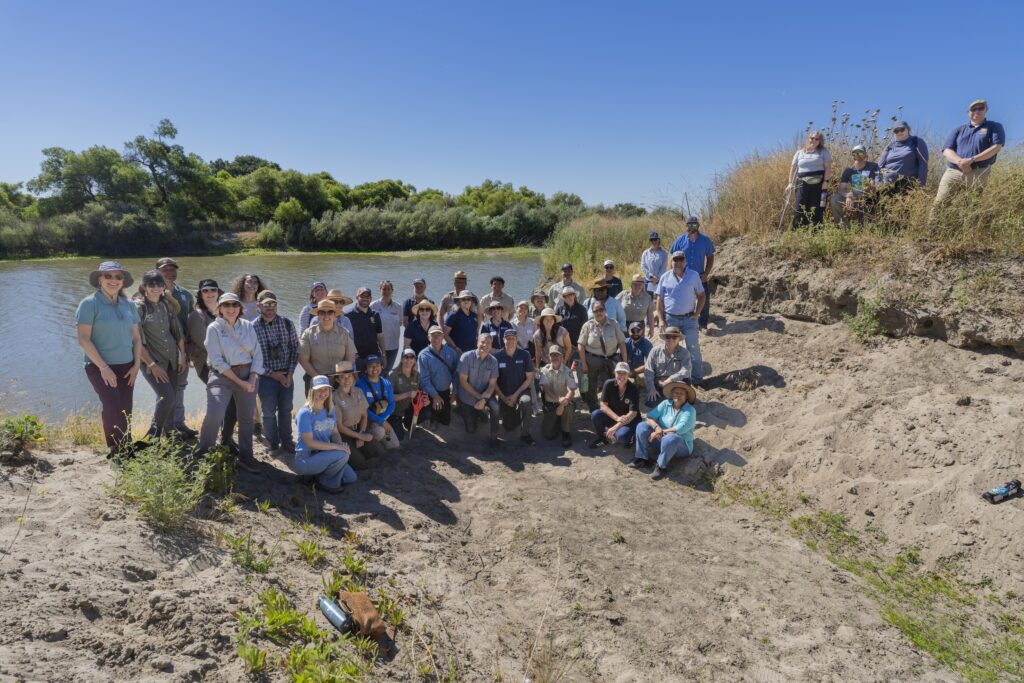
On the morning of June 11, 2026, the early light over Great Valley Grasslands State Park illuminated a scene of historic transformation. Scientists, Tribal leaders, state officials, and community members gathered near Merced, California, to celebrate a milestone two decades in the making: the official reconnection of the San Joaquin River with more than 220 acres of its historic floodplain. The atmosphere was one of profound relief and triumph, marking the completion of the Grasslands Floodplain Restoration Project—a critical endeavor that serves as a blueprint for ecological resilience in the face of a changing climate.
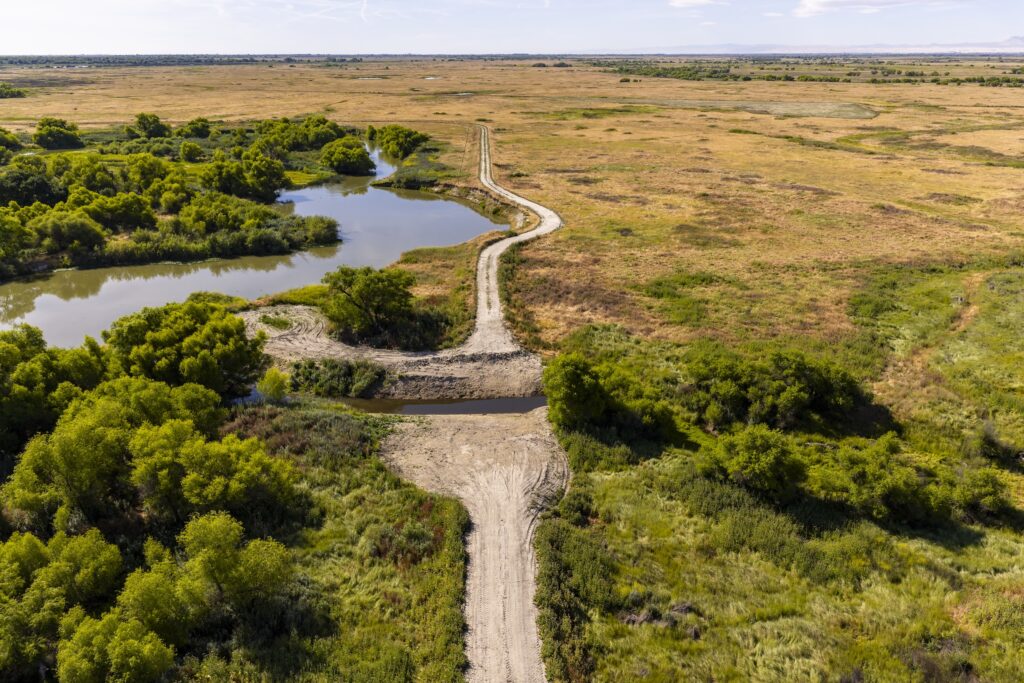
This project, finalized in February 2026, represents one of the most ambitious and significant restoration efforts in the history of California’s San Joaquin Valley. By breaching long-dormant levees, the project has restored the natural ebb and flow of the river, effectively "rewilding" a landscape that had been sequestered from its lifeblood for over 75 years.
The Chronology of a Restoration Relay
The path to this moment was anything but linear. As Dr. Ann Willis, California Regional Director for American Rivers, noted during the ceremony, ecological restoration of this magnitude is not a sprint or a marathon—it is a relay.
The story began over 15 years ago when American Rivers, in collaboration with the California Department of Parks and Recreation, River Partners, and Flow West, identified a rare opportunity within the 2,826-acre Great Valley Grasslands State Park. The land, donated in 1982 by dairy mogul Joseph Gallo with the express intent of preservation, was a paradox: a vast, protected space that remained largely inaccessible and ecologically stifled by a network of 1950s-era cattle-containment levees.
Key Milestones:
- 1982: Joseph Gallo donates thousands of acres to the U.S. Fish and Wildlife Service and the State of California, establishing the foundation for the current park.
- Early 2010s: American Rivers and partners identify the potential to reconnect the San Joaquin River to the park’s floodplains to combat invasive species and restore habitat.
- Mid-2010s: Securing funding through Propositions 1 and 68 (via the California Department of Fish and Wildlife) and the Cannabis Watershed Protection Program begins the long, arduous process of permitting.
- 2020–2025: Construction faces repeated delays due to complex environmental permitting and the reality of working in a volatile, flood-prone landscape. Seasonal weather events frequently halt progress, requiring engineering teams to adapt to the river’s own schedule.
- February 2026: Project construction reaches its final completion.
- June 11, 2026: The official ribbon-cutting ceremony marks the formal opening of the river to its floodplain.
Supporting Data: The Science of Survival
The ecological significance of this project is rooted in the "floodplain pulse." Historically, the San Joaquin River interacted with its surroundings to create a mosaic of wetlands and grasslands. Decades of levee construction forced the river into a confined channel, accelerating water flow and stripping the environment of its ability to support biodiversity.
Biodiversity and Habitat Recovery
The restoration aims to reverse this degradation through several measurable metrics:
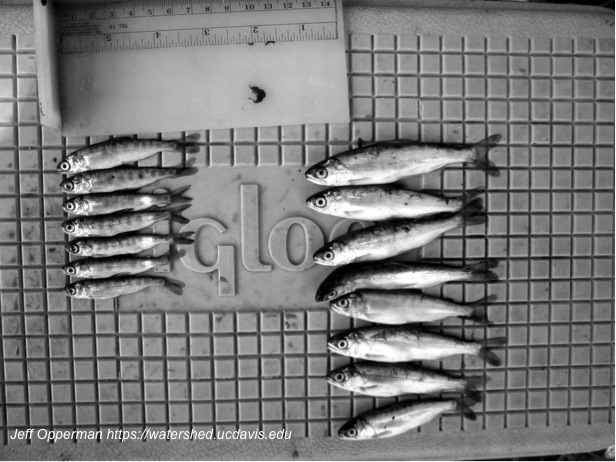
- Chinook Salmon Recovery: Juvenile Chinook salmon are the primary beneficiaries of this reconnection. Floodplains provide slower-moving, nutrient-rich water where salmon can feed on zooplankton—microscopic organisms that act as a "superfood" for developing fish. By providing these nursery habitats, the project significantly increases the survival rate of salmon as they navigate their arduous journey to the ocean.
- Vernal Pool Creation: The seasonal flooding will create ephemeral vernal pools, which are essential for native amphibians, reptiles, and invertebrates that depend on these fleeting, nutrient-dense habitats to complete their life cycles.
- Invasive Species Suppression: Invasive exotic plants, which have dominated the landscape due to decades of drier, levee-controlled conditions, are expected to be suppressed by the return of natural inundation patterns. Native grasses and wetland vegetation, which evolved alongside the river’s historical flood cycles, are expected to reclaim the territory.
Groundwater Recharge
Beyond the surface-level benefits, the project addresses the existential crisis of groundwater depletion in the Central Valley. By allowing water to spread across 220 acres rather than racing through a deep channel, the project facilitates significant groundwater recharge. This serves as a vital tool for regional water security, a priority emphasized by project partners like Cox Enterprises, which has invested in the restoration as part of its corporate commitment to regional water replenishment.
Official Responses and Tribal Stewardship
The celebration on June 11 was marked by a diverse coalition of speakers who reflected on the importance of the land. Kathy Perez, Chairperson of the Northern Valley Yokut Ohlone Tribe, underscored the spiritual and historical connection of her people to this region. The involvement of Tribal leadership ensured that the restoration was not merely a technical engineering task, but a respectful acknowledgement of the land’s original stewards.
California Natural Resources Secretary Wade Crowfoot and CA State Parks Director Armando Quintero both highlighted the importance of inter-agency cooperation. The project was one of five spotlight events held across the state during California State Parks Week, symbolizing the state’s renewed commitment to environmental infrastructure.
"We are passing the baton," Dr. Ann Willis stated during her keynote. "The partners that worked to restore this landscape are now entrusting the next generation to act as stewards of this river."
Implications for the Future of California’s Central Valley
The Great Valley Grasslands project is not an isolated success; it is a catalyst for a broader shift in how California manages its interior landscapes. For decades, the Central Valley has been criticized as "park-poor," with the vast majority of California’s recreational assets concentrated along the coast or in the Sierra Nevada mountains.
The "State Parks Forward" Initiative
The momentum generated by this project is fueling a new state-wide mandate. In April 2026, Governor Gavin Newsom announced the "State Parks Forward" initiative, which aims to aggressively expand the park system in the Central Valley. This includes:
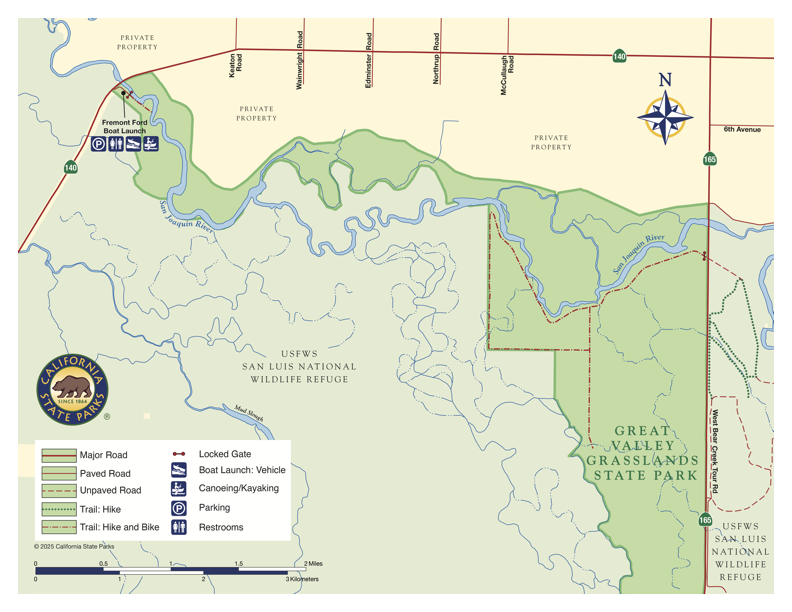
- Development of Public Access: California State Parks is currently gathering public input for a new General Plan at Great Valley Grasslands. The goal is to finally allow the public to visit, hike, and experience the river in a way that was previously impossible.
- Expanding the Footprint: State Parks and American Rivers have already initiated a follow-up project to restore an additional 1,000 acres north of the current site, funded by the Wildlife Conservation Board.
- New Regional Parks: The initiative includes the development of the 874-acre San Joaquin River Parkway in Fresno, signaling a permanent move toward prioritizing river-based recreation in the valley.
A New Model for Resilience
As climate change increases the frequency of extreme weather, the ability of landscapes to absorb floodwaters is no longer just an ecological luxury—it is a public safety imperative. The Great Valley Grasslands project serves as a "living laboratory." By monitoring groundwater levels, zooplankton density, and the return of native species, researchers hope to create a replicable model that can be scaled across the San Joaquin River and beyond.
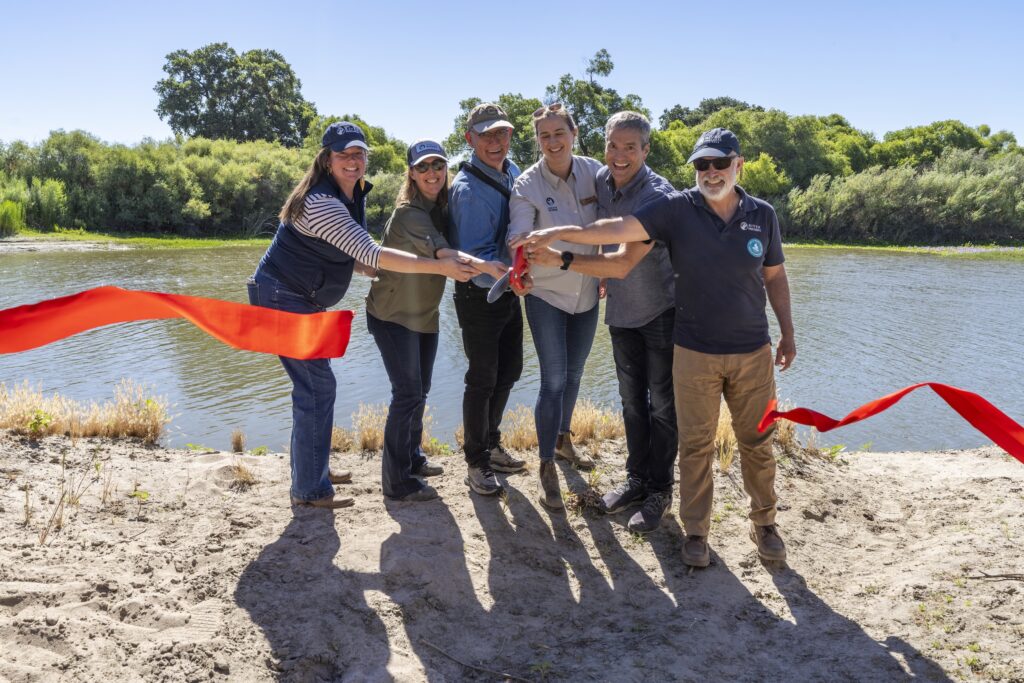
The sight of the red ribbon being cut at the levee notch was more than a ceremonial gesture. It was a symbolic bridge between the valley’s industrial, agricultural past and a more sustainable, biodiverse future. The San Joaquin River has, at long last, been invited back onto its floodplains. As the water begins to carve its natural path, the grasslands of the Central Valley are, for the first time in nearly a century, beginning to heal. For the communities, Tribes, and wildlife that have long waited for this day, the return of the river is the beginning of a new chapter in California’s environmental history.