By Michael Sertle | August 26, 2026
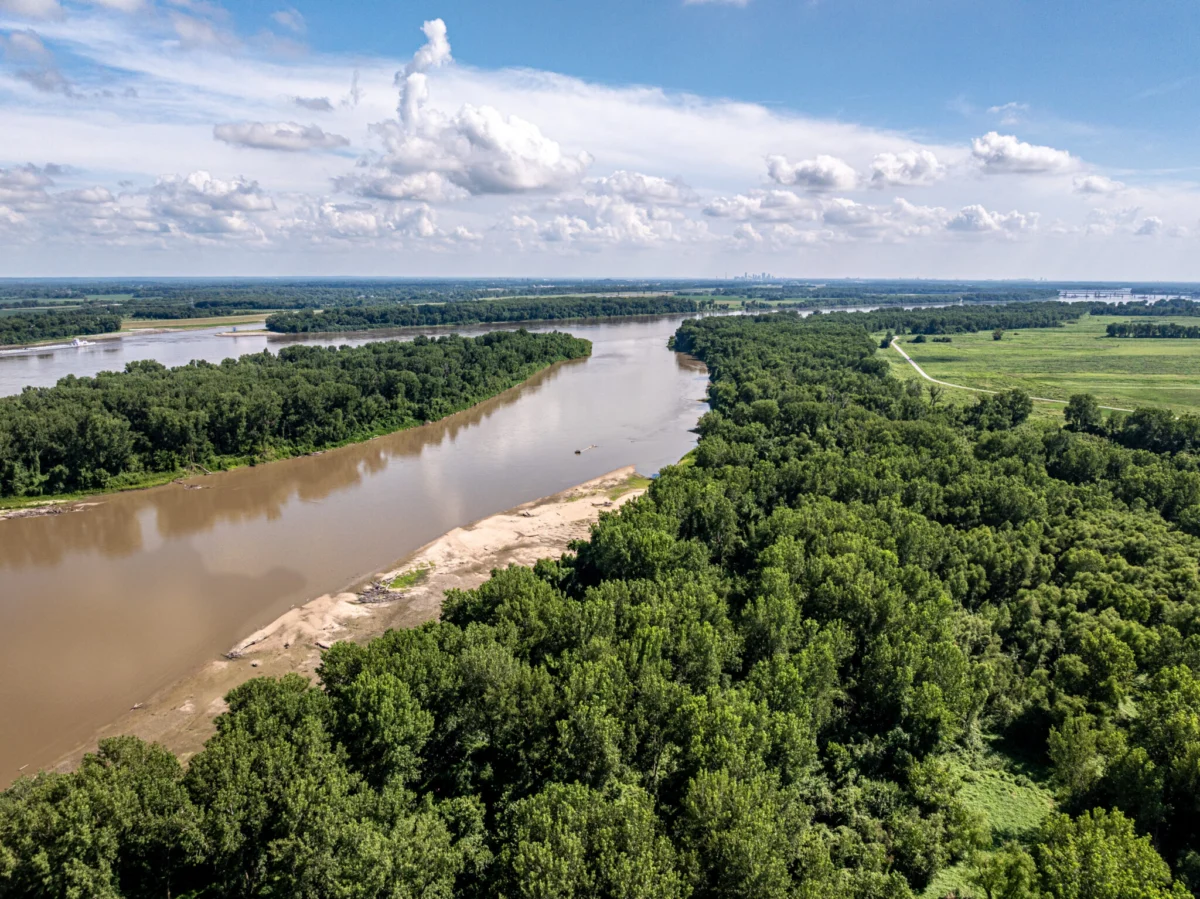
From its humble, crystalline origins as a single snowflake melting in the craggy peaks of Montana’s Rocky Mountains to its final, tumultuous confluence with the Mississippi River in St. Louis, the Missouri River—affectionately and historically known as the "Big Muddy"—is a defining artery of the North American continent. For centuries, this river has served as a lifeblood for the communities along its banks, yet its journey through history has been marked by profound transformation, conflict, and a persistent struggle for ecological equilibrium.
As we move deeper into the 21st century, the Missouri River faces an existential crossroads. While it has powered the growth of the United States, its health has been compromised by decades of industrialization, damming, and agricultural development. Today, a coalition of conservationists, policymakers, and tribal leaders are working to ensure that this storied waterway is not merely a relic of westward expansion, but a thriving, functional ecosystem for generations to come.
A Historical Chronology: From Wild Waters to Managed Engineering
The story of the Missouri is inseparable from the history of the American West. Long before the arrival of European explorers, the river was the center of life for twenty-nine Tribal Nations, who held—and continue to hold—vital cultural, economic, and water rights. For these communities, the river was not merely a resource; it was a relative, a source of spiritual guidance, and a provider of sustenance.
The early 19th century brought the Lewis and Clark "Corps of Discovery," an expedition that utilized the Missouri as a highway to the Pacific. This voyage marked the beginning of a new era for the United States, signaling a period of rapid exploration and eventual settlement. However, the true metamorphosis of the river occurred in the 20th century.
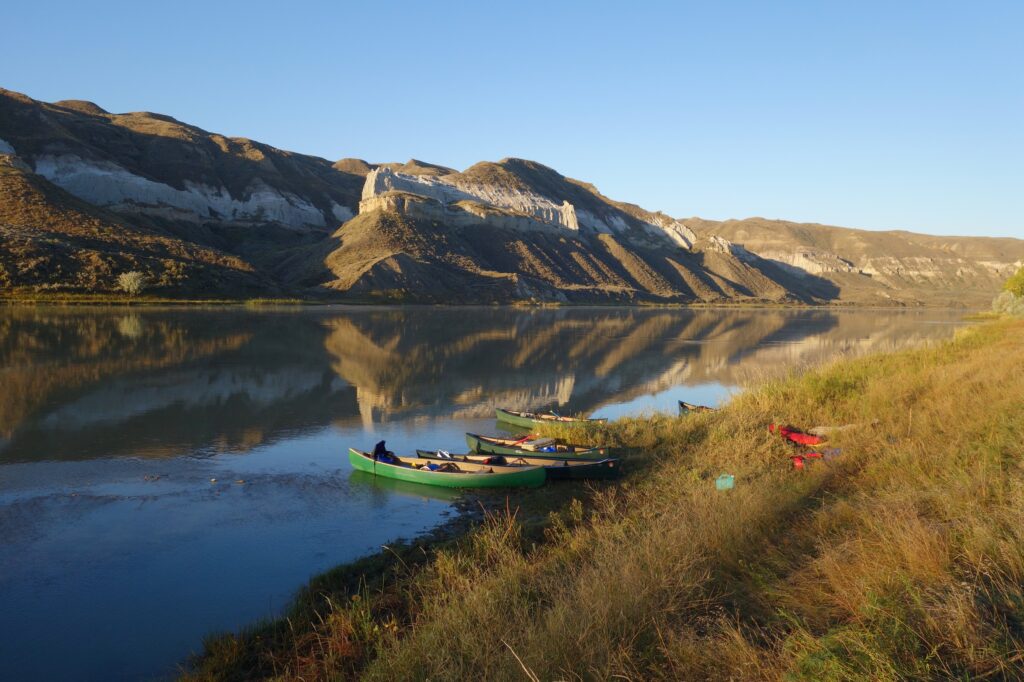
The Pick-Sloan Flood Control Act of 1944 stands as the most significant turning point in the river’s history. In an effort to tame the "Big Muddy," the federal government initiated a massive engineering project, constructing a series of gargantuan dams, reservoirs, and thousands of miles of levees. The objectives were clear: flood control, the promotion of large-scale commercial navigation, the expansion of farm irrigation, and the generation of hydropower. While these projects brought undeniable economic stability to the region, they fundamentally severed the river from its floodplain, altered its natural flow patterns, and effectively silenced its wild character.
The Ecological Toll: A Crisis of Connectivity
The physical constriction of the Missouri River created a cascade of environmental failures. By silencing the seasonal flood pulses that once shaped the riverbed, the engineering projects decimated the natural sandbars and wetlands that native species required to survive.
American Rivers, recognizing the unfolding tragedy, became one of the first major organizations to sound the alarm. We spearheaded efforts to secure endangered species listings for the pallid sturgeon, the piping plover, and the interior least tern. These species were the "canaries in the coal mine," signaling that the river’s hydrology was failing.
The subsequent Congressional creation of the U.S. Army Corps of Engineers’ (USACE) Missouri River Recovery Program (MRRP) was a direct result of these advocacy efforts. The program was designed to mitigate the damage wrought by the Pick-Sloan era, focusing on:
- Habitat Restoration: Reconstructing the side channels and sandbars essential for fish and bird breeding.
- Flow Modification: Adjusting dam releases to mimic natural, seasonal water levels.
- Floodplain Reconnection: Buying back flood-prone land to allow the river room to breathe during high-water events.
Current Data and Progress: The Long Road Ahead
While progress has been made, the metrics of recovery reveal a sobering reality. A notable success is the delisting of the interior least tern, a testament to what focused, science-based intervention can achieve. Furthermore, the slow but steady progress in levee-setbacks—which allow the river to reconnect with its floodplain—has begun to provide some relief to the ecosystem.
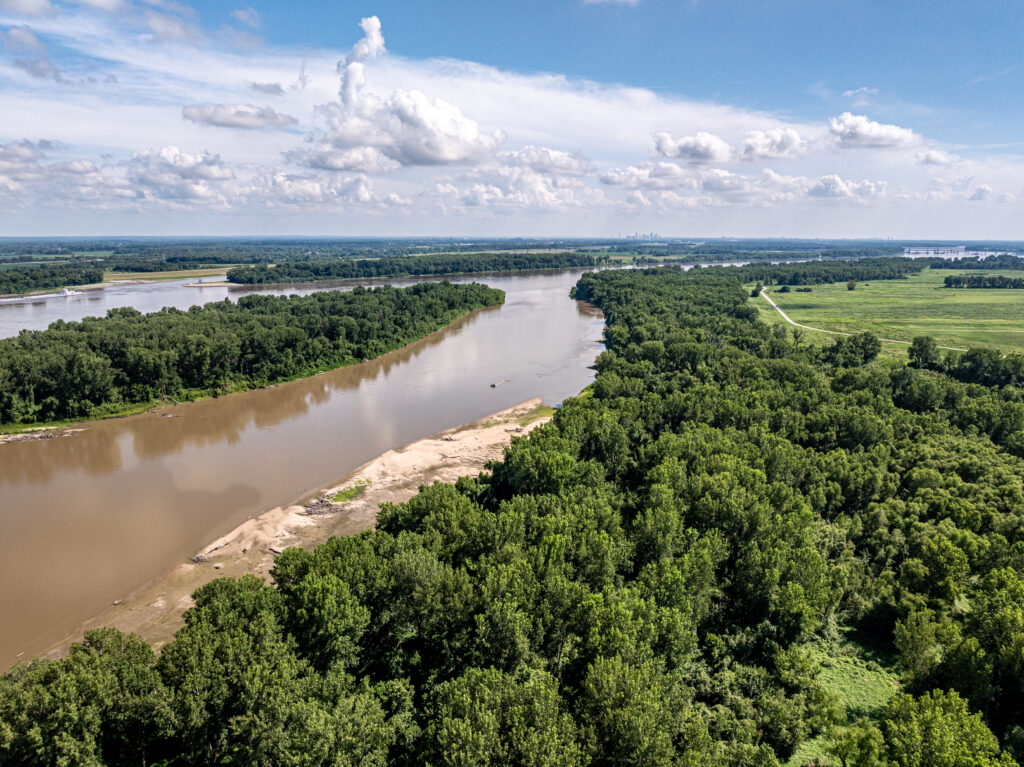
However, the scale of the challenge remains immense. The Bank Stabilization and Navigation Project (BSNP) initially aimed for the acquisition and restoration of 166,750 acres of Missouri River floodplains. As of late 2026, we are only halfway toward reaching this critical milestone. The restoration of these acres is not just about wildlife; it is about human safety. By allowing the river to flood into managed, restored areas, we reduce the pressure on downstream levees and decrease the likelihood of catastrophic, uncontrolled flooding in populated areas.
The Modern Threat Matrix: Climate and Infrastructure
The challenges facing the Missouri River in 2026 are more complex than those of the 20th century. We are witnessing an era of "weather whiplash," where erratic and increasingly severe flooding is followed by punishing, prolonged droughts. These climate-driven stressors are placing unprecedented strain on existing water infrastructure.
Furthermore, the integrity of source water is being threatened by runoff, industrial pollution, and the encroachment of development. Public access, too, remains a point of contention; as the river becomes more restricted, the ability for the public to enjoy recreational activities—such as fishing, boating, and wildlife viewing—is increasingly sidelined by industrial and agricultural demands.
Official Stakeholder Perspectives: The Role of MRRIC
To address these compounding crises, American Rivers has positioned itself as an official "Fish and Wildlife Stakeholder" to the Missouri River Recovery Implementation Committee (MRRIC). This body acts as an advisory group to the federal agencies responsible for the delivery of the MRRP.
Our role within MRRIC is twofold:
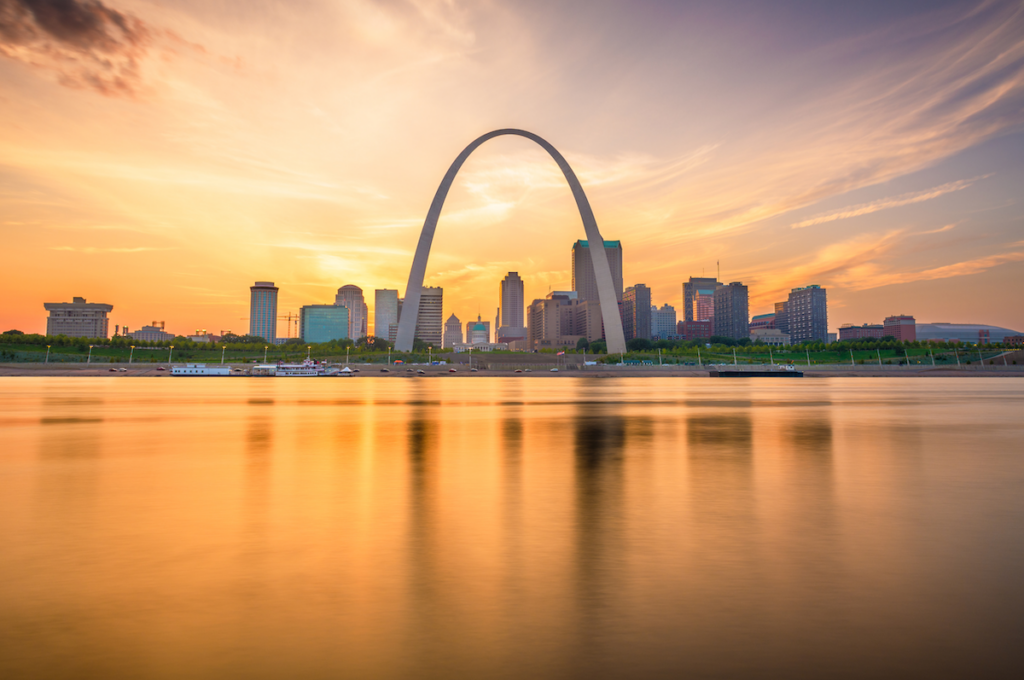
- Advocacy for Funding: We act as a watchdog to ensure that Congress continues to provide the necessary appropriations for the MRRP and the BSNP.
- Strategic Policy Guidance: We provide on-the-ground data to help prioritize which segments of the floodplain offer the highest "return on investment" for both ecological health and flood risk reduction.
"The goal is simple, yet ambitious," says our policy team. "We are working to create a river that functions for the future. This means moving beyond the rigid, static management of the past and embracing a model that recognizes the river as a dynamic, living system that provides benefits to both people and nature."
Implications for the Future: A Holistic Vision
The path forward requires a departure from the "us versus them" mentality that has characterized Missouri River debates for decades. The future of the Big Muddy depends on:
- U.S. Farm Bill Enrollment: We are working with landowners to incentivize the voluntary enrollment of flood-prone agricultural lands into conservation programs. This provides farmers with financial security while giving the river the space it needs to manage floodwaters safely.
- Cross-Sector Collaboration: Solutions are being developed through partnerships between federal agencies, non-profits, private businesses, and local communities. By identifying shared goals—such as water quality improvement and recreation—we can build a broader base of support for restoration.
- Federal and State Policy Integration: The needs of the river must be woven into the fabric of regional economic planning. If we fail to protect the watershed, we invite future economic losses from flooding and water scarcity.
Conclusion: A Legacy Worth Restoring
The Missouri River is more than a waterway; it is a monument to American history. From the cultural heritage of the Tribal Nations to the industrial might of the 20th century, it has shaped our national identity. However, we have reached a point where the "Big Muddy" can no longer sustain the heavy burden of our past management choices without significant intervention.
By committing to the full restoration of the BSNP, advocating for smarter flood management, and fostering a culture of stewardship, we can ensure that the river remains a vibrant, healthy, and resilient resource. The Big Muddy has given us centuries of service; it is time we return the favor. It deserves a healthy future—and for the sake of our own water security and environmental health, we must ensure it receives one.
To stay informed about the most important news affecting your water and rivers, sign up for the American Rivers newsletter. Together, we can turn the tide for the Missouri River.