The Åland archipelago is a labyrinth of granite and saltwater, a place where the modern world feels like a distant abstraction. For those who choose to explore its outer reaches by kayak, the environment demands respect. It is a landscape defined by shifting winds, hidden skerries, and a history that is often as rugged and unforgiving as the shoreline itself.
This journey began at the church in Föglö, where the plan was simple: a seven-kilometer crossing to Gloskär. However, the Baltic Sea rarely adheres to a tourist’s itinerary. Battling a stiff, gusting cross-headwind, we navigated the open water, seeking refuge on the smooth, glaciated rocks of the island’s eastern shore. On the nautical chart, a small symbol marked a point of interest: spetälskhospital—a leper hospital. Little did we know that this would become the anchor point for a profound exploration into the archipelago’s grim past and its resilient natural beauty.
The Grim Legacy of the Leprosy Hospital
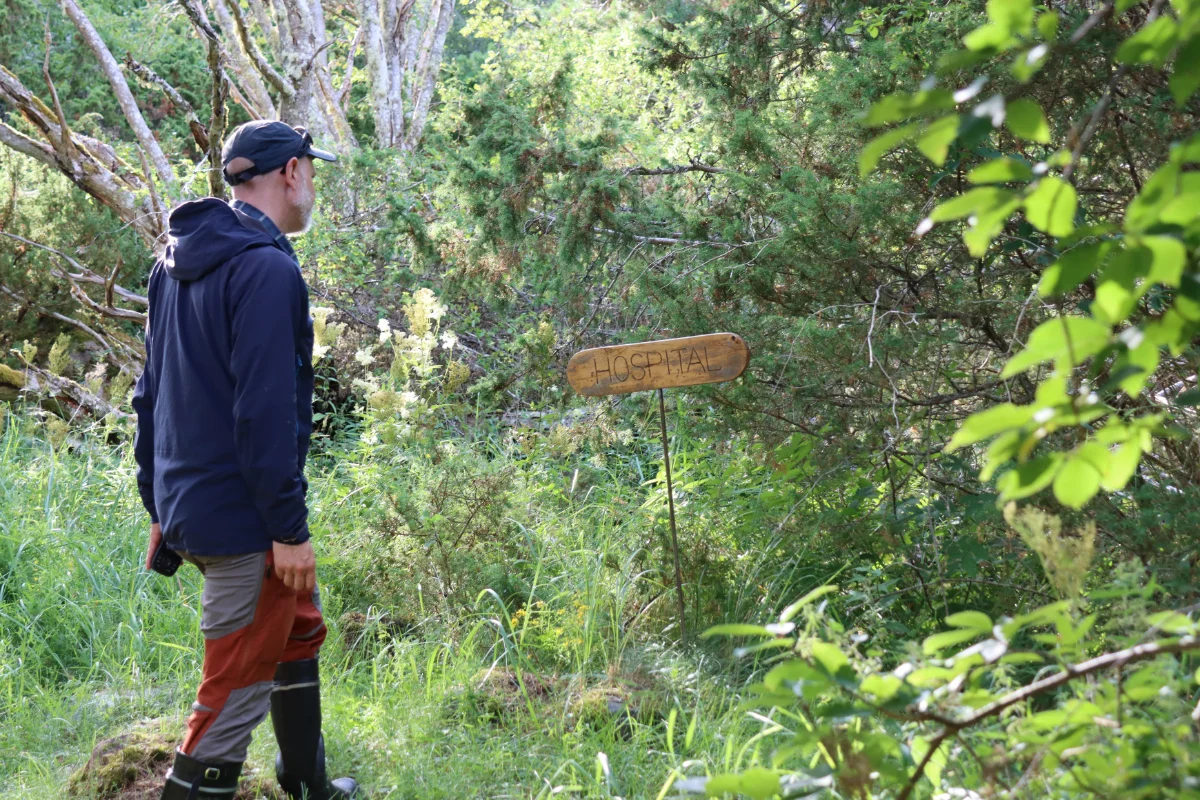
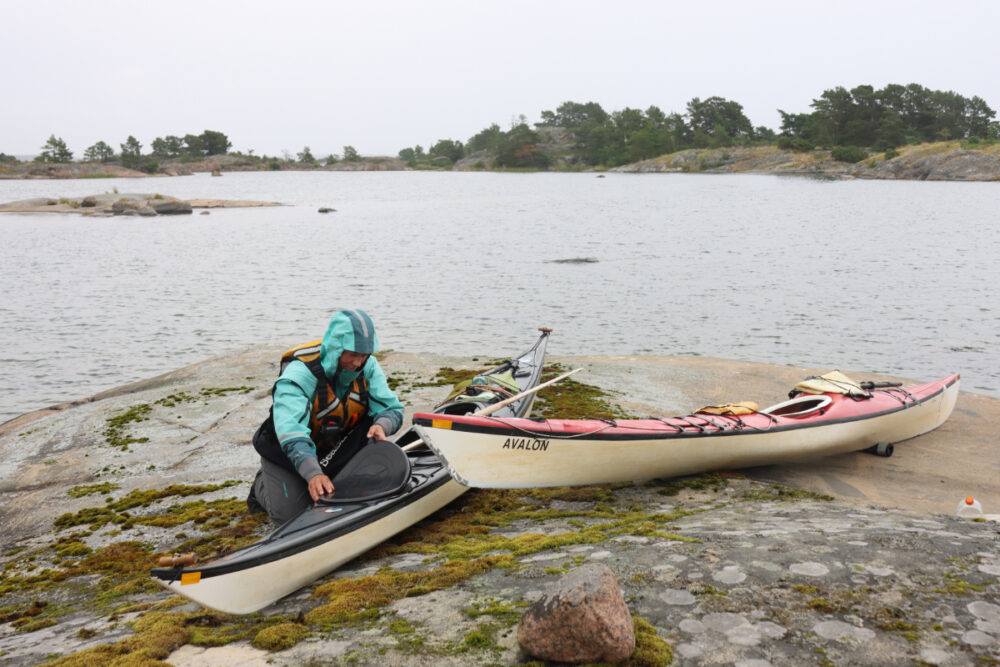
Upon landing on the eastern shore of Gloskär, the decision to remain overnight was dictated by the weather. The wind showed no signs of relenting, providing us the opportunity to explore the island on foot. Donning heavy rubber boots—an essential precaution against the island’s dense populations of ticks and vipers—we trekked toward the site marked on the map.
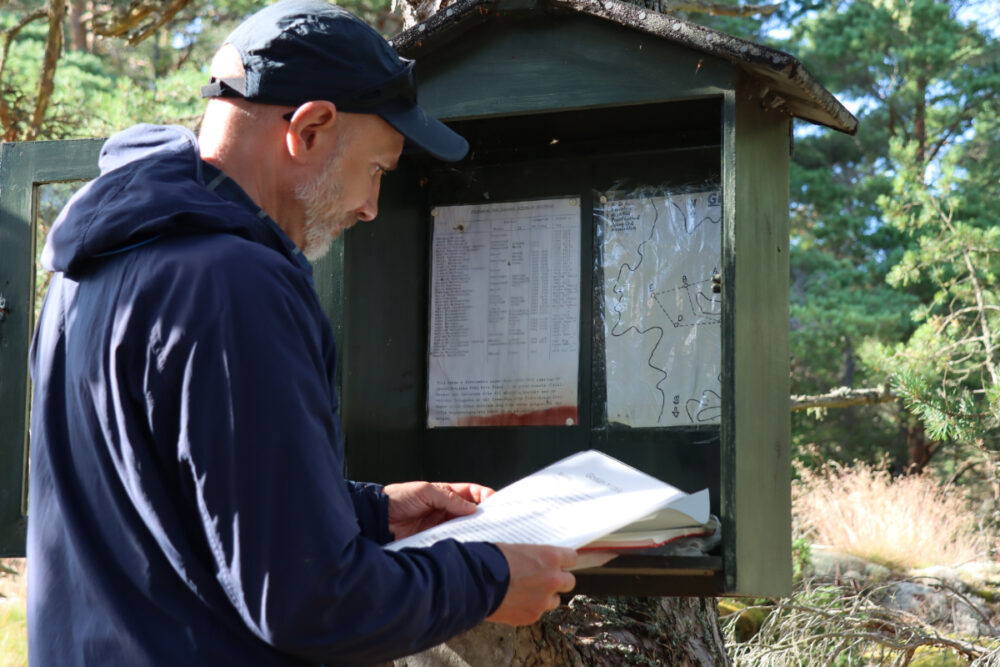
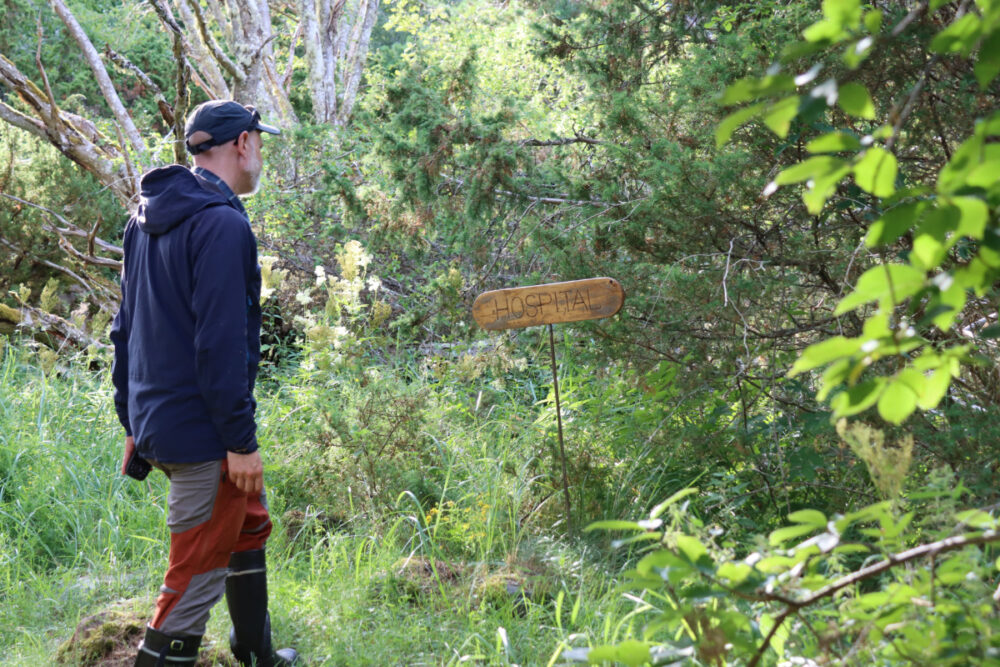
We were met with an unexpected archaeological narrative. A one-kilometer marked trail snakes through the island, documenting the site of a leper hospital that operated between 1653 and 1672. While the route is accessible by boat, the steep, unforgiving cliffs of the natural harbor make it a challenge for those arriving by kayak, a physical reminder of how isolated this community truly was.
The Cost of Quarantine
The information plaques along the trail reveal the harrowing reality of the patients who once lived here. We examined a preserved patient list—a roster of the condemned. A diagnosis of leprosy was, in the 17th century, a life sentence of social death. Once diagnosed, a patient had to leave their home immediately, never to return. They were required to bring their own clothing, bedding, and, chillingly, the nails and lumber necessary to construct their own coffin.
Historical data suggests that many patients succumbed within a year or two of arrival. Whether the cause was the disease itself or the brutal living conditions remains a subject of debate among historians. The evidence on the island suggests the latter: there was a chronic shortage of food and building materials. Fuel for heating had to be scavenged from nearby, barren islets.
The buildings were constructed in haste and with insufficient resources; records indicate that the structures began to rot just eight years after completion. In a grim cycle of necessity, the residents were forced to dismantle their own unused coffins to patch leaking roofs and reinforce failing floorboards. Today, only stone foundations and the remnants of a cemetery wall remain—a silent monument to a forgotten struggle.
The Evolution of the Archipelago: From Fishing Hubs to Heritage Sites
As the wind subsided the following morning, a curtain of rain descended over the islands. We opted to stay within the sheltered inner archipelago, navigating toward the fishing huts of Sältingskär.
Sältingskär: A Time Capsule
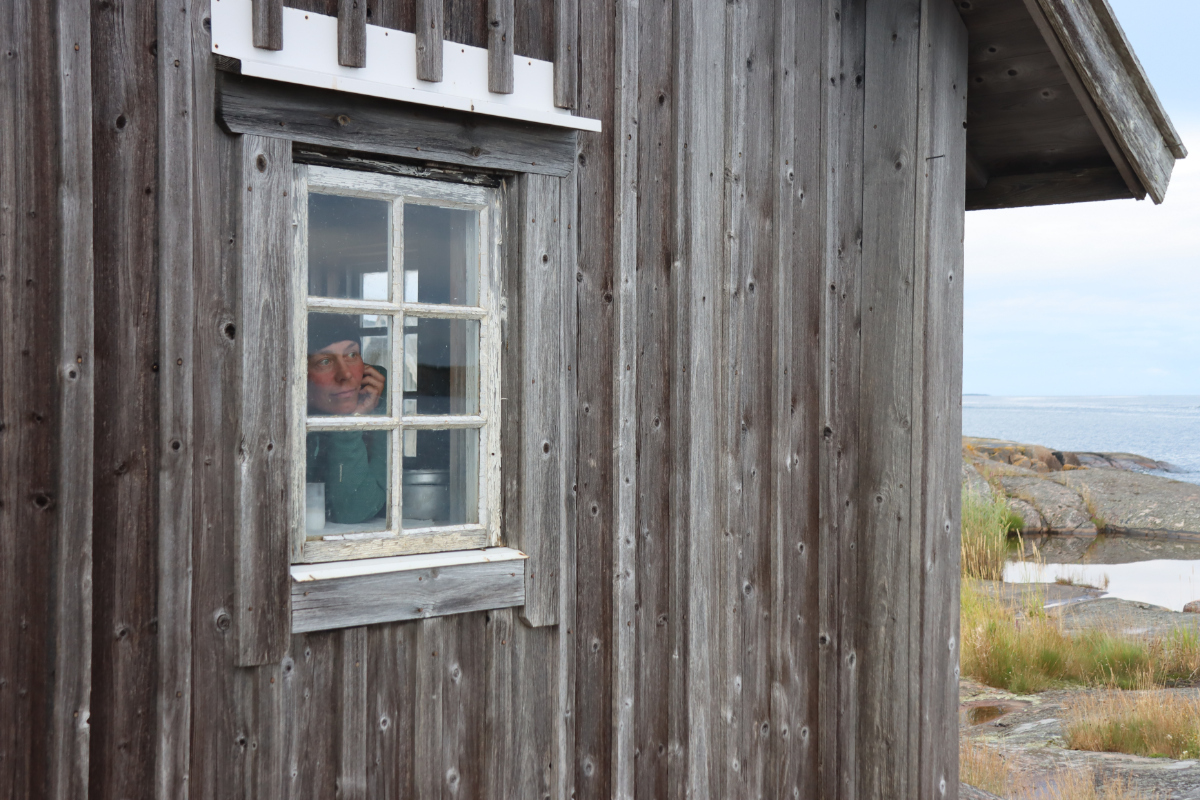
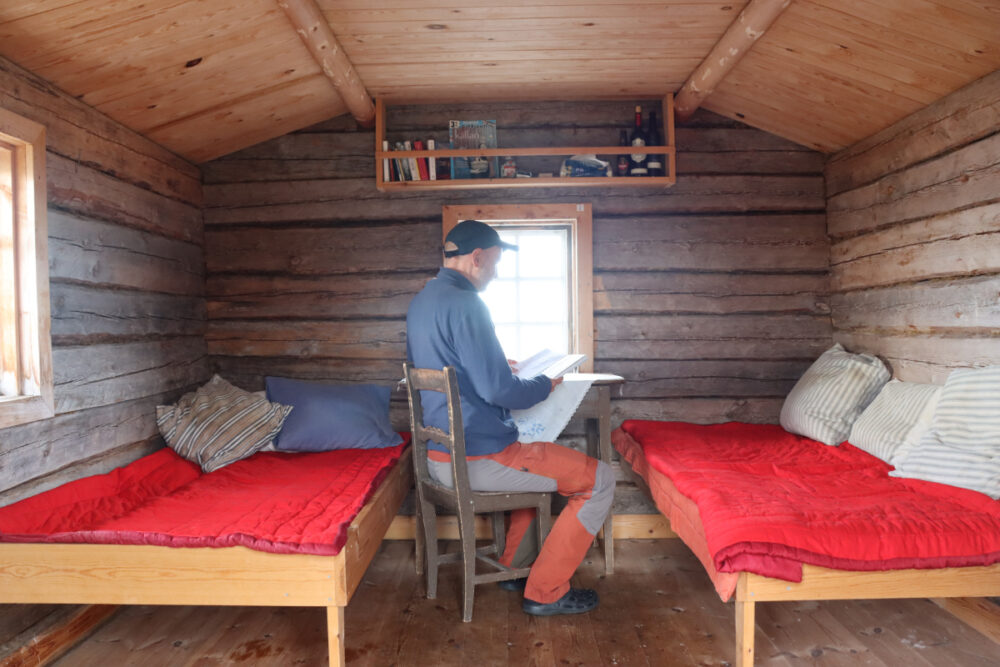
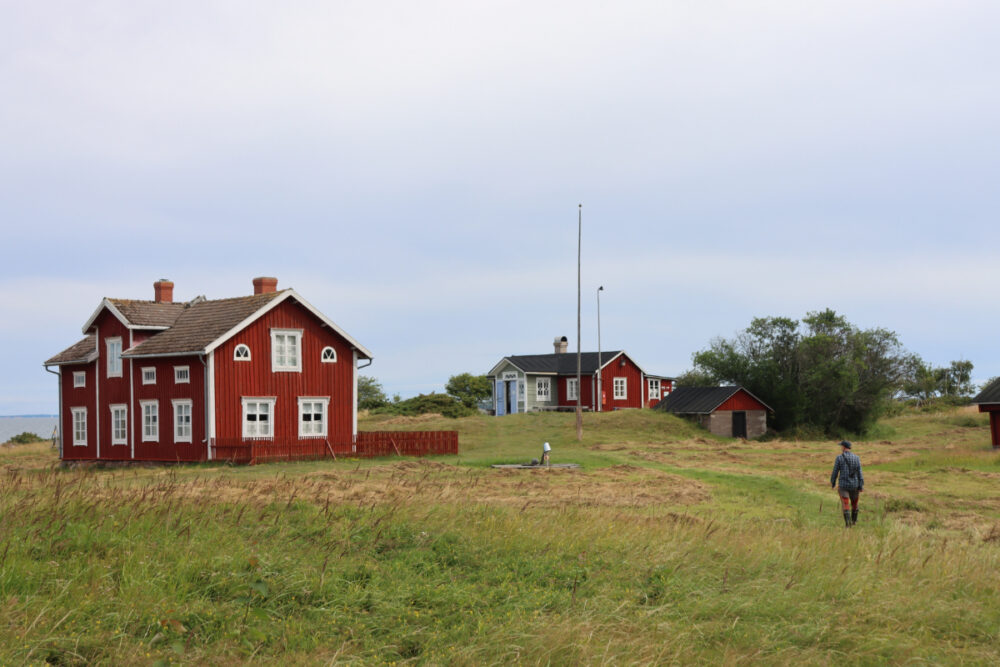
Sältingskär is more than just a stopping point; it is a living museum. Of the five restored fishing huts, four are habitable, two of which feature functioning hearths. Some huts have been preserved in their original state, complete with straw-filled mattresses.
In the centuries before motorized transport, these huts served as vital hubs for local fishermen. They were the staging grounds for seasonal labor, where families lived in close proximity to the most productive fishing waters. By the early 20th century, however, the rise of the motorboat rendered these distant stations obsolete. The need to live on the "front lines" of the sea vanished, and many of these sites were left to the mercy of the elements.
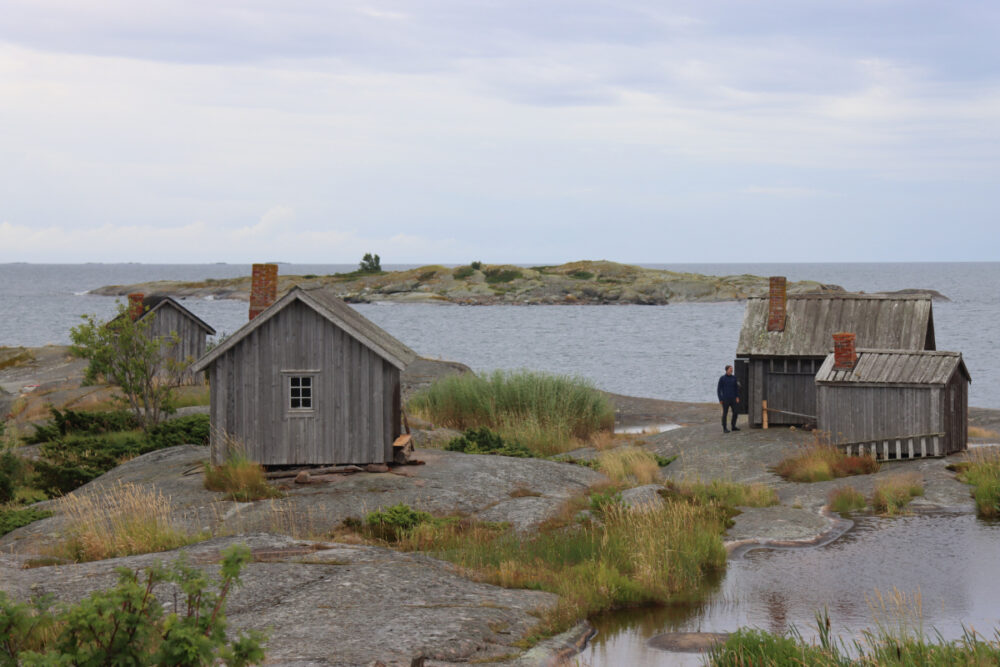
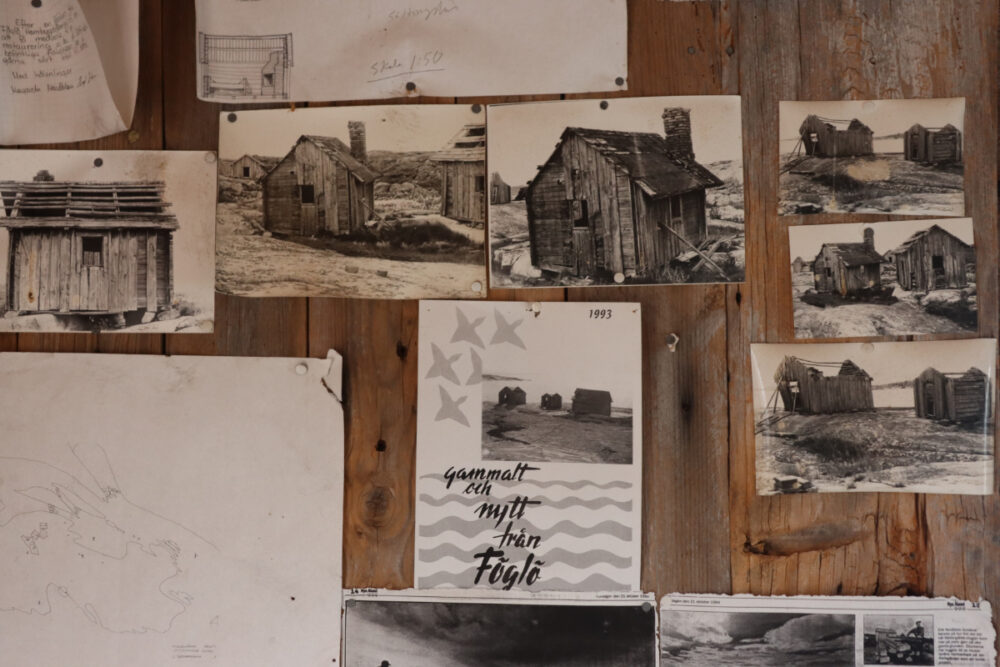
The restoration of Sältingskär is a testament to the dedication of the Föglö Local Heritage Association and the Åland Museum. In the early 1990s, these huts were in a state of terminal decay—roofs were missing, and the wind blew freely through rotted walls. Through years of volunteer labor, the structures were saved. Today, they provide a rare, authentic refuge for travelers, a place to reflect on the transition from a life governed by wind and muscle to one of modern convenience.
Björkö: The Living Cultural Landscape
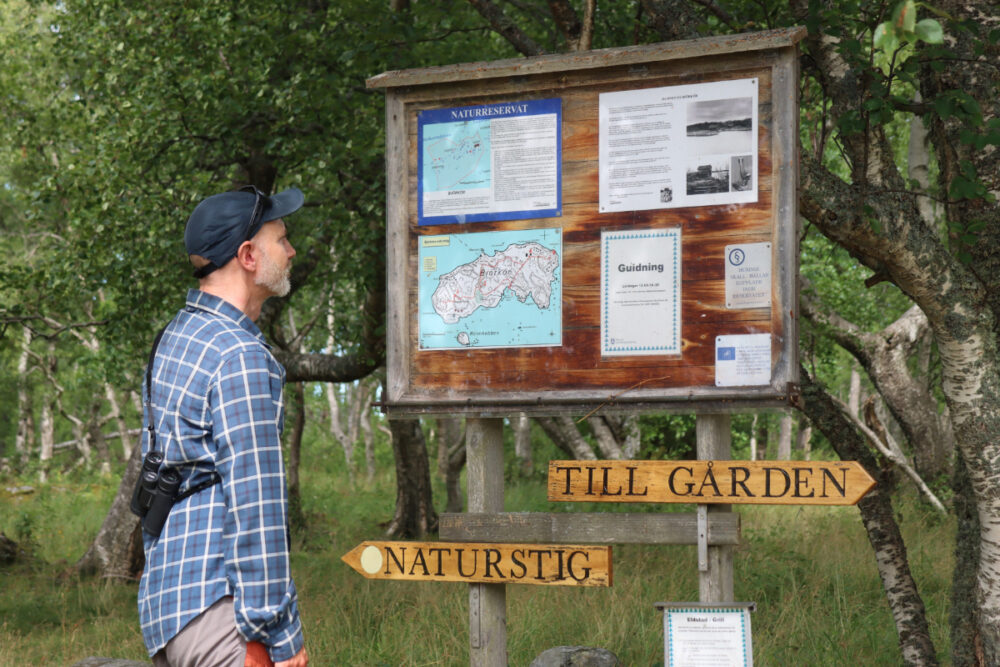
Continuing our journey, we reached the southern shore of Björkö. Unlike the remote, haunting silence of the leper hospital or the preserved museum-like huts of Sältingskär, Björkö feels like a living, breathing farmstead. It is a nature reserve that feels almost like a national park, complete with a dock, fire pit, and waste facilities.
Traditional Land Management
Björkö is renowned for its well-preserved 18th-century farmstead. Walking along the nature trail, we encountered the seasonal work of the land: cattle and sheep grazing on the pastures. This is not merely an aesthetic choice; it is an active effort to maintain the traditional meadows that have been grazed for centuries.
The biodiversity here is striking. The meadows, kept open by the livestock, serve as a sanctuary for insects. We were fortunate enough to observe large, orange-hued Silver-washed Fritillaries (Argynnis paphia) feeding on wild marjoram—a vibrant contrast to the austere history of the islands we had visited earlier. While the island once hosted a pilot station, only the foundation remains, reminding us that even the most bustling centers of maritime activity eventually return to the earth.
The Outer Archipelago: A Fragile Balance
As we moved into the final leg of our expedition, the weather turned once again. Following the outer edge of the archipelago, we kept a wary eye on a massive cloud front approaching from the west. The decision to avoid the most exposed outer skerries proved wise; when the front hit, the wind spiked, turning the sea into a chaotic field of whitecaps.
The Reality of Maintenance
We made a final stop at a fishing hut that appeared pristine from the outside. However, as is often the case with remote heritage sites, the interior told a different story. The hut, built in the 1930s and restored in the 1980s, was marred by years of neglect. Layers of grime and stagnant air made it clear that while restoration can save a building’s frame, it cannot replace the constant, active stewardship required to keep these spaces habitable.
Our final night was spent on one of Föglö’s few sandy islands, Stora Sandören. As the sun dipped below the horizon, we reflected on the journey. We had passed through the habitats of the Apollo butterfly—a protected species that thrives in these specific, wind-swept environments—and navigated the intersection of history and nature.
Implications for Preservation
The Föglö archipelago is a microcosm of the challenges facing maritime heritage in the 21st century.
- Volunteerism vs. Sustainability: Much of the site preservation in Åland relies on the passion of local heritage societies. As the population in remote areas shifts, the long-term sustainability of these projects remains uncertain.
- Climate Impact: Rising sea levels and the increasing frequency of extreme weather events pose a threat to low-lying archaeological sites, such as the leper hospital ruins.
- Educational Value: These sites provide an unparalleled opportunity for experiential education. By documenting the lives of those who struggled against disease and isolation, we gain a deeper appreciation for the resilience of the human spirit.
The trip through Föglö was more than a physical test of endurance; it was an archival project. From the silent, stone-walled hospital on Gloskär to the thriving meadows of Björkö, the archipelago tells a story of constant adaptation. For those who travel these waters, the message is clear: the history of these islands is not just in the books, but in the very soil and sea spray of the outer archipelago. It is a heritage that, like the islands themselves, requires constant attention to remain visible in the encroaching fog of time.