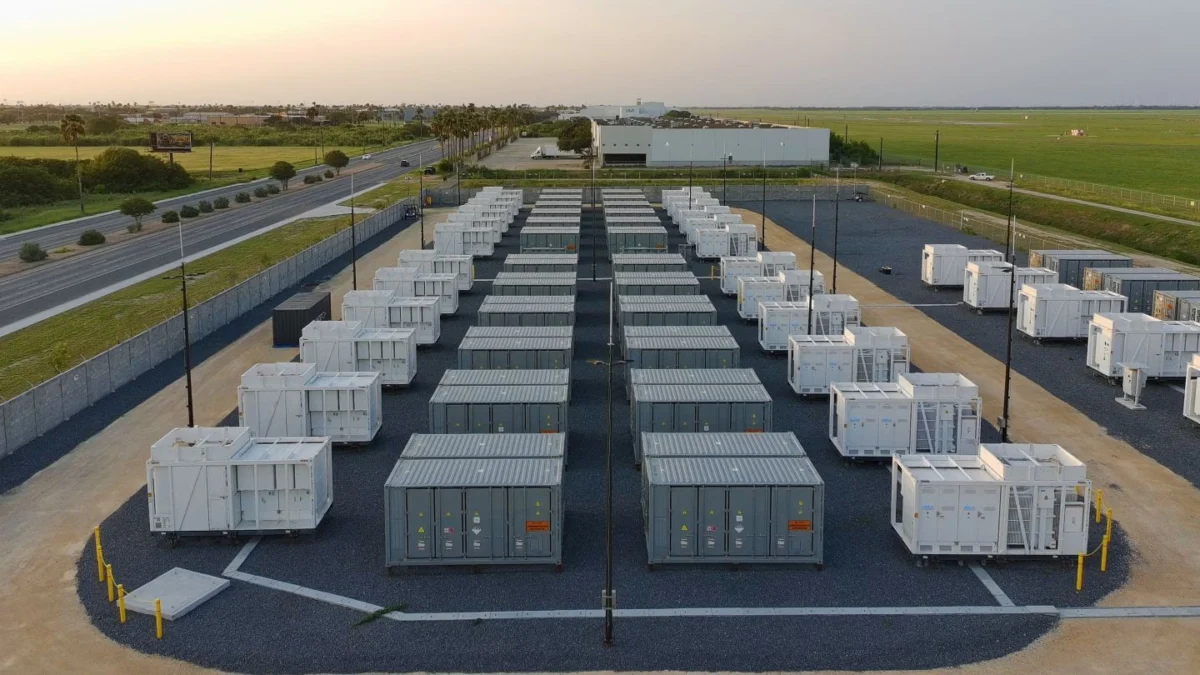
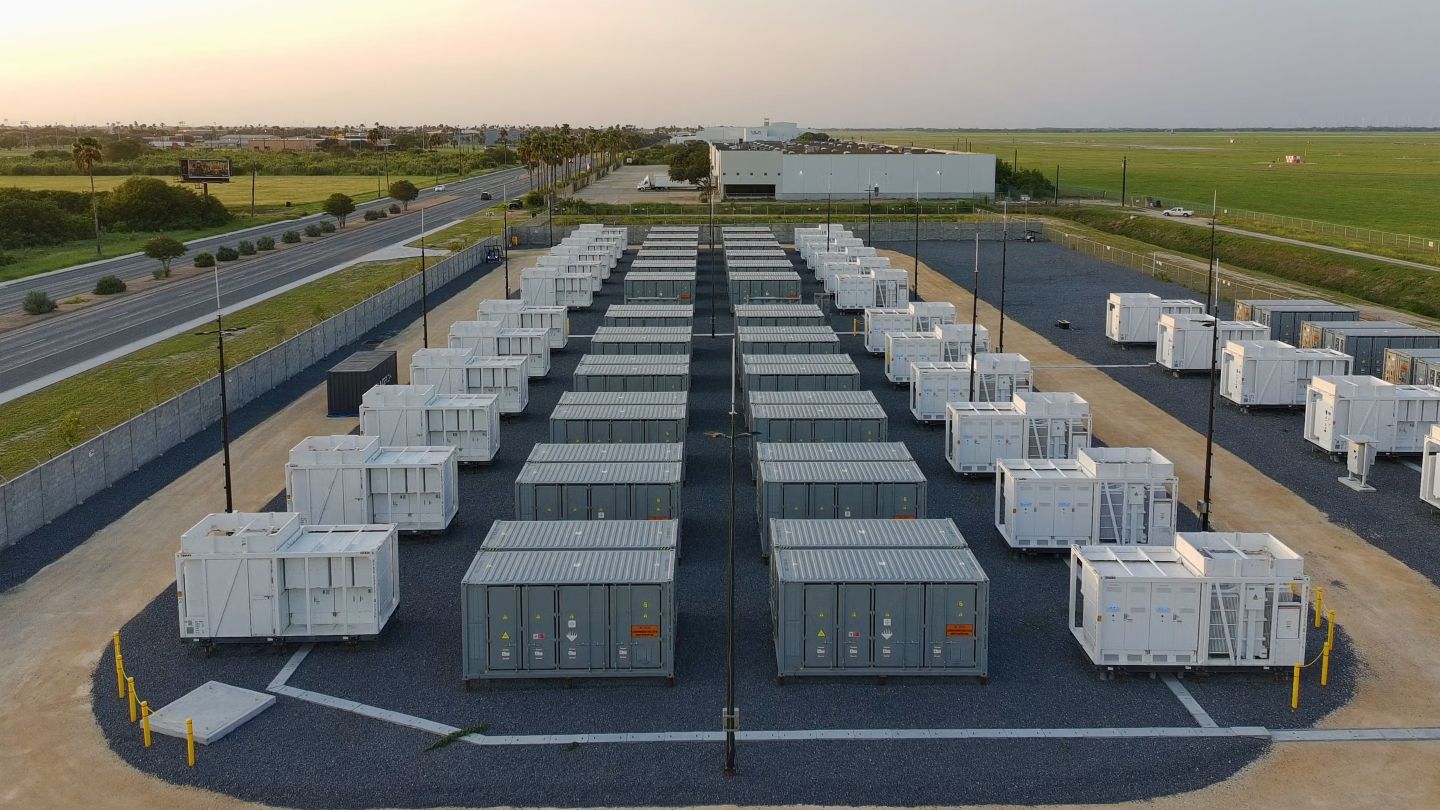
Energy giant Equinor has officially marked a significant milestone in its transition toward a diversified, integrated power producer with the commercial launch of the Citrus Flatts Energy Center in Harlingen, Texas. As the largest energy storage project in Equinor’s US portfolio to date, the facility represents a critical step in the company’s ongoing strategy to bolster grid reliability and capture value within the volatile but lucrative American renewable energy markets.
The 100MW/200MWh battery energy storage system (BESS) was developed and brought online by East Point Energy, a wholly-owned subsidiary of Equinor. This commissioning serves as the fifth battery storage site Equinor has successfully brought into commercial operation over the past four years, signaling an accelerating pace in the company’s commitment to onshore renewables.
The Strategic Significance of Citrus Flatts
Located in Cameron County, Texas, the Citrus Flatts Energy Center is designed to address the inherent intermittency of renewable power sources. By acting as a massive reservoir for electricity, the facility can capture surplus energy generated during periods of high production—such as peak solar output—and discharge it back into the grid during times of peak demand.
The project operates within the Electric Reliability Council of Texas (ERCOT) market, a region known for its high energy demand and the rapid expansion of wind and solar capacity. For Equinor, the site is not merely an asset; it is a vital component of its broader "integrated power business" model. By leveraging its internal trading expertise—specifically through its collaboration with the trading unit Danske Commodities—Equinor aims to optimize the dispatch of these battery assets, ensuring they provide maximum economic and grid-balancing value.
Chronology: Building a Battery Portfolio
The journey toward the completion of Citrus Flatts is part of a broader, methodical expansion of Equinor’s renewable energy footprint.
- 2021–2024 (The Foundation Years): During this period, Equinor began its aggressive pivot from an oil-and-gas-focused enterprise to an "energy major." The company prioritized the acquisition and development of battery storage assets, recognizing that as the US grid shifts toward decentralized renewable sources, energy storage would become the "linchpin" of utility-scale power management.
- 2025 (The Launch of Sunset Ridge): East Point Energy marked its transition from a pure-play project developer to an independent power producer (IPP) with the launch of the 10MW/20MWh Sunset Ridge facility. This pilot project served as the proof-of-concept for Equinor’s operational strategy in the Texas market.
- September 2026 (Citrus Flatts Commissioning): The successful integration of the 100MW/200MWh Citrus Flatts site into the ERCOT grid represents a tenfold increase in the storage capacity previously provided by Sunset Ridge, moving Equinor into the top tier of international energy firms operating storage infrastructure in North America.
- 2027 and Beyond (The Virginia Expansion): Equinor has already signaled its next major move, with four additional projects currently under construction in Virginia’s PJM power market. These facilities, boasting a combined capacity of 80MW/160MWh, are slated for completion in early 2027, marking the company’s expansion into the Mid-Atlantic energy landscape.
Supporting Data and Technical Scope
The technical specifications of the Citrus Flatts facility underscore the scale required to impact a grid as large as Texas’. With a 100MW power output and a 200MWh energy capacity, the facility is engineered for a two-hour discharge duration.
When combined with the earlier Sunset Ridge facility, Equinor’s operating capacity in Texas is now sufficient to power approximately 30,000 households for up to two hours. While this may seem modest compared to the total consumption of the state of Texas, the real value lies in the "merchant" nature of these assets. Operating on a merchant basis means these batteries are not tied to long-term power purchase agreements (PPAs); instead, they respond to real-time price signals in the ERCOT market. This capability allows the batteries to provide essential ancillary services, such as frequency regulation and voltage support, which are critical for preventing grid instability during heatwaves or extreme weather events.
Official Responses and Corporate Vision
The leadership at Equinor and East Point Energy views the startup of Citrus Flatts as a validation of their long-term corporate strategy.
Christian Lie Hansen, Equinor’s onshore renewables Americas vice-president and board chair of East Point Energy, emphasized the strategic importance of this development in a recent statement:
"The start-up of these facilities underscores Equinor’s ambition to grow its integrated power business, delivering flexible and reliable energy solutions in attractive power markets. We are not just building capacity; we are building a sophisticated energy management system that bridges the gap between variable generation and consumer demand."
This shift toward an IPP model allows Equinor to retain control over its assets, rather than selling them off upon completion. By keeping the assets within the Equinor ecosystem, the company benefits from the synergies between its development arm (East Point Energy) and its market-leading trading arm (Danske Commodities). This "integrated approach" is designed to mitigate the risks associated with volatile energy prices while ensuring that the company remains at the forefront of the energy transition.
Implications for the US Energy Market
The commissioning of Citrus Flatts arrives at a pivotal time for the US energy grid. As states like Texas continue to integrate higher percentages of wind and solar power, the challenge of grid stability becomes increasingly complex.
1. Strengthening Grid Reliability
Battery storage is increasingly recognized as the primary solution to "duck curve" issues—where solar generation drops off just as residential electricity demand peaks in the evening. By deploying utility-scale batteries, Equinor is helping to prevent the need for expensive, high-carbon "peaker" plants that only run during periods of extreme strain.
2. Market Dynamics and Investment
Equinor’s entry into the merchant battery space sets a precedent for other international energy majors. By proving that a company can successfully navigate the ERCOT and PJM markets, Equinor is encouraging further institutional investment into storage infrastructure. The "merchant" model, while riskier than traditional contracting, offers significantly higher upside for operators with the analytical capability to predict price volatility—an area where Equinor’s trading desk excels.
3. The Future of East Point Energy
As East Point Energy continues its growth, the company is effectively becoming a laboratory for Equinor’s global renewables strategy. The move from developer to owner-operator marks a permanent shift in how Equinor views its role in the power sector. Rather than being a passive investor, Equinor is becoming an active participant in the day-to-day operations of the US electrical grid.
4. Regulatory and Environmental Impact
The focus on battery storage also aligns with the broader push toward decarbonization. While batteries do not "generate" electricity, they enable a higher penetration of clean energy by preventing curtailment—the act of throwing away wind or solar energy because there is nowhere to store it. By maximizing the utility of existing renewable assets, Citrus Flatts contributes indirectly to a lower-carbon energy mix.
Looking Toward the Future
As Equinor looks toward the 2027 completion of its Virginia projects, the company is demonstrating a clear roadmap for success in the US market. The focus has shifted from merely seeking the largest capacity to identifying the most strategic locations where the grid is most strained and the arbitrage opportunities are most significant.
The Citrus Flatts Energy Center is more than just a battery site; it is a manifestation of the transition toward a flexible, responsive, and technology-driven energy market. As Equinor continues to scale its operations, the industry will be watching closely to see how effectively its integrated business model performs in the complex, interconnected landscape of the American power sector. With its latest achievement in Texas, Equinor has solidified its position as a key player in the effort to make the US power grid cleaner, more reliable, and more resilient for the decades to come.