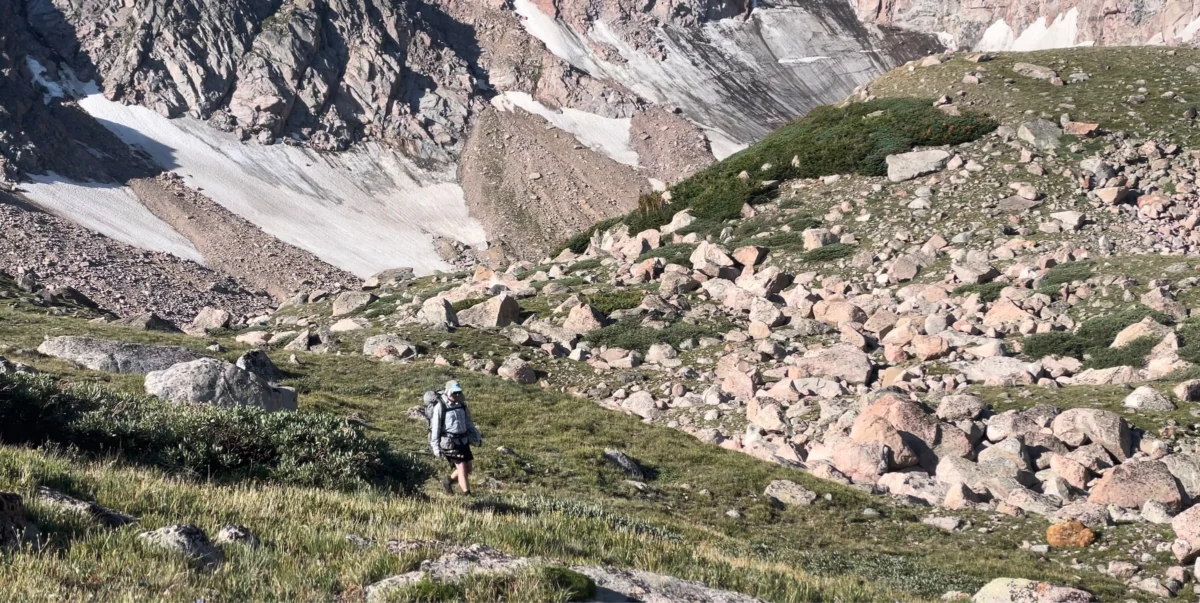
For decades, the genre of "how-to" literature has been dominated by dense, overly technical manuals that often alienate the very beginners they intend to instruct. While outliers exist—such as the cult-favorite Ultralight Backpacking Tips by Mike Clelland—the broader landscape of hiking instructional texts has historically lacked accessibility. Recognizing this gap, publishing giant Wiley, the architect behind the ubiquitous For Dummies series, approached seasoned wilderness expert and long-distance hiker to distill four decades of expertise into a single, comprehensive guide. The resulting volume, Hiking & Backpacking for Dummies, represents a marriage between high-level wilderness proficiency and the accessible, lighthearted tone that has become a staple of modern instructional publishing.
The Genesis of a Guide: Merging Tradition with Modern Need
The For Dummies brand, which debuted in 1991, has evolved into a global cultural phenomenon. With over 2,400 titles in its catalog and more than 250 million copies sold, the series has successfully democratized knowledge across disciplines as diverse as quantum physics and macroeconomics. When Wiley approached the author to pen a title on wilderness travel, the objective was clear: create a resource that replaces intimidation with confidence.

The publication history of Wiley itself adds a layer of weight to this collaboration. Established in 1807, the company has survived and thrived through two centuries of technological and social shifts. Originally a house for literary titans—including Edgar Allan Poe and Herman Melville—Wiley transitioned in the late 19th century toward academic and instructional publishing. Hiking & Backpacking for Dummies is the latest iteration of this legacy, translating complex survival and logistical skills into a format that is digestible, modular, and, above all, practical.
A Comprehensive Anatomy of the Trail
Unlike the author’s previous contributions to the Wanderlust book series—which lean heavily into the aesthetic and inspirational allure of the wilderness—Hiking & Backpacking for Dummies is fundamentally utilitarian. It functions as a roadmap for the novice while remaining a reference tool for the experienced trekker.

The book is structured into six distinct, modular parts comprising 28 chapters. This architecture allows readers to jump directly to their area of need without wading through irrelevant information.
Part 1: The Foundations of Planning
The journey begins with preparation. This section demystifies the planning process, offering step-by-step guides for trip logistics, physical conditioning, and the critical integration of "Leave No Trace" principles. The author provides granular checklists that account for diverse trail styles, including solo expeditions, family outings, and dog-accompanied hikes.

Part 2: The Gear Dilemma
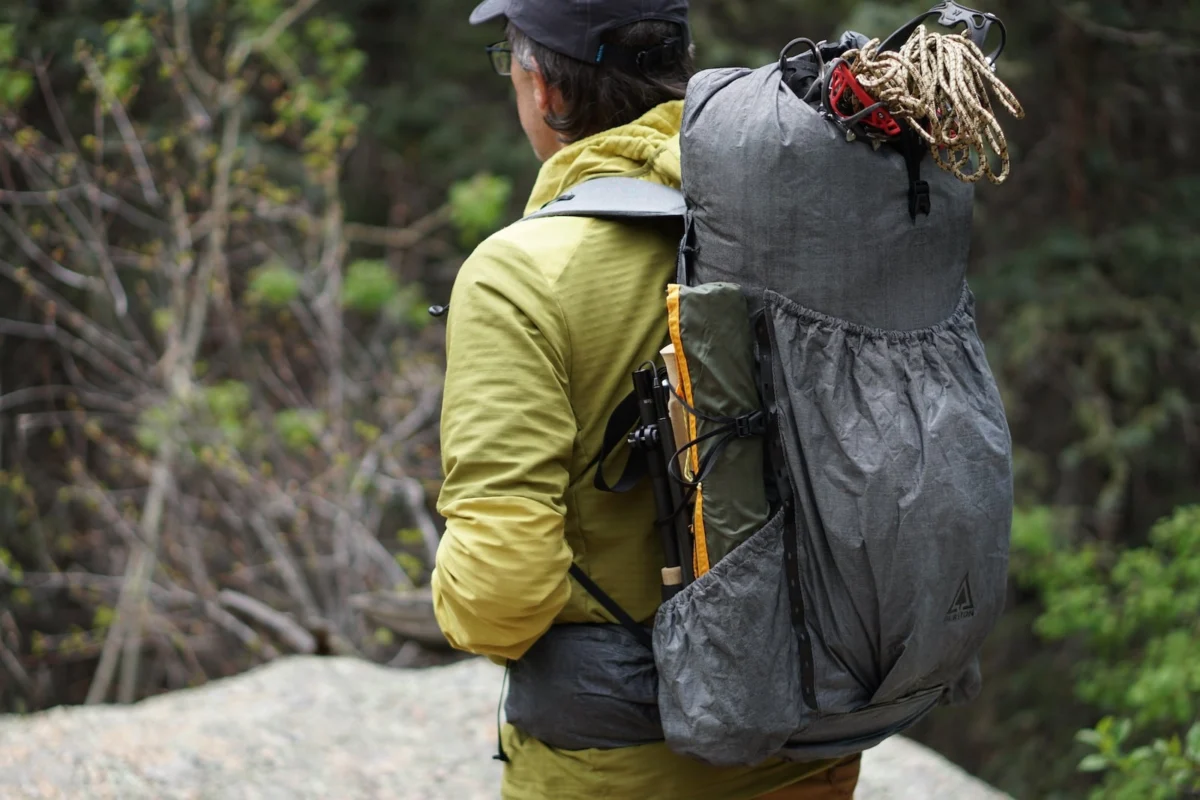
Modern gear culture is often defined by "analysis paralysis." The book simplifies this by focusing on the "Big Four"—the backpack, shelter, sleeping system, and pad. It addresses the eternal debates of the outdoor community, such as the preference for trail runners over traditional boots, and provides a framework for loading a pack to optimize the center of gravity and overall efficiency.
Part 3: The Reality of the Backcountry
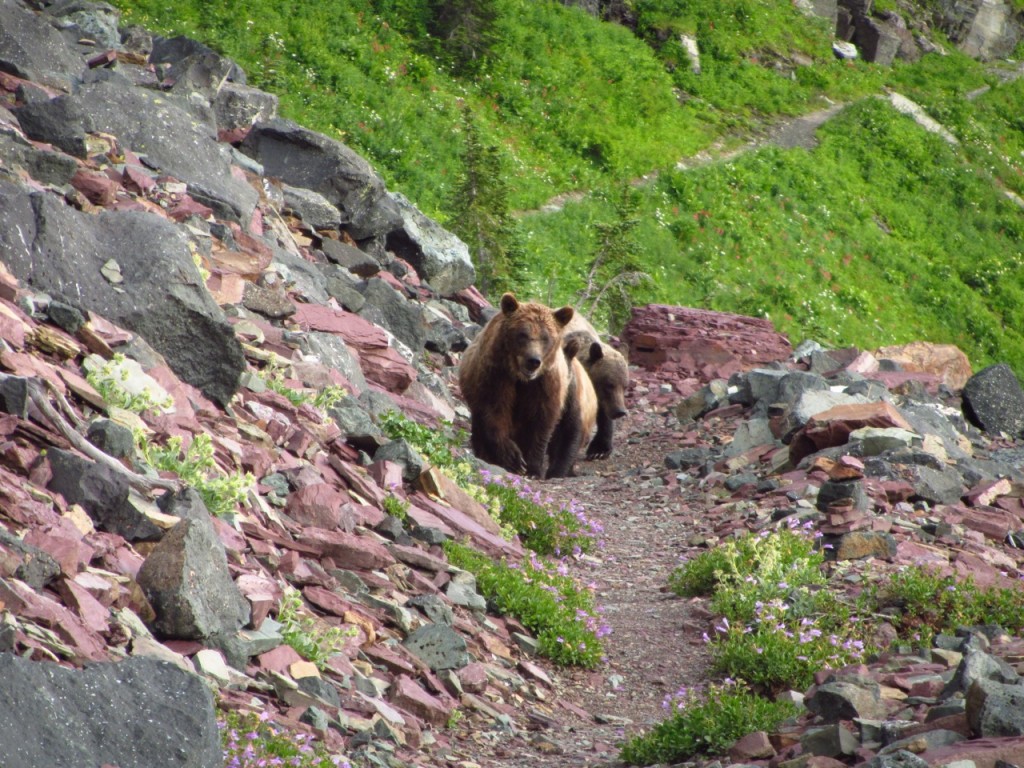
Once the gear is packed, the reality of the trail sets in. Part 3 covers the "hard skills" of wilderness survival. This includes navigating animal encounters (with specific protocols for bear country), river fording, and maintaining psychological equilibrium when environmental conditions deteriorate. The author utilizes personal anecdotes from his travels through the Alps, the Andes, and the Continental Divide to illustrate these points.
Part 4: The Art of Campsite Management
Often underestimated, camp management is the difference between a restorative night and a miserable one. This section delves into the nuances of dispersed camping versus established sites. It offers actionable advice on pitching shelters in inclement weather and establishing morning and evening routines that prevent the common, albeit frustrating, "lost gear" scenarios that plague many campers.
Part 5: Health and Wilderness Safety
Safety in the backcountry is proactive. This part addresses the physiological demands of hiking, from the dangers of "hangry" decision-making to the technicalities of backcountry hygiene. It also covers the management of environmental hazards, including thermoregulation, high-altitude acclimatization, and natural disasters like forest fires or flash floods.

Part 6: The Part of Tens
Staying true to the For Dummies format, the final section provides a high-level summary of common myths, beginner mistakes, and dream destinations. By offering a curated list of global hiking spots—from the Nepal Himalaya to the Canadian Rockies—the author provides a aspirational conclusion to the technical manual.
Supporting Data: Four Decades of Field Testing
The credibility of Hiking & Backpacking for Dummies is rooted in the author’s extensive personal history. Over forty years of exploration—including a staggering 14,342 miles (23,081 km) logged during his "12 Long Walks" project—form the empirical backbone of the text.
For example, when discussing downhill hiking technique, the author draws from his time observing the Raramuri (Tarahumara) people of Mexico’s Copper Canyon. When covering high-altitude safety, he relies on his own acclimatization protocols utilized during his traverse of the Cordillera Blanca in Peru. These aren’t theoretical concepts; they are lessons learned in some of the most unforgiving environments on the planet.
Implications for the Outdoor Community
The release of this book comes at a time when the outdoor industry is seeing an influx of new participants. As more people seek the physical and mental benefits of wilderness travel, the potential for dangerous misinformation increases. By providing a "no-nonsense" guide that prioritizes safety and education, the book serves as a vital gatekeeping tool—not by excluding people, but by empowering them with the correct information to succeed.
Furthermore, the book highlights a shift in how outdoor knowledge is consumed. The modular approach recognizes that modern readers are time-poor and information-rich. By categorizing the material into manageable parts, the author ensures that a reader can learn the basics of tent pitching on a Tuesday and the complexities of high-altitude navigation on a Thursday, without the two subjects needing to be treated as a singular, overwhelming monolith.
A Candid Perspective: Authorial Reflection
The author maintains a refreshingly self-deprecating perspective regarding his role as a promoter. Admitting that his "master strategy" for the book’s launch was to disappear on a hiking trip in Nepal, he highlights the irony of a writer who prefers the silence of the Lumba Sumba Pass to the noise of the marketing world.

"I’m about as good at promoting stuff as I am at line dancing," the author noted, acknowledging that the book is the product of significant effort and, quite literally, thousands of miles of experience. Despite this, the reception has been encouraging, positioning the book as a potential "trusted companion" for a new generation of hikers.
Conclusion
Hiking & Backpacking for Dummies is more than just a brand-name manual; it is a synthesis of four decades of wilderness expertise packaged for maximum accessibility. By balancing the technical requirements of safety and preparation with the personal, anecdotal warmth of a seasoned traveler, it fills a critical void in the instructional market. Whether a reader is planning their first local day hike or dreaming of a multi-week expedition across the Andes, this book provides the necessary scaffolding to move from the trailhead to the summit with confidence, safety, and a bit of humor along the way.

Where to Find It:
Hiking & Backpacking for Dummies is currently available in both paperback and Kindle editions. For those who prefer to support local commerce, the book can be ordered through any independent bookstore using the ISBN: 978-1394350254.
Disclosure: This article contains information regarding an affiliate-linked product. The Hiking Life may receive a small commission for purchases made through these links, which supports the continued production of high-quality wilderness content at no extra cost to the reader.