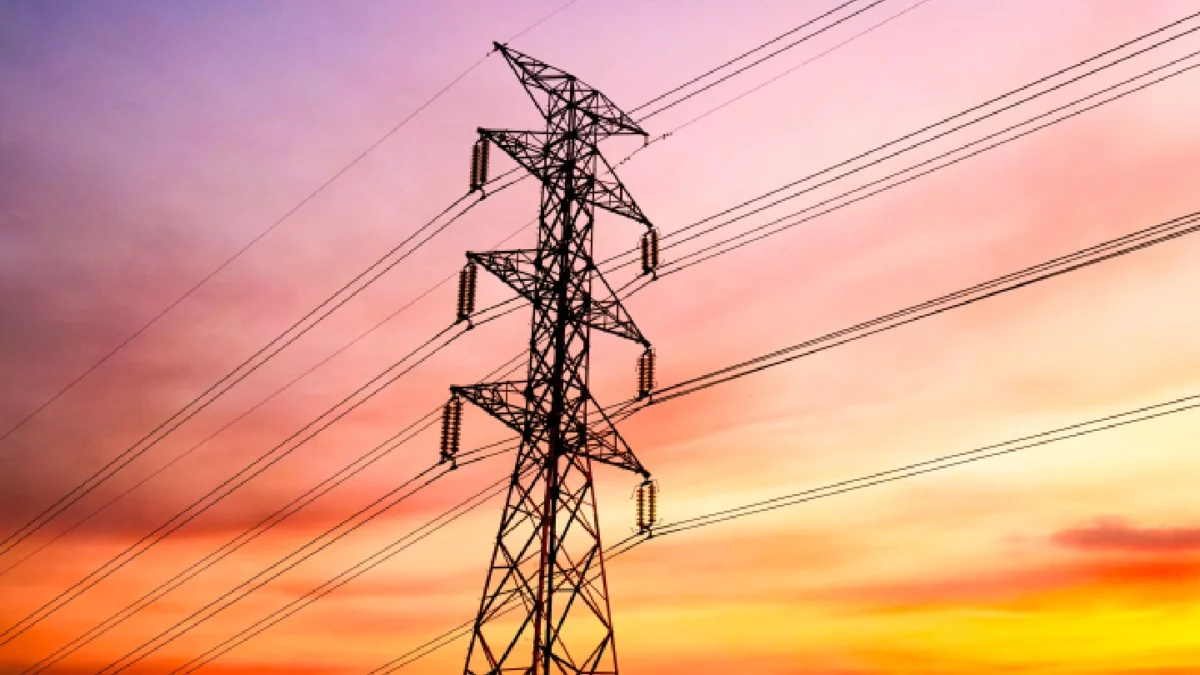
In a landmark development for the North American energy landscape, Great Basin Transmission—an affiliate of the infrastructure powerhouse LS Power—has officially broken ground on the Southwest Intertie Project-North (SWIP-North). This ambitious undertaking marks the beginning of construction on a 285-mile, 500kV high-voltage transmission line, representing a capital investment exceeding $1 billion.
The project is more than just a transmission line; it is the final, critical link in a multi-decade vision to create a robust, resilient, and flexible power corridor connecting the Pacific Northwest with the Desert Southwest. With the capacity to move more than 2GW of power bi-directionally, SWIP-North is poised to redefine regional energy interconnections, bolstering grid stability and facilitating the seamless exchange of electricity across vast geographical divides.
The Scope of the Infrastructure: Technical Specifications
The SWIP-North transmission line is a feat of modern engineering, designed to bridge the gap between the Midpoint Substation in southern Idaho and the Robinson Summit Substation near Ely, Nevada.
Spanning 285 miles of challenging, often rugged terrain, the 500kV line is designed to optimize the flow of energy between disparate balancing authorities. By facilitating the bi-directional transfer of over 2,000 megawatts (2GW), the project ensures that power can be dispatched where it is most needed—whether that means moving renewable energy from the wind-rich Pacific Northwest into the high-demand load centers of the Southwest, or vice versa, depending on seasonal and daily fluctuations.
Notably, a significant portion of this capacity has already been spoken for, with a 500MW allocation specifically designated for Idaho Power customers. This capacity sharing is underpinned by a sophisticated framework of agreements involving the California Independent System Operator (CAISO), Idaho Power, and NV Energy. These entities will share capacity rights, effectively spreading the development costs and ensuring that the project serves as a collaborative, multi-state utility asset.
A Chronology of Persistence: From 1980s Vision to 2028 Reality
The story of SWIP-North is one of extraordinary patience and long-term planning. The concept of a transmission corridor connecting the Magic Valley in Idaho to the Eldorado Valley in Nevada was first envisioned in the 1980s, during an era when the Western grid was beginning to grapple with the need for greater regional integration.
- 1980s: The initial conceptualization of the Southwest Intertie Project begins as planners look to connect regional grids to improve reliability.
- 2005: LS Power acquires the critical development rights for the project, signaling a new phase of commercial viability and technical advancement.
- 2014: The first major milestone is achieved with the completion of the 231-mile One Nevada Transmission Line, a joint effort with NV Energy.
- 2020: The 60-mile DesertLink segment enters service, further extending the transmission corridor and demonstrating the viability of the planned route.
- 2024/2025: Following years of permitting, environmental assessment, and stakeholder engagement, the final segment—SWIP-North—secures the green light for construction.
- 2026: Groundbreaking ceremony takes place in Ely, Nevada, officially marking the commencement of the final 285-mile stretch.
- 2028: Target completion date for the fully integrated 576-mile corridor.
This timeline underscores the immense regulatory and logistical hurdles inherent in large-scale infrastructure projects. As LS Power CEO Paul Segal noted, "Projects of this scale take persistence, and we are proud to have spent more than two decades advancing this corridor to construction."
Supporting Data and Regional Impact
The geographical distribution of the project highlights Nevada’s central role in the Western energy transition, with over 70% of the SWIP-North route located within the state. When completed in 2028, the project will represent the final piece of a 576-mile transmission "superhighway."
The synergy between this new line and existing infrastructure cannot be overstated. By connecting the One Nevada Transmission Line and the DesertLink segment, SWIP-North completes a structural backbone that integrates the diverse energy portfolios of the Pacific Northwest and the Desert Southwest.
Key Data Points:
- Total Project Length: 576 miles (combined with existing segments).
- SWIP-North Segment: 285 miles.
- Voltage: 500kV.
- Total Capacity: >2GW bi-directional.
- Idaho Power Allocation: 500MW.
- Estimated Completion: 2028.
This infrastructure is critical for the integration of intermittent renewable energy sources. As the Western United States pushes toward deeper decarbonization, the ability to move large quantities of wind, solar, and hydroelectric power across long distances is essential to prevent curtailment and ensure that every megawatt generated is utilized effectively.
Official Perspectives: Leadership and Strategy
The commencement of construction has drawn praise from industry leaders who view the project as a victory for Western grid reliability. Paul Segal, CEO of LS Power, emphasized the strategic importance of the line during the groundbreaking ceremony in Ely.
"SWIP-North will complete an important new pathway between the Pacific Northwest and the Desert Southwest," Segal stated. "This project is about more than just wires and towers; it is about improving reliability and giving the Western grid the flexibility it needs to handle the energy challenges of the 21st century."
For the participating utilities—Idaho Power, NV Energy, and CAISO—the project represents a shared investment in a more resilient future. By formalizing agreements on capacity rights and cost allocation, these organizations have demonstrated a commitment to collaborative infrastructure development that transcends individual utility service areas. This model of cooperation is increasingly viewed as the gold standard for future inter-regional transmission projects in North America.
Implications for the Western Energy Market
The completion of SWIP-North will have profound implications for the energy markets of the Western United States.
1. Enhanced Grid Reliability and Flexibility
The Western grid is currently undergoing a massive transformation as legacy thermal generation plants retire and are replaced by decentralized renewable energy resources. This transition creates volatility in power supply. SWIP-North provides the "flexibility" mentioned by Segal, allowing grid operators to balance the load more effectively. When solar generation peaks in the Southwest or wind speeds increase in the Pacific Northwest, the transmission corridor acts as a shock absorber, allowing for the efficient redistribution of power.
2. Economic Efficiency and Price Stability
By increasing the interconnectedness of regional markets, SWIP-North will help reduce the cost of energy for consumers. A more integrated market allows for the purchase of the lowest-cost power available across a broader geographical area. This competition and transparency in power pricing help to mitigate the price spikes that can occur when local generation is insufficient to meet peak demand.
3. Enabling Renewable Energy Integration
One of the most significant barriers to the expansion of renewable energy is the lack of transmission capacity to carry power from remote, resource-rich areas to urban load centers. SWIP-North addresses this directly. By providing a high-capacity conduit, it removes a major bottleneck for renewable energy developers, effectively "unlocking" areas that were previously hindered by limited transmission access.
4. A Blueprint for Future Projects
Finally, the successful development of SWIP-North serves as a blueprint for future large-scale transmission projects. The project’s ability to navigate two decades of regulatory and environmental planning, coupled with a multi-stakeholder funding model, provides a valuable case study for the Federal Energy Regulatory Commission (FERC) and other governing bodies as they look to streamline the permitting and construction of the thousands of miles of transmission lines required to meet national climate goals.
Conclusion: A Milestone for the Future
As the heavy machinery begins its work in the Nevada desert, the start of SWIP-North serves as a testament to the importance of long-term vision in the utility sector. In an era where the energy grid is increasingly defined by its need for speed, resilience, and adaptability, the completion of this 576-mile corridor will stand as a foundational achievement.
When the switch is flipped in 2028, the impact will be felt far beyond the states of Idaho and Nevada. It will mark the beginning of a new chapter for the Western grid—one where energy flows with greater ease, reliability, and efficiency, powering the future of the American West. Through the persistence of LS Power and its partners, the vision of the 1980s is finally becoming a physical reality, laying the groundwork for a more connected and sustainable energy future.