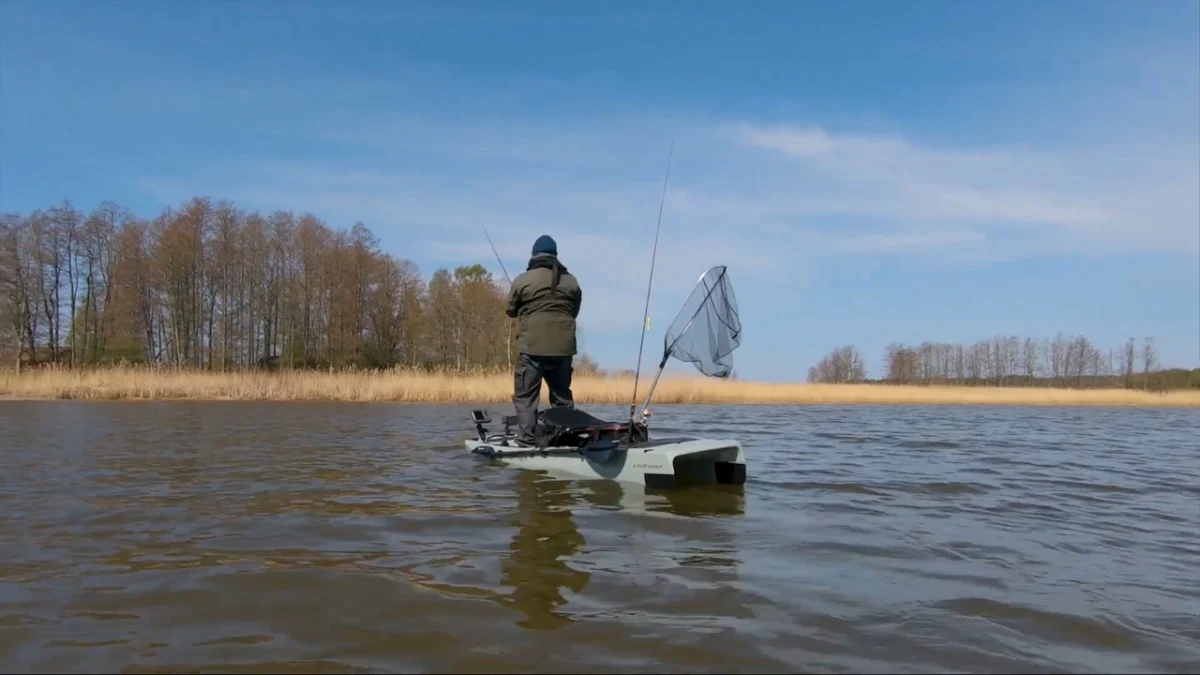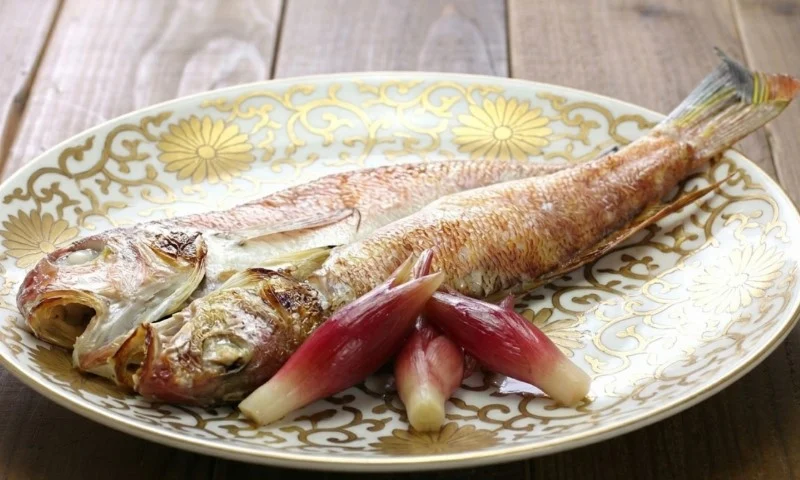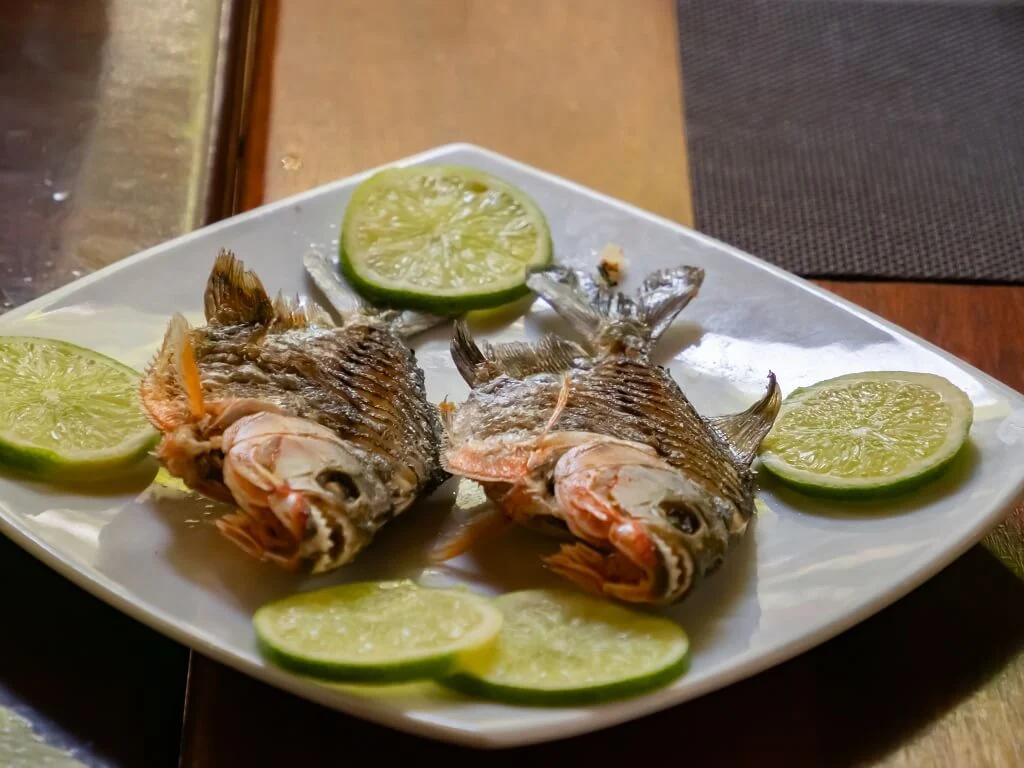
There is an unparalleled thrill to the strike—that sudden, violent tug on the line that signals a heavy hitter is testing your tackle from the seat of a kayak. For the modern angler, the pursuit is as much about the connection to the ecosystem as it is about the potential for a fresh, wild-caught meal. However, as any veteran of the water will tell you, not every fight is destined for the dinner table.
Some species, due to their diet, biological makeup, or the logistical challenges they present to a small-craft fisherman, are better left in the water. Distinguishing between a trophy catch and a culinary liability is an essential skill for any kayak angler. This guide explores the 12 most polarizing species, the science behind their "bad" reputation, and the ethical imperatives of responsible harvesting.
The Triad of Avoidance: Why Some Fish Miss the Cut
When anglers complain about a fish being "inedible," the grievances usually fall into three distinct categories:
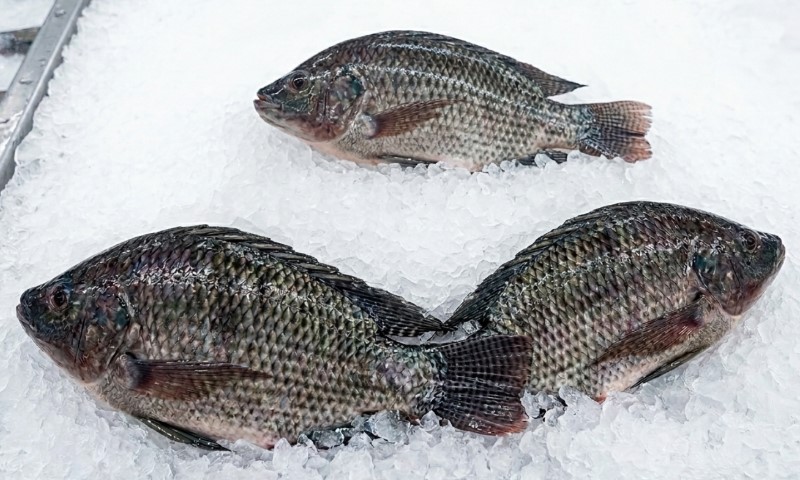
- The Mudsuckers: Freshwater species that inhabit stagnant or murky waters often absorb geosmin—a naturally occurring organic compound produced by cyanobacteria and algae. While harmless to human health, it imparts a pervasive, earthy "muddy" flavor that no amount of seasoning can fully mask.
- The Oily Predators: High-oil saltwater species, such as large bluefish or mackerel, are notorious for their aggressive flavors. Because these oils are often concentrated in the dark lateral lines, they can turn rancid within minutes if not bled and iced immediately, resulting in an overwhelming, metallic, or "battery-like" taste.
- The "Trash Fish" Logistics: These are species that, while potentially palatable, are structurally difficult to process. Whether they are riddled with intramuscular "Y-bones," protected by impenetrable armor-like scales, or prone to hosting parasites, the labor-to-reward ratio is often prohibitive for a solo angler working on the limited deck space of a kayak.
Official Guidelines: Safety Beyond Flavor
Flavor is subjective, but biological safety is a matter of public health. Federal agencies, including the FDA and the EPA, emphasize that the most significant risks associated with wild-caught fish are often invisible.
Mercury and Bioaccumulation
Large, long-lived predators sit at the top of the aquatic food chain. Through a process known as biomagnification, these fish accumulate higher concentrations of mercury—a potent neurotoxin—over their lifespan. The FDA maintains a "Choice to Avoid" list, which includes species such as shark, swordfish, king mackerel, and tilefish. For the health-conscious angler, cross-referencing catch logs with state-issued consumption advisories is not just a recommendation; it is a necessity.
The Role of Water Quality
The EPA notes that regional environmental conditions are the primary drivers of contamination. A species that is perfectly safe to consume in a pristine mountain lake may be subject to strict "do not eat" advisories in an industrial basin just miles away. Kayak anglers, who often frequent shallow, backwater areas, must be particularly vigilant about the local health warnings for their specific coordinates.
Deep Dive: The 12 Species You Might Want to Release
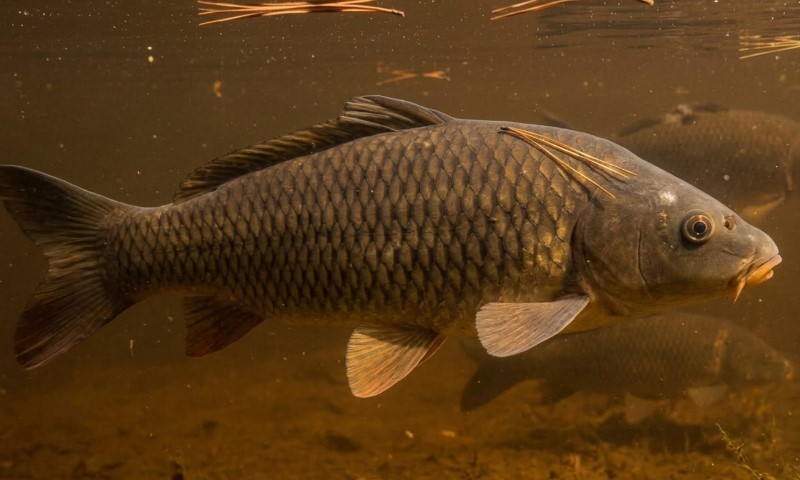
1. Common Carp: The Environmental Sponge
Carp are the ultimate environmental barometers. In clean, flowing water, they are a staple food in many cultures; in stagnant ponds, they taste like the silt they forage. Their complex bone structure makes them a nightmare for the amateur fillet-knife handler.
- Kayak Verdict: Their thick mucus coats gear and electronics. If you keep one, use a dedicated bag. Otherwise, release.
2. Bowfin: The Prehistoric Mush
Bowfin possess unique enzymes that cause their flesh to break down into a soft, cotton-like mush almost immediately upon death.
- Kayak Verdict: Unless you have a high-capacity cooler with ample ice to chill the fish instantly, do not bother. They are best left to fight another day.
3. Gizzard Shad: The "Glitter" Bomb
While excellent for catfish bait, gizzard shad are high-maintenance. They are bony, oily, and shed scales that stick to every inch of a kayak cockpit like glitter.
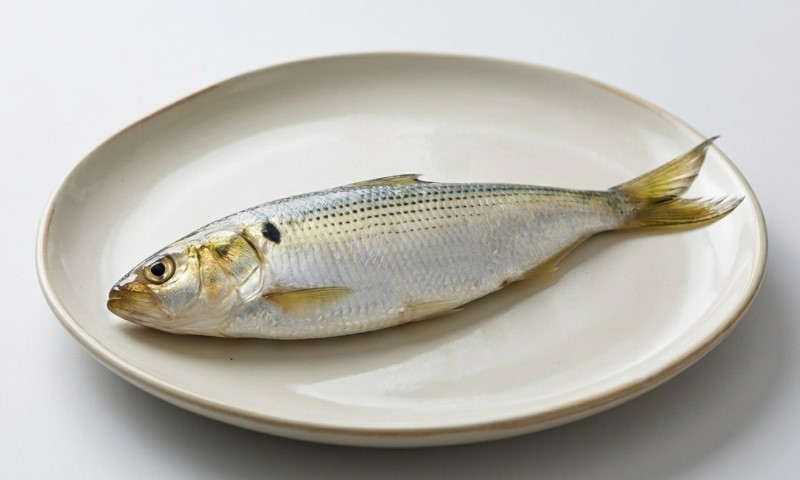
- Kayak Verdict: Strictly bait.
4. Large Bluefish: The Oily Fighter
Bluefish are aggressive and have a rich, complex flavor that turns rank if the fish is not bled and iced correctly.
- Kayak Verdict: The "crime scene" left by bleeding a large bluefish on a kayak deck is often more trouble than the fillet is worth.
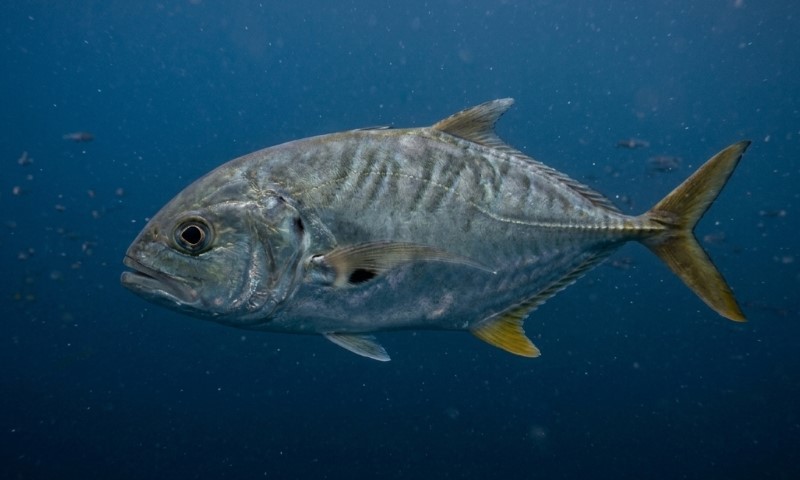
5. Jack Crevalle: The Metallic Challenge
Pound-for-pound, the Jack Crevalle is a top-tier fighter. However, their meat is dark, bloody, and carries a strong, metallic tang.
- Kayak Verdict: Keep only the smaller specimens (under 5 lbs) and prepare them with heavy citrus to offset the gamey flavor.
6. Bigmouth Buffalo: A Misunderstood Resource
Often mistaken for carp, these native fish are experiencing a resurgence in popularity. They are tough to scale, requiring heavy-duty tools.
- Kayak Verdict: A labor-intensive harvest. Only recommended for those willing to commit to proper processing at home.
7. Freshwater Drum: The Bouncy Variable
Drum are controversial due to their firm, sometimes rubbery texture. They are also prone to grunting, which can be an unnerving experience in the silence of a solo kayak session.
- Kayak Verdict: Check local water quality first. If safe, they make decent fish cakes.
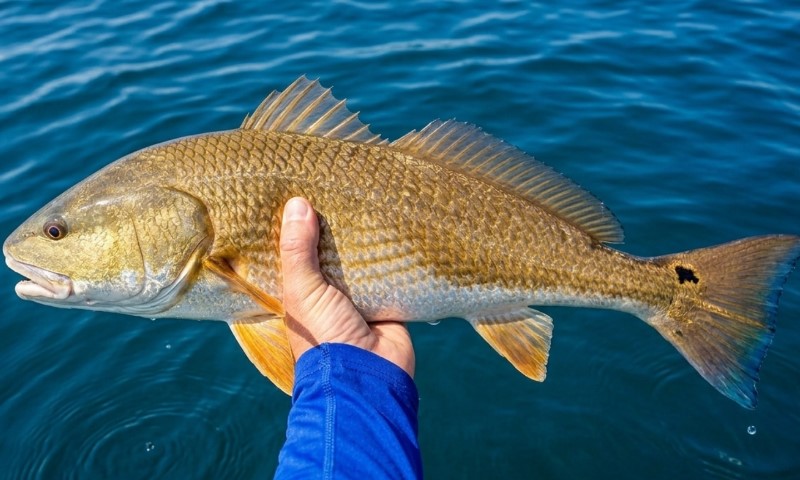
8. Large Black Drum: The Parasite Host
While "puppy drum" are excellent eating, large bulls are often riddled with spaghetti worms. While harmless when cooked, the sight of them is off-putting to most diners.
- Kayak Verdict: Catch-and-release only. These fish are old, tough, and best left to spawn.
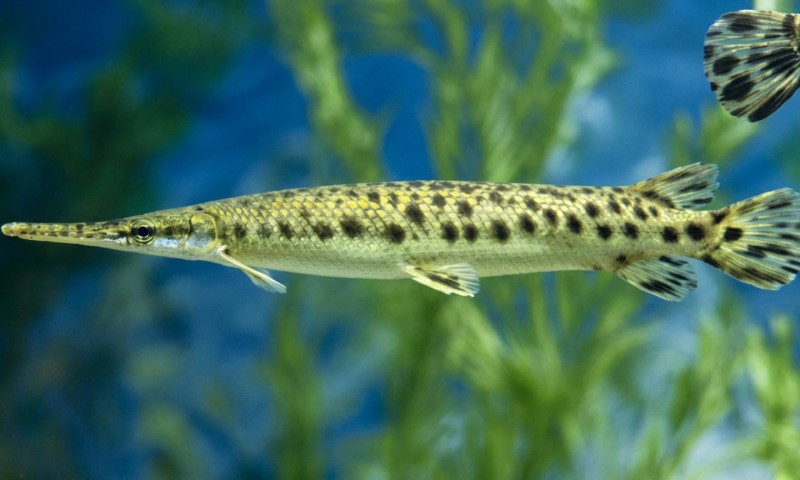
9. Gar: The Armored Risk
Gar meat is surprisingly white and firm, but their roe is toxic.
- Kayak Verdict: The armor-like scales require tin snips, and the risk of injury from a thrashing gar in a confined cockpit is high.
10. Barracuda: The Ciguatera Gamble
Barracuda are the primary carriers of Ciguatera, a heat-stable toxin that cannot be cooked out. It is a severe form of food poisoning that can ruin your health for months.
- Kayak Verdict: Not worth the gamble. Photograph and release.
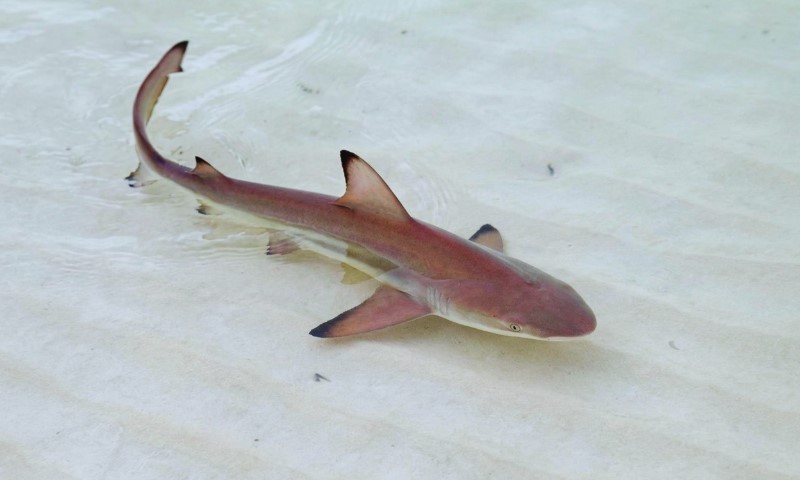
11. Shark: The Ammonia Problem
Sharks excrete urea through their skin. If not bled and soaked in milk or citrus, the flesh will taste like harsh cleaning chemicals.
- Kayak Verdict: Given their slow reproductive rates and mercury concerns, shark fishing should almost always be catch-and-release.
12. Large Pelagic Predators (Marlin, Swordfish, Bigeye)
These species are prone to scombroid poisoning if not temperature-controlled immediately.
- Kayak Verdict: The logistics of keeping a 50lb+ fish on ice in a kayak are nearly impossible. These giants are better suited for larger vessels.
Ethical Stewardship and the Kayak Advantage
The rise of kayak angling has brought a new level of intimacy between the fisherman and the water. This proximity confers a responsibility: we are not just observers; we are participants in the health of the fishery.
The "Ethics of the Catch"
Ethical angling extends beyond complying with creel limits. It involves the maturity to recognize when a catch is beyond our logistical capacity to process humanely. If you lack the cooler space, the ice, or the necessary tools to process a fish quickly and safely, the most ethical choice is to release it.
Leaving a Legacy
Every time we release a large, breeding-age fish—like a 40-pound black drum or a trophy-sized jack—we are investing in the future of the sport. We are ensuring that the population remains robust for the next generation of paddlers.
Final Thoughts for the Water
Respecting the fish also means respecting your own limitations. We are visitors in their domain. When you decide to harvest, do so with purpose. When you decide to release, do so with care. By adhering to these principles, you ensure that every trip, regardless of whether you end up with a cooler full of fillets or just a camera full of photos, is a success.
As you push off from the launch, remember: the best anglers are those who know not just how to catch, but when to let go. Tight lines, and paddle safe.