As outdoor recreation continues to see a massive surge in popularity, more Americans than ever are looking to the water for adventure. With nearly 60% of the U.S. population participating in outdoor activities in 2024, the demand for accessible, low-impact water sports has never been higher. According to recent data from the Outdoor Industry Association, paddlesports alone—encompassing canoeing, kayaking, and stand-up paddleboarding—have hooked approximately 30 million enthusiasts.
However, for the uninitiated, the choice between a canoe and a kayak can be daunting. Is one inherently safer? Which offers better utility? The decision often rests on a delicate balance of intended use, physical mobility, storage capacity, and the specific aquatic environment you plan to explore.
The Core Distinctions: Structural and Functional Anatomy
To understand the difference between these two vessels, one must look at both their design and the biomechanics of their operation.
The Canoe: The Floating SUV
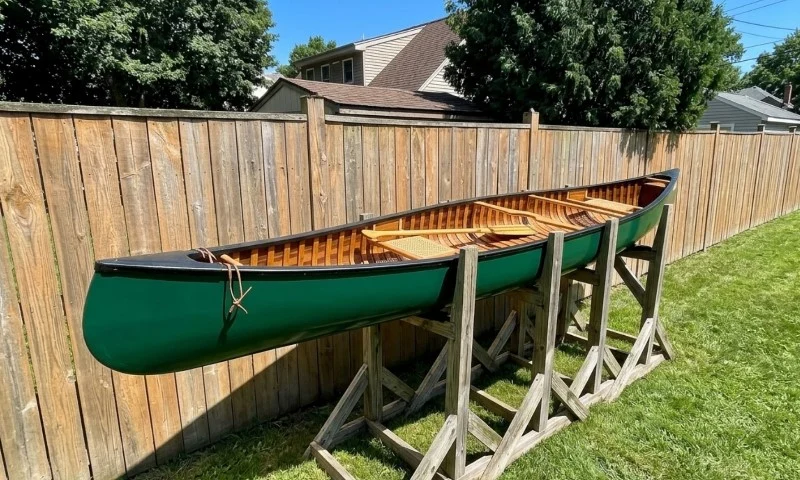
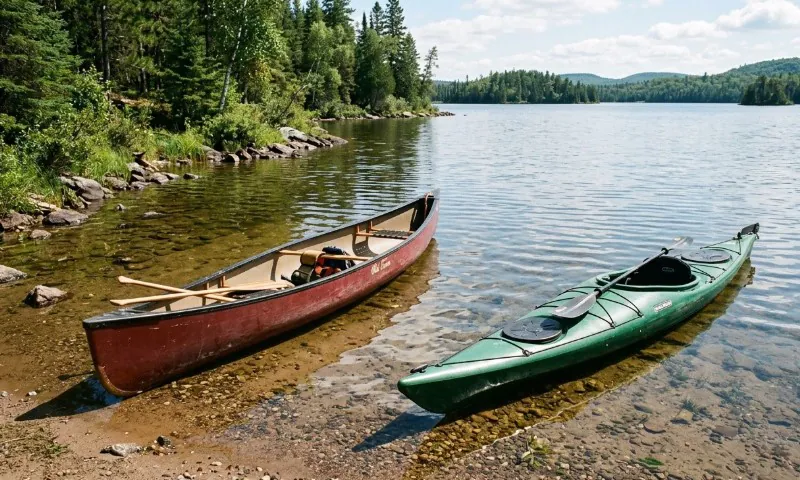
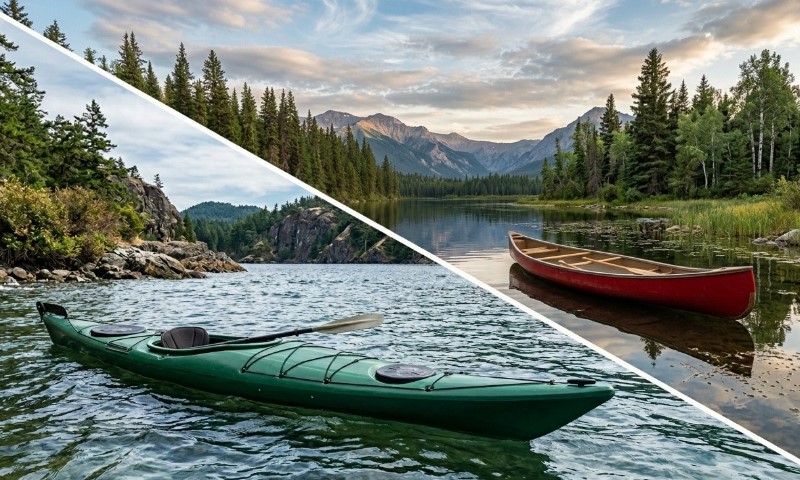
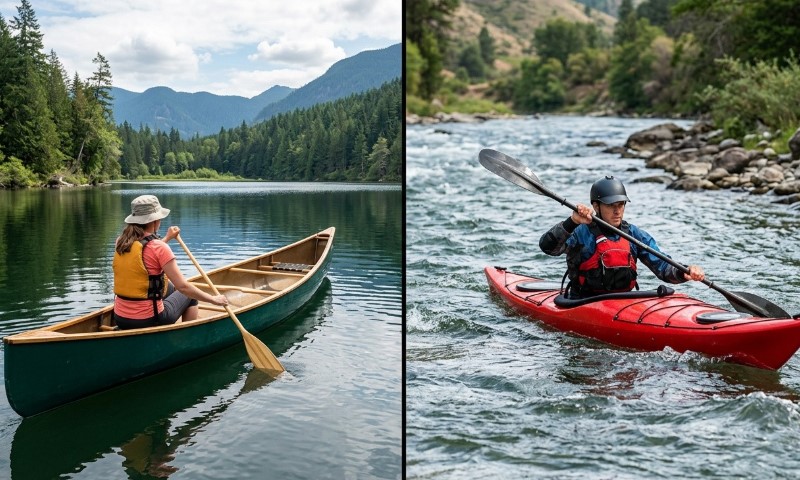
A canoe is a traditional, open-decked watercraft. Typically characterized by higher sides and a wider beam, it is designed for buoyancy and stability in calm, inland waters. Propulsion is achieved using a single-bladed paddle. Because of its open design, a canoe offers unparalleled flexibility in how you sit—often on a bench seat or, for more experienced paddlers, while kneeling to lower the center of gravity.
The Kayak: The Sleek Sportscar
In contrast, a kayak is defined by a closed or semi-open deck and a lower center of gravity. The paddler sits closer to the water level, typically with their legs extended forward. Propulsion is powered by a double-bladed paddle, allowing for consistent, rhythmic strokes that are generally more efficient for solo travelers and those looking to cover significant distance.
Chronology of a Growing Industry
The evolution of these boats spans thousands of years. While canoes and kayaks were originally developed by indigenous cultures for hunting and transportation, the modern recreational industry has refined these designs for specific niche activities.
- Pre-20th Century: Canoes were primarily wood-and-canvas or birchbark, used for long-distance exploration and trade. Kayaks, traditionally constructed from animal skins stretched over whalebone or driftwood frames, were specialized for arctic sea hunting.
- The 1950s-1980s: The introduction of fiberglass and later, rotomolded polyethylene, transformed these vessels into durable, affordable consumer products.
- 2010s-Present: The market has exploded with specialized innovations, including pedal-drive fishing kayaks, inflatable high-pressure drop-stitch kayaks, and modular, packable canoes that fit into a standard car trunk.
Supporting Data: By the Numbers
Understanding which vessel suits your needs often comes down to the "Real-World Consequence" of design features.
| Feature | Canoe | Kayak |
|---|---|---|
| Paddle Type | Single-blade | Double-blade |
| Stability | High initial (flat water) | High secondary (rough water) |
| Cargo Space | Superior (open layout) | Limited (hatch-dependent) |
| Wind Handling | Poor (high profile) | Excellent (low profile) |
| Entry/Exit | Generally easier | Challenging for those with limited mobility |
The Outdoor Industry Association notes that the "recreational" segment—those paddling on calm lakes and slow-moving rivers—represents the largest growth sector. Interestingly, while canoes have a longer history in North American camping culture, the kayak has dominated the recent market growth due to its perceived ease of handling for solo paddlers.
Official Perspectives on Safety and Regulation
When discussing water safety, authorities are unequivocal. The U.S. Coast Guard reports that the vast majority of boating-related fatalities involve individuals who are not wearing a personal flotation device (PFD).
The Life Jacket Mandate
It is a common misconception that a life jacket is only necessary if you are a weak swimmer. The National Park Service (NPS) emphasizes that cold-water shock can incapacitate even elite swimmers in seconds. Furthermore, the act of putting on a PFD while struggling in the water is statistically near-impossible.
- Regulatory Requirements: Most states require children under 13 to wear a PFD at all times while on a moving vessel.
- Equipment Laws: While a throwable flotation device is required for larger vessels, it is typically not required for canoes or kayaks. However, a wearable, Coast Guard-approved PFD is mandatory for every person on board.
- The "Rule of the Night": If you choose to paddle at night or in low-visibility conditions, you are legally required to carry a white light or flashlight to alert other boaters.
Implications for the Modern Enthusiast
Choosing the right boat has profound implications for your enjoyment and safety. A mismatch between your boat and your environment can lead to a "dry-docked" vessel that collects dust in the garage.
Why Choose a Canoe?
The canoe is the undisputed king of utility. If your goal is to transport a family, a dog, or significant camping equipment, the open design of a canoe is unrivaled. It is the preferred choice for:
- Family Outings: Easy interaction between passengers.
- Backcountry Camping: Ability to carry large, bulky dry bags and coolers.
- Wildlife Observation: Higher seating position allows for better sightlines into the water and surrounding brush.
Why Choose a Kayak?
The kayak offers a more intimate connection with the water and superior performance in adverse conditions. If you are a solo traveler or enjoy fitness-oriented paddling, the kayak is your best bet. It excels in:
- Windy Conditions: Its lower profile prevents it from acting as a sail, making it easier to maintain a heading in a breeze.
- Efficiency: The double-bladed paddle provides a symmetrical stroke that is more intuitive for beginners to track straight.
- Specialized Needs: From whitewater agility to coastal touring, the kayak is a precision tool.
The Logistics of Ownership: Storage and Maintenance
A frequent oversight for new buyers is the "un-fun" reality of boat ownership: transport and storage.
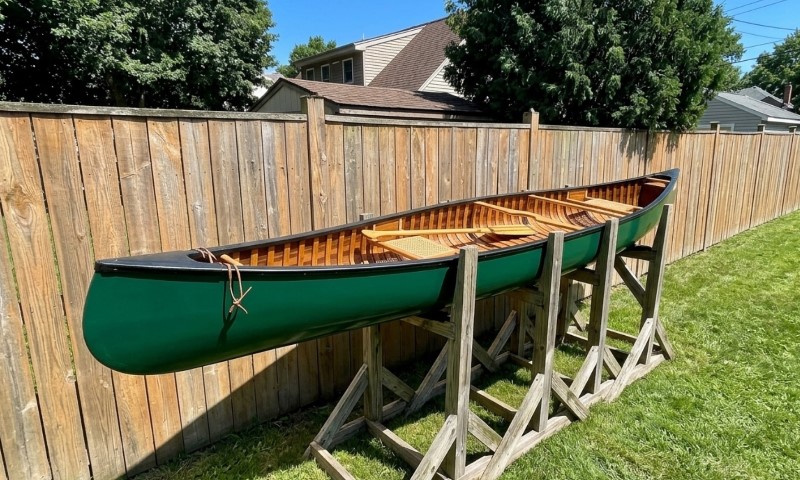
A 16-foot canoe, while stable and spacious, requires a roof rack and the physical strength to hoist it overhead. A heavy, fully-rigged fishing kayak might require a specialized trailer or a cart to move from the parking lot to the shoreline. Before purchasing, consider the following:
- Vehicle Capacity: Can your car handle a roof rack?
- Storage Space: Do you have a garage, shed, or dedicated wall space?
- Physical Capability: Can you lift the hull comfortably?
- Local Access: Are you close to a launch point?
- Rental Availability: Can you rent the boat you want to test before buying?
Expert Guidance: The "Rent Before You Buy" Rule
Oliver Adler, a veteran of the paddlesports industry, strongly advocates for a "try-before-you-buy" approach. "A boat is a significant investment in your leisure time," Adler notes. "The best boat is not the one with the highest price tag or the most features—it’s the one you actually use."
Adler suggests that beginners look for local outfitters or community clubs that offer demo days. "You might think you want a high-performance touring kayak, but if you struggle to get in and out of the cockpit, you’ll end up resenting the boat. Renting allows you to test seat comfort, weight, and tracking without the long-term commitment."
Final Considerations: The Verdict
Ultimately, the choice between a canoe and a kayak is a choice of philosophy. The canoe is a collaborative, open-ended platform designed for shared experiences and cargo-heavy journeys. The kayak is a precision-oriented, solo-focused vessel designed for efficiency, speed, and handling the elements.
When evaluating your purchase, prioritize your actual environment over your aspirations. If you live near a large, wind-whipped lake, a sleek kayak will provide more days on the water than a canoe. If you frequently visit small, winding rivers with your family, a canoe will offer the comfort and versatility that a kayak simply cannot match.
Regardless of the vessel you choose, the most important gear you will ever purchase is your life jacket. Prioritize your safety, respect the water, and remember that the best boat is the one that gets you away from the shore and into the adventure. Whether you are using a single blade or a double, the water is waiting.