Introduction: A Strategic Pivot Toward Blue Energy
For decades, Türkiye’s energy narrative has been defined by its strategic position as a bridge between East and West, primarily serving as a transit hub for oil and gas pipelines. However, a seismic shift is underway. By leveraging its vast, untapped maritime geography across the Aegean, Mediterranean, and Black Seas, Ankara is positioning itself to become a powerhouse in the global offshore wind sector. As the world accelerates its transition toward net-zero, Türkiye’s pivot toward offshore wind is not merely an environmental goal; it is a calculated industrial strategy designed to enhance national energy security, stimulate domestic manufacturing, and redefine its role in the Mediterranean energy architecture.
Main Facts: The Scope of Türkiye’s Offshore Ambition
The Turkish Ministry of Energy and Natural Resources has identified significant potential in its coastal waters. Unlike many European nations that are already reaching capacity in their near-shore zones, Türkiye possesses deep-water areas and wind corridors that remain largely unexploited.
Current projections indicate that Türkiye has a technical offshore wind potential exceeding 70 gigawatts (GW). While the government’s initial targets are more conservative—aiming for approximately 5 GW of installed offshore capacity by 2035—the regulatory framework is being rapidly overhauled to attract the billions of dollars in foreign direct investment required to realize this vision.
The key drivers of this transformation include:
- Geographic Advantage: High-velocity wind speeds in the Marmara and Aegean regions.
- Industrial Synergy: A robust domestic steel and maritime construction sector that can be pivoted toward turbine foundation and platform manufacturing.
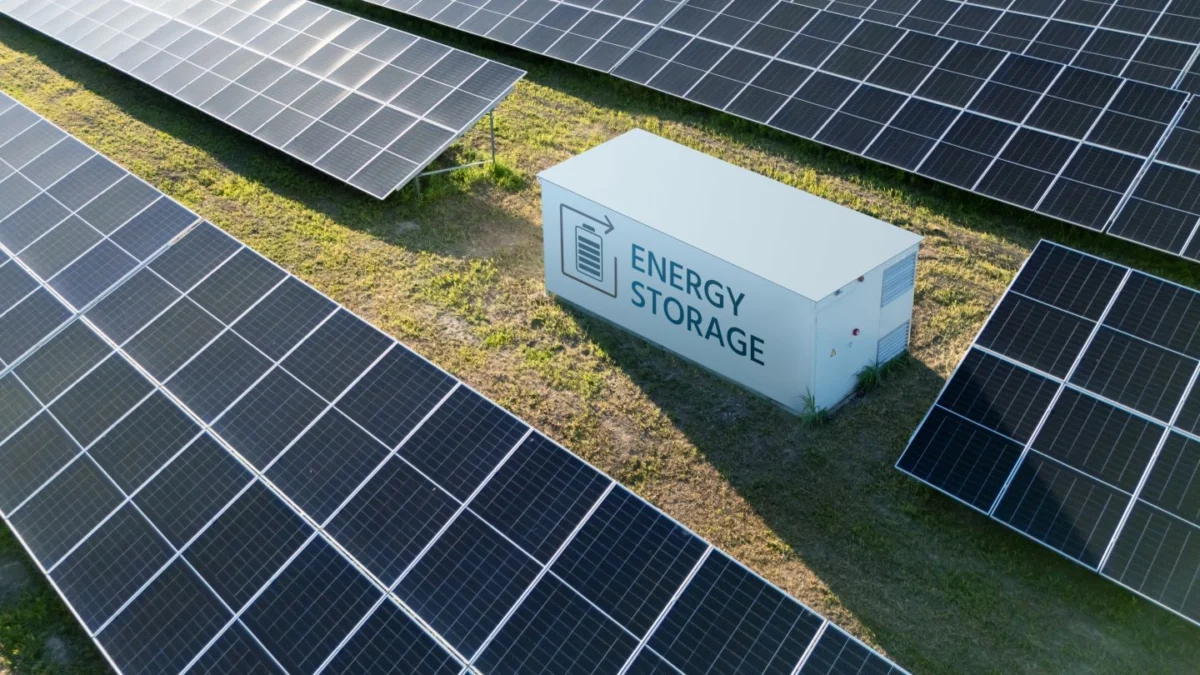
- Grid Integration: Plans to modernize the national grid to handle intermittent renewable energy, supported by investments in battery storage and hydrogen production.
Chronology: The Road to the Offshore Horizon
The transition did not happen overnight. It is the result of a decade-long policy evolution.
- 2014–2017: The Planning Phase. The Turkish government began initial mapping of wind resources, moving beyond onshore installations to evaluate the feasibility of floating and fixed-bottom offshore platforms.
- 2018: Renewable Energy Resource Areas (YEKA). The introduction of the YEKA model, which bundles land and grid connection permits with power purchase agreements (PPAs), proved successful for onshore wind. Officials began discussing extending this model to offshore projects.
- 2021: The National Energy Plan. The Ministry published its "Turkey Energy Outlook," explicitly naming offshore wind as a pillar of the 2035 energy strategy.
- 2023–2024: Regulatory Refinement. Throughout this period, the government focused on streamlining the licensing process, aiming to resolve maritime spatial planning conflicts with fishing and shipping industries.
- 2025 and Beyond: The anticipated launch of the first large-scale offshore wind tenders, signaling the start of actual project construction.
Supporting Data: The Economic and Technical Case
Data from international energy agencies suggests that Türkiye is one of the most promising emerging markets for offshore wind in the MENA region. According to recent analyst insights, the Levelized Cost of Energy (LCOE) for offshore wind in Türkiye is expected to drop significantly by 2030, driven by global technological advancements and the local production of turbine components.
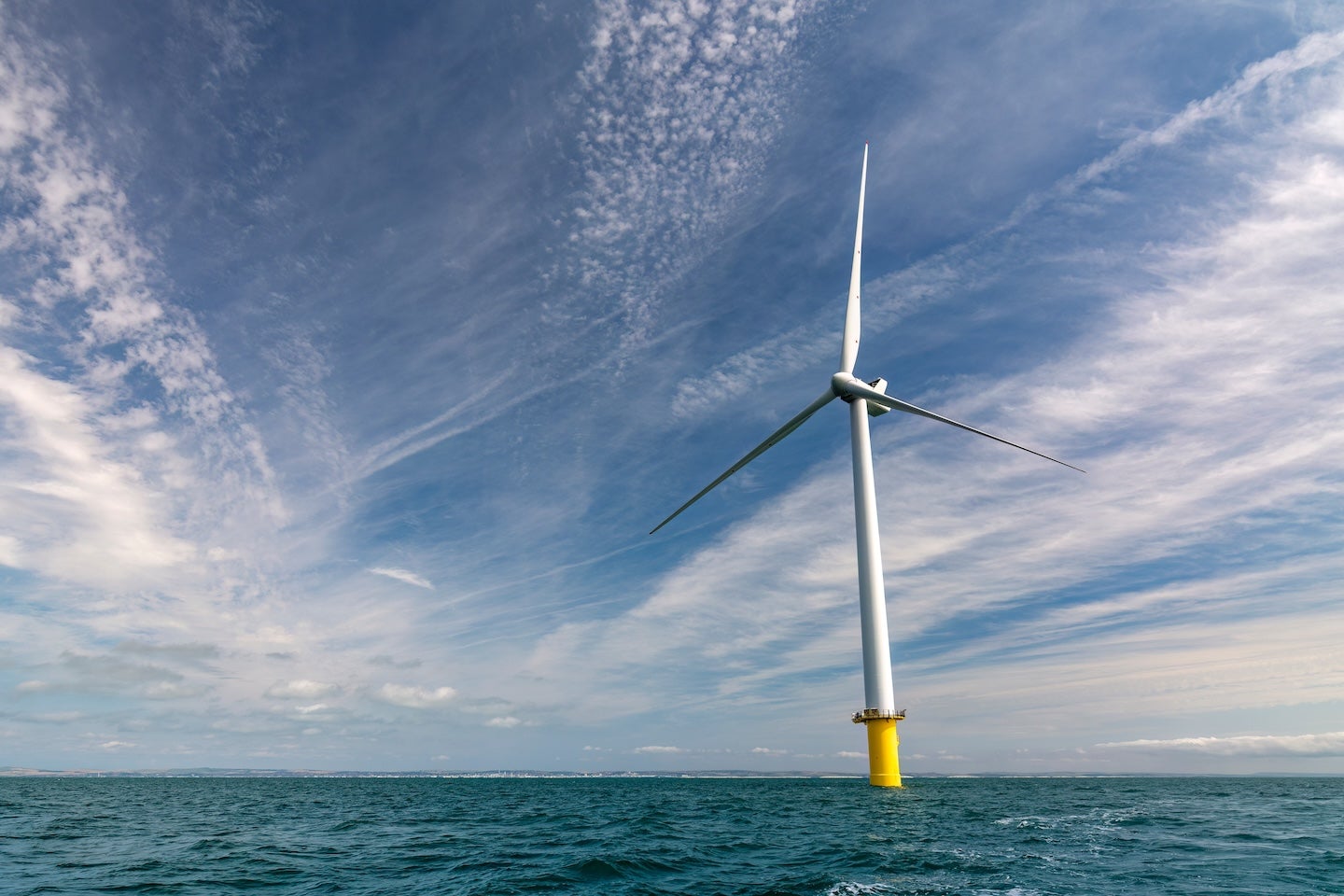
- Wind Speeds: Average wind speeds in designated offshore zones range between 7.5 and 9.5 meters per second at 100 meters height.
- Job Creation: Estimates from the Turkish Wind Energy Association (TÜREB) suggest that a matured offshore sector could generate upwards of 20,000 high-skilled jobs in logistics, maritime engineering, and turbine maintenance.
- Supply Chain: Türkiye already exports wind turbine towers to Europe. Transitioning this capacity to manufacture larger offshore foundations could allow Türkiye to become a regional manufacturing hub, reducing the cost of transport for projects in the Black Sea and the Mediterranean.
Official Responses and Stakeholder Perspectives
The government’s stance has been one of cautious optimism. The Ministry of Energy emphasizes that offshore wind is essential to reducing the country’s reliance on imported natural gas, which historically accounts for a large portion of the current account deficit.
"Our goal is to build a self-sustaining energy ecosystem," a ministry spokesperson stated during a recent energy forum. "Offshore wind represents the next frontier in our energy independence strategy. We are working to ensure that our regulatory environment is as transparent and investor-friendly as possible."
Conversely, industry stakeholders—including private energy developers—have called for more clarity on "offshore-specific" tariffs. While the appetite for investment is high, investors are looking for long-term stability in the form of secure, inflation-indexed PPAs. Environmental groups have also entered the conversation, urging the government to conduct comprehensive maritime impact assessments to protect the Mediterranean’s sensitive marine biodiversity.
Implications: A New Regional Energy Architecture
The rise of Türkiye’s offshore wind sector carries profound implications for both the regional economy and international geopolitics.
1. Energy Security and the Current Account
By shifting from gas-fired power generation to indigenous renewable sources, Türkiye can significantly lower its energy import bill. This not only bolsters the national currency but also provides a hedge against the volatile global LNG and natural gas markets.
2. The Manufacturing Hub Opportunity
Türkiye’s manufacturing sector is already integrated into the European supply chain. By scaling up offshore wind production, Türkiye can position itself as a key supplier for the European Union’s own ambitious offshore targets, creating a mutually beneficial trade relationship.
3. Geopolitical Influence
Energy has always been a lever of power. As Türkiye develops its offshore capabilities, it gains a new form of "soft power." By leading the development of offshore wind in the Black Sea, for instance, Türkiye sets the standard for regional grid interconnection and maritime renewable technology, potentially becoming a lead consultant and partner for neighboring nations.
4. Technical Challenges and Innovation
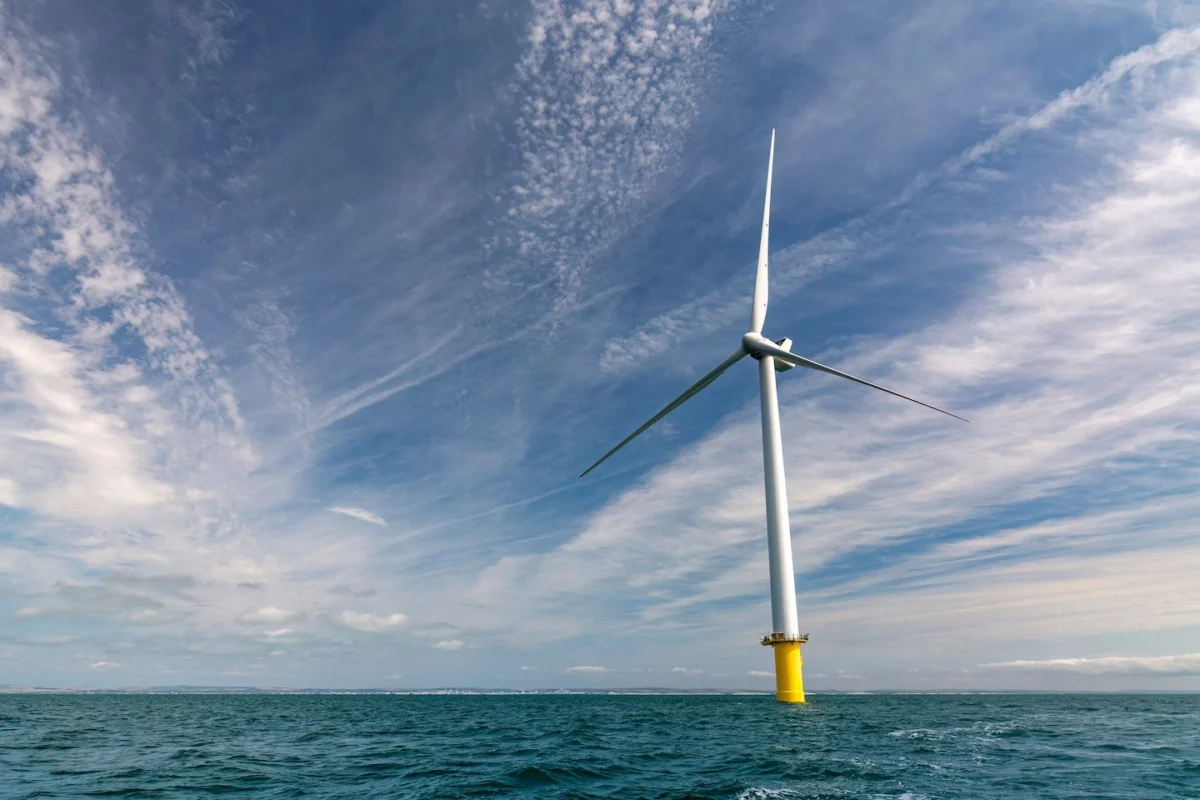
The path forward is not without hurdles. The deep-water nature of parts of the Aegean and Mediterranean may necessitate the use of floating offshore wind (FOW) technology. While more expensive than fixed-bottom turbines, FOW offers access to stronger, more consistent winds. Türkiye’s ability to master this technology—potentially through joint ventures with European or Asian leaders in the field—will be the true test of its long-term viability.
Conclusion: A Sustainable Future
Türkiye’s offshore wind ambitions are a testament to the country’s ability to adapt its economic engine to the requirements of the 21st century. By transforming its maritime spaces into energy-producing assets, Türkiye is not only addressing its own energy needs but is also positioning itself to be a critical player in the global renewable energy market.
The road ahead will require sustained investment, a steady regulatory hand, and a commitment to international collaboration. However, the foundational elements—geography, existing manufacturing prowess, and political will—are firmly in place. As the first turbines begin to appear on the horizon, the message to the global market is clear: Türkiye is ready to harness the wind to power its future.
Key Takeaways for Investors and Industry Analysts
- Market Entry: Investors should prioritize monitoring the upcoming YEKA tenders, which will offer the clearest path to project participation.
- Supply Chain Localization: Companies capable of establishing local manufacturing facilities for foundations, blades, or transmission infrastructure are likely to find the most favorable terms under new government incentives.
- Risk Management: Regulatory clarity is improving, but stakeholders should focus on maritime spatial planning developments to ensure project site longevity and environmental compliance.
As Türkiye integrates these vast offshore resources into its grid, the country is set to move from a peripheral player in the global energy transition to a central force. The shift is not just about power; it is about securing a resilient, sustainable, and prosperous future for the nation.