Date: August 25, 2026
Reporting: Samuli Haapasalo | Year in Nature
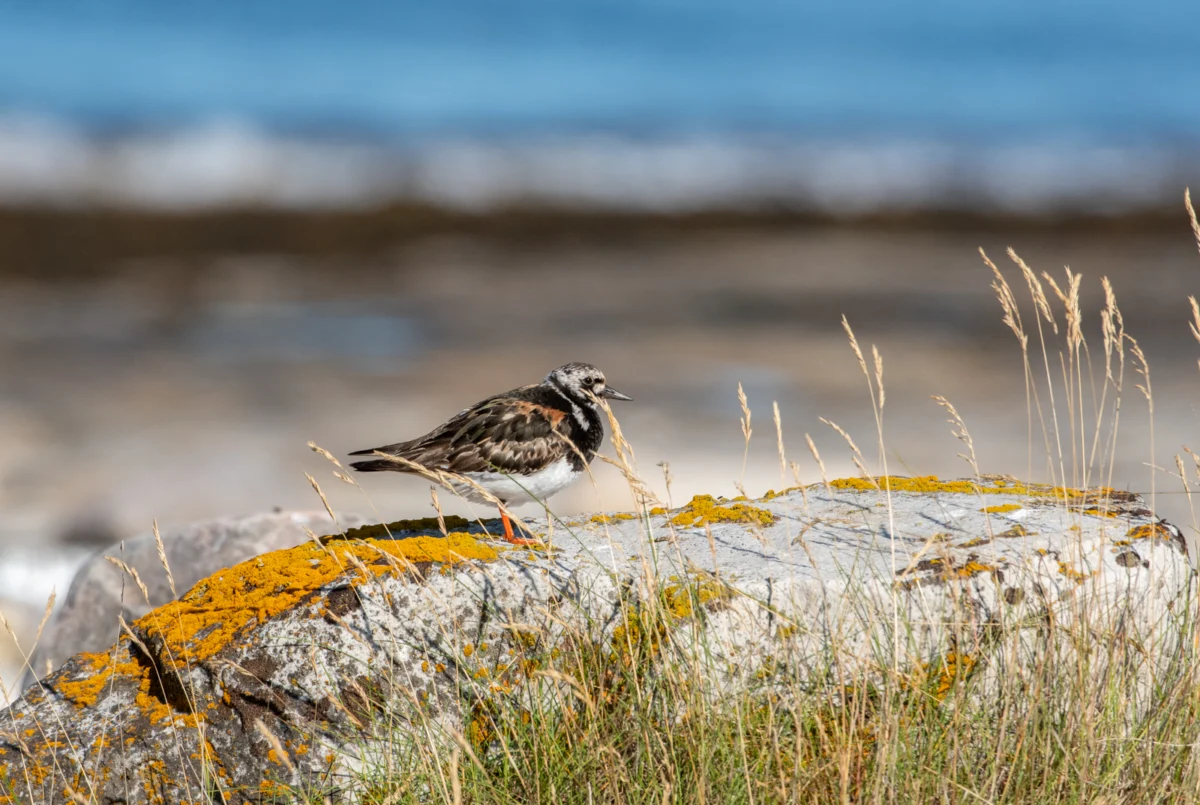
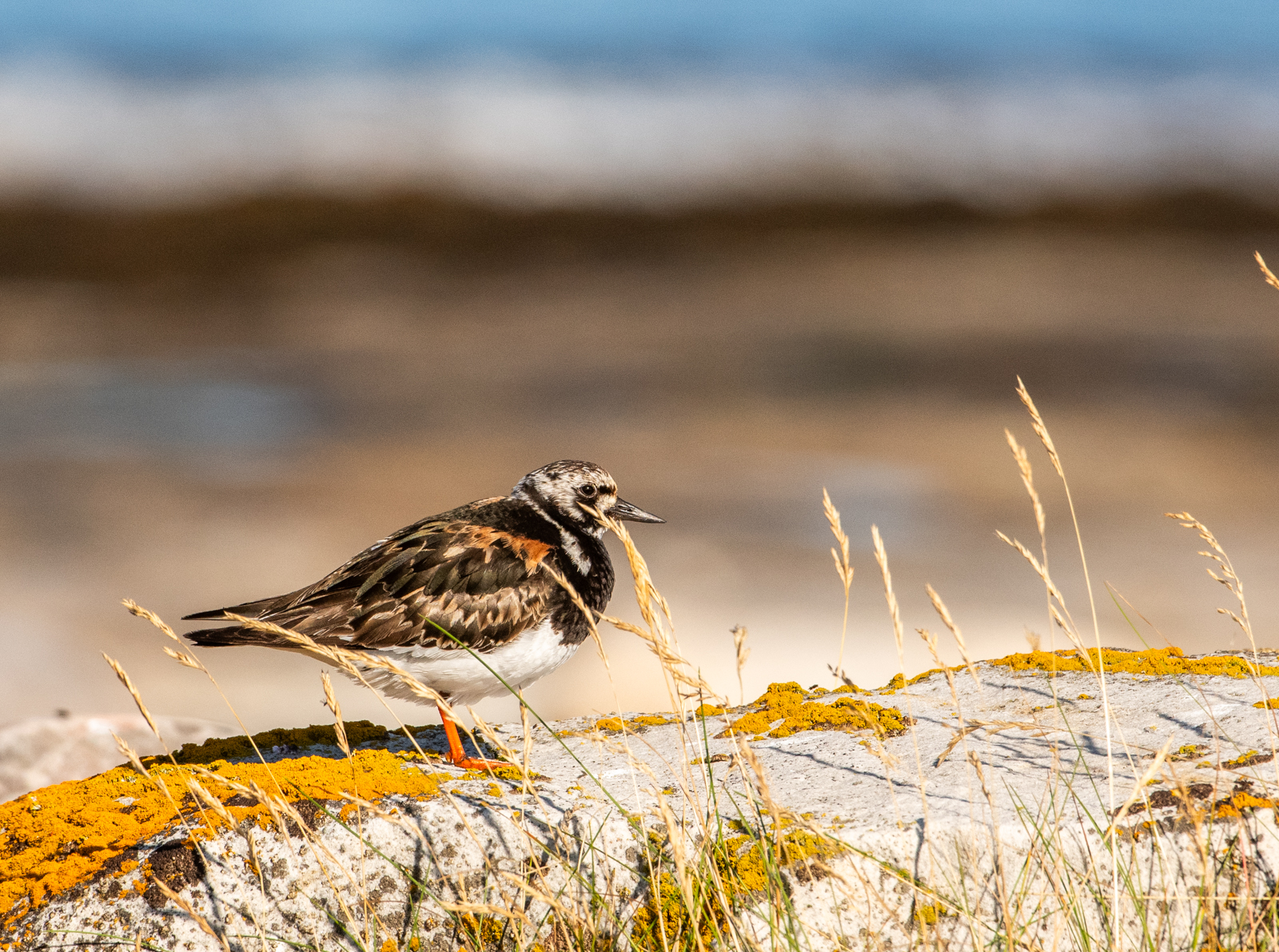
The karikukko (ruddy turnstone, Arenaria interpres) is a bird of striking contrasts. Its plumage is a kaleidoscope of chestnut, black, and white, making it instantly recognizable to the keen-eyed observer. Its presence is often announced by sudden, piercing cries that cut through the coastal breeze. However, behind this vibrant exterior lies a somber reality: the karikukko is currently categorized as critically endangered in Finland, a status that reflects the broader, accelerating decline of biodiversity across the Baltic and North Atlantic coastlines.
Main Facts: A Species in Peril
The karikukko’s status as a "critically endangered" species is not merely a label; it is a desperate alarm bell. Over the past half-century, the population in Finland has plummeted, leading to its near-total disappearance from the inner archipelago. While small, fragmented populations persist in the Archipelago Sea and the Kvarken region, their numbers remain dangerously low.
Even in the Gulf of Finland, where these birds were once a staple of the landscape, they have become a rarity. In a surprising biological anomaly, a few resilient pairs have taken to nesting on large inland lakes, yet these isolated pockets cannot compensate for the widespread abandonment of traditional coastal breeding grounds. Across the border in Estonia, the situation is similarly dire, with only a few dozen pairs remaining. It is only in the rugged, cooler reaches of Norway’s Varanger Fjord that the species maintains a more stable, albeit still vulnerable, foothold.
Chronological Observations: A Summer in Varanger
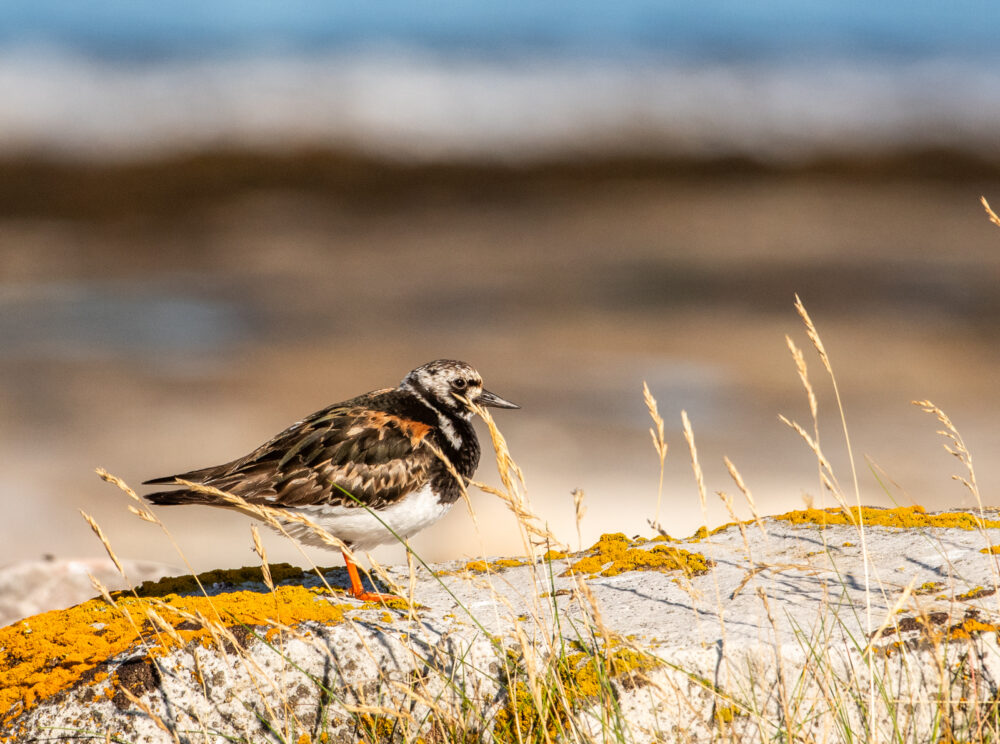
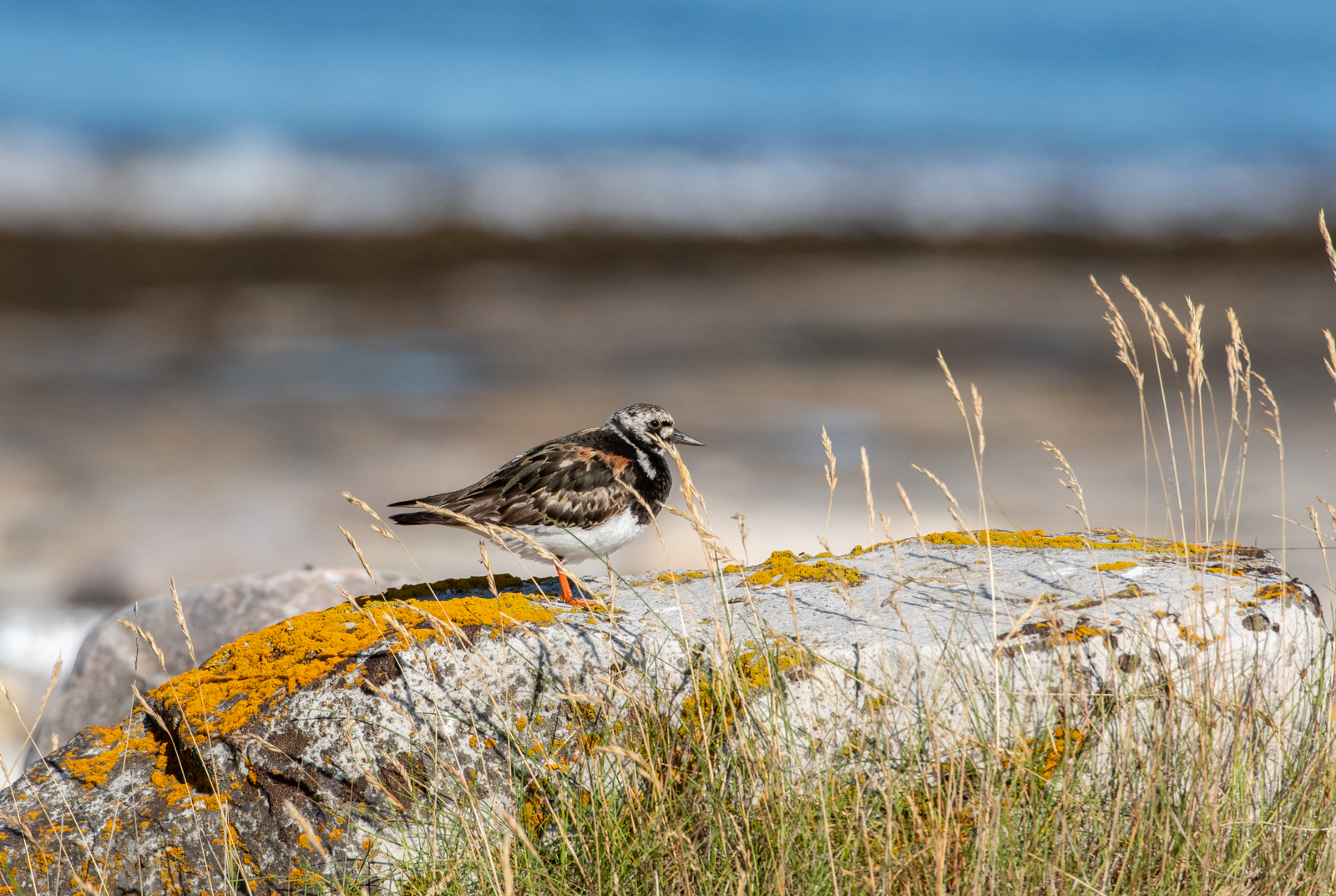
During a recent expedition to the Ekkerøy peninsula in Varanger, the resilience of the species was on full display—and yet, the fragility of its survival was equally apparent. In late July 2026, a single adult bird sat perched upon a rock, its behavior suggesting a defensive posture.
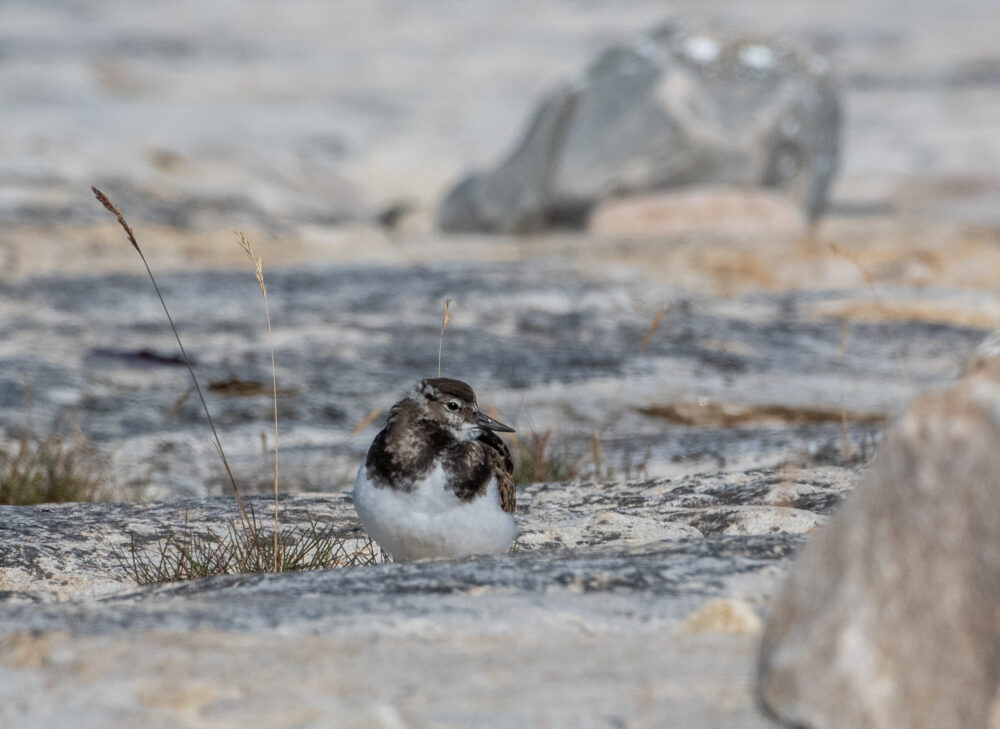
The cause of its agitation was soon revealed: a fledgling, nearly the size of an adult, was navigating the rocky terrain near the shoreline. The adult’s sharp, rhythmic calls were not aimless; they were a tactical communication system designed to warn the young bird of potential threats. The presence of this fledgling provides a glimmer of hope, proving that reproduction is still occurring. However, as the adult kept watch, it was clear that the survival of even one offspring is a high-stakes gamble against environmental degradation, invasive predators, and human encroachment.
Supporting Data: The Invasive Factor
The primary culprit in the karikukko’s decline is, unequivocally, the American mink (Neovison vison). Introduced to the region for the fur trade, this invasive predator has wreaked havoc on ground-nesting birds. The karikukko typically hides its clutch of three to four eggs in crevices beneath rocks or deep within mossy hummocks.
Evolutionarily, these birds developed these nesting strategies to avoid native predators, but they are no match for the mink. As an exceptionally agile swimmer, the mink can navigate to the furthest, most isolated outer skerries, turning once-safe breeding sanctuaries into death traps. The destruction of these eggs is not merely a loss of a single season; it is a cumulative assault on the population’s ability to replace itself.
Furthermore, the karikukko exhibits a opportunistic, "generalist" feeding behavior that highlights the stress on the entire coastal ecosystem. In years when food sources are scarce, or when competition from other gulls and terns intensifies, the karikukko has been observed consuming the eggs of other birds. This behavior is a desperate adaptation to an environment where resources are thinning and competition is becoming increasingly fierce.
Official Responses and Conservation Mandates
Conservationists and ornithological societies have been clear: the recovery of the karikukko is inseparable from the total eradication of the American mink from the archipelago. Voluntary efforts are insufficient; a systematic, government-backed culling program is the only viable path forward.
Moreover, the protection of nesting sites must be absolute. The research indicates that even minor human interference during the spring and summer breeding seasons can lead to nest abandonment. Consequently, authorities have reiterated the importance of strict adherence to landing bans on protected skerries. This is not just a suggestion; it is a critical mandate. Fishing activities near these designated breeding sites must also be restricted during the critical months to ensure that the birds are not displaced by human presence during the most sensitive phase of their reproductive cycle.
Implications: A Wider Ecological Crisis
The decline of the karikukko is a sentinel event, a "canary in the coal mine" for the broader state of our aquatic and coastal environments. When a bird species that has inhabited these regions for millennia begins to blink out, it signals a systemic breakdown.
1. The Disruption of Food Webs
The karikukko occupies a specific niche in the coastal food web. Its disappearance—or even its significant decline—alters the distribution of nutrients and the balance of prey populations. As a predator of small invertebrates and a scavenger, the species plays a role in keeping coastal ecosystems dynamic.
2. The Impact of Climate and Migration
Many waders face compounding difficulties on their wintering grounds. Climate change is altering the timing of insect emergence, creating a "phenological mismatch" where the chicks hatch either too early or too late to take advantage of peak food abundance. When these climate pressures are layered on top of direct predation by invasive species, the survival threshold becomes nearly impossible for the birds to meet.
3. The Ethical Imperative
The responsibility to protect the karikukko is both scientific and ethical. We are currently presiding over a period of mass species loss, and the "critically endangered" status of a once-common bird is a moral indictment of our land-use and conservation policies. If we cannot effectively manage the removal of an invasive species like the mink, we are signaling that the survival of native, endemic biodiversity is secondary to human convenience.
Moving Forward: A Path to Recovery
The story of the karikukko is not yet a closed book, but the final chapters are being written in real-time. The observations at Varanger Fjord demonstrate that the species has the biological capacity to reproduce. The failure lies in the environment we have created for them.
To reverse this trend, we must adopt a three-pronged approach:
- Aggressive Eradication: A coordinated, transnational effort between Finland, Estonia, and Norway to eradicate the American mink from all critical breeding archipelagos.
- Stricter Habitat Protection: Extending and strictly enforcing "no-go" zones during the breeding season. This includes banning recreational boat traffic, fishing, and drone photography near nesting colonies.
- Public Awareness: Educating the public on why these seemingly empty, rocky islands are actually bustling maternity wards that require human distance to thrive.
The cry of the karikukko across the rocky shoreline of the North is a sound of history. Whether it becomes a sound of the past or remains a part of our future depends entirely on the actions taken in the next decade. We have the data, we understand the threats, and we know the solutions. What remains is the political and public will to ensure that the karikukko continues to find a home on our coasts.
As we look toward the 2027 breeding season, the hope is that the lessons learned from this year’s observations will be translated into concrete, boots-on-the-ground action. Every pair that successfully raises a chick is a victory; every nest saved from a predator is a step back from the brink. The karikukko is not just a bird; it is a part of the identity of the North, and its loss would be a permanent dimming of our natural heritage.