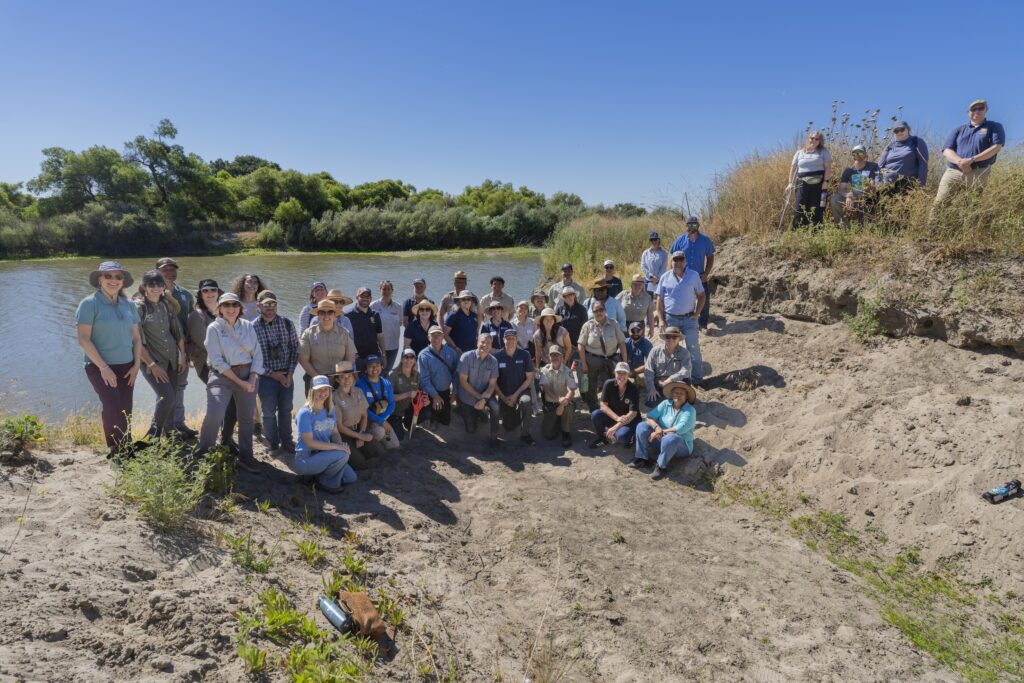
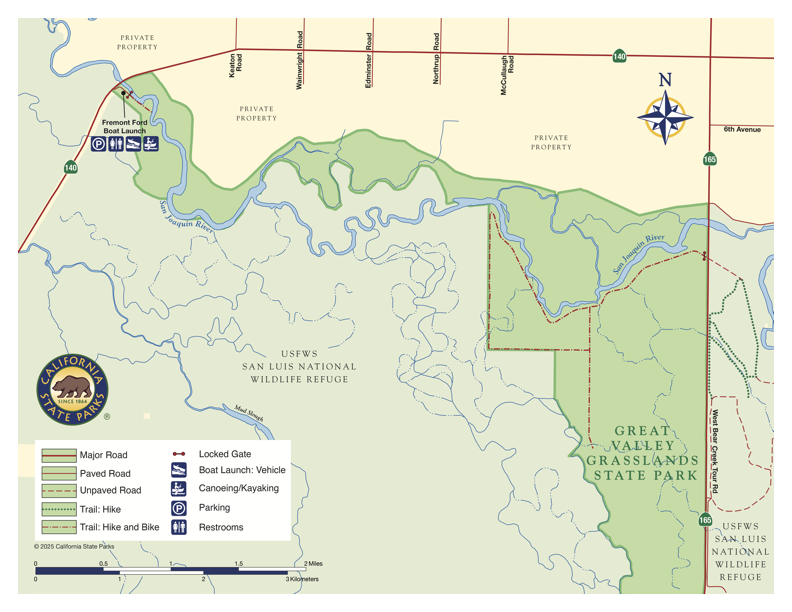
On the morning of June 11, 2026, the early light over Great Valley Grasslands State Park illuminated a scene of quiet triumph. Dozens of scientists, Tribal leaders, government officials, and community members gathered in the Merced landscape to witness a milestone fifteen years in the making: the official reconnection of the San Joaquin River to over 220 acres of its historic floodplain.
The Grasslands Floodplain Restoration Project, which reached its physical completion in February 2026, stands as a landmark achievement in California’s environmental history. It represents the reversal of decades of industrial and agricultural isolation, breathing new life into one of the state’s most vital, yet neglected, ecosystems.
The Core Achievement: Reconnecting the Landscape
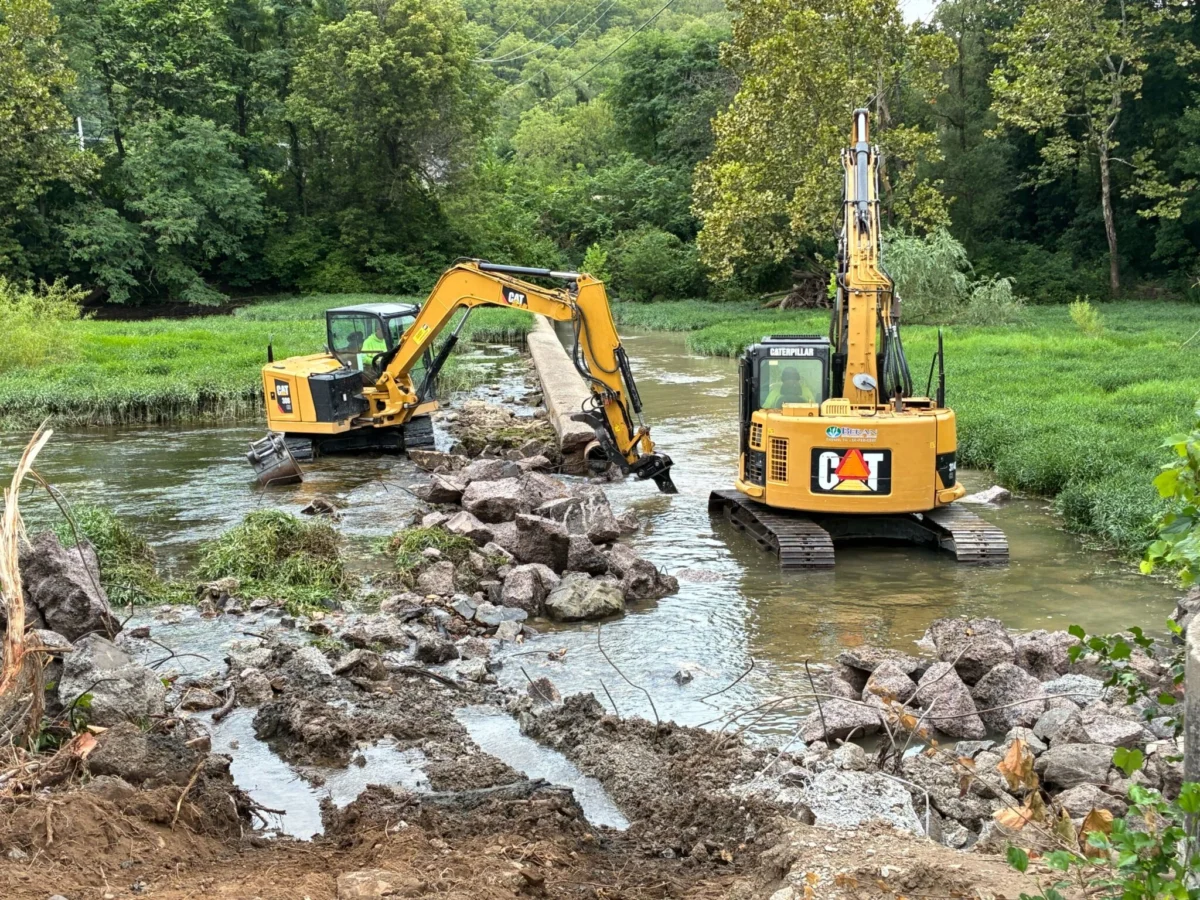
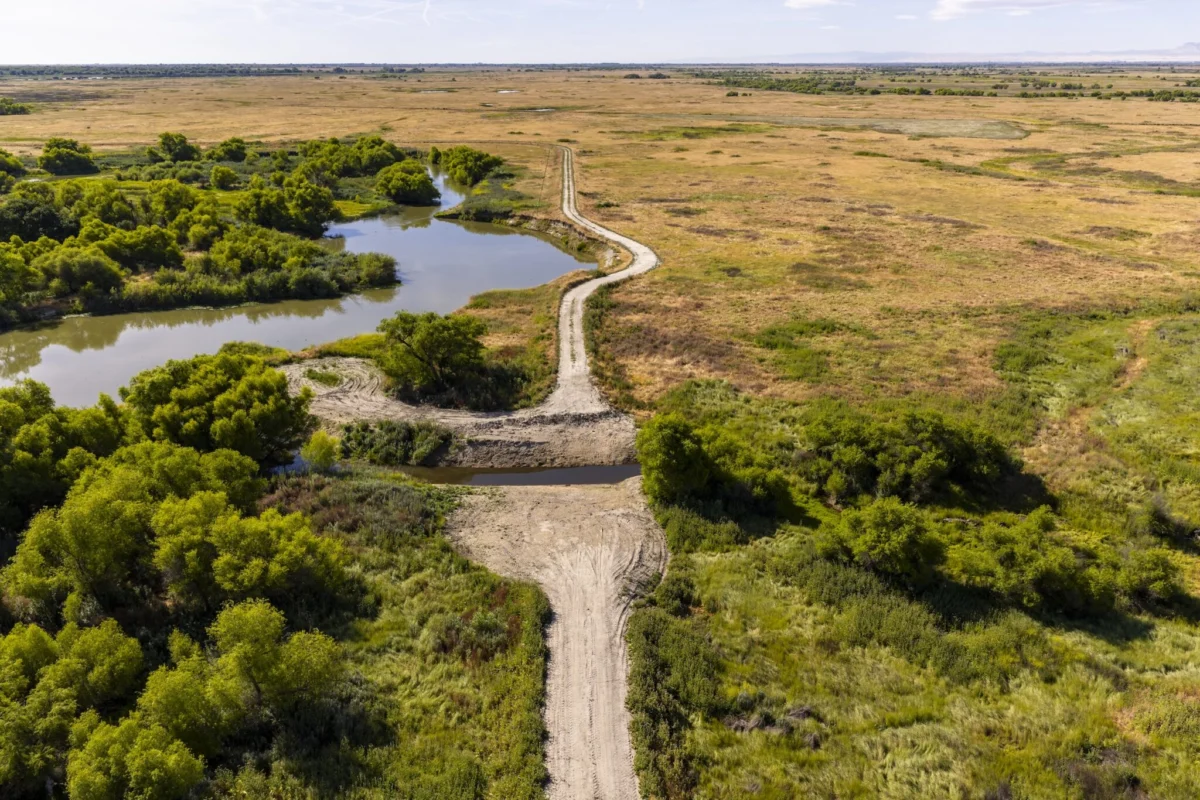
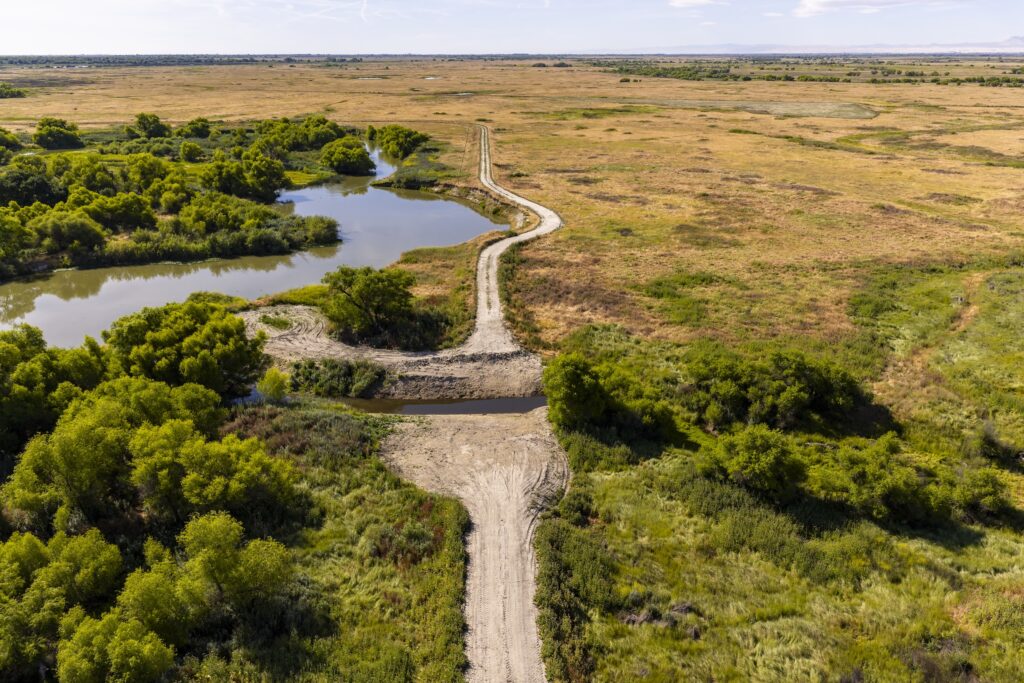
The San Joaquin River has been significantly altered over the last century, squeezed by levees and diverted for agriculture. The Grasslands Floodplain Restoration Project, spearheaded by American Rivers in deep collaboration with California State Parks, River Partners, and Flow West, sought to undo this containment. By breaching and removing segments of decommissioned, 1950s-era levees—originally built to contain cattle rather than water—the project allows the river to once again spill into its natural basin during high-flow events.
This reconnection is not merely an aesthetic success; it is an ecological necessity. Floodplains function as the "kidneys" of a river system, filtering pollutants, recharging precious groundwater aquifers, and providing essential, nutrient-rich nurseries for fish and wildlife. As the river finds its way back onto these 220 acres, it signals a return to a more natural, resilient hydrological cycle.
A Chronology of Persistence
The success celebrated on June 11 was the result of a long, arduous, and non-linear process. The history of this land is unique: it exists largely because of the foresight of Joseph Gallo, a legendary Central Valley dairy entrepreneur. In 1982, Gallo donated thousands of acres of his land to the state and the U.S. Fish and Wildlife Service, requesting that the area be preserved for wildlife.
However, for decades, the park remained a "ghost" of its potential. Without infrastructure or public access, and cut off from the river by obsolete levee networks, it became an island of native grasses surrounded by altered terrain.
- 2011: Initial planning and feasibility studies begin between American Rivers and partner agencies.
- 2015-2020: The project navigates complex permitting landscapes and shifting regulatory requirements.
- 2023-2025: Construction faces consistent delays due to record-breaking rainfall and flooding in the Central Valley, which repeatedly forced crews to pause operations.
- February 2026: Final construction is completed, marking the structural end of the restoration.
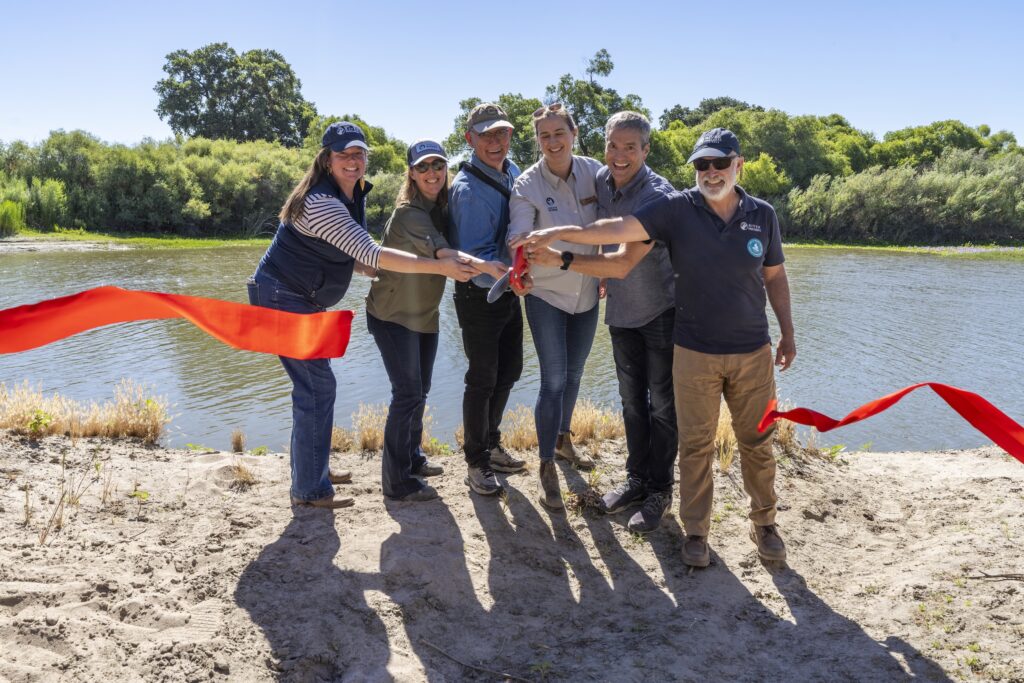
- June 11, 2026: The official ribbon-cutting ceremony takes place during California State Parks Week.
Dr. Ann Willis, California Regional Director for American Rivers, captured the sentiment of the long journey during the ceremony: "Restoration is neither a sprint nor a marathon; it is a relay." The project’s success, she noted, is a testament to the dedication of staff and engineers who remained committed to the vision for nearly two decades, passing the baton of expertise until the final levee was breached.
The Science of Success: Why Floodplains Matter
The ecological implications of this project are far-reaching. The Central Valley has lost the vast majority of its historic wetlands, and the return of seasonal flooding to this specific site provides a blueprint for future recovery.
Wildlife and Biodiversity
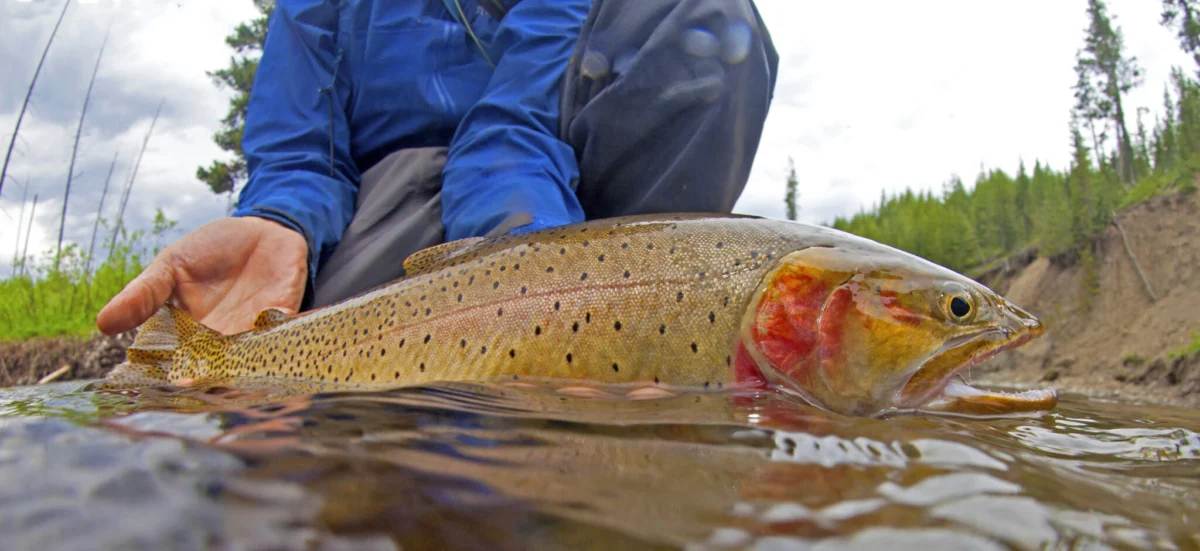
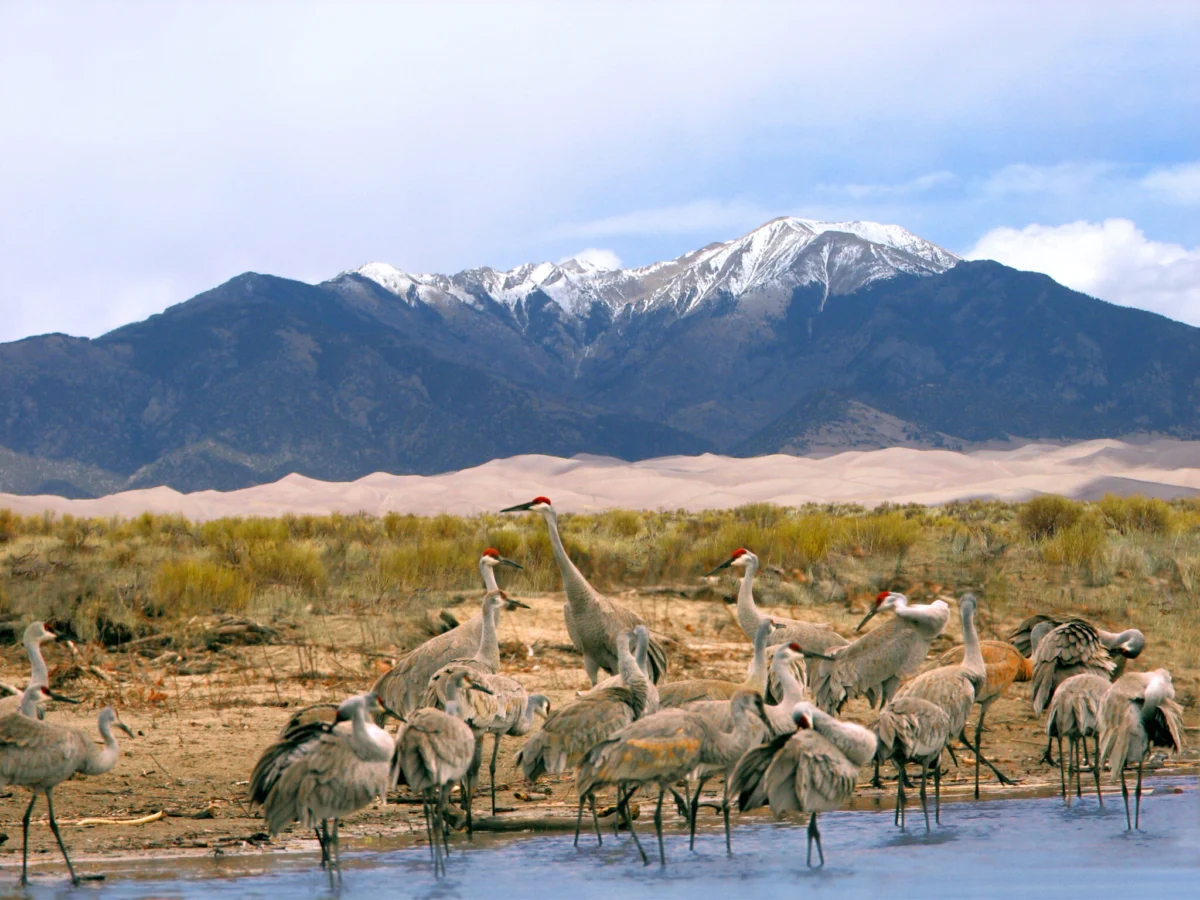
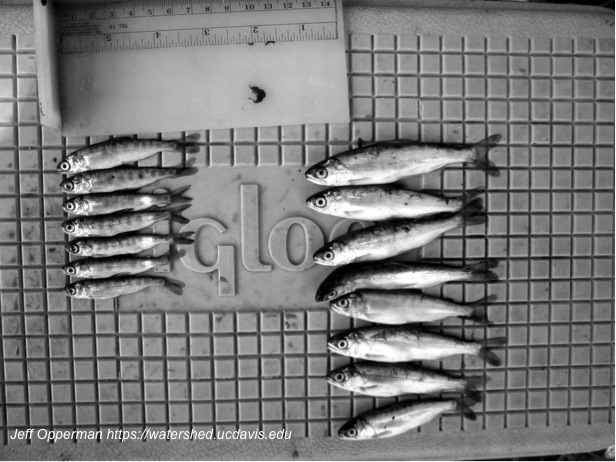
The project is specifically designed to aid the recovery of threatened Chinook salmon. Juvenile salmon require shallow, slow-moving, food-rich water to grow before they head to the ocean. The reconnected floodplain provides a habitat teeming with zooplankton—the microscopic food source essential for salmon survival. By mimicking the natural flood cycles of the past, the site also creates vernal pools, supporting aquatic amphibians, reptiles, and invertebrates that rely on these fleeting, seasonal environments.
Invasive Species Control
The project serves as a natural weed-management tool. Exotic, invasive plant species that have colonized the valley often struggle in the prolonged, saturated conditions of a natural floodplain. By restoring historical inundation patterns, the native wetland grasses and riparian plants—which have evolved to handle seasonal flooding—are given a competitive advantage, naturally suppressing invasive vegetation.
Groundwater Recharge
In a region where aquifers have been critically depleted by decades of agricultural pumping, the project offers a strategic benefit. By allowing water to spread out and linger on the land rather than rushing down a channelized river, the project facilitates significant groundwater infiltration, bolstering local water security.
Official Responses and Partnership
The ceremony featured a powerful lineup of speakers, reflecting the broad coalition required for such a complex restoration. California Natural Resources Secretary Wade Crowfoot emphasized the importance of public-private partnerships, while California State Parks Director Armando Quintero highlighted the value of integrating conservation with public access.
A notable partner in this endeavor was Cox Enterprises. Their involvement underscores a growing trend in private-sector investment in environmental infrastructure. The team from Cox, having traveled from Atlanta to witness the ribbon-cutting, reaffirmed their commitment to the region’s long-term groundwater replenishment and habitat restoration goals.
The presence of Kathy Perez, Chairperson of the Northern Valley Yokut Ohlone Tribe, served as a poignant reminder of the human history of the land. The restoration of the river is also a restoration of cultural connection to a landscape that has supported indigenous peoples for millennia.
Implications for the Future of the Central Valley
The Central Valley is often cited as a "park-poor" region, with the majority of California’s state park resources concentrated along the coastline or in the mountains. The successful completion of the Great Valley Grasslands project is a cornerstone of a larger shift in state policy.
Expanding Access
The California Department of Parks and Recreation is currently gathering public input on a "General Plan" to create the necessary infrastructure—trails, visitor centers, and safe river access points—to allow the public to finally experience the beauty of the grassland. This transition from a "closed" site to a public amenity is a priority for the state.
The "State Parks Forward" Initiative
The project is part of a larger statewide momentum. Governor Gavin Newsom’s "State Parks Forward" initiative, announced in April 2026, represents a bold commitment to expanding the state park system, particularly within the Central Valley. This includes the development of the 874-acre San Joaquin River Parkway in Fresno, signaling that the work done at Great Valley Grasslands is not an outlier, but the beginning of a new era for the region.
Future Restoration
American Rivers and the California Department of Parks and Recreation are already moving forward with their next phase of work. With funding from the Wildlife Conservation Board, they have set their sights on over 1,000 additional acres of land north of the current site. The goal is to create a contiguous corridor of healthy river-floodplain habitat that will serve as a permanent legacy for future generations.
Conclusion: A Living Legacy
As the red ribbon was cut on that June morning, it was more than just a ceremonial act; it was a symbolic homecoming for the river. After 75 years of being held at arm’s length, the San Joaquin River is once again finding its way onto the landscape that shaped it.
The success of the Great Valley Grasslands Floodplain Restoration Project proves that while the damage to California’s natural systems was severe, it is not irreversible. Through patience, cross-disciplinary collaboration, and an unwavering commitment to ecological restoration, the state is beginning to write a new chapter for the Central Valley. The grasslands are beginning to heal, the salmon are finding their nursery, and the citizens of the Valley are gaining a new, wild, and restored place to call their own. The relay continues, but for now, the river is flowing exactly where it belongs.