In the high-stakes environment of inland spill response, the difference between a contained incident and an environmental catastrophe is often measured in minutes. For the professional team at Whitewater Rescue Institute (WRI), the challenge has always been the physical limitations of traditional containment systems. While essential for protecting our waterways, standard containment booms are notoriously heavy, labor-intensive, and time-consuming to transport over the rugged, uneven terrain typical of riverbanks.
However, recent field testing on the Clark Fork River suggests a paradigm shift is underway. By integrating cutting-edge, lightweight boom technologies—specifically those developed by Harbo Technologies—the industry may be on the cusp of a significant upgrade in how responders address fastwater spills.
Main Facts: The Challenge of Fastwater Containment
The core objective of any spill response team is twofold: rapid containment and the minimization of ecological impact. In fastwater environments, these goals are complicated by extreme current velocities and limited access points.
Traditionally, containment boom deployment is a strenuous, manual process. Responders often carry 50 to 100-foot sections of heavy-duty boom across difficult landscapes, a process that consumes precious time and physical energy before a single drop of pollutant is even contained.
Key Technical Barriers:
- Weight vs. Strength: Traditional 12-inch containment booms provide the necessary structural integrity to hold back oil in moving water but require multiple personnel to deploy.
- Logistical Bottlenecks: Maneuvering bulky trailers near riverbanks is often impossible, forcing responders to hand-carry heavy equipment over long, treacherous distances.
- Operational Risk: Deploying equipment in moving water is inherently dangerous, requiring meticulous risk management and high levels of team coordination.
Chronology: Field Testing on the Clark Fork River
To evaluate emerging technologies, the WRI team conducted a series of controlled, real-world drills on the Clark Fork River last week. The drills were designed to simulate high-stress deployment scenarios to see how new systems fared against traditional heavy-duty equipment.
The First Phase: Establishing a Baseline
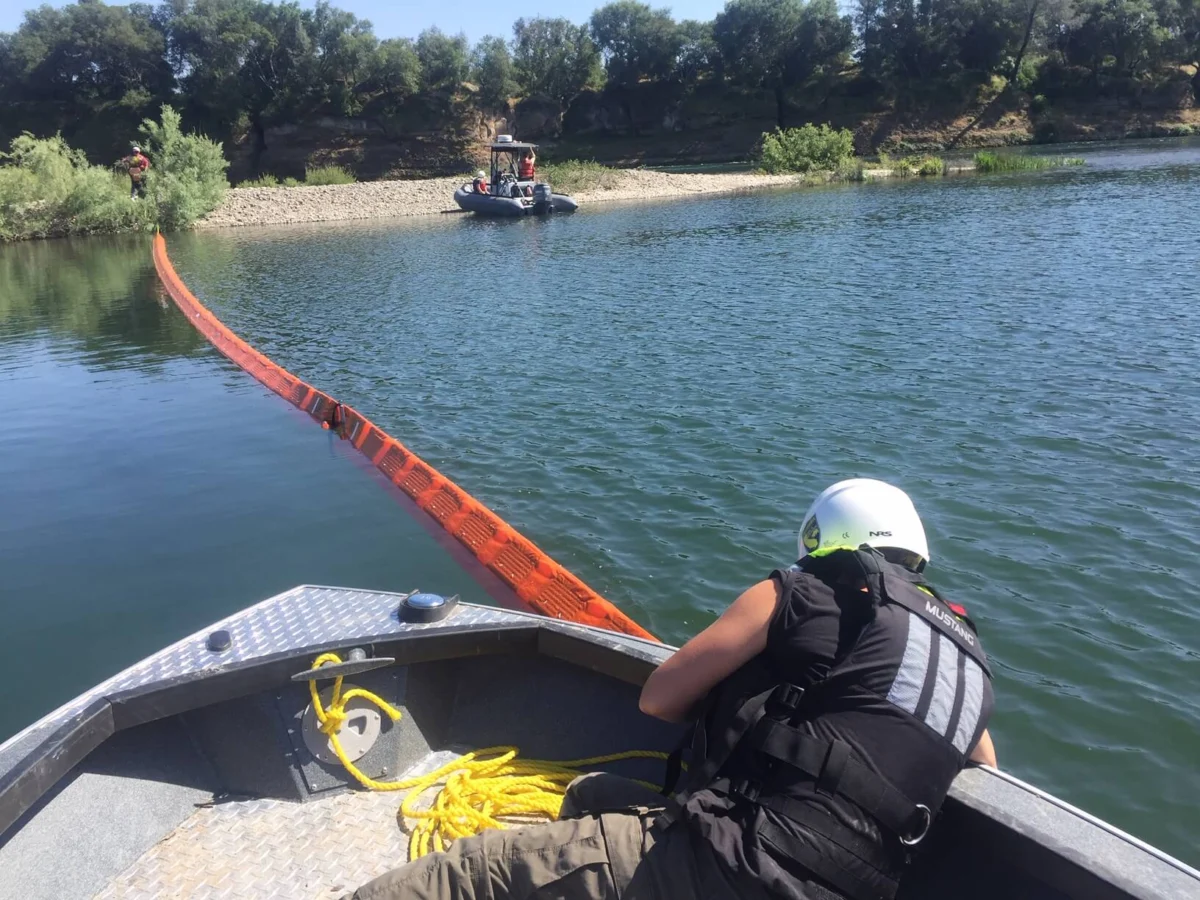
The team began with a deployment focused on boom vane collection in the upper reaches of the Clark Fork. This area is characterized by high current velocities, which provide the ultimate "stress test" for any containment system. The team used this phase to establish a benchmark for the time and personnel required when using standard, legacy equipment.
The Second Phase: The Harbo Innovation
During the second phase, the team was introduced to the Harbo Technologies boom system. Initial skepticism was high among the WRI staff. Given the lightweight nature of the Harbo containers—which house approximately 80 feet of boom in a compact 20-inch by 36-inch dry box—the team was concerned that the system would lack the structural fortitude to maintain a seal in fast-moving water.
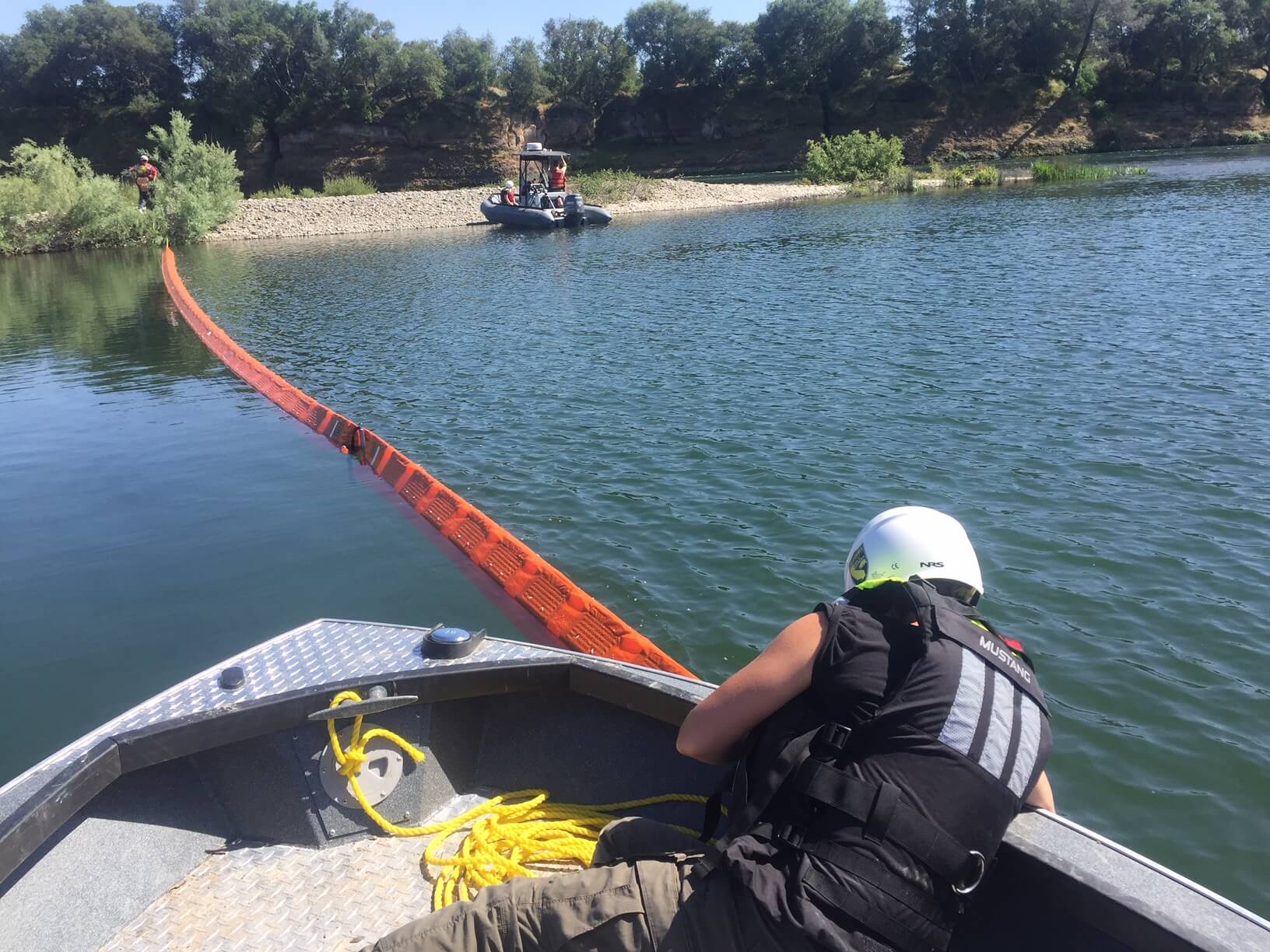
Under the supervision of Harbo representatives, the team executed multiple deployment configurations, including shoreline protection, high-line anchoring, and boom vane collection.
Supporting Data: Why the Harbo System Performed
The Harbo boom utilizes a unique, physics-based design that relies on the water itself to bolster its stability.
Technical Specifications and Performance:
- Deployment Speed: A single responder can line out between 82 and 164 feet of boom along a shoreline in a fraction of the time required for traditional systems.
- Automatic Inflation: The boom remains flat and compact during storage. Upon immersion, internal sponges trigger an automatic expansion, inflating the unit into a square structure consisting of a float and a protective curtain.
- Hydraulic Stability: As water flows through the hollow, square structure of the boom, it creates internal pressure that stabilizes the curtain, preventing the "entrainment" (the phenomenon where oil escapes beneath or around the boom) that often plagues lightweight, poorly designed equipment.
- Connectivity: The system utilizes universal connectors secured with a single pin, drastically reducing the time spent connecting segments during the heat of an emergency.
According to WRI staff, the performance was on par with, and in some metrics superior to, the traditional 12-inch heavy-duty booms. There was no observed entrainment during the tests, even in high-current scenarios.
Official Responses and Industry Implications
The implications of this technology extend far beyond the riverbank. For stakeholders in the energy, transportation, and infrastructure sectors, the ability to deploy rapid-response systems with minimal personnel is a game-changer.
Professional Feedback
The WRI team noted that the ease of deployment allows for a more "agile" response strategy. "As responders, we really appreciated the light weight and ease of deployment," one lead instructor noted. "We were genuinely surprised by both its strength and its effectiveness."
Strategic Advantages for High-Risk Facilities
- Refineries and Harbors: Facilities with high potential for spill risks can now stage this equipment in smaller, more accessible storage lockers, cutting response times from hours to minutes.
- Rail Yards: Given the prevalence of rail-adjacent waterways, the ability to store compact, lightweight kits on-site allows for immediate local response before specialized hazardous materials teams arrive.
Limitations and Future Outlook
Despite the impressive performance, the WRI report highlights several areas that require further development before the technology achieves universal adoption.
The "Disposable" Problem
Currently, the Harbo boom is designed as a single-use product. The internal sponges that provide the structural buoyancy do not adequately support the boom after they have been used and allowed to dry. This creates a significant cost barrier for training purposes, where systems are deployed and recovered frequently.
The Development Pipeline
Harbo representatives have confirmed that they are actively developing a "training version" of the boom. This iteration is expected to utilize more durable, reusable materials to facilitate the repetitive drills necessary for professional certification. Additionally, the current product has a five-year shelf life, which is a standard constraint for synthetic materials in environmental containment, though it remains a factor for inventory management.
Moving Forward
The integration of lightweight, high-performance containment systems marks a shift toward a more proactive, rapid-response culture. For WRI, the plan is clear: incorporate the Harbo system into their standard arsenal of response tools.
"We are excited about having a new tool that is lightweight and will increase our response speed," the WRI team concluded. As the spill response industry continues to evolve, the adoption of technologies that prioritize human efficiency without sacrificing containment integrity will be essential to protecting our inland waterways. By bridging the gap between heavy-duty reliability and lightweight mobility, the next generation of responders will be better equipped to handle the unpredictable challenges of the river.