When anglers speak of "ghosts" in the watery depths, they aren’t invoking the supernatural. They are referring to the Ghost Carp—a creature of striking beauty, formidable strength, and an almost mythical reputation for elusiveness. A hybrid born from human ingenuity, the Ghost Carp occupies a unique space between ornamental koi and the rugged, wild common carp. For the dedicated angler, these fish represent the ultimate test of patience and skill, while for ecologists, they serve as a complex case study in biodiversity, invasive potential, and aquatic management.
Main Facts: Anatomy of an Icon
The Ghost Carp (Cyprinus carpio) is not a naturally occurring species but a deliberate aesthetic and biological fusion. Known for their torpedo-shaped, muscular bodies, these fish possess a hardy constitution that allows them to thrive in conditions that would challenge lesser species.
Physical Profile
- Average Weight: 6–15 lb (2.7–6.8 kg)
- Maximum Potential: Up to 94 lb (42 kg)
- Average Length: 18–26 inches (45–65 cm)
- Maximum Length: 48 inches (120 cm)
- Lifespan: 9–45 years
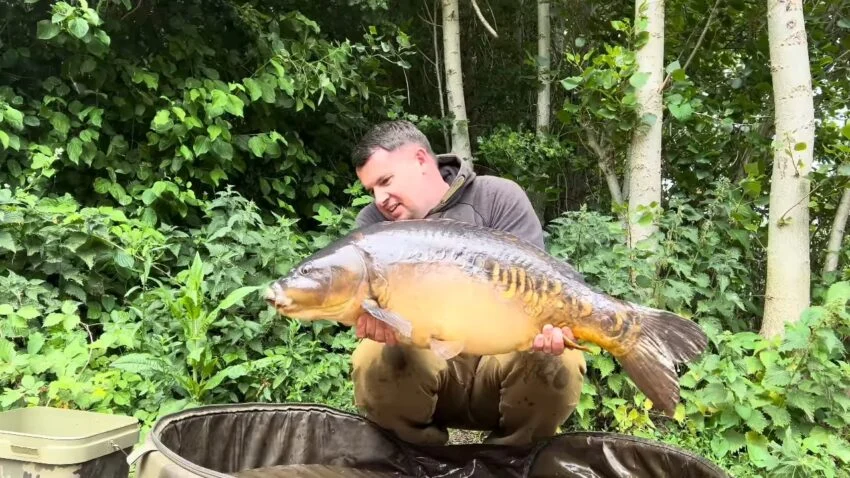
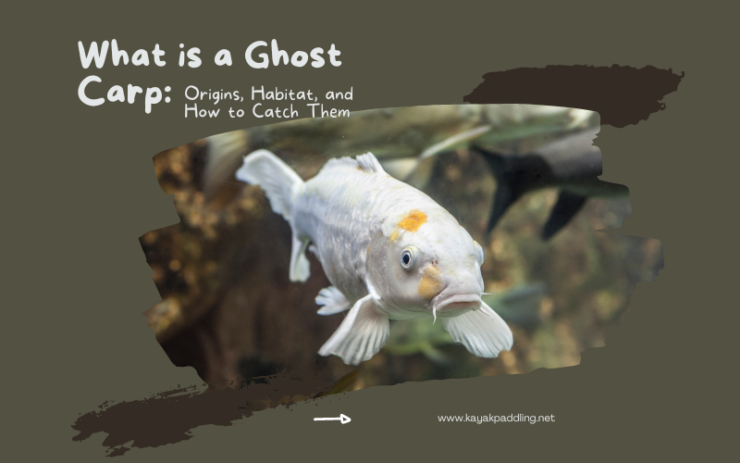
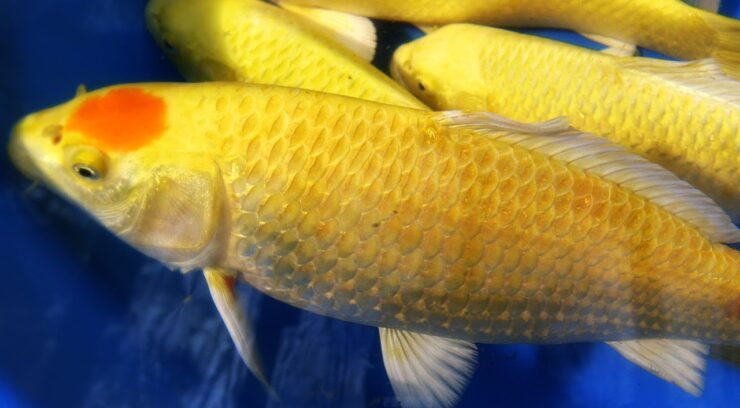
Their most striking feature is their appearance. While the common carp is often muted in color, the Ghost Carp features a dark, shadowy under-layer punctuated by metallic scales—typically gold, silver, or platinum. These "ghostly" highlights are not bioluminescent organs; rather, they are dense concentrations of crystalline purine cells that reflect ambient light, allowing the fish to shimmer and vanish into the murky shadows of a lake bed.
The Chronology of a Hybrid
The narrative of the Ghost Carp began in the 1980s, a period marked by significant experimentation in fish breeding. Seeking to combine the rugged, rapid-growth traits of the European Mirror or Common Carp with the aesthetic allure of the Japanese Yamabuki Ogon Koi, a pioneering farmer successfully crossbred the two.
The resulting offspring—the Ghost Koi—shattered the expectations of the aquaculture world. Initially, these hybrids were dark, muted fish. Over decades of selective breeding, however, they evolved into the vibrant, metallic specimens we see today. Because they were engineered relatively recently, a schism exists in the angling and koi-keeping communities: purists often exclude them from pedigree koi registries, while sport anglers celebrate them as one of the most exciting additions to modern fisheries.
Supporting Data: Survival and Behavior
The biological success of the Ghost Carp is rooted in its resilience. Capable of surviving in water temperatures ranging from a frigid 3°C to a sweltering 30°C, and adept at extracting oxygen from oxygen-depleted environments, they are masters of adaptation.
Foraging Habits
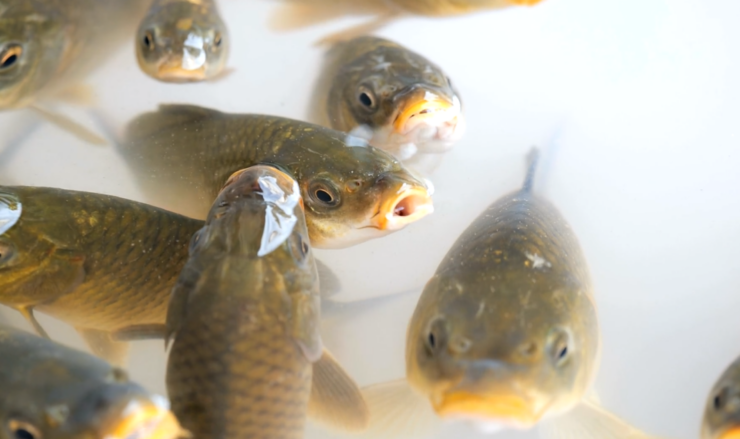
Often derided as "freshwater pigs," these fish are voracious omnivores. They utilize sensitive barbels—sensory organs near their rubbery lips—to sift through silt, mud, and vegetation. This bottom-feeding behavior is highly effective for the fish but disruptive to the ecosystem, as it uproots aquatic plants and stirs up sediment, significantly reducing water clarity. Their diet is diverse, consisting of benthic invertebrates, insect larvae, mollusks, and various aquatic vegetation.
Reproductive Potential
The species reaches sexual maturity between two and three years of age. In temperatures between 16°C and 22°C, females can spawn multiple times per season, laying hundreds of thousands of sticky, pale eggs on submerged vegetation. Unlike some parental-focused species, Ghost Carp provide no protection for their offspring, relying on sheer volume to ensure the survival of the next generation.
Official Responses: Invasive Risks vs. Sport Value
The perception of the Ghost Carp is deeply divided by geography and intent.
The European Perspective
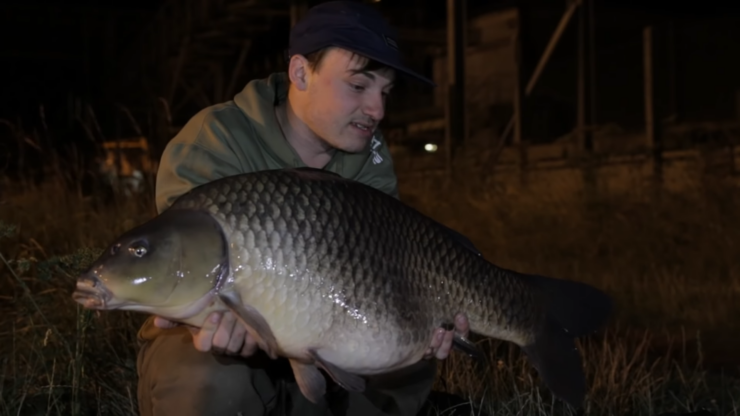
In the United Kingdom and across much of Europe, the Ghost Carp is treated with reverence. Managed fisheries stock these fish specifically for "Catch and Release" sport fishing. Because they are notoriously difficult to hook and possess immense fighting power, they are considered a trophy catch. Regulators here view them as an economic asset, driving tourism and local angling commerce.
The North American Perspective
Conversely, in the United States and Canada, the introduction of various Cyprinus carpio strains has been met with significant alarm. Often lumped in with the broader "Asian Carp" category, these fish are viewed as invasive threats to native biodiversity. State agencies and environmental groups often implement strict management protocols, including commercial harvesting, electric barriers, and water diversion projects to prevent their spread into sensitive habitats like the Great Lakes. The primary concern is their ability to outcompete native species for resources and degrade water quality through their constant foraging.
Implications: The Ecological and Angling Balance
The presence of Ghost Carp forces a delicate balancing act for environmental managers.
The Threat to Biodiversity
The impact of a high-density carp population on a stagnant body of water is profound. Increased turbidity—caused by the fish’s constant rooting—blocks sunlight, preventing the growth of submerged macrophytes. This, in turn, eliminates the habitat necessary for native fish and macroinvertebrates. Furthermore, wild carp populations are notorious vectors for diseases, most notably the Koi Herpesvirus (KHV), which can devastate local fish populations if left unchecked.
The Angler’s Challenge
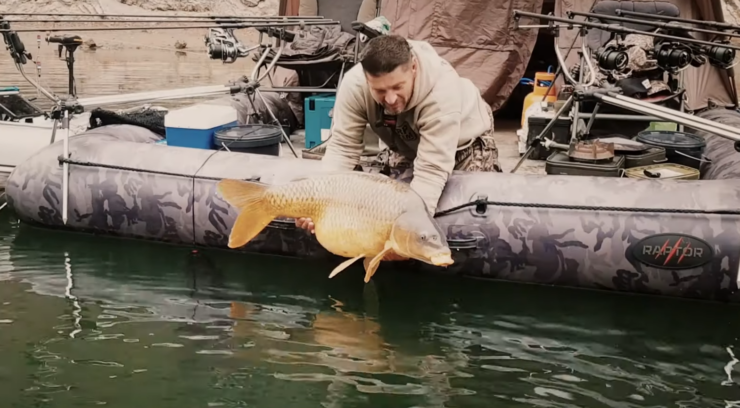
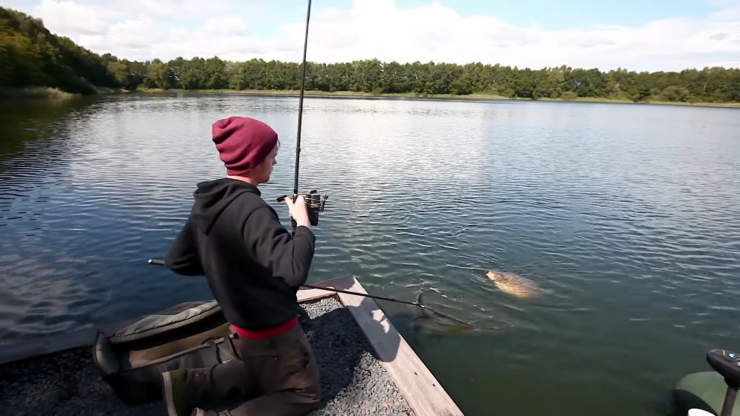
For the modern angler, the Ghost Carp offers a masterclass in patience. Because they are highly intelligent and cautious, they require a sophisticated approach. Expert anglers suggest:
- Strategic Baiting: Moving beyond standard offerings to include pellets, sweetcorn, worms, and flavored luncheon meat.
- Targeting Structure: Focusing on water lilies, overhanging trees, and submerged logs, where these fish feel secure.
- Environmental Awareness: Monitoring the water column and adjusting tactics based on weather and light conditions.
Conclusion: A Complex Legacy
The Ghost Carp is more than just a "fish story." It is a testament to the influence of human intervention on natural selection. While they will never possess the supernatural powers folklore might suggest, their ability to survive, thrive, and challenge both the ecosystems they inhabit and the anglers who pursue them is undeniable.
Whether you view them as an invasive nuisance or a prized sporting quarry, the Ghost Carp remains a defining feature of modern freshwater environments. For those who seek them, they offer a quiet, shimmering glimpse into the mysteries of the deep. For those who manage our waterways, they serve as a constant reminder that nature, even when engineered, has a way of asserting itself in ways that are as unpredictable as the ghosts they are named after.
Frequently Asked Questions (FAQ)
Q: Are Ghost Carp truly "intelligent"?
A: While "intelligence" in fish is a complex subject, Ghost Carp are known to be highly observant. They quickly learn to avoid common hooks and fishing lines, a trait developed through experience, making them significantly harder to catch than other carp varieties.
Q: Can I keep a Ghost Carp in a garden pond?
A: Yes, but with conditions. They require significant space to grow and reach their full potential. Experts recommend at least 25 liters of water per fish, with advanced filtration systems to manage the waste produced by their high-protein diets.
Q: Why do they "vanish" in the water?
A: It is a visual trick. Their metallic, crystalline scales reflect the colors of their surroundings. In turbid or dark water, this reflection acts as a natural camouflage, causing the fish to appear to "disappear" or turn into a ghostly outline as they swim.
Q: How can anglers contribute to responsible management?
A: The most important practice is "Catch and Release." Always handle the fish with wet hands or specialized mats, use barbless hooks to minimize injury, and ensure that your fishing location is permitted by local environmental authorities to avoid spreading the species into non-native, vulnerable waters.