Introduction: A Journey into the Absolute
For most, India is a concept—a distant, vibrant tapestry of history, faith, and paradox. For Mike and Cody, two seasoned river guides, India became a visceral reality during a recent expedition that took them from the high-altitude foothills of the Himalayas to the churning, sacred currents of the Ganges. This was not a standard tourist excursion; it was a professional immersion into the technical standards of Indian whitewater rafting, a deep dive into a civilization that operates on a scale difficult for the Western mind to process.
Through the lens of their journey, we explore the intersection of extreme nature, spiritual devotion, and the complex environmental challenges facing one of the world’s most significant river systems.
Main Facts: The Anatomy of the Expedition
The primary objective of the trip was twofold: professional development and cultural exploration. Mike and Cody partnered with instructors from the Hannibal Outdoor Center to navigate the Ganges in northern India, specifically focusing on the stretch near Haridwar.
The technical specifications of the river were staggering. While many Western rafters are accustomed to managed flows, the Ganges in this region is a primal, high-volume force. The team estimated the flow at approximately 40,000 cubic feet per second (cfs). To put this in perspective, 40,000 cfs is a massive volume of water, capable of reshaping the riverbed and challenging even the most experienced rescue technicians. Beyond the water, the trip served as a masterclass in the standards of Indian river guiding, an industry that balances extreme environmental conditions with the logistical challenges of managing thousands of pilgrims who use the river for ritualistic cleansing.
Chronology: From Foothills to Holy Waters
The expedition began in the foothills of the Himalayas, where the geography itself demands humility.
Phase I: The Himalayan Foothills
Upon arriving at elevations between 8,000 and 12,000 feet, the duo realized that the "foothills" of the Himalayas are, by any other standard, towering mountain ranges. The scale of the landscape provided the first lesson in the sheer magnitude of the region. The rivers originating from these peaks are not merely streams; they are colossal arteries of snowmelt and monsoon runoff.
Phase II: Haridwar and the Ganges
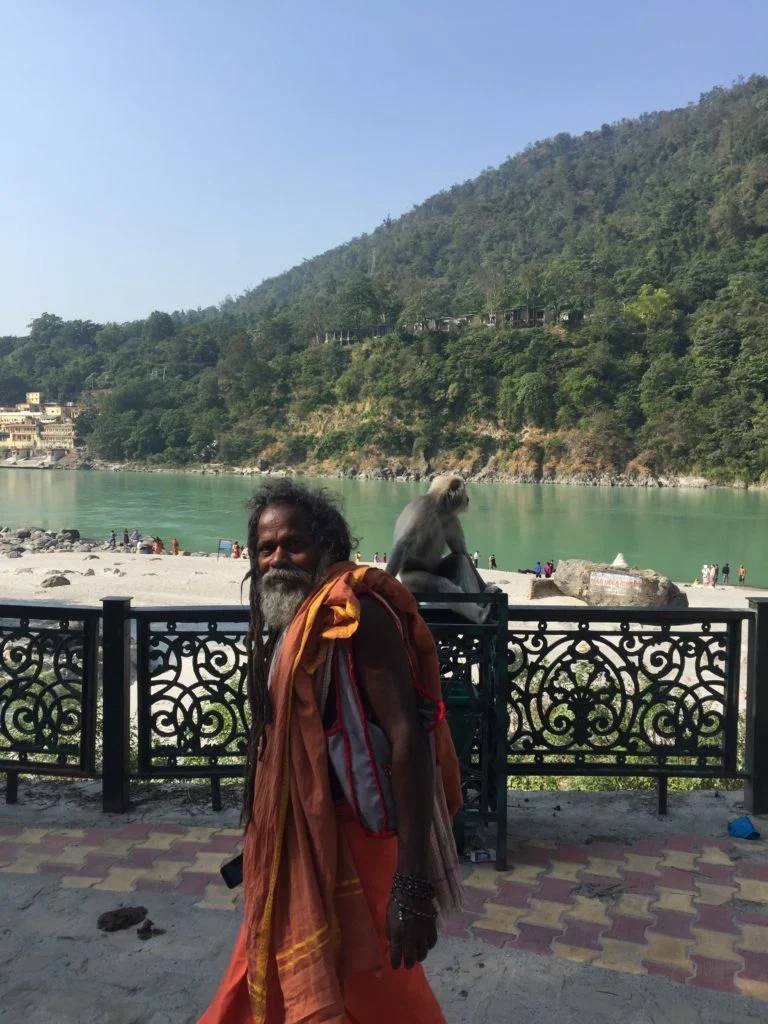
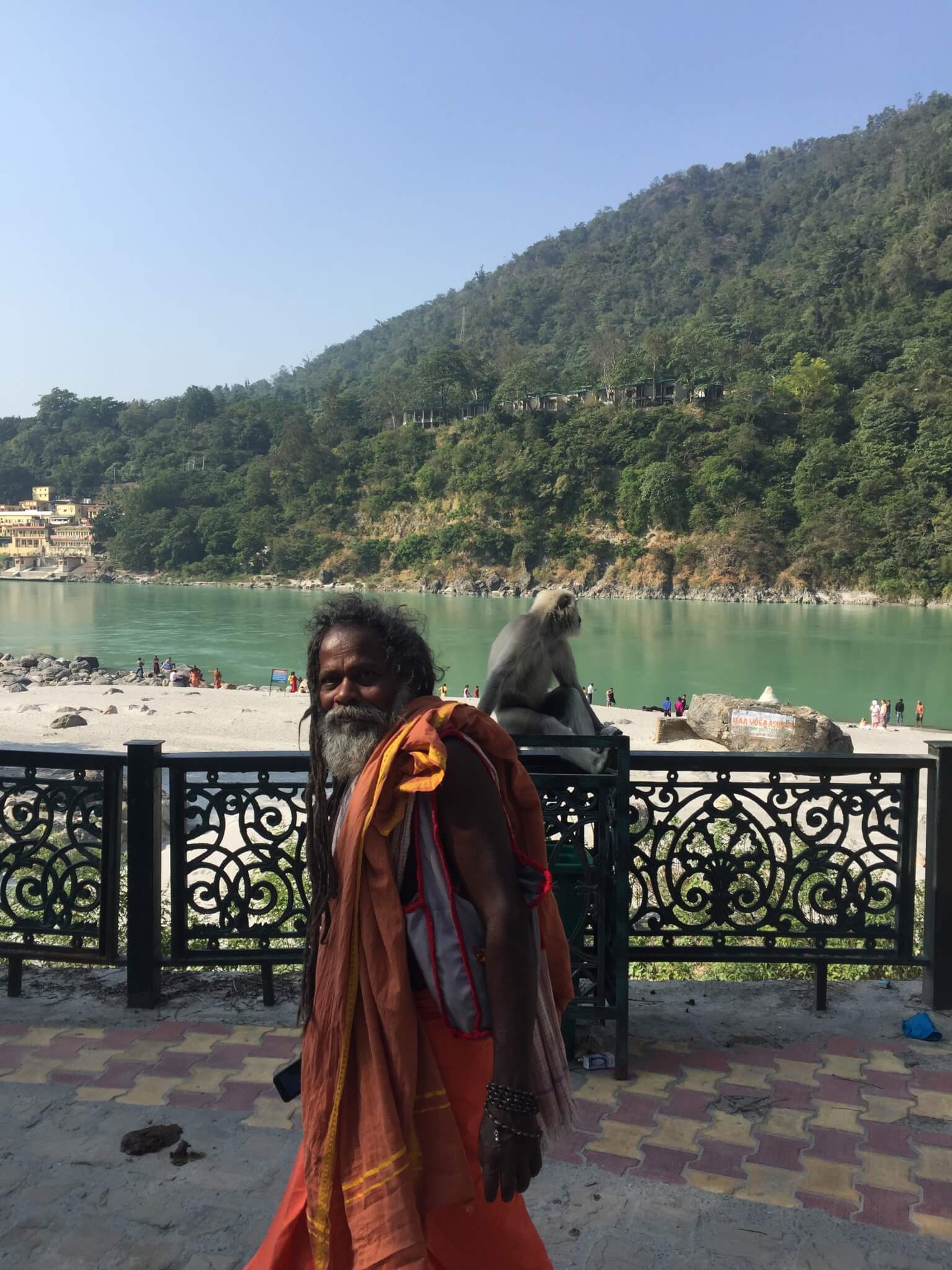
The journey moved toward the plains, specifically the holy city of Haridwar. Here, the experience shifted from technical navigation to cultural observation. The Ganges is not just a river to the people of India; it is the Ganga Ma (Mother Ganges), a goddess embodied in water. The team observed daily religious ceremonies where thousands of pilgrims gathered to cleanse themselves and offer prayers.
Phase III: Transit and Reflection
Transitioning between the wild river corridors and urban centers, the team utilized India’s vast train network. They noted that train travel in India is an experience unto itself—a "best option" for navigating the country’s spectacular, yet often chaotic, expanse. By spending time between the cars, they gained a unique perspective on the landscape: a continuous, flickering montage of beauty interrupted by landfills, and the quiet heroism of subsistence farmers working fields that have fed generations.
Supporting Data: The Scale of India
To understand the context of this journey, one must look at the raw statistics of the region.
- Population Density: India is home to approximately 1.4 billion people—roughly one-fifth of the global population.
- Linguistic Diversity: Beyond the national language of Hindi, there are approximately 3,000 distinct languages and dialects spoken across the subcontinent, creating a cultural mosaic of unparalleled complexity.
- Biodiversity: The region is home to a staggering array of megafauna, including wild elephants, leopards (referred to as "jaguars" in the source, though geographically accurate to the region’s apex predators), macaques, and the elusive, deadly cobra.
- Hydrological Stress: The Ganges is, paradoxically, the most worshipped and the most polluted river in the country. It suffers from the dual pressures of untreated human waste from millions of daily visitors and systemic industrial runoff.
Official Responses and Industry Standards
During their stay, Mike and Cody collaborated with local guides from the Hannibal Outdoor Center to understand how India regulates its burgeoning adventure tourism sector.

In India, the rafting industry is tasked with a unique duty: they are not just providing recreation; they are operating within a space of intense religious sensitivity. Raft guides must navigate the fine line between safety, environmental stewardship, and the rights of pilgrims. The "Hannibal" methodology emphasizes that rafting in India is less about the pursuit of adrenaline and more about the management of a high-consequence, sacred environment.
Local experts emphasize that the future of Indian whitewater lies in "sustainable adventure." As the country develops, the pressure on the Ganges is reaching a breaking point. The government’s Namami Gange project—a flagship initiative to clean the river—is often cited by local guides as the only way to preserve the industry for future generations.
Implications: The Overwhelming Nature of Change
The takeaways from this trip are profound. India is a country that refuses to be categorized. It is a land of intense beauty and, simultaneously, a land grappling with the externalities of rapid development.
The Environmental Paradox
The pollution of the Ganges represents one of the world’s most significant environmental tragedies. It is a system under extreme duress. However, the "potential" mentioned by the explorers lies in the resilience of the local culture. The same population that contributes to the waste is also the population that holds the river as sacred. This inherent contradiction is the driving force behind many of the local grassroots environmental movements.
The Future of Adventure Travel
For professional guides like Mike and Cody, the trip highlighted that adventure travel is becoming a tool for global education. By entering the river, they didn’t just test their paddling skills; they entered a dialogue with a culture that has been living with the river for millennia.

The implication for future travelers is clear: to visit India is to be humbled. It is to recognize that one’s own frame of reference is small. The challenges of poverty, infrastructure, and pollution are not just statistics—they are the backdrop of everyday life. Yet, the human spirit within that context—the prayers offered at dawn, the ingenuity of the train travelers, and the dedication of the river guides—is what defines the country’s true character.
Conclusion: A Return to the River
As the expedition concluded, the sentiment was not one of exhaustion, but of anticipation. Mike and Cody noted that despite the overwhelming nature of the trip, the sheer depth of the experience demands a return.
India is not a place you "check off" a list. It is a place that embeds itself into your psyche. Whether through the lens of a whitewater paddle, a rickshaw window, or a train door, the country offers a spectrum of human experience that is as vast as the Himalayas themselves. For those willing to look past the surface-level noise, India offers a lesson in the complexity of our modern world—a place where the sacred and the profane, the wild and the urban, exist in a delicate, shifting balance.
The Ganges remains, flowing with the weight of history and the urgency of the future. Mike and Cody’s journey serves as a reminder that we are all, in a sense, navigating these same waters—trying to find our way through the currents of global change, seeking connection in the most challenging of environments. They will return, as the river itself returns, ever-changing and yet, in its essence, eternal.