By Alice Broderick | July 23, 2026
As the calendar turns toward July 28, the global community prepares to observe World Nature Conservation Day—a pivotal moment to reflect on our ecological footprint and renew our commitment to the planet’s most vital resources. Among the myriad of environmental concerns facing our modern world, the health of our nation’s rivers remains a cornerstone of ecological stability, public health, and economic resilience. Yet, in an era defined by rapid climate shifts and increasing development, the fragility of these waterways has never been more apparent.
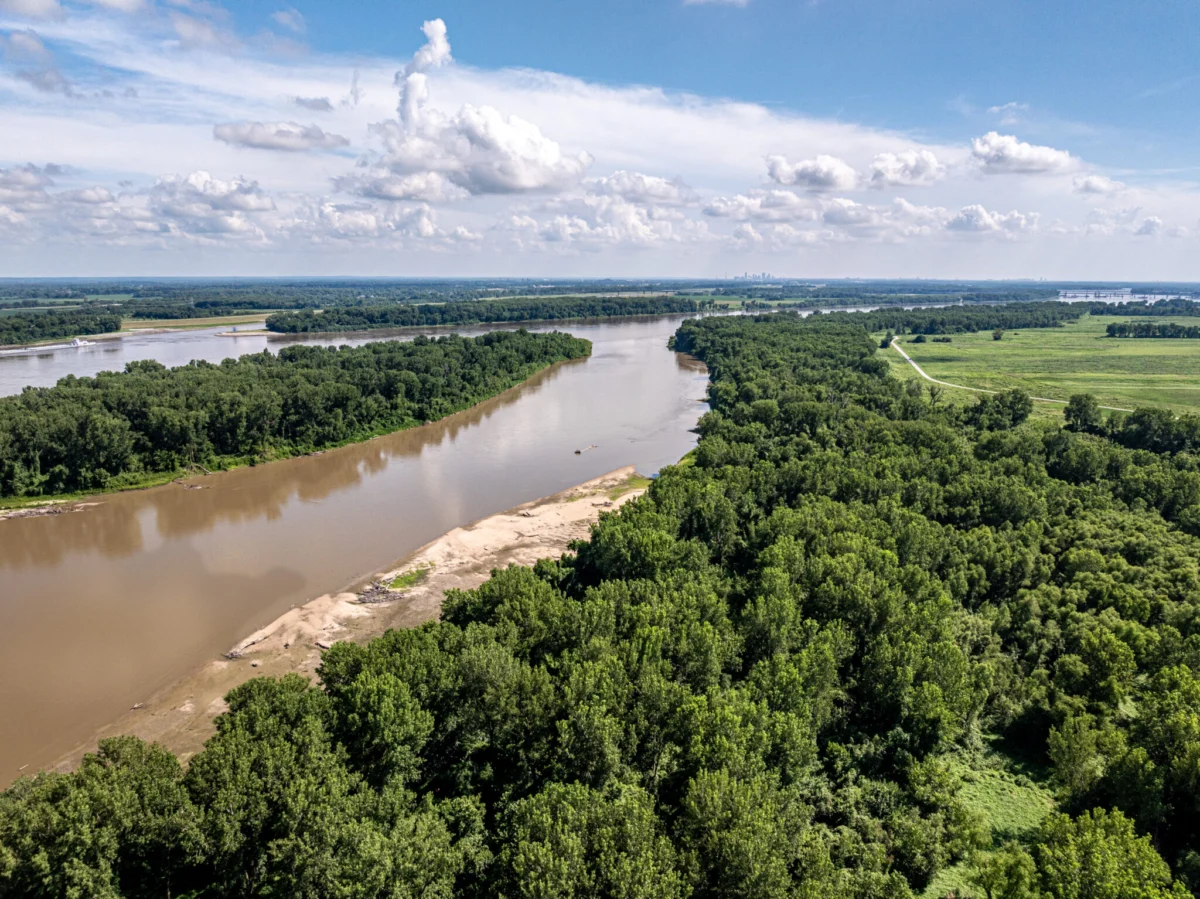
The narrative of our rivers is the narrative of our own survival. They are the arteries of the landscape, delivering life-sustaining water to ecosystems, farms, and cities. However, the complexity of today’s global crises can often lead to a sense of paralysis. To combat this, advocacy groups like American Rivers are refocusing the conversation on actionable, community-driven change. By breaking down daunting environmental goals into tangible steps, we can ensure that the "source of all life" remains protected for generations to come.
The State of Our Waters: Main Facts and Current Challenges
Rivers are not merely scenic backdrops; they are complex biological systems that support an incredible diversity of life. Despite their importance, the current state of America’s waterways is alarming. Recent data indicates that approximately 80% of rivers across the United States lack adequate protection, leaving them vulnerable to industrial pollution, habitat fragmentation, and the unsustainable demands of a growing population.
The primary challenges facing our rivers today are multi-faceted:
- Pollution and Water Quality: Industrial runoff, agricultural fertilizers, and microplastic contamination continue to degrade the chemical integrity of our water.
- Climate Change: Erratic precipitation patterns, persistent droughts, and rising temperatures are altering the natural flow regimes of rivers, threatening native species and human water security.
- Infrastructure Stress: Aging dams and diversions often impede the natural movement of sediment and aquatic life, stripping rivers of their ability to naturally filter and replenish themselves.
World Nature Conservation Day serves as a vital touchstone to address these issues. It is a day to move beyond awareness and into the realm of systemic, legislative, and personal intervention.
A Chronology of Advocacy: From Local Efforts to Federal Policy
The movement to protect American rivers has evolved significantly over the past century.
- 1968: The Birth of Protection: The passage of the Wild and Scenic Rivers Act marked a turning point in federal policy. This legislation was designed to preserve rivers with "outstandingly remarkable scenic, recreational, geologic, fish and wildlife, historic, cultural, or other similar values" in their free-flowing condition.
- The Late 20th Century: Throughout the 1980s and 90s, the focus shifted toward water quality improvement, bolstered by the Clean Water Act, which fundamentally changed how industries interacted with public waterways.
- 2020–2025: The Age of Data-Driven Conservation: With the advent of advanced mapping and satellite technology, organizations began utilizing digital tools to visualize the degradation of rivers in real-time. The introduction of the "Protected Rivers Explorer" tool represents the current frontier, allowing citizens to see the vulnerability of their local watersheds at a granular level.
- 2026 and Beyond: We are currently in a critical window where policy decisions regarding climate adaptation and infrastructure modernization will dictate the health of our rivers for the next 50 years.
Supporting Data: Why Targeted Intervention Matters
The effectiveness of conservation is not based on hope alone; it is rooted in data. Studies have consistently shown that protected rivers provide significant economic benefits, ranging from increased property values and tourism revenue to reduced costs for municipal water treatment.
For instance, the "Protected Rivers Explorer" tool—a cornerstone of current conservation efforts—utilizes cutting-edge science to categorize river health. By synthesizing data on flow, water quality, and surrounding land use, this tool provides a clear, objective look at the 80% of rivers that remain unprotected. This data-backed approach allows advocates to prioritize regions that are at the highest risk, ensuring that resources are deployed where they will have the most significant impact.
Furthermore, grassroots engagement provides the social data needed to sway political will. Last year, the American Rivers community facilitated over 30,000 direct messages to decision-makers. This volume of communication is not just noise; it is a measurable indicator of public sentiment that forces lawmakers to prioritize river health in legislative agendas.
Official Responses and the Legislative Landscape
The federal government’s role in river conservation is currently characterized by a tension between infrastructure expansion and environmental protection. While there is bipartisan recognition of the need for clean water, the push for new "Wild and Scenic" designations faces significant lobbying from agricultural and industrial sectors.
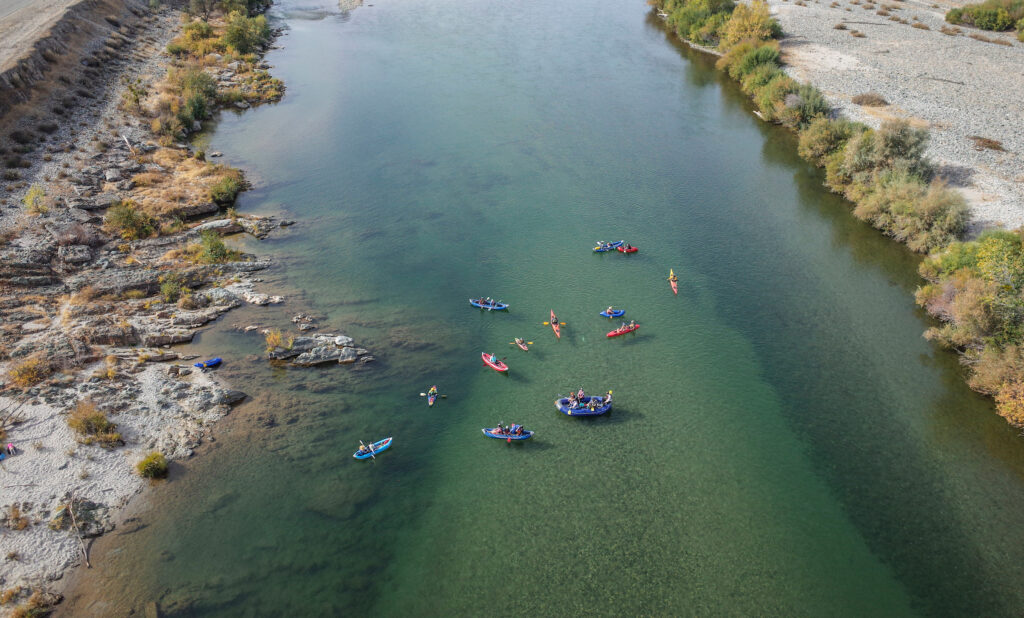
In response, conservationists are urging Congress to look beyond short-term economic gains. The argument is clear: a river that is degraded by over-extraction or pollution becomes a liability for future governments, requiring billions in remediation costs. By supporting new Wild and Scenic designations, Congress can lock in permanent protections that prevent the degradation of these assets, effectively acting as an insurance policy for the nation’s future water supply.
Five Pillars of Action for World Nature Conservation Day
To catalyze change this July 28, five distinct pathways have been identified to help citizens bridge the gap between concern and contribution:
1. Sign the Wild and Scenic Rivers Act Petition
Advocacy starts at the legislative level. By signing petitions, citizens directly signal to their Congressional representatives that the protection of free-flowing rivers is a constituent priority. This act of democratic participation is essential for securing new protections for the most vulnerable waterways.
2. Utilize the Protected Rivers Explorer Tool
Knowledge is the precursor to action. By using this tool, individuals can identify the status of rivers in their own backyards. Understanding whether a local river is protected or at risk is the first step toward forming a local advocacy group or supporting specific restoration projects.
3. Leverage the Action Center
The American Rivers Action Center provides a streamlined interface for citizens to reach out to elected officials. Consistency is key; consistent pressure from constituents is the most effective tool in changing voting behavior on environmental issues.
4. Implement Water Conservation at Home
While systemic change is the goal, individual habits remain a vital component of the strategy. Simple actions—fixing leaks, reducing usage during peak hours, and mindful consumption—collectively reduce the overall demand on the water supply. These personal sacrifices reduce the necessity for aggressive, ecosystem-damaging water extraction from rivers.
5. Join the Movement as a Member
Conservation requires resources. Whether it is through financial donations or volunteering, becoming a member of an environmental organization provides the fuel necessary to sustain long-term legal battles, scientific research, and lobbying efforts.
Implications for the Future
The implications of failing to act are stark. We are witnessing a global trend of river fragmentation and drying, which threatens the delicate balance of our biosphere. If we continue on a trajectory of indifference, we risk losing the very foundation of our prosperity.
However, the outlook is not purely grim. The rise of sophisticated mapping tools, the growing power of digital advocacy, and a generation increasingly committed to sustainability provide a foundation for optimism. Healthy rivers are not a luxury; they are a fundamental right and a collective responsibility.
As we approach July 28, it is important to remember that every small action, when multiplied by thousands of individuals, creates a wave of change. The protection of our rivers is a marathon, not a sprint. It requires persistence, vigilance, and the recognition that we are all downstream of someone else’s choices. By choosing to act today, we are choosing to preserve the source of all life for the generations of tomorrow.
Let this World Nature Conservation Day be the start of a sustained commitment. Visit the resources provided by advocacy organizations, engage with your local representatives, and make your voice heard. Because when we stand up for our rivers, we are standing up for ourselves, our communities, and the enduring beauty of the natural world.