By Michael Sertle | August 26, 2026
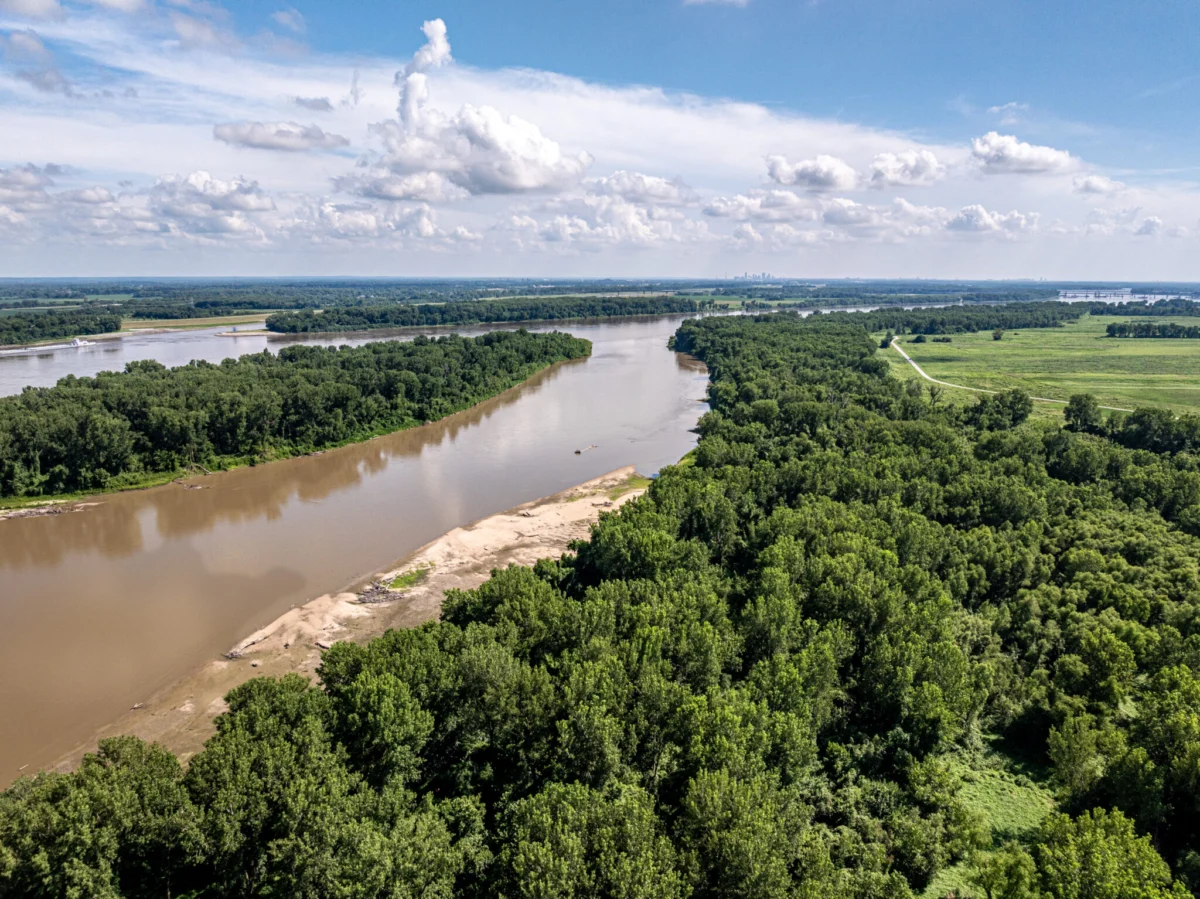
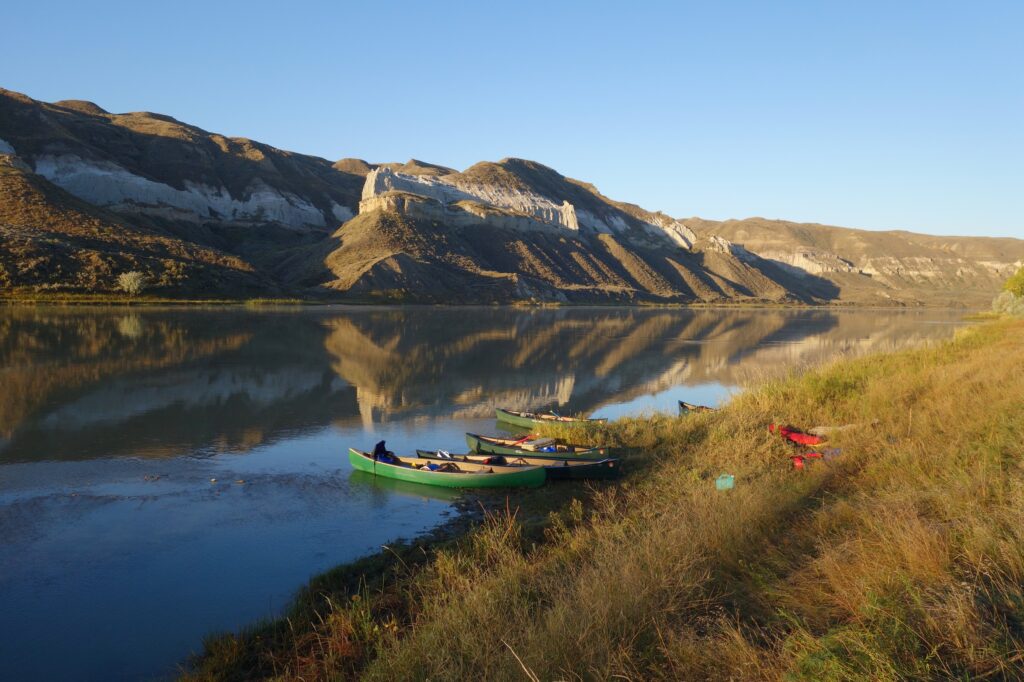
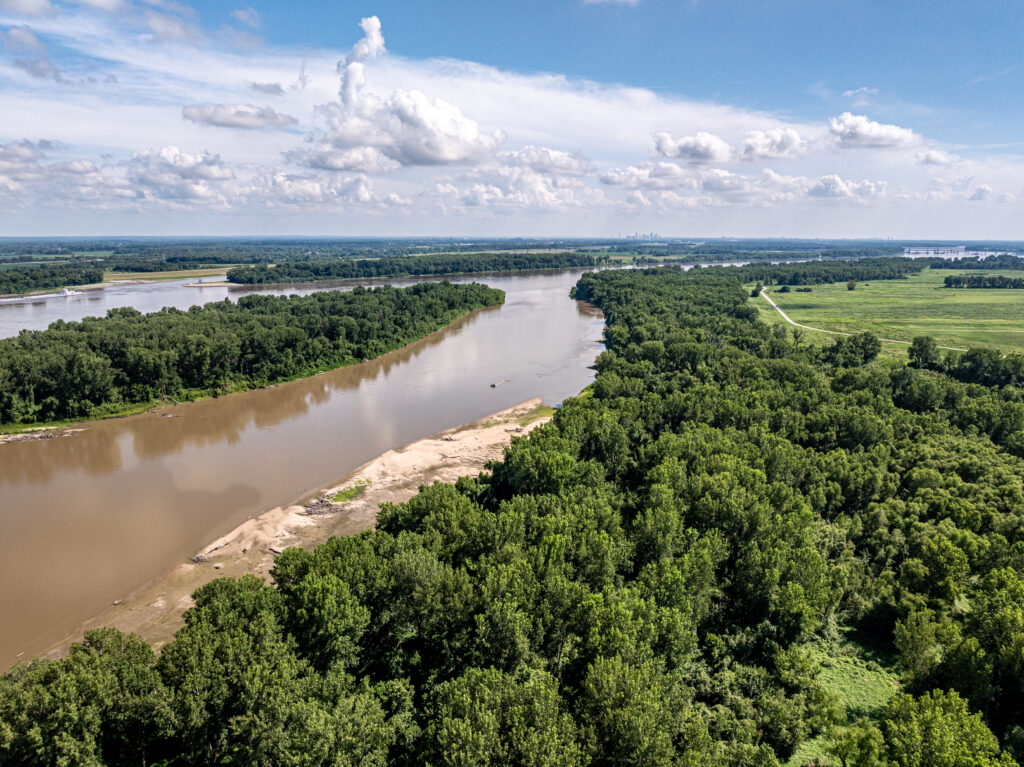
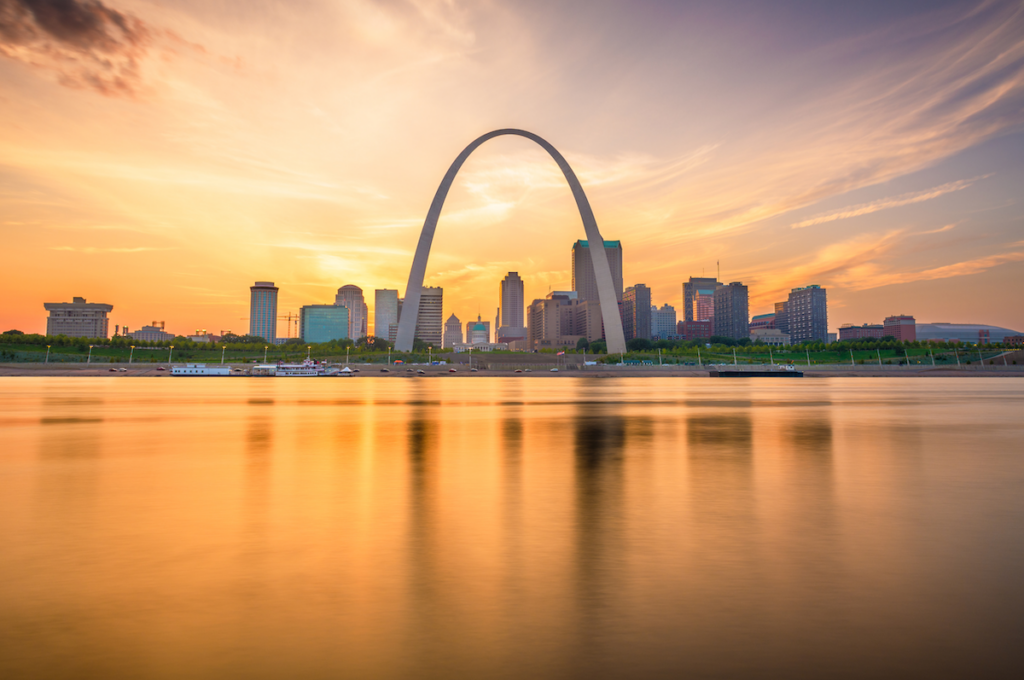
From the pristine, crystalline snowflakes that settle upon the jagged peaks of the Montana Rockies to the clouded, churning confluence where it meets the Mississippi River in St. Louis, the Missouri River—affectionately and infamously known as the "Big Muddy"—has served as the lifeblood of the American West for millennia. Spanning over 2,300 miles, it is the longest river in the United States, yet its journey from a wild, untamed force of nature to a highly engineered industrial artery is one of the most complex chapters in American environmental history. Today, as the river faces the dual pressures of climate volatility and legacy infrastructure, a new coalition of conservationists, tribal nations, and federal agencies is fighting to secure its future.
A Legacy Etched in Silt: The Chronology of a Changing River
The history of the Missouri is inseparable from the history of North America itself. Long before the arrival of European explorers, the river was the center of life for Indigenous peoples. Today, twenty-nine Tribal Nations hold vital cultural, economic, and water rights to the Missouri, viewing the river not merely as a resource, but as a living ancestor.
The early 19th century brought the Corps of Discovery. Meriwether Lewis and William Clark’s historic expedition utilized the Missouri as a highway for expansion, opening a "new horizon" for a young United States. However, the 20th century transformed the river entirely.
The watershed underwent a radical metamorphosis with the passage of the Pick-Sloan Flood Control Act of 1944. In an effort to tame the river’s unpredictable seasonal flooding, the federal government launched an unprecedented campaign of heavy engineering. Massive dams, sprawling reservoirs, and thousands of miles of levees were constructed to facilitate commercial navigation, farm irrigation, and hydropower generation. While these projects provided stability for agricultural expansion, they simultaneously severed the river from its natural floodplain, altering the hydrology that had shaped the basin for eons.
Supporting Data: The Cost of Engineering
The engineering feats of the mid-20th century came with a significant ecological price tag. By restricting the river’s movement and stabilizing its flow, the Pick-Sloan era effectively halted the natural processes of sandbar creation and sediment transport.
Data from the U.S. Fish and Wildlife Service and the U.S. Army Corps of Engineers (USACE) indicates that this loss of habitat led to the precipitous decline of several indicator species. The pallid sturgeon, a prehistoric fish that has survived since the time of the dinosaurs, found its spawning grounds inaccessible. Similarly, the piping plover and the interior least tern saw their nesting habitats disappear as the river’s natural cycles were suppressed.
The Missouri River Recovery Program (MRRP) was established as a direct response to these crises. It is a massive undertaking designed to mimic natural river functions, including:
- Flow Modification: Adjusting dam releases to support fish spawning and habitat creation.
- Habitat Restoration: Man-made creation of sandbars and shallow-water habitats.
- Adaptive Management: Using scientific monitoring to inform future river operations.
Despite these efforts, progress has been uneven. While the interior least tern has successfully been de-listed—a landmark achievement for conservationists—the recovery of the pallid sturgeon remains a significant challenge. Furthermore, the Bank Stabilization and Navigation Project (BSNP), which mandates the acquisition and restoration of 166,750 acres of floodplain, is currently only halfway to its target. The goal remains elusive, yet critical to the river’s long-term resilience.
Official Responses and Strategic Advocacy
The current administration and the USACE are under increasing pressure to reconcile the industrial demands of the river with the urgent need for environmental restoration. American Rivers, as a lead advocacy group, has positioned itself as a central player in this dialogue.
"The Big Muddy deserves a healthy future," says Michael Sertle, reflecting on the organization’s long-standing role as a ‘Fish and Wildlife Stakeholder’ to the Missouri River Recovery Implementation Committee (MRRIC). By acting as an advisory stakeholder, American Rivers ensures that the voices of conservation are not drowned out by the demands of commercial navigation and energy production.
The organization’s strategy involves:
- Direct Lobbying: Advocating for consistent Congressional funding for the MRRP.
- Floodplain Reconnection: Pushing for "levee-setbacks" that allow the river to spread out during high-water events, thereby reducing flood risks for downstream communities while restoring natural wetland health.
- Policy Integration: Working to align the U.S. Farm Bill conservation programs with the needs of the river basin, encouraging private landowners to participate in restoration efforts.
The Implications of Climate Volatility
The need for this work has never been more urgent. We are entering an era where the "norm" for the Missouri River is shifting. Erratic weather patterns have led to record-breaking flooding in some years and prolonged, devastating droughts in others.
The implications for the basin are severe. When the river is tightly constricted by levees, it loses its ability to buffer against extreme weather. A flood that might have been absorbed by a healthy, sprawling floodplain now becomes a catastrophic event that threatens urban infrastructure and rural livelihoods. Conversely, during drought, the loss of natural water storage in the floodplain limits the ability of the watershed to sustain local aquifers.
"We are seeing the limits of 20th-century engineering," note environmental policy experts. "The river is pushing back, and the most cost-effective way to protect our communities is to restore the natural systems that act as our primary defense."
A Path Forward: Restoring the Big Muddy
The future of the Missouri River rests on our ability to shift from a mindset of total control to one of stewardship. This involves a multi-sectoral approach. It requires the cooperation of the private sector, as farmers and ranchers are essential partners in floodplain restoration. It requires the commitment of the business community, which relies on the river for transport and energy. And, most importantly, it requires the continued, vocal support of the public.
American Rivers is currently scaling up its efforts to bridge the gap between policy and on-the-ground reality. By leveraging federal and state partnerships, the organization is identifying specific parcels of land for restoration that offer the greatest ecological "bang for the buck"—areas that can re-connect the river to its floodplain, boost biodiversity, and provide new opportunities for public recreation.
As we look toward the next decade, the metrics of success will not be measured solely in tons of cargo moved or megawatts of power generated. They will be measured in the health of the pallid sturgeon population, the number of acres of restored wetlands, and the ability of the Missouri River to serve as a resilient, vibrant ecosystem for the millions of people who call its banks home.
The "Big Muddy" has been a witness to the growth of a nation. It has carried the weight of our industry and the ambition of our pioneers. It is now time for the nation to carry the weight of the river’s restoration. Through science-backed policy, intentional conservation, and a commitment to the long-term health of our watersheds, we can ensure that this storied river remains a source of life, inspiration, and heritage for generations to come. The work is difficult, the politics are complex, but the imperative is clear: A healthy Missouri River is not a luxury—it is a necessity.