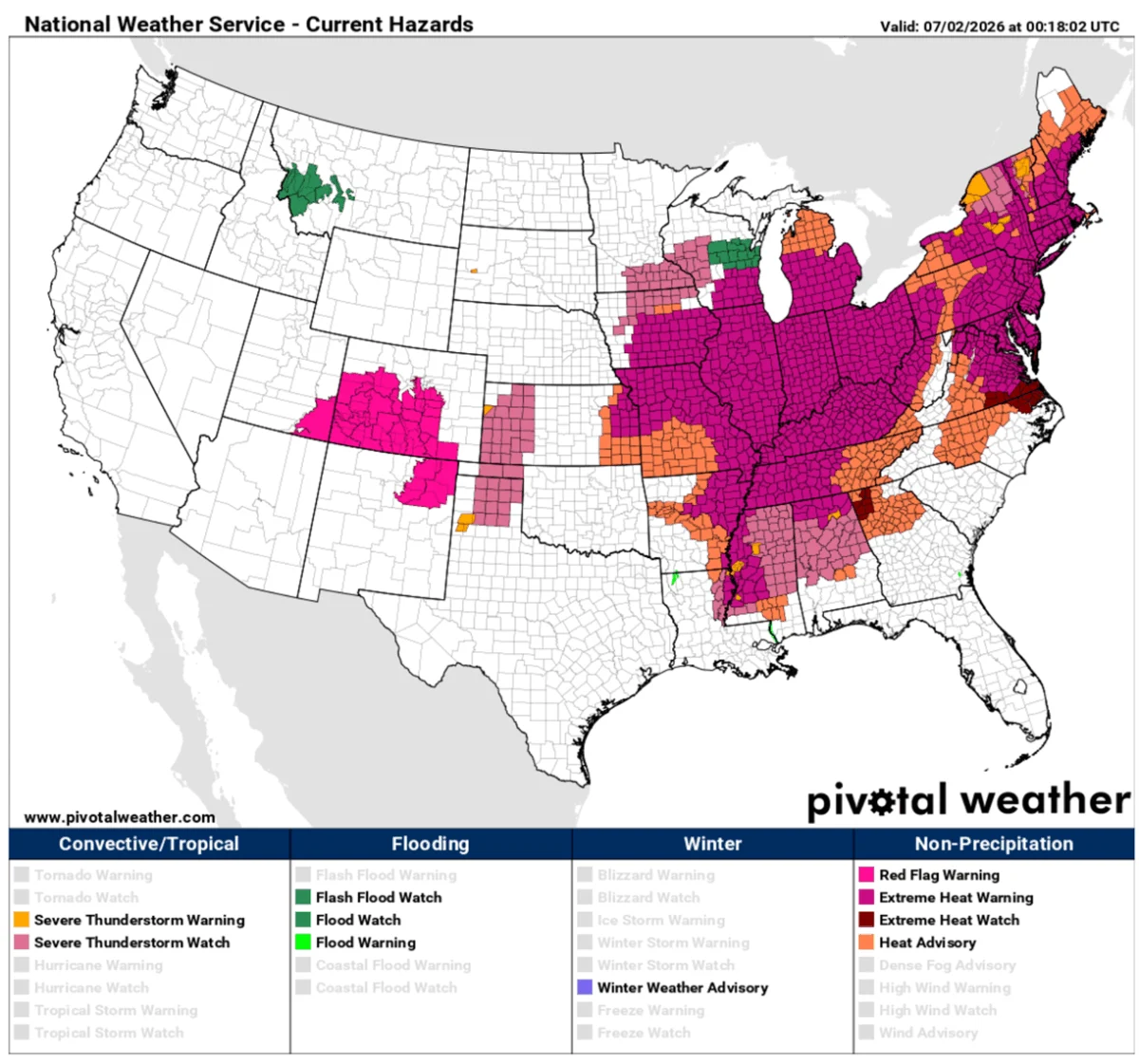
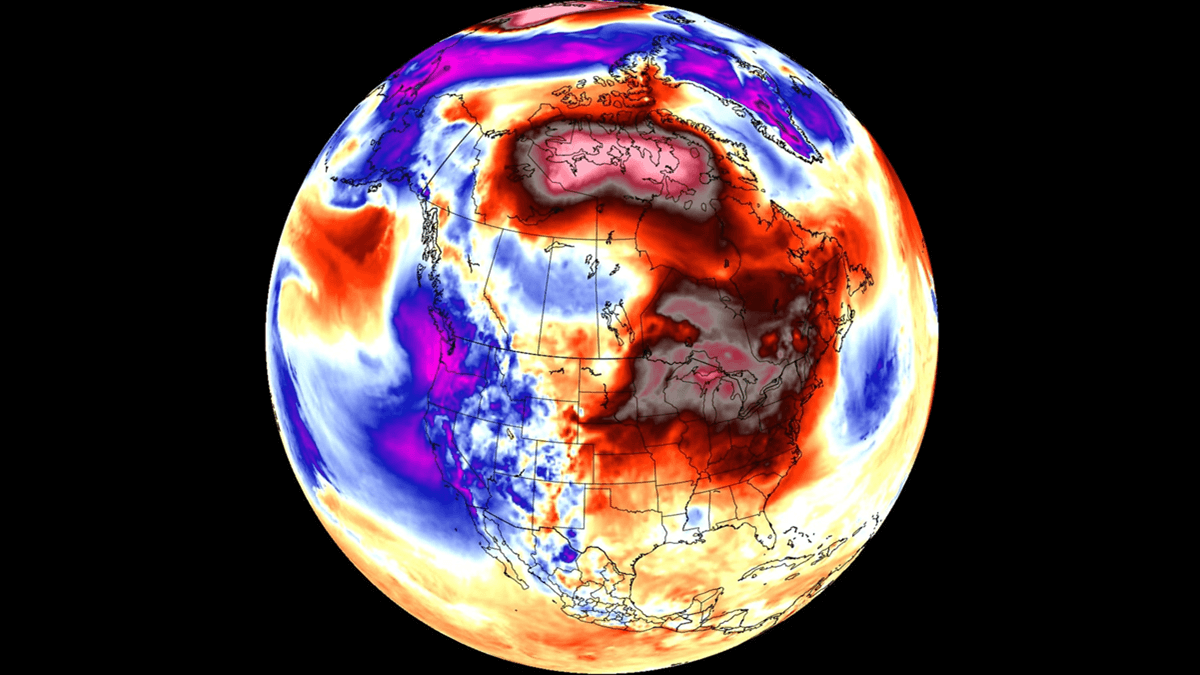
As the United States turns its collective attention toward the patriotic fervor of the Fourth of July weekend, a far more menacing, invisible force has seized control of the nation’s landscape. A historic, record-shattering "Heat Dome" has parked itself over the central and eastern portions of the country, creating an atmospheric feedback loop that threatens to push public health, infrastructure, and emergency services to their absolute breaking point.
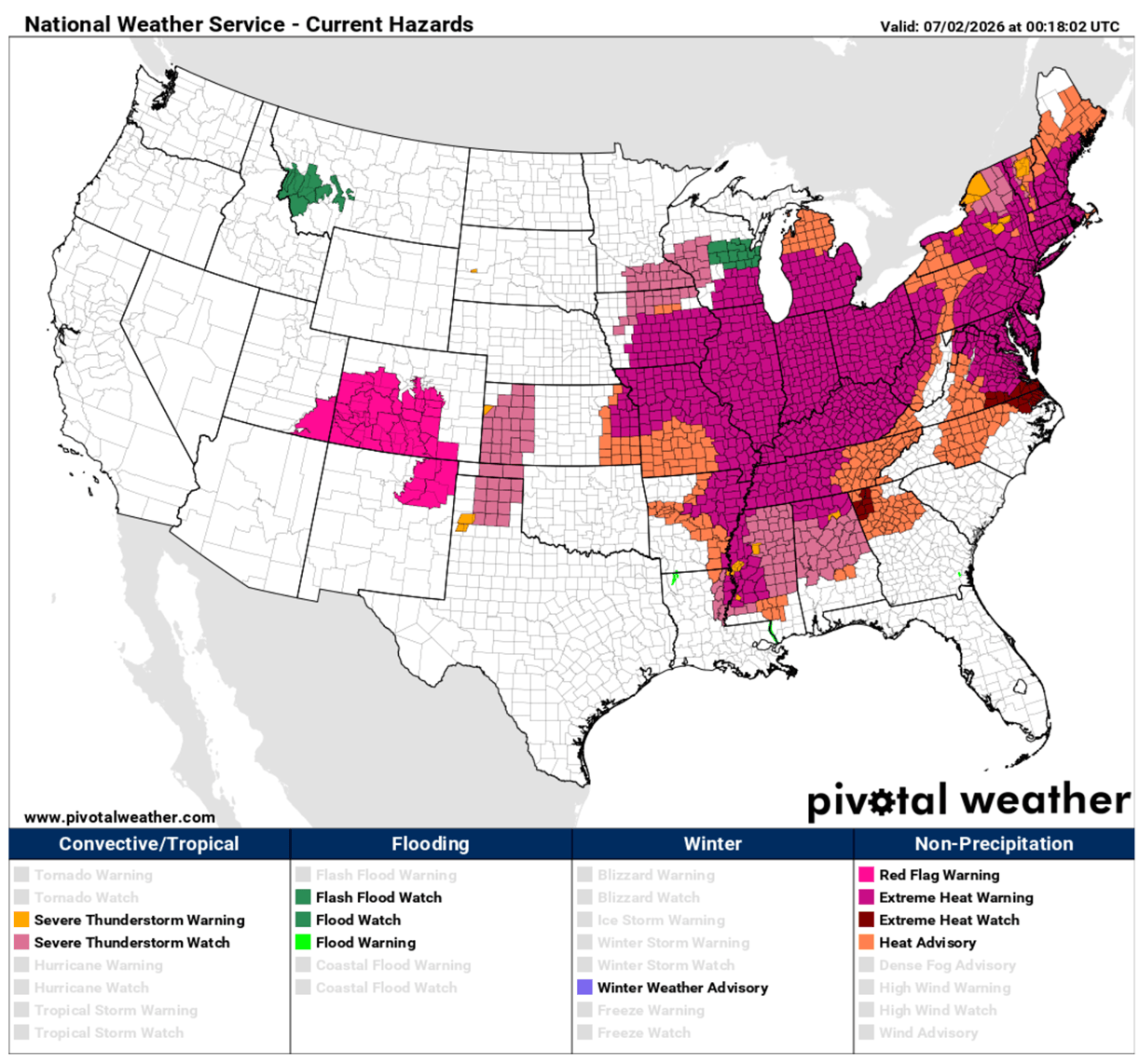
Spanning across more than two-thirds of the contiguous United States, this meteorological anomaly is not merely a passing warm front; it is a high-pressure "lid" that has effectively sealed off the region, trapping sweltering heat and oppressive humidity in a stagnant, life-threatening cycle. With more than 200 million Americans under some form of heat advisory or warning, the nation faces a logistical and humanitarian crisis that coincides with one of the busiest travel and outdoor-gathering periods of the year.
The Mechanism of the Heat Dome: A Thermodynamic Trap
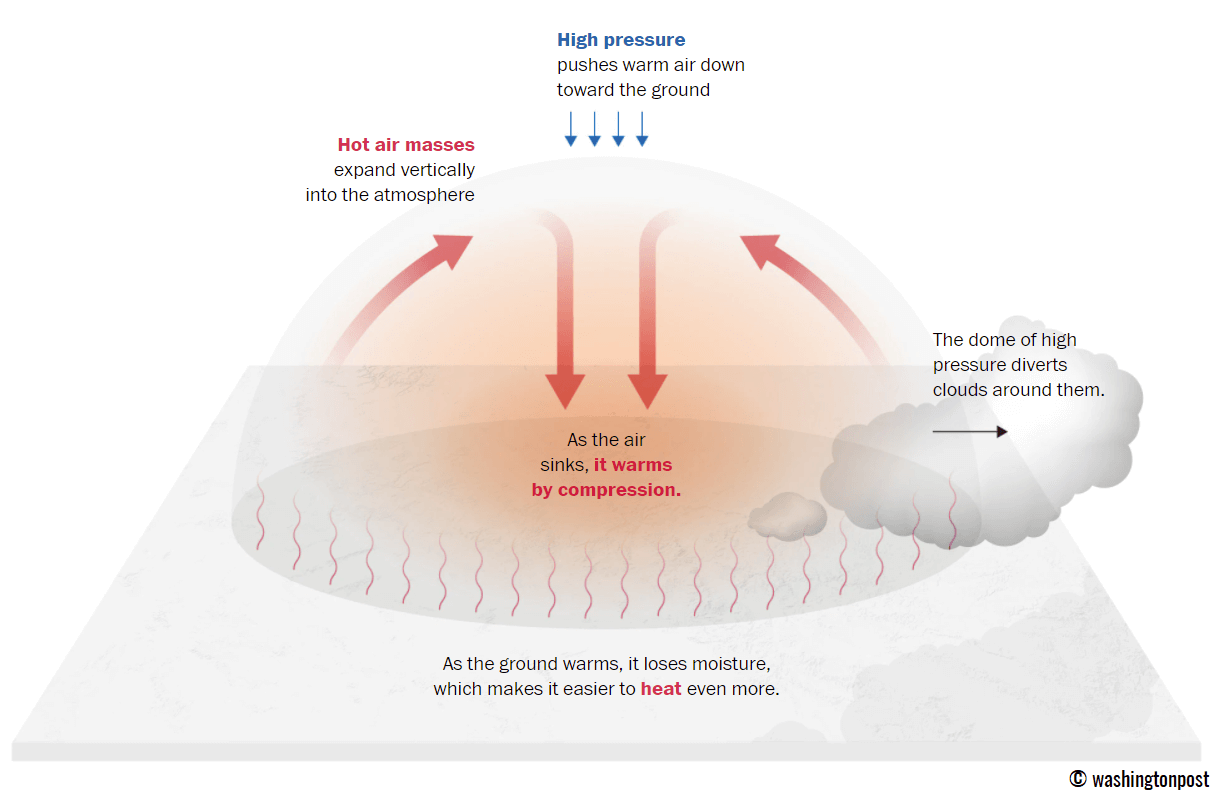
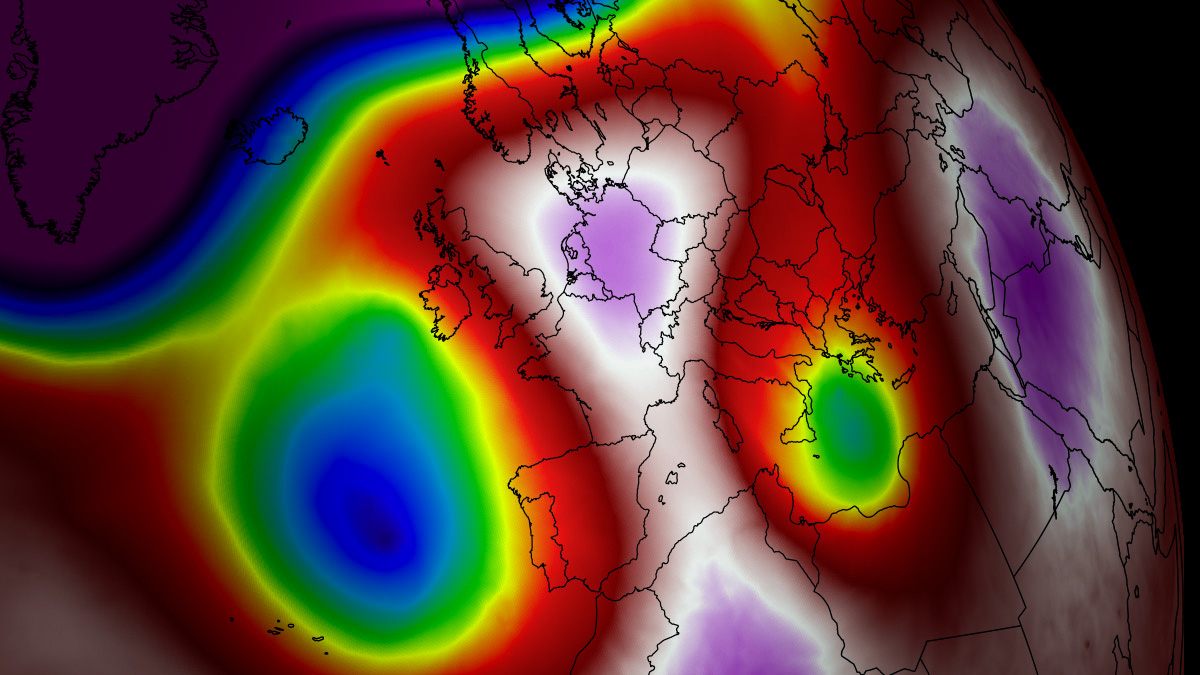
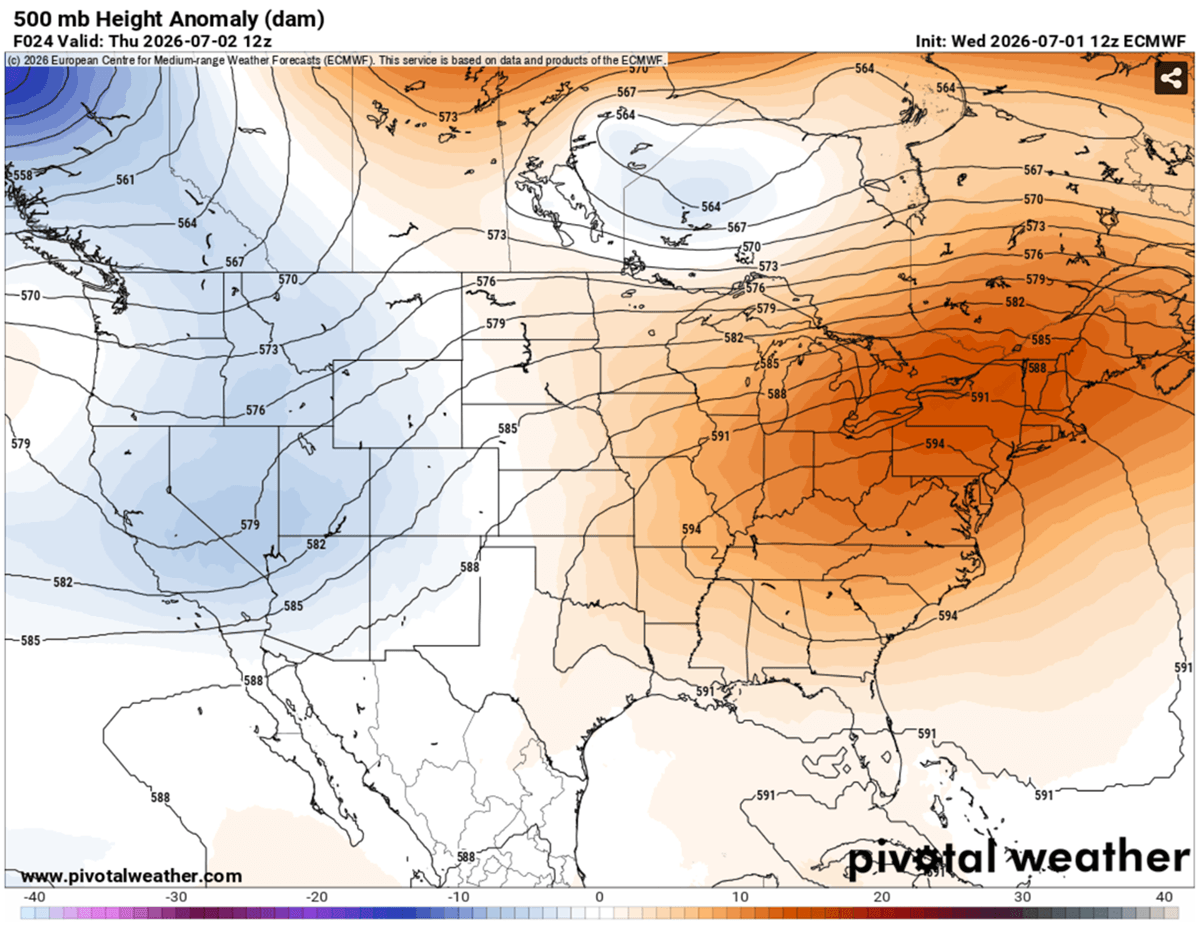
To understand the severity of the current situation, one must look at the atmospheric architecture of a Heat Dome. Meteorologically, this phenomenon is driven by an upper-level ridge of high pressure. When this ridge stalls, it creates a "blocking pattern" that prevents standard weather systems—which typically provide relief through wind and rain—from moving through the region.
The mechanism operates much like a lid on a pot of boiling water. As the high-pressure system parks itself, it forces air downward toward the surface. As this air descends, it compresses and heats up significantly. Because the dome prevents the air from escaping or mixing with cooler, northern air masses, the surface temperature continues to rise with each passing day. This creates a self-sustaining feedback loop: the hotter the ground gets, the more it radiates heat back into the atmosphere, which is then trapped again by the descending high-pressure air.
In urban environments, this effect is magnified by the "Urban Heat Island" phenomenon. Concrete, asphalt, and steel absorb the daytime solar radiation and slowly release it throughout the night. Consequently, instead of providing the customary nocturnal relief, urban microclimates are failing to see temperatures drop below 75°F or even 80°F, preventing the human body from recovering from the daily thermal onslaught.
Chronology of the Crisis: A Week of Rising Mercury
The onset of this event began with a gradual stabilization of the upper-level ridge, which allowed for a steady accumulation of heat throughout the late June period. As July dawned, the pattern solidified.
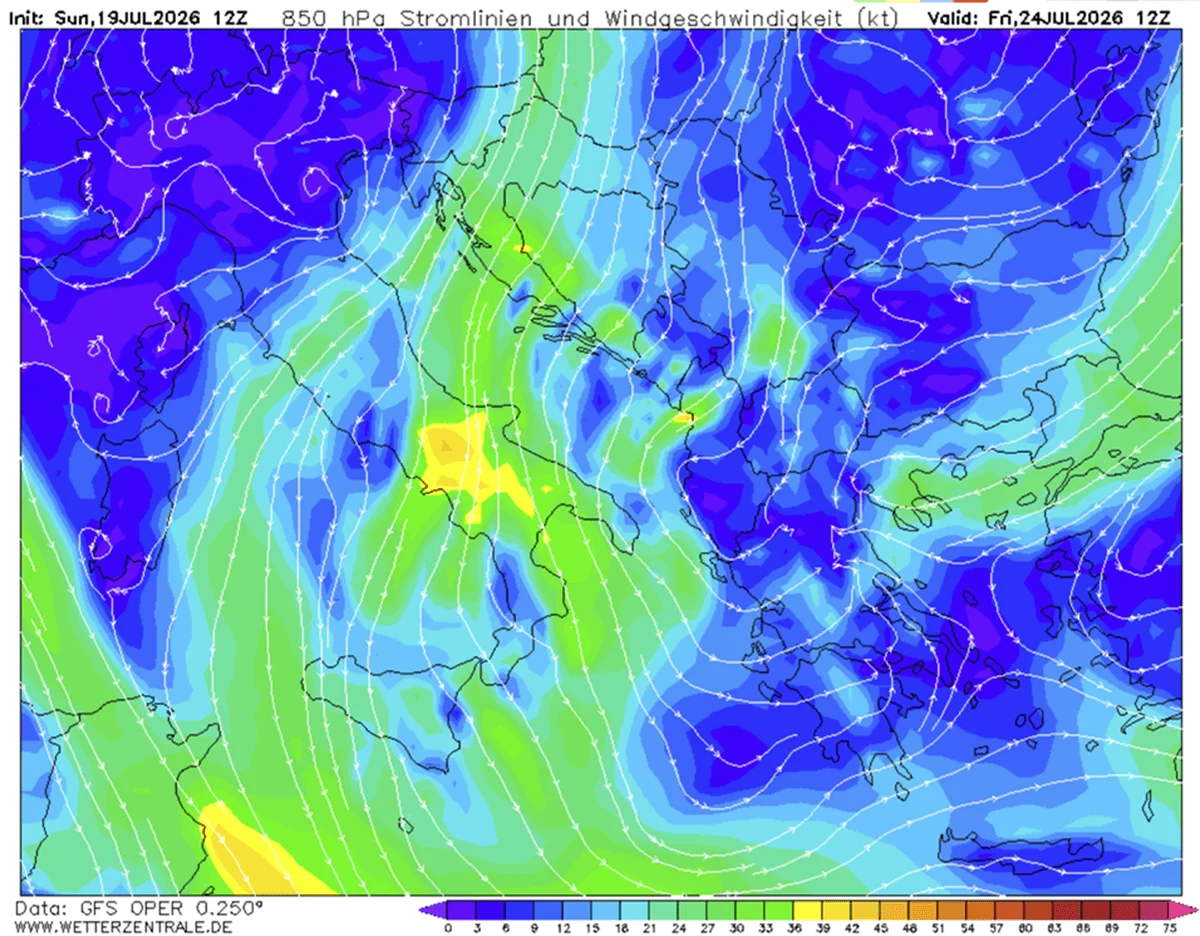
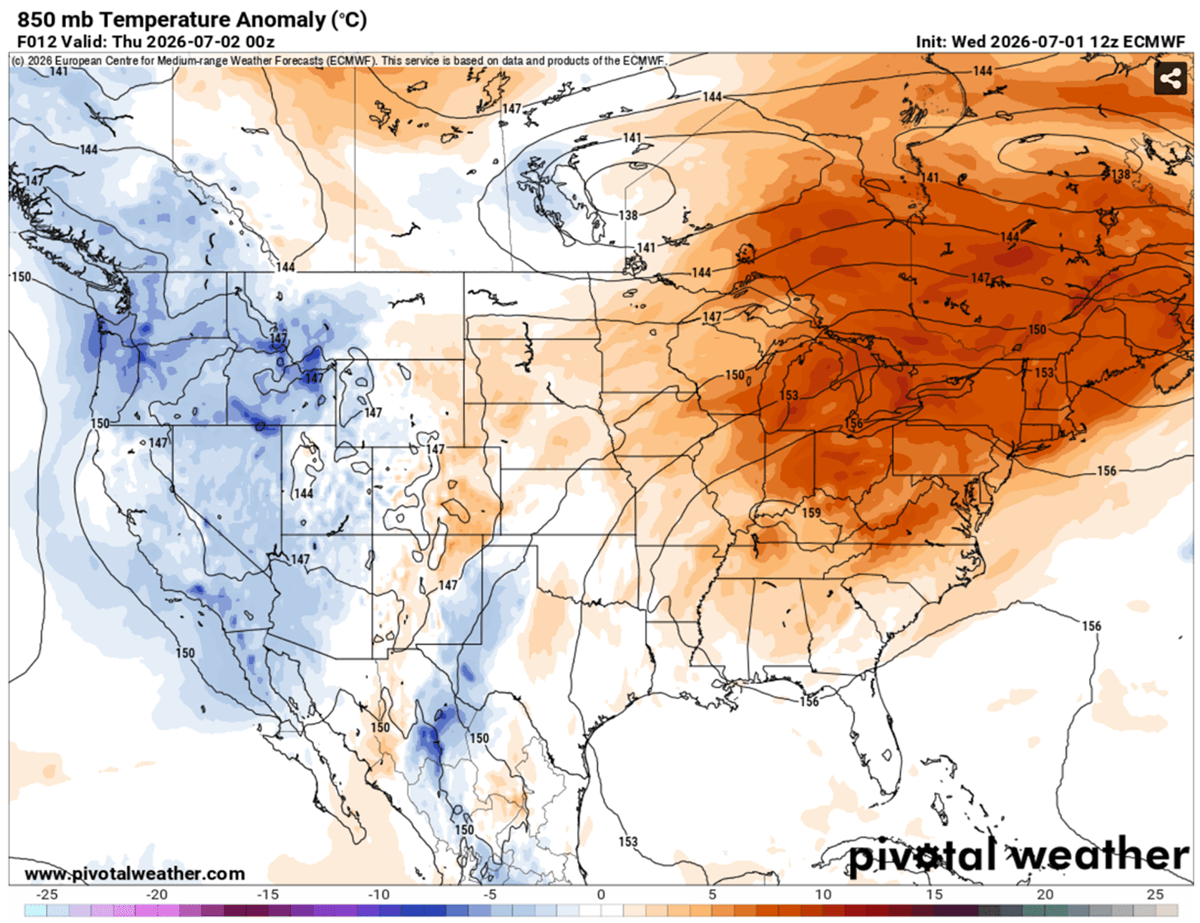
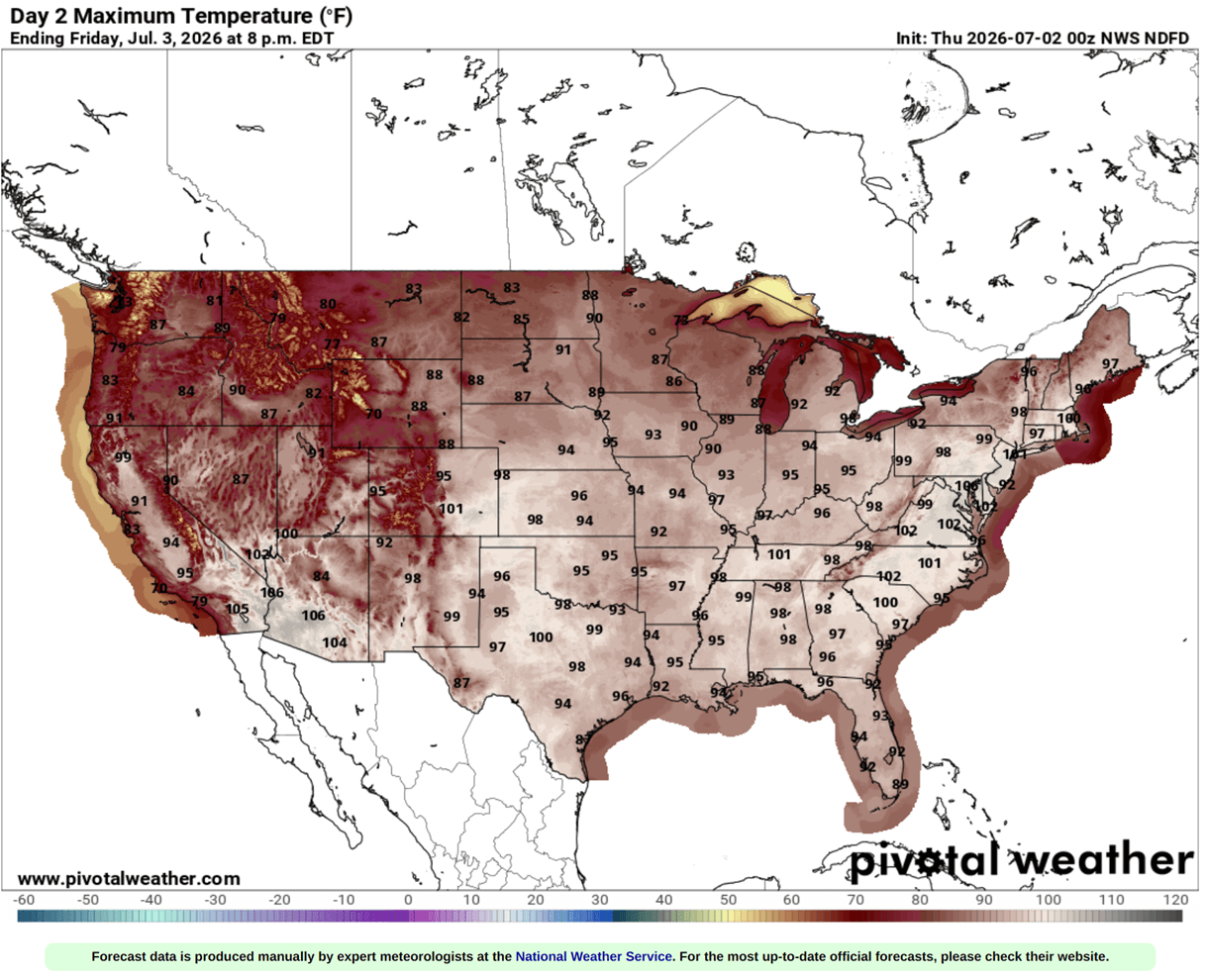
- Pre-Holiday Buildup: By early this week, the central U.S. and Midwest began to experience temperatures 10–15°C above seasonal norms at the 850 mbar level. This translated to surface temperatures consistently hitting the mid-90s.
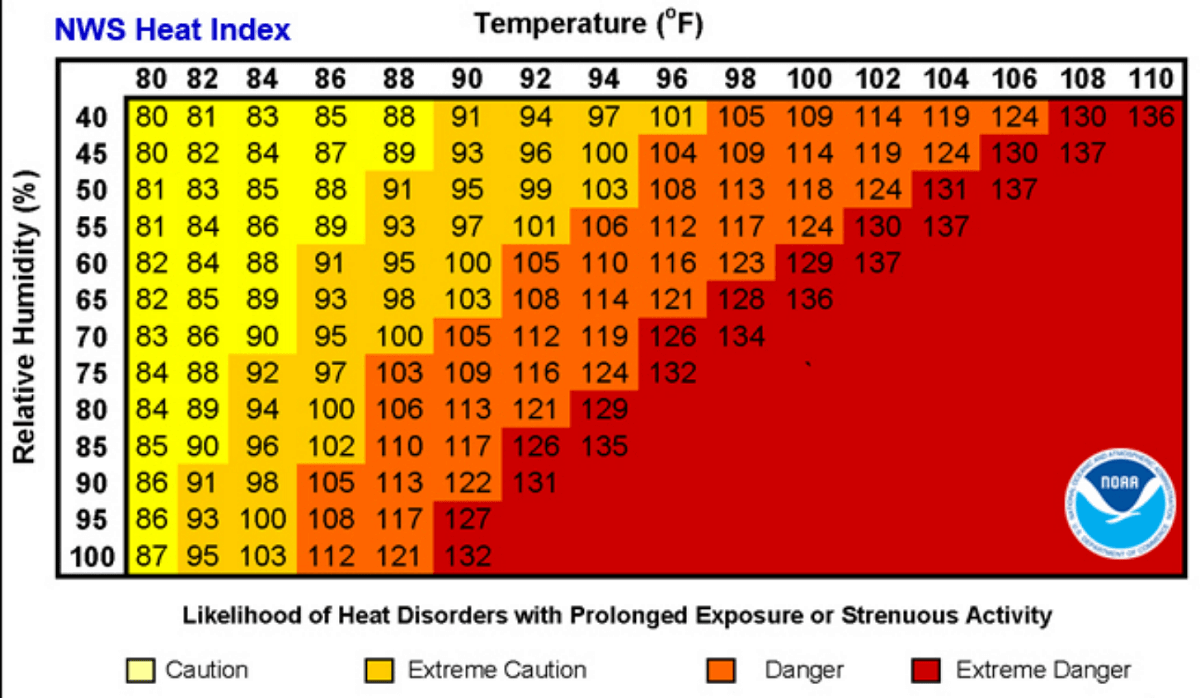
- The Mid-Week Acceleration: As the Heat Dome deepened, the humidity levels surged, particularly across the Mississippi Valley and the Southeast. By mid-week, the "Heat Index"—the measure of how the heat actually feels to the human body when accounting for humidity—began to routinely eclipse the 105°F mark.
- The Independence Day Peak: As the nation prepares for fireworks displays and outdoor FIFA World Cup watch parties, the core of the heat is projected to reach its zenith. Major corridors, including the I-95 stretch from Washington, D.C., to New York City, are bracing for peak heat indices between 110°F and 115°F.
- The Extended Outlook: Current models indicate that this pattern will not easily dissipate. While there is some uncertainty regarding the exact longevity of the dome, meteorologists suggest that the stifling conditions are likely to persist well into the early days of next week, turning a holiday weekend into an endurance test.
Supporting Data: Why This Heat is Different
The danger of this heatwave lies not just in the raw temperature, but in the combination of moisture and duration. High humidity prevents human sweat from evaporating efficiently, which is the body’s primary cooling mechanism. When the dew point remains high, the body becomes incapable of regulating its internal temperature, leading to rapid onset of heat exhaustion and, eventually, heat stroke.
Data from the National Weather Service and various meteorological modeling agencies highlights the following critical indicators:
- The 110°F Threshold: The eastern two-thirds of the U.S. will experience a heat index consistently above 100°F, with localized areas hitting 115°F.
- The 230 Million Impact: Approximately 230 million people are living in regions where daytime highs are projected to exceed 90°F, with more than 100 daytime temperature records expected to be challenged or shattered by Sunday.
- Nocturnal Stress: The failure of nighttime temperatures to drop below the 75°F–80°F range is the most significant factor in cumulative heat-related mortality, as it denies the human cardiovascular system the necessary rest period to recover from daytime strain.
Official Responses and Grid Integrity
The sheer scale of this emergency has forced federal and local governments to take unprecedented measures to protect the integrity of the national power grid. The primary concern is "demand-side management"—the massive, simultaneous spike in electricity usage as every residential and commercial air conditioning unit in the country runs at maximum capacity.
In several states, authorities have issued emergency directives allowing power plants to temporarily bypass specific environmental restrictions. This controversial but necessary step permits facilities to run at full capacity, potentially using backup diesel generators that would otherwise be restricted under normal air quality regulations. The goal is to prevent a cascading power failure; a blackout during a heatwave of this magnitude would be a catastrophic public health event, leaving millions without the ability to cool their homes.
Furthermore, state governors have activated cooling centers and emergency response protocols, urging citizens to check on elderly neighbors and those with pre-existing conditions. Public health officials are stressing that "heat is the silent killer," noting that it often claims more lives annually than hurricanes, tornadoes, and floods combined.
Implications for Public Safety and Wildlife
The implications of this heat dome extend far beyond human discomfort.
Public Health Risks
Medical professionals are on high alert for an influx of patients suffering from dehydration, heat cramps, and severe heat stroke. The elderly, children, and those with respiratory or cardiovascular illnesses are at the highest risk. The prolonged nature of this event means that hospital systems in the I-95 corridor and the Midwest are preparing for a surge in heat-related emergency room visits.
Economic and Agricultural Impact
The agricultural sector is facing significant losses. Livestock, particularly in the Midwest and Southern plains, are highly susceptible to heat stress, which can lead to reduced weight gain, lower milk production, and, in severe cases, mass fatalities. Crops, already struggling with the heat, are under increased pressure as soil moisture evaporates rapidly, potentially exacerbating drought conditions in vulnerable areas.
The Human Element: Work and Play
For construction workers, farmhands, and utility crews, the job does not stop for the heat. These individuals are at the highest risk for heat-related illness. Many jurisdictions have implemented mandatory water and shade breaks, but the intensity of the heat makes even moderate labor hazardous.
As for the general public, the intersection of this weather event with the Fourth of July celebrations creates a "perfect storm" of risk. Officials are strongly advising that outdoor gatherings be moved to the evening hours, that alcohol consumption (which accelerates dehydration) be minimized, and that the public avoids strenuous physical activity during the peak heat hours of 1:00 PM to 7:00 PM.
Conclusion: A Test of Resilience
As the United States navigates this historic meteorological event, the focus remains on resilience and preparedness. The heat dome serves as a stark reminder of the volatility of modern weather patterns and the delicate balance between our infrastructure and the natural world.
While the nation looks forward to the celebration of its independence, the reality of the coming days is one of caution. The atmospheric "lid" may be invisible, but its weight is being felt from the Great Lakes to the Atlantic Coast. For the next several days, survival and safety are the primary objectives for millions of Americans. As meteorological models continue to track the dissipation of this ridge, the message from authorities remains clear: stay informed, stay hydrated, and do not underestimate the danger posed by the air we breathe.
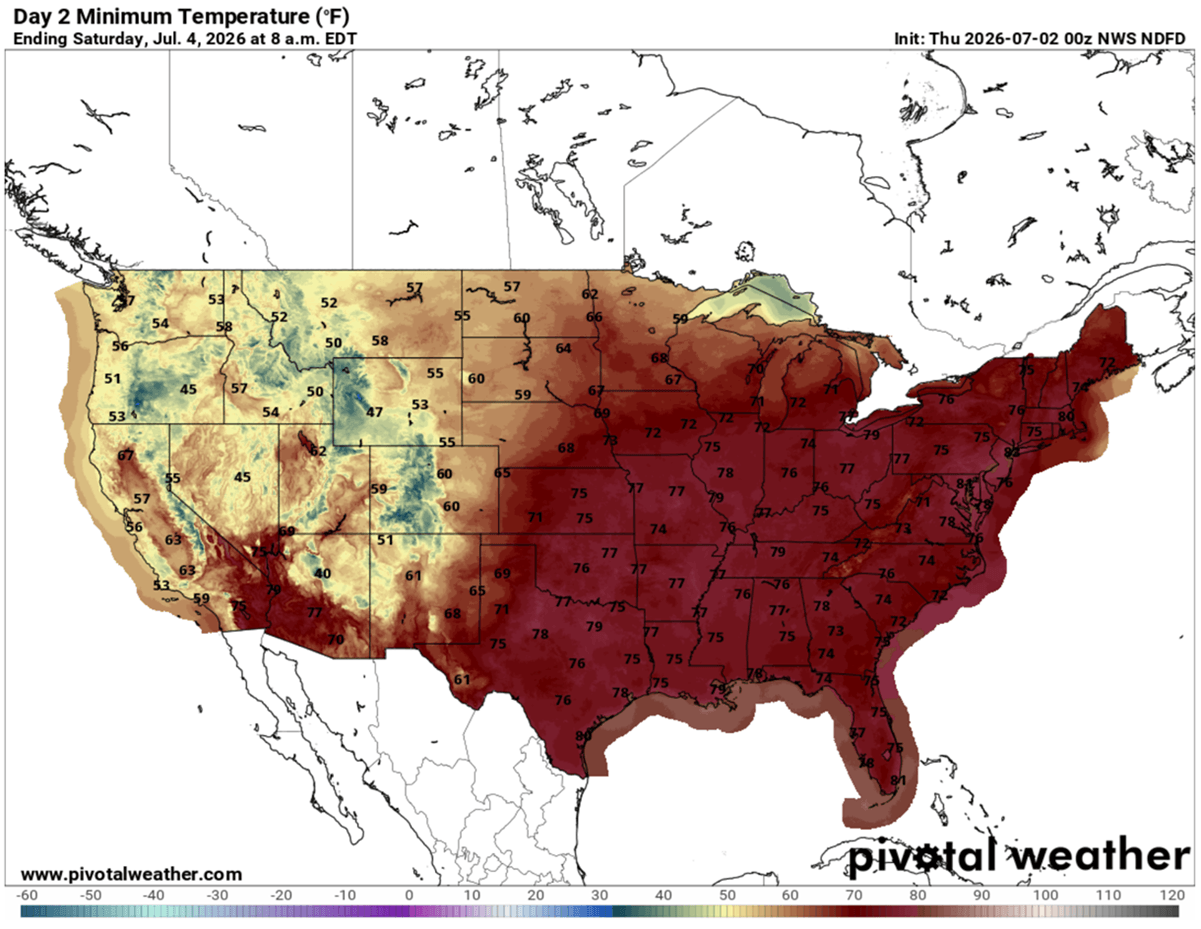
The heat will eventually break, but the lessons learned from this week will likely inform emergency response strategies for years to come.