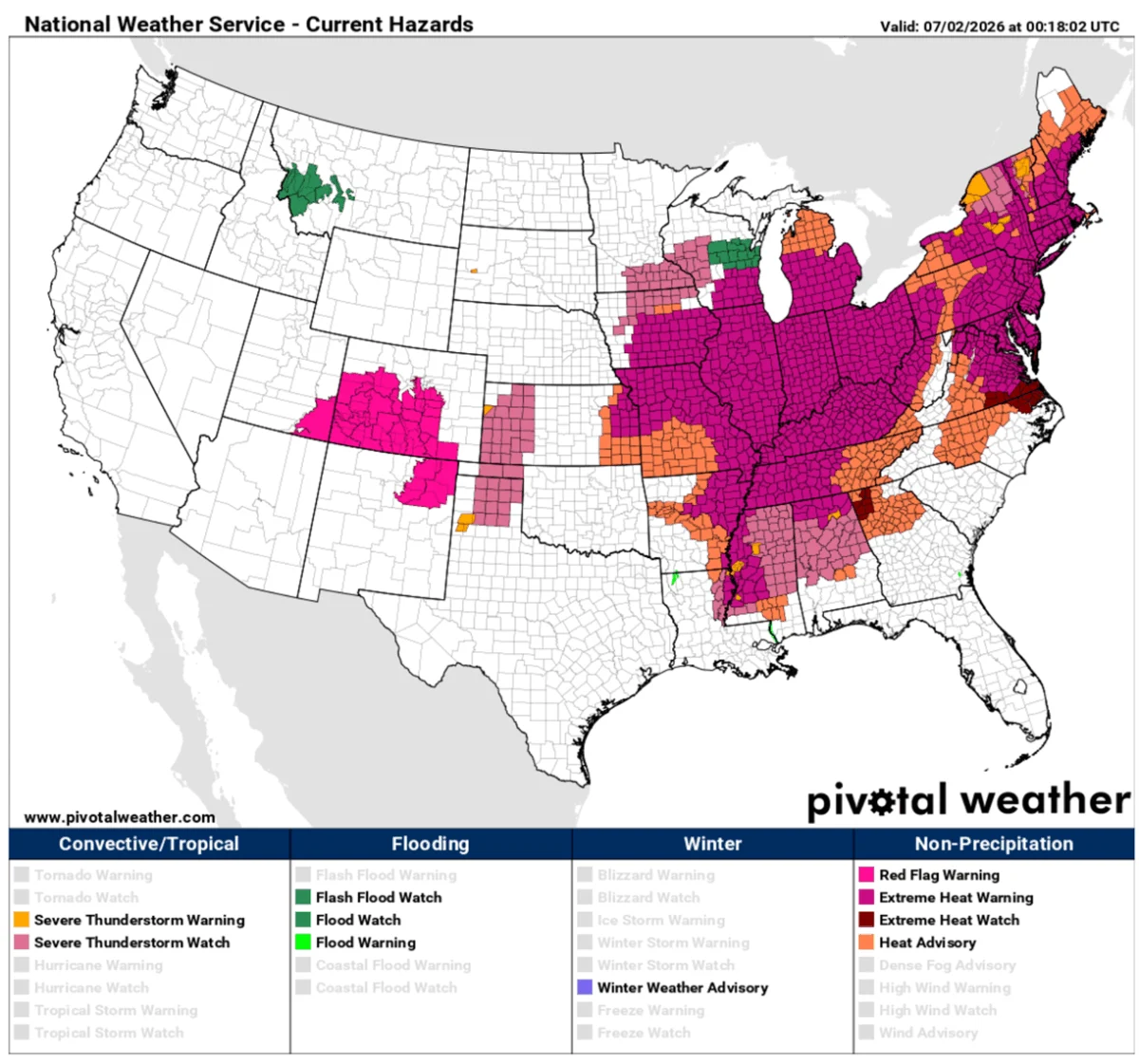
As the calendar turns to July, the United States finds itself in the grip of a meteorological event of historic proportions. A massive, persistent "Heat Dome" has anchored itself over the central and eastern regions of the country, creating an atmospheric trap that is subjecting more than 200 million Americans to life-threatening temperatures and suffocating humidity. This multi-day thermal feedback loop coincides with the Fourth of July holiday, transforming what should be a week of patriotic celebration into a period of extreme emergency for both citizens and critical infrastructure.
The Meteorological Mechanism: Why the "Lid" Won’t Lift
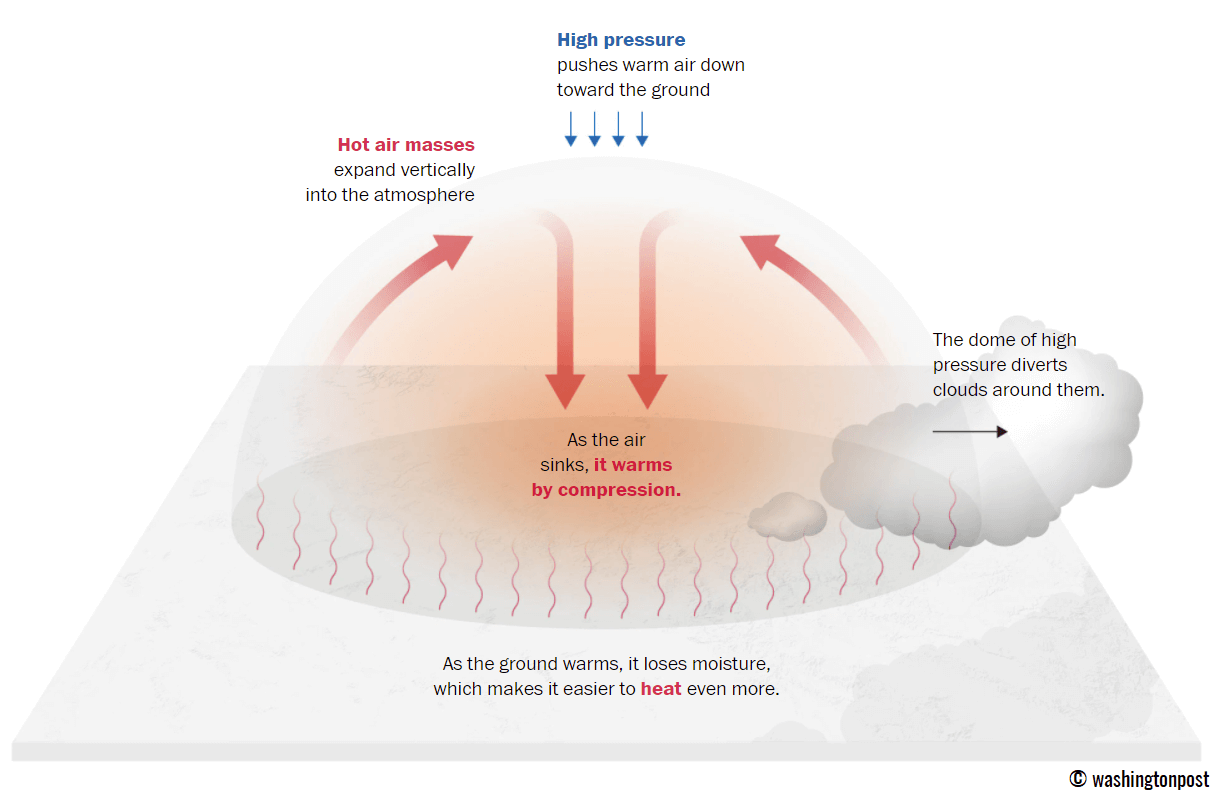
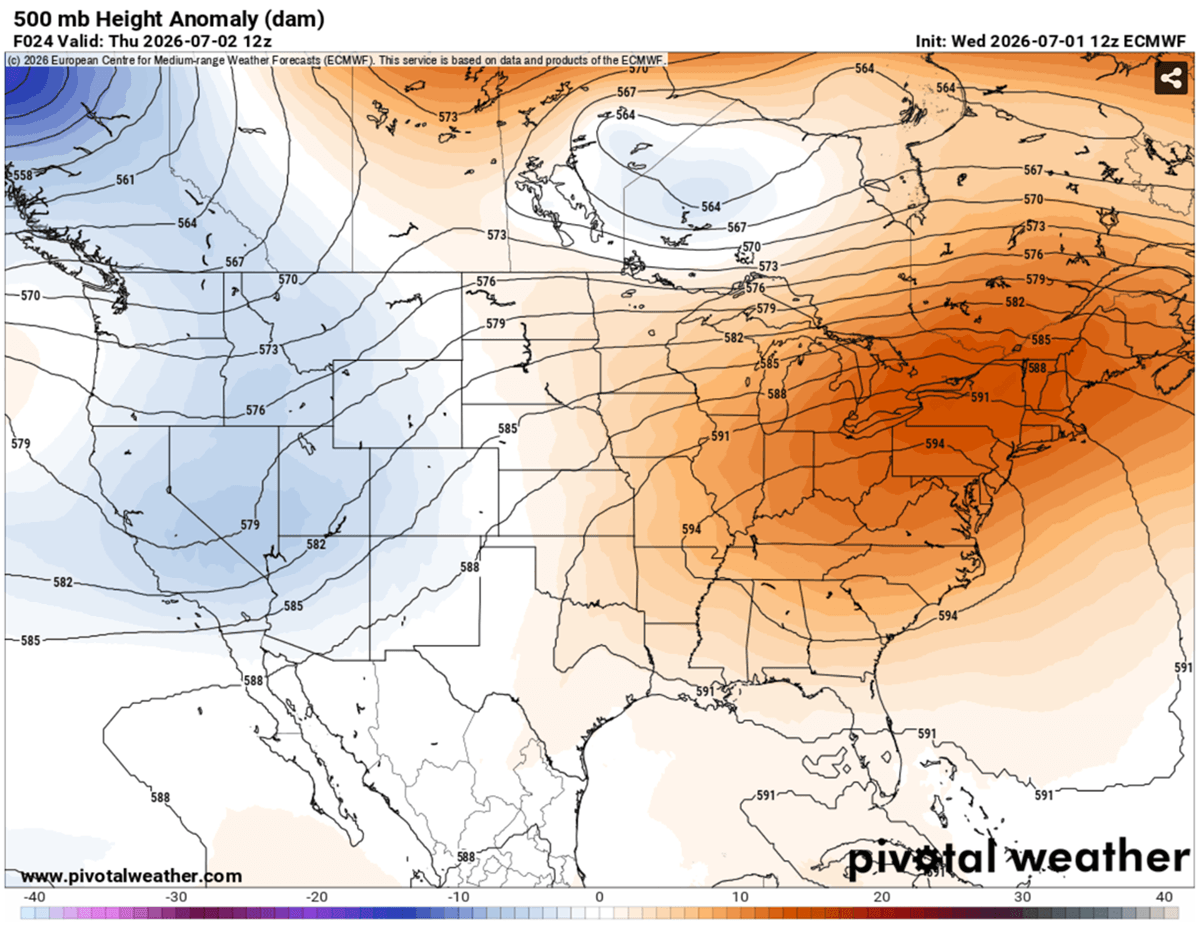
To understand the severity of the current crisis, one must first understand the atmospheric mechanics of a Heat Dome. Meteorologically, this phenomenon is driven by a high-pressure "blocking" pattern in the upper atmosphere. Acting as an immovable "lid" on a pressurized pot, this system traps warm air near the surface and prevents the normal convective cooling processes that typically provide relief during summer evenings.
As high pressure parks over the continent, it forces air to descend, which compresses and heats the atmosphere at lower elevations. This process is self-reinforcing: the longer the high-pressure ridge remains stationary, the more the air mass beneath it warms and becomes stagnant. When combined with high levels of surface humidity, the result is an "overheated" air mass that refuses to dissipate, leading to cumulative heat stress that affects everything from human health to the stability of the power grid.
A Chronology of the Crisis
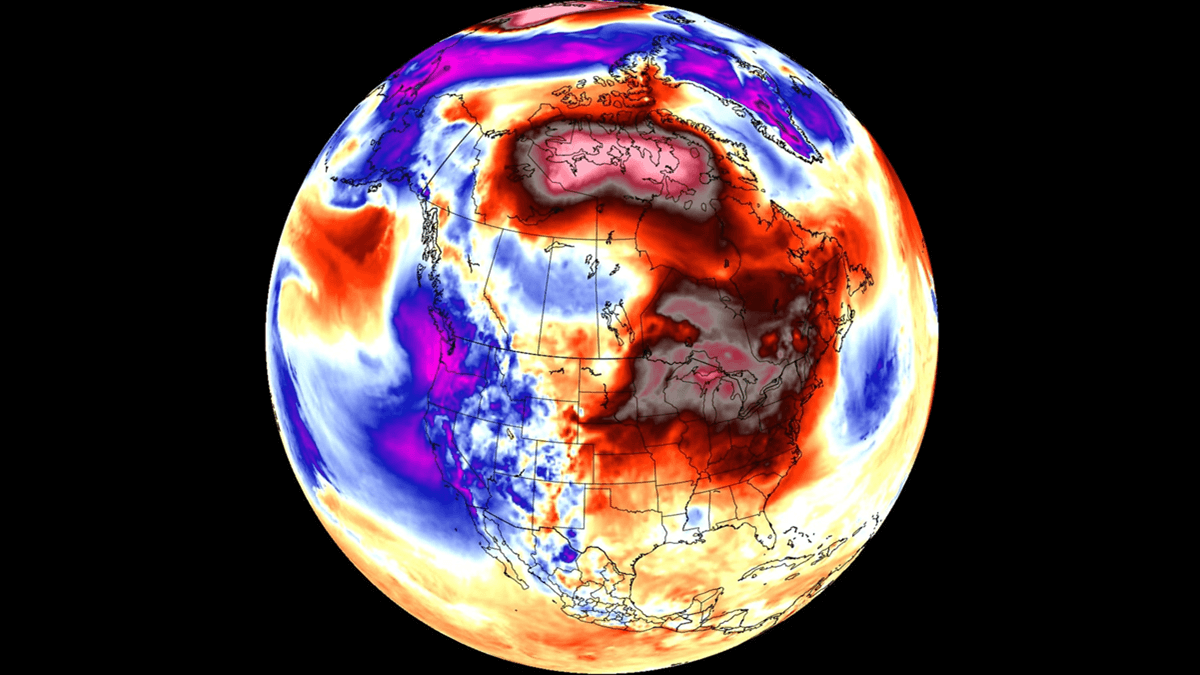
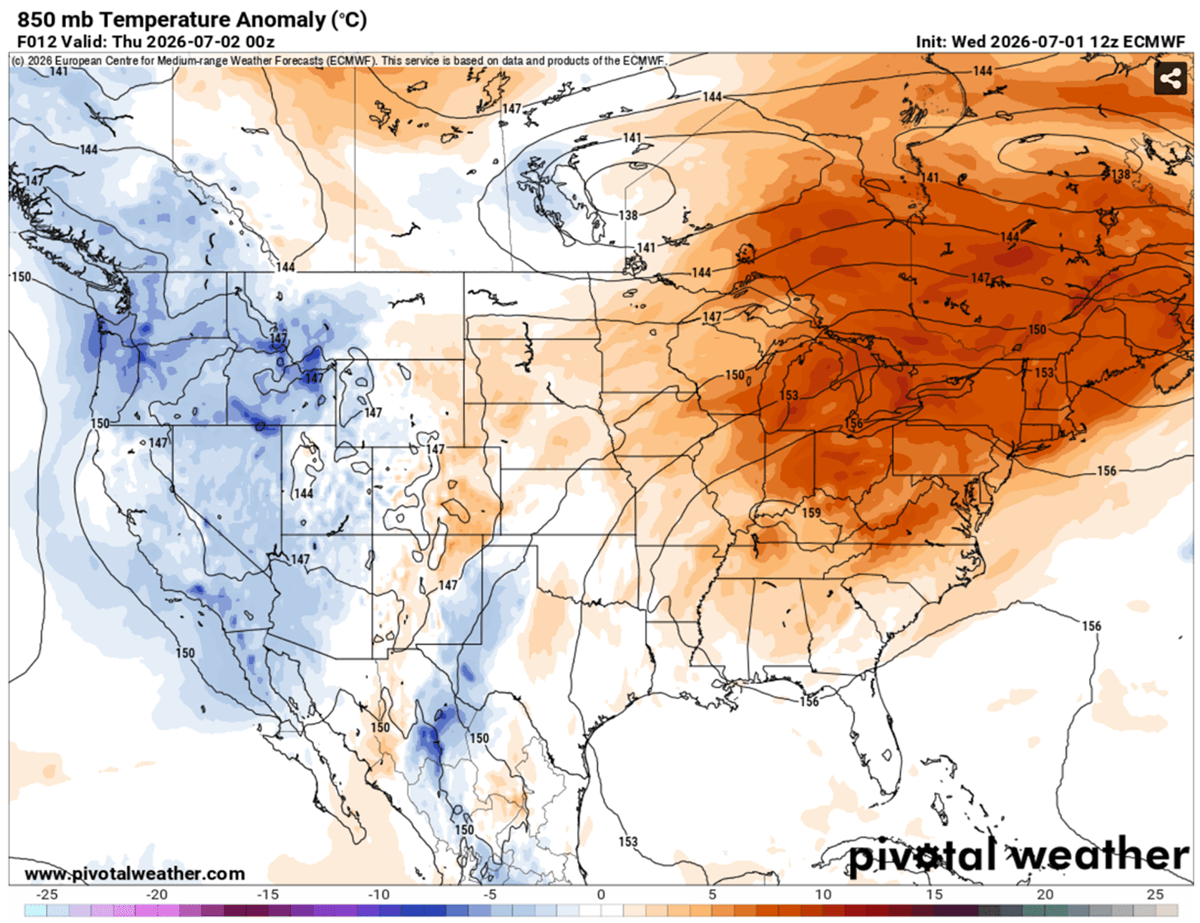
The onset of this heatwave began as a steady buildup of high-pressure ridges across the Midwest and central U.S. By the final days of June, weather models began indicating an unprecedented anomaly: temperatures at the 850 mbar level were projected to be 10–15°C above the seasonal norm.
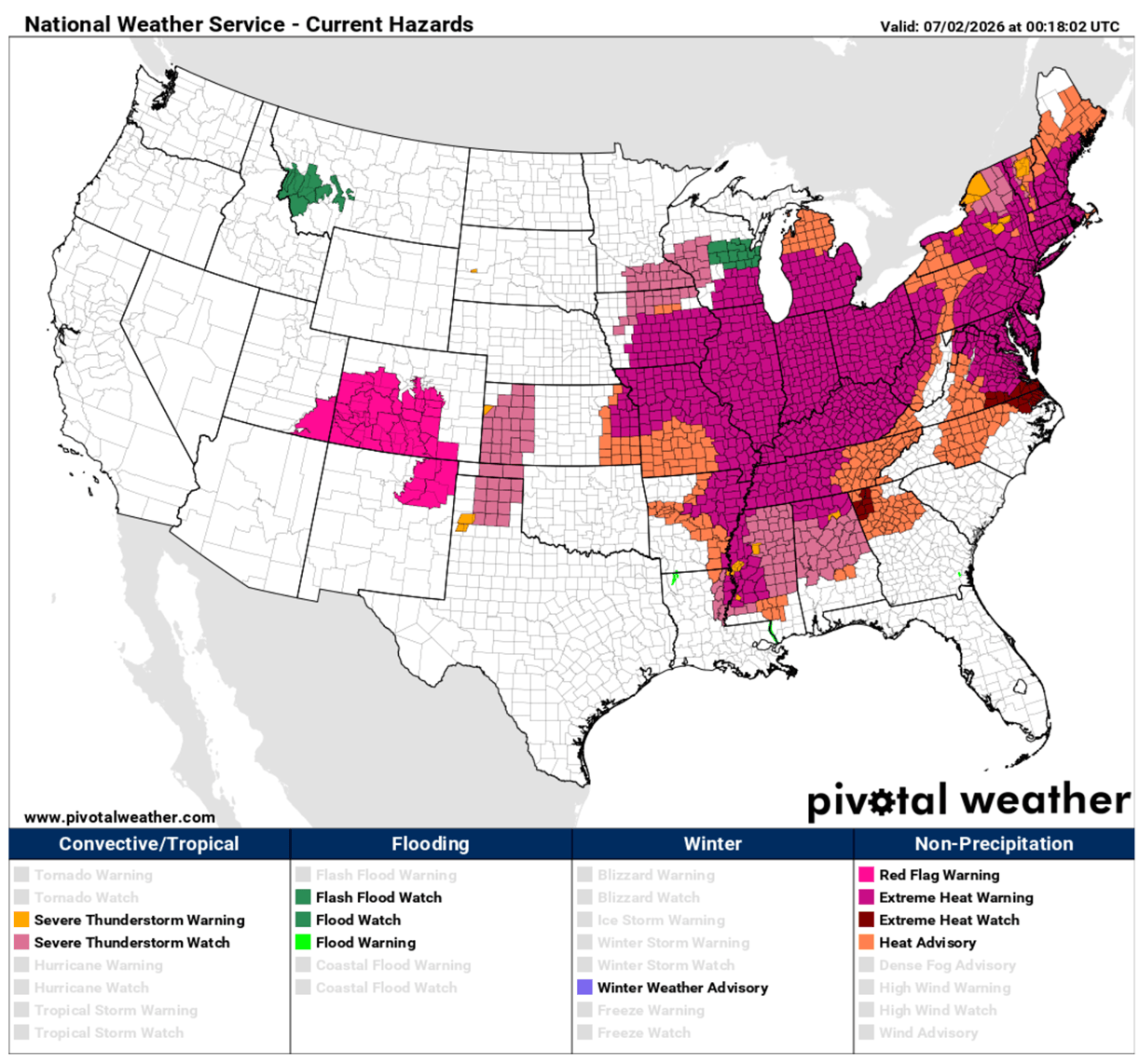
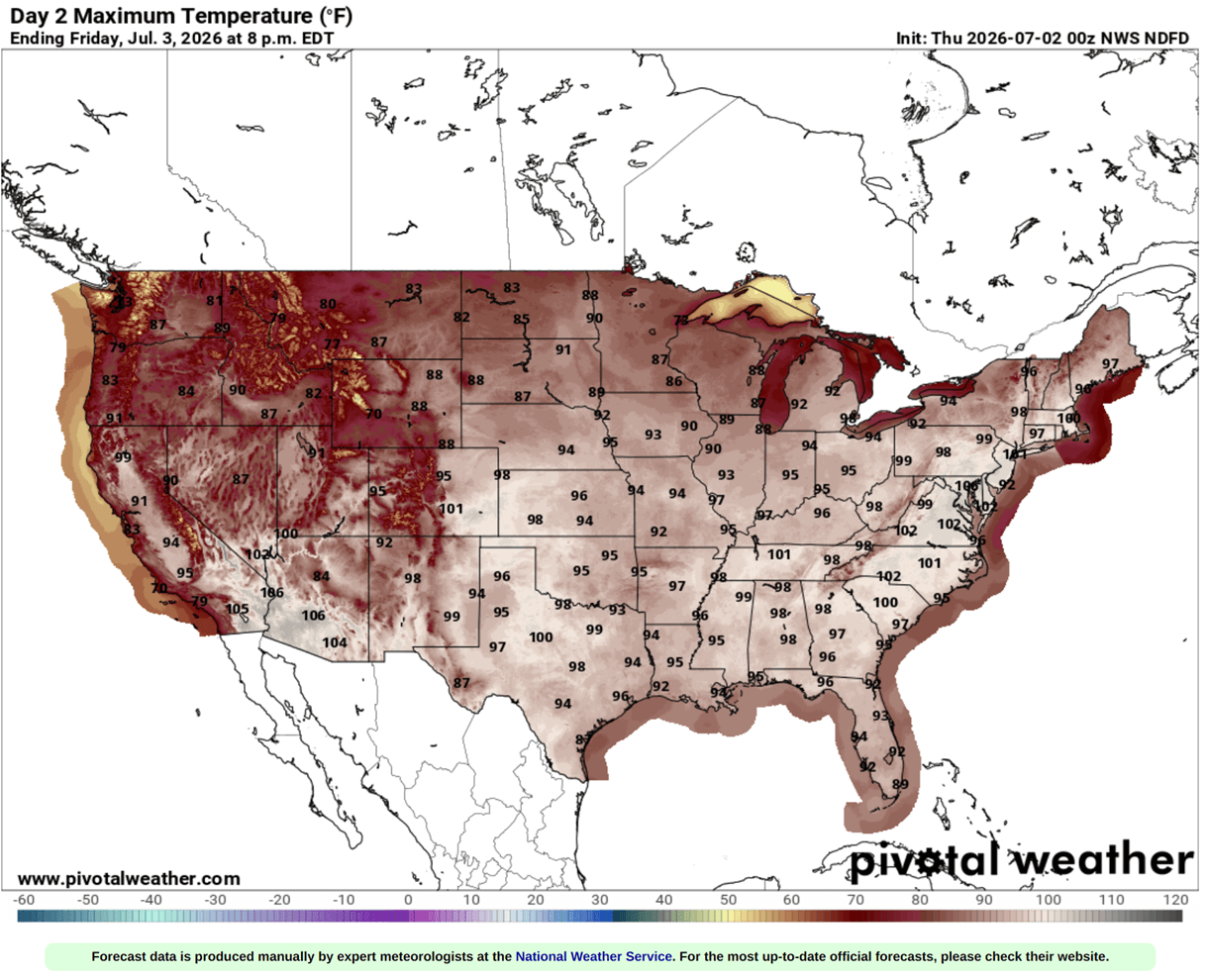
- Pre-Holiday Buildup: As the week progressed, the heat dome began its eastward migration. By mid-week, major metropolitan corridors—including Chicago, Detroit, and St. Louis—saw mercury readings surge into the mid-90s.
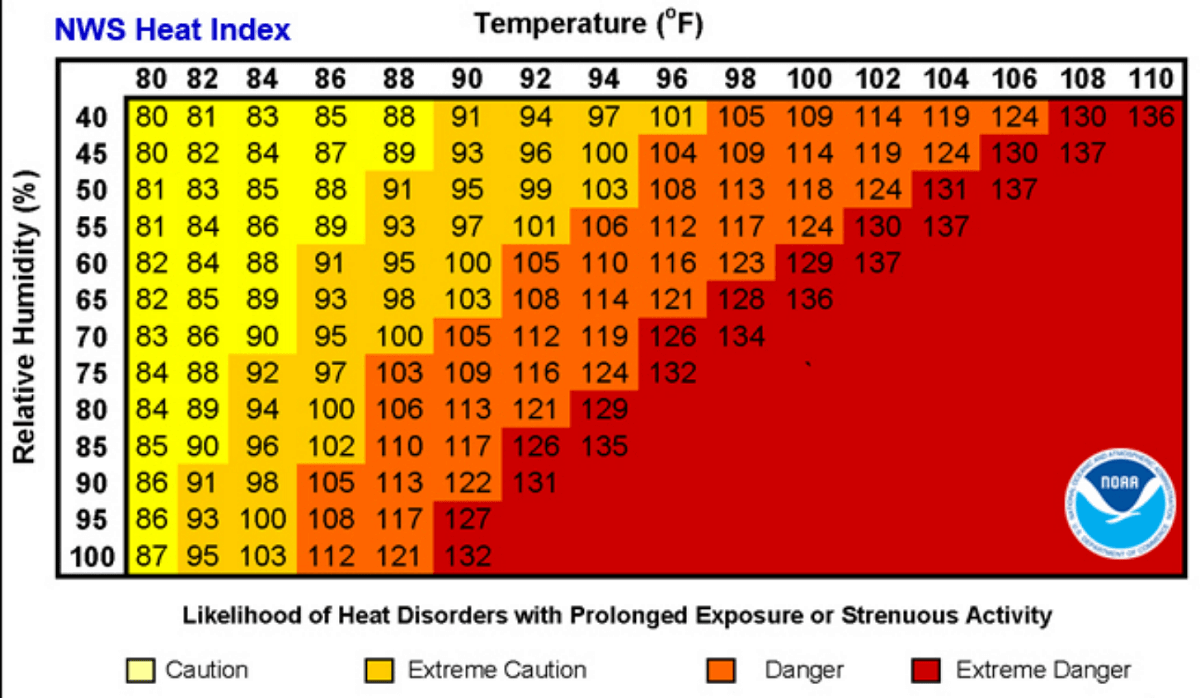
- The Independence Day Peak: As the nation prepares for the Fourth of July, the heat dome is reaching its maximum intensity. Meteorologists project that the I-95 corridor, stretching from Washington, D.C., to New York City, will bear the brunt of the heat, with heat indices—the "feels-like" temperature—soaring between 105°F and 115°F.
- Persistent Weekend Strain: Forecasts indicate that the oppressive conditions will not break with the holiday. The stagnation of the high-pressure system suggests that the heat will persist through the weekend, potentially setting hundreds of daily temperature records as the system lingers into the following week.
Supporting Data: The Numbers Behind the Heat
The scale of this event is difficult to overstate. According to current meteorological projections, over 230 million people are living under conditions where daytime highs will consistently exceed 90°F. The most alarming data, however, comes from the overnight lows.
In dense urban environments, the "urban heat island" effect—where concrete and asphalt retain heat throughout the night—is preventing temperatures from dropping below 75°F to 80°F. This lack of nocturnal recovery is a critical factor in heat-related morbidity; without the ability for the human body to cool down at night, the risk of heat exhaustion and heat stroke increases exponentially.
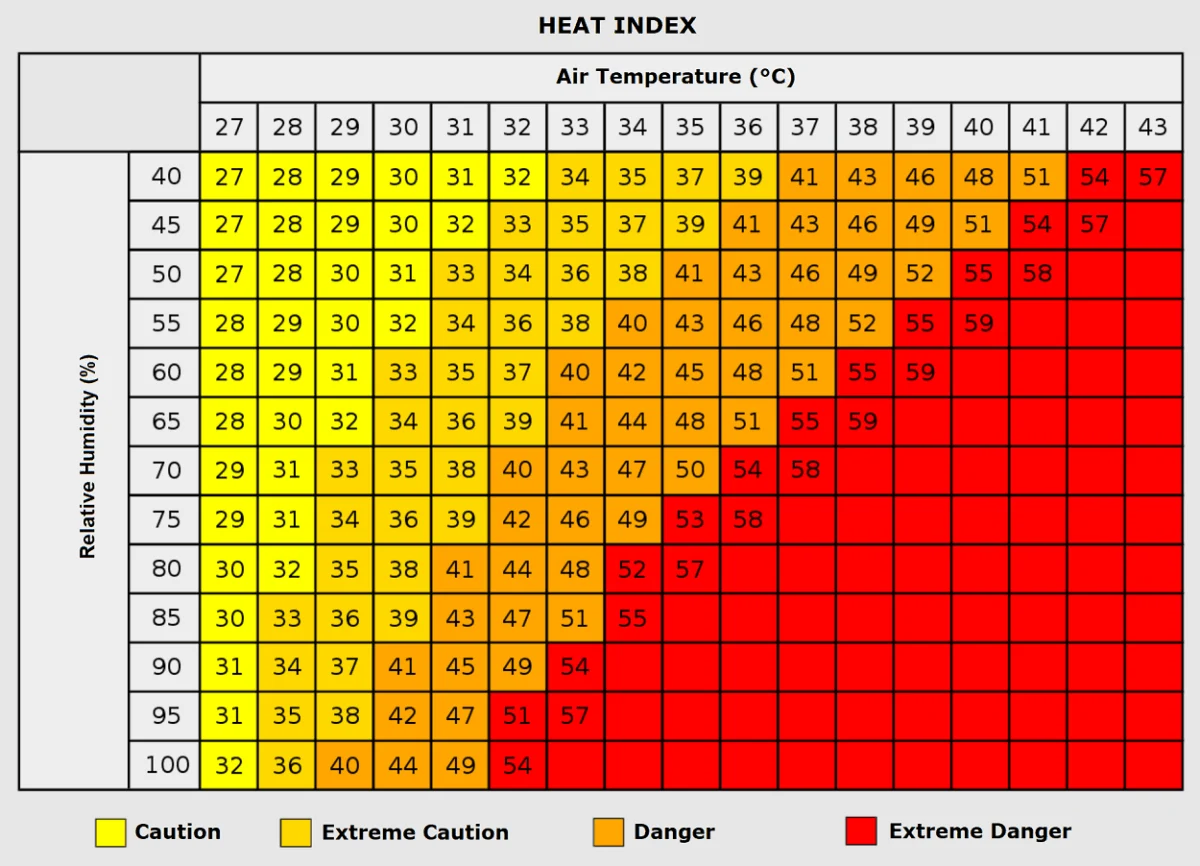
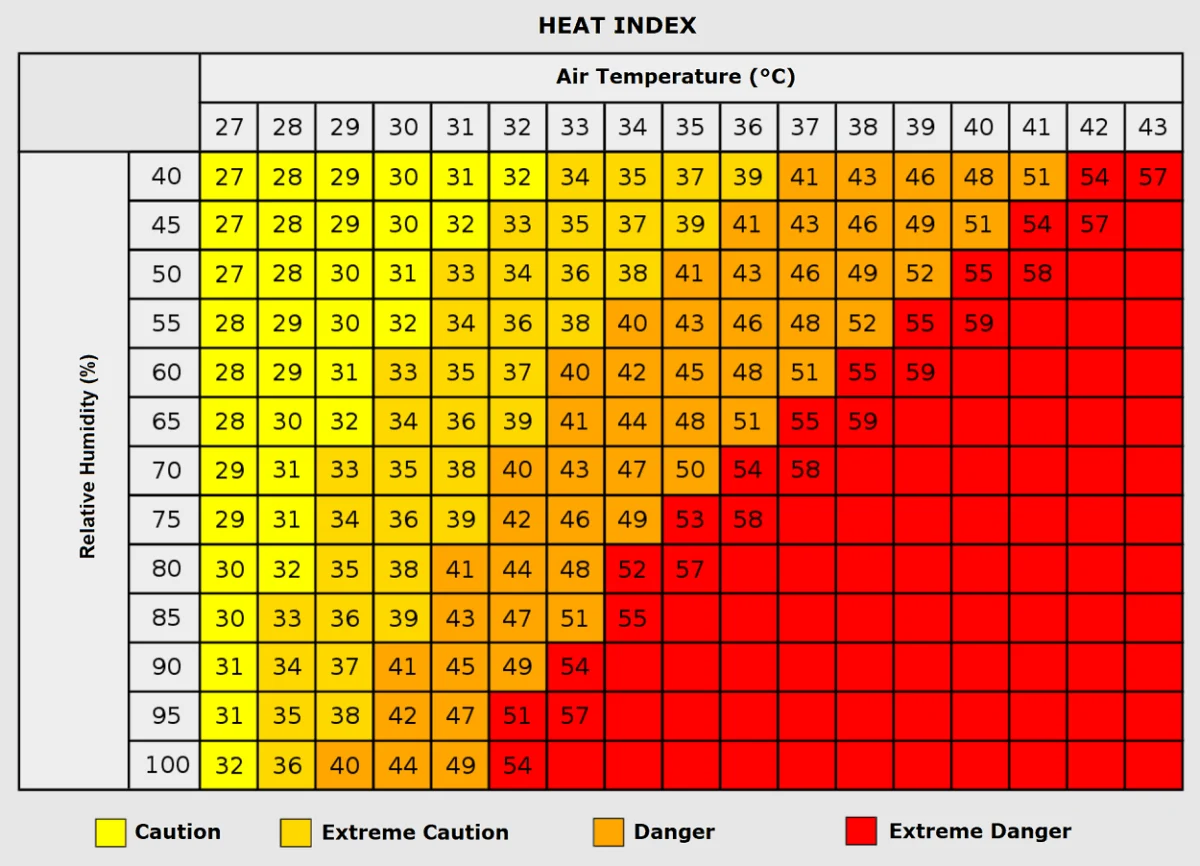
Furthermore, the relationship between temperature and humidity is creating a dangerous "Heat Index" crisis. At 90°F, a humidity level below 60% is manageable, but at the current high-humidity levels, the human body’s primary cooling mechanism—sweat evaporation—is effectively negated. When the humidity exceeds 80%, the perceived temperature can easily skyrocket to 113°F, even if the thermometer reads slightly lower.
Official Responses and Infrastructure Strain
The sheer magnitude of the demand for air conditioning has placed the American power grid under severe, unprecedented strain. To prevent a scenario of cascading blackouts, the federal government and state energy regulators have been forced to take drastic action.
In several jurisdictions, authorities have issued emergency directives to bypass specific environmental restrictions. These measures allow power plants to operate at maximum capacity, often by utilizing emergency backup diesel generators that would normally be restricted due to emission standards. This is a clear indicator of the gravity of the situation: the grid is struggling to handle the non-stop operation of residential and commercial cooling systems.
"The grid is being tested in a way we haven’t seen in recent memory," noted one energy analyst. "When you have 200 million people running AC units at full blast for 72 consecutive hours, you aren’t just talking about a spike in demand; you are talking about the structural limit of our energy infrastructure."
Implications for Public Health and Safety
The implications of this heatwave extend far beyond simple discomfort. The most vulnerable populations—the elderly, children, and those with pre-existing cardiovascular or respiratory conditions—are at the highest risk. Emergency services across the affected states are already reporting an uptick in calls related to heat exhaustion, dizziness, and severe dehydration.
For those in lower-income brackets, the danger is amplified. Many urban dwellings are constructed with materials like concrete and asbestos, which act as thermal sponges, soaking up heat during the day and radiating it back into living spaces at night. This creates a "trapped heat" environment that can be lethal for residents who lack access to reliable, high-efficiency cooling.
Outdoor workers—including those in agriculture, construction, and delivery services—are also facing a perilous landscape. Prolonged exposure to heat indices near 115°F is not just physically exhausting; it is medically dangerous. The risk of heat stroke, which can cause permanent organ damage or death, is currently at its seasonal peak.
Wildlife, Livestock, and Economic Impacts
The crisis is not limited to human populations. Livestock and wildlife are under extreme duress. Agriculture sectors in the Midwest are bracing for potential losses as cattle and poultry struggle to regulate body temperatures in the sweltering heat. High-index heat causes decreased productivity in livestock, reduced feed intake, and, in severe cases, mass fatalities.
The economic ripple effect is also significant. Beyond the energy sector, the construction and logistics industries are seeing a slowdown in productivity as crews are forced to pause work during the hottest hours of the day. Furthermore, the holiday itself is seeing a shift in behavior. Major outdoor events, including scheduled professional sports matches and public festivals, are being modified, delayed, or cancelled to prevent mass casualty events from heat-related illnesses.
Future Outlook: A New Climate Norm?
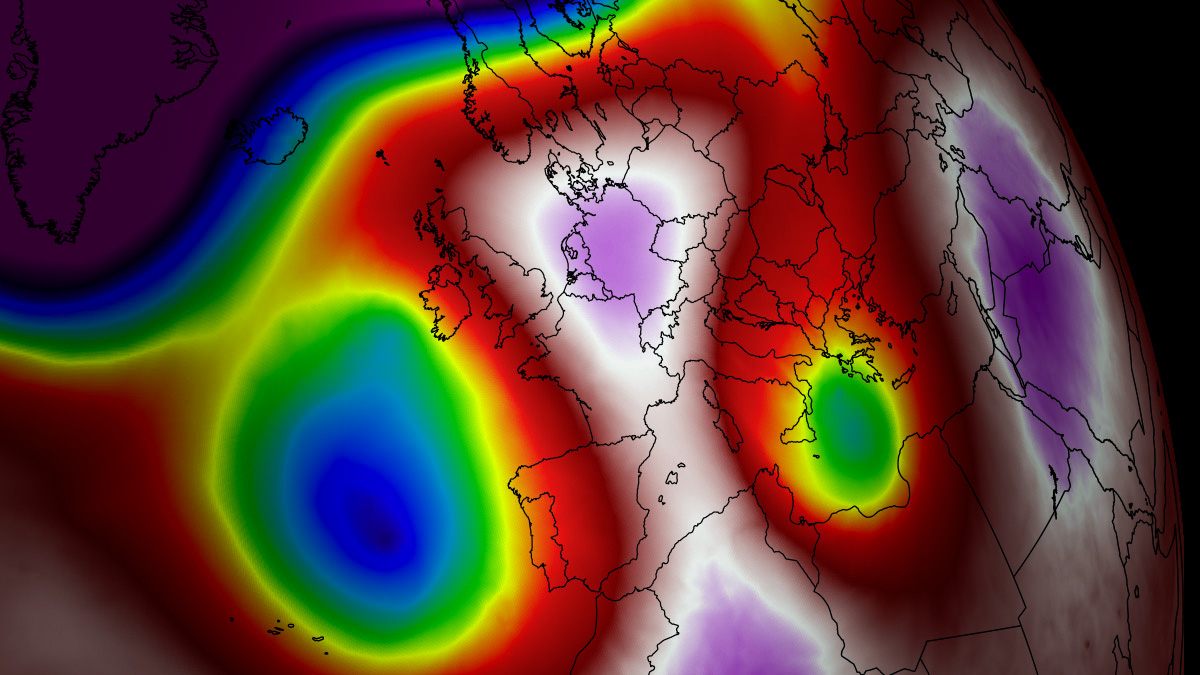
While global weather models suggest some uncertainty regarding the exact dissipation of this heat dome, the trend indicates that this type of "blocking" pattern is becoming more frequent. As meteorologists monitor the evolution of the atmosphere, the conversation is shifting toward the resilience of our cities and our power infrastructure.
For now, the priority remains survival. Authorities are urging the public to stay hydrated, avoid strenuous outdoor activity, and check on elderly neighbors. As we wait for the high-pressure ridge to break, the Fourth of July weekend serves as a stark reminder of the power of our climate and the fragility of the systems that support modern society.
The situation remains fluid, and meteorological agencies continue to update their forecasts as the heat dome interacts with developing weather systems in the Pacific Northwest. Citizens are advised to monitor local weather alerts closely and prepare for potentially prolonged power outages or service disruptions. In this unprecedented thermal standoff, vigilance and preparation remain the best defenses against a historic environmental force.