The landscape of the Olympic Winter Games is set to undergo its most significant transformation in over a century. The International Olympic Committee (IOC) Executive Board has officially ratified the competition program for the 2030 Winter Olympics, to be hosted in the French Alps. The decision, which marks a departure from tradition, confirms the removal of Nordic Combined from the Olympic schedule, while simultaneously ushering in a new era of team competition with the inclusion of "Synchro 9" in figure skating.
This decision, rooted in the IOC’s "Fit for the Future" strategy, reflects a broader shift toward evolving the Games to meet contemporary standards of global interest, gender equity, and cost-effectiveness. However, the move has sent shockwaves through the winter sports community, particularly in nations like Finland, where the history of Nordic Combined is deeply woven into the national sporting identity.
The End of an Era: Nordic Combined Exits the Stage
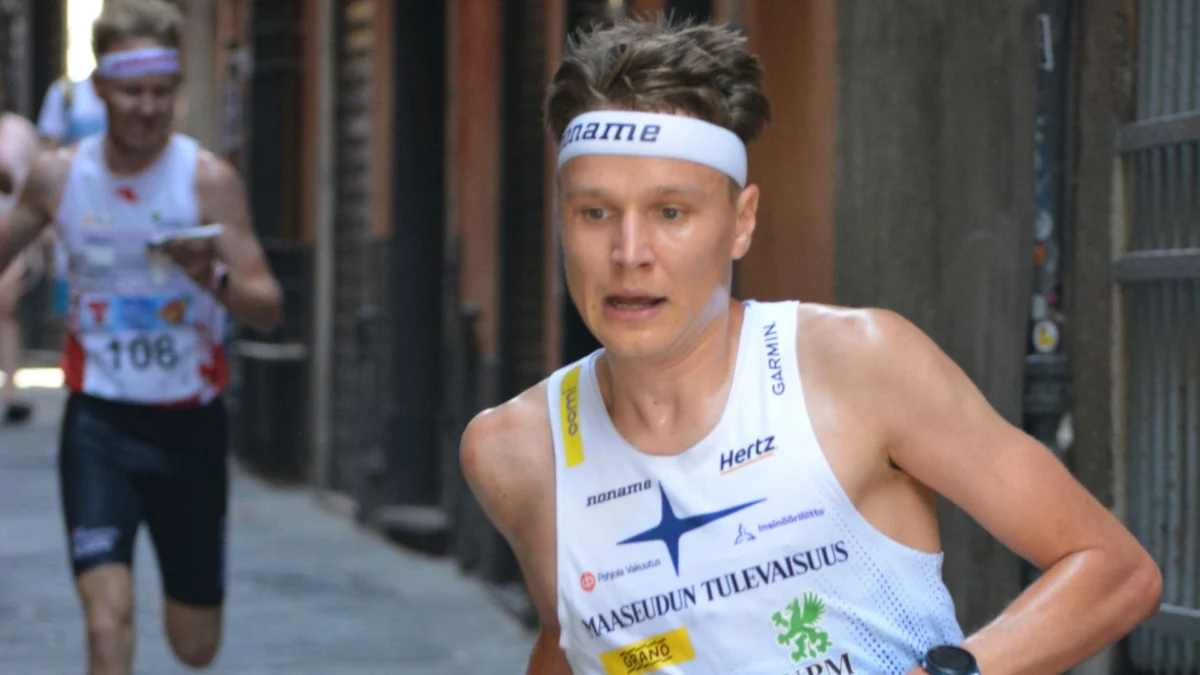
For 106 years, the sight of athletes conquering the high-altitude ski jumps before transitioning to the grueling demands of cross-country skiing has been a cornerstone of the Winter Olympics. Since its debut at the inaugural 1924 Chamonix Games, Nordic Combined has been a litmus test for the ultimate winter athlete.
A Century of Tradition
Nordic Combined was one of the few sports to be featured in every single Winter Olympic program since the movement began in 1924. It was long considered the "purest" test of a winter athlete’s versatility, requiring the explosive power of a ski jumper and the aerobic capacity of a distance skier.
The exclusion of the sport from the 2030 French Alps program is not merely a logistical change; it is a profound symbolic shift. Furthermore, the decision effectively slams the door on the aspirations of female Nordic Combined athletes, who had been campaigning for inclusion in the Olympic program for years. The inability of women to compete in this discipline on the world’s biggest stage remains one of the most contentious aspects of the IOC’s latest ruling.
The Rise of Synchro 9: A Modern Evolution
While the departure of Nordic Combined marks a closing chapter, the inclusion of "Synchro 9" signals a forward-looking approach. Synchro 9, a derivative of synchronized figure skating, features teams of nine skaters performing in intricate, high-speed formations.
Why Synchro 9?
The IOC’s criteria for inclusion are increasingly stringent, focusing on:
- Global Participation: The sport must show growth across multiple continents.
- Broadcasting Appeal: The visual nature of the sport must align with the demands of modern digital media.
- Gender Parity: The sport must be accessible and appealing to both male and female athletes.
- Economic Efficiency: The sport should utilize existing infrastructure where possible.
Synchro 9 fits these metrics perfectly. It offers a highly telegenic product that emphasizes teamwork, technical precision, and choreography—elements that have historically driven high engagement in figure skating. For Finland, a nation with a deep-rooted history of success in synchronized skating, the inclusion is a bright spot, providing a new pathway for athletes to achieve Olympic glory.
Chronology: How the Decision Was Reached
The path to the 2030 program was paved by a series of strategic evaluations that began long before the final announcement.
- June 2026: The IOC General Assembly adopts the "Fit for the Future" strategy under the leadership of President Kirsty Coventry. The goal is to modernize the Olympic program, emphasizing flexibility and transparency.
- Late 2026: The IOC begins a comprehensive review of all existing and proposed Olympic sports, evaluating them against updated criteria including athlete participation numbers and global interest.
- Early 2027 – Mid 2028: Extensive lobbying efforts by various international federations take place. Nordic Combined faces increasing scrutiny regarding its relatively small global footprint and the ongoing struggle for gender equity within the sport.
- May 2030: The IOC Executive Board meets to finalize the program for the French Alps 2030. The final list is published, omitting Nordic Combined and approving Synchro 9, along with new freestyle skiing and snowboarding disciplines.
Supporting Data and Strategic Rationale
The IOC’s decision is underpinned by a massive data-driven effort to ensure the long-term viability of the Olympic movement. Under President Kirsty Coventry’s leadership, the organization has moved away from the "legacy" model of sports selection toward one that prioritizes "relevance."
The "Fit for the Future" Framework
The strategy focuses on three pillars:
- Transparency: The methodology for evaluating sports is now publicly available and data-backed, leaving less room for the political maneuvering that characterized past decades.
- Flexibility: The program is no longer static. The IOC reserves the right to rotate sports in and out of the Games based on regional interest and growth trends.
- Cost-Effectiveness: With the rise of the French Alps bid, the emphasis was placed on utilizing existing winter sports venues to prevent the construction of "white elephant" facilities.
Nordic Combined’s struggles were primarily tied to its limited base of competitive nations. Despite its rich history, the sport has struggled to capture a younger, global audience, and the lack of a fully developed women’s circuit was seen as a significant hurdle in meeting the IOC’s gender parity goals.
Official Responses: A Mixed Reaction
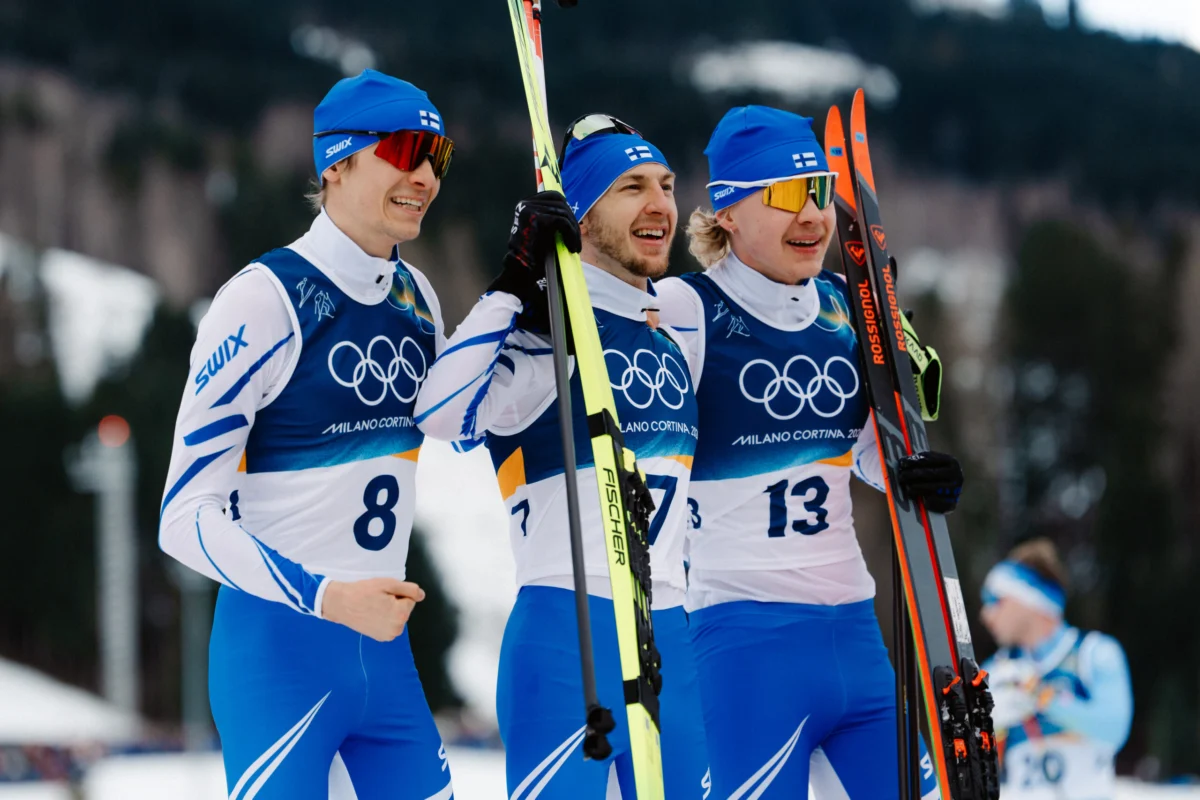
The announcement has triggered a wave of responses from sports organizations globally. In Finland, the reaction has been one of deep disappointment regarding the loss of Nordic Combined, tempered by optimism regarding the inclusion of Synchro 9.
The View from the Finnish Olympiakomitea
Janne Hänninen, the High-Performance Director of the Finnish Olympic Committee, expressed the sentiment of many within the sport:
"The decision is a great disappointment to us. Nordic Combined is one of the most traditional sports of the Winter Olympics, and Finland has an exceptionally strong history in it. It is particularly regrettable that the women of the sport were not given the opportunity to compete in the Olympics. It is a disappointment to the athletes and the entire international sports community."
Hänninen, however, emphasized that the Olympic status is not the sole determinant of a sport’s value. "The sport has a strong history, world-class athletes, and a robust community. We believe in the future of the sport and will continue to work together with the Finnish Ski Association and the international sports community."
Regarding the success of the Synchro 9 bid, Hänninen was markedly more positive:
"Although the decision on Nordic Combined is a disappointment, we are at the same time very happy that Synchro 9 is gaining Olympic status. Finland has a strong international position in the sport and a long, successful history. We are looking forward to the sport’s first Olympic competitions and are ready to support its development together with the Finnish Figure Skating Association."
Implications for the Future
The implications of this decision are far-reaching, affecting everything from national funding models to the training regimens of elite athletes.
1. National Funding and Support
In nations like Finland, Norway, and Germany, where Nordic Combined has historically received significant public and private funding, the loss of Olympic status could lead to a re-evaluation of sports budgets. If a sport is not an Olympic event, it often faces challenges in securing the same level of governmental backing.
2. The Evolution of Athlete Pathways
Young athletes who have dedicated their lives to Nordic Combined now face an uncertain path. While the World Cup and World Championships will remain, the prestige and financial incentives associated with Olympic participation are irreplaceable. Many may be forced to choose between specializing in pure ski jumping or pure cross-country skiing, effectively splintering the discipline’s talent pool.
3. The "New" Olympic Portfolio
The inclusion of Synchro 9 and the expansion of freestyle events indicate that the IOC is betting on "lifestyle" and "team-based" sports. The Olympics of 2030 will likely be faster, more visually dynamic, and more heavily reliant on the social media presence of the athletes. For traditionalists, this represents a loss of heritage; for innovators, it represents a necessary evolution to ensure the Games remain relevant to a younger generation that is increasingly detached from legacy sports.
Conclusion: A Balancing Act
The IOC’s decision regarding the 2030 Winter Olympics is a microcosm of the tension between heritage and modernization. By removing Nordic Combined, the committee has prioritized a vision of the Games that is inclusive, globally diverse, and economically sustainable. By adding Synchro 9, they have embraced a discipline that mirrors the modern appetite for collective performance and artistic athletics.
As the sports world looks toward the French Alps, the focus will now shift to how the excluded communities, particularly the Nordic Combined athletes, pivot their efforts. While the Olympic flame will not light for the combined specialists in 2030, their legacy remains a vital part of the history of winter sports. The challenge for the future will be to ensure that in the pursuit of "fitness for the future," the movement does not lose the very traditions that made it an international phenomenon in the first place.
For now, the Finnish Olympic Committee and its international counterparts must navigate a new, complex reality—one where the definition of an "Olympic athlete" is constantly being rewritten, and where the only certainty is the inevitability of change.