By Ben Emanuel | July 31, 2026
While the record-breaking heat waves of summer 2026 have dominated national headlines, a quieter, more insidious disaster is unfolding across the American Southeast. Beneath the sweltering temperatures lies a landscape gasping for moisture: a severe, multi-state drought that is straining ecosystems, challenging municipal water supplies, and forcing a re-evaluation of how the region manages its most precious resource.
Main Facts: The Scope of the Crisis
The current drought is not a localized anomaly but a regional phenomenon. According to data from the U.S. Drought Monitor, vast swaths of the Southeast—with North Carolina at the epicenter—have been languishing in severe to extreme drought conditions for months.
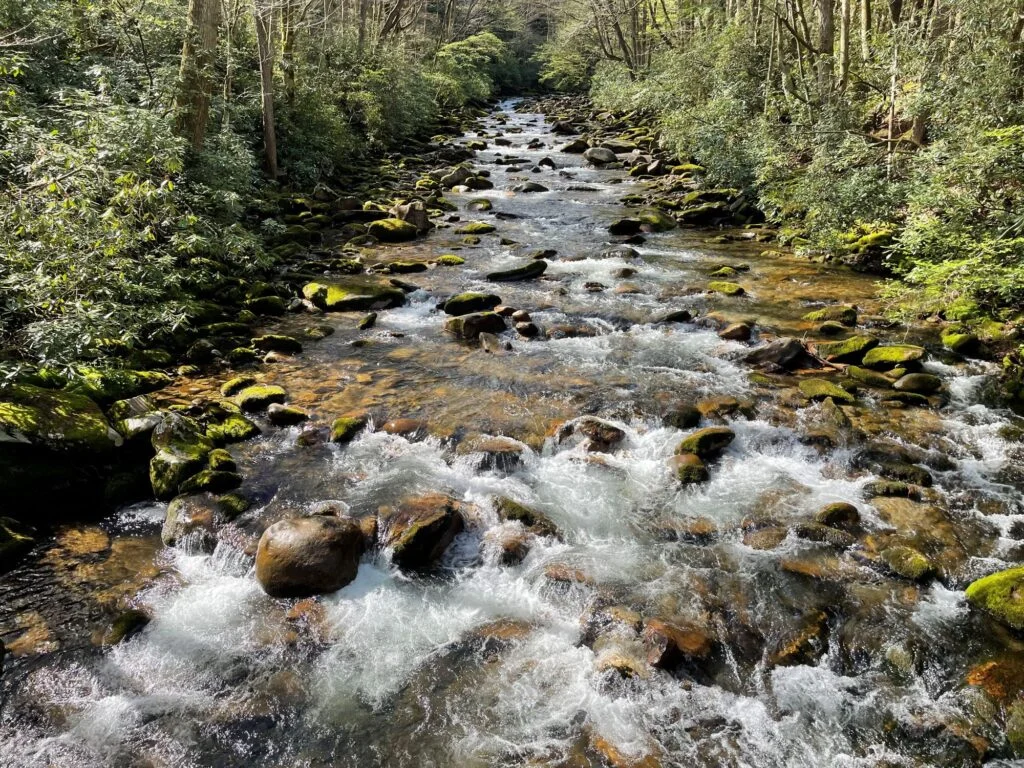
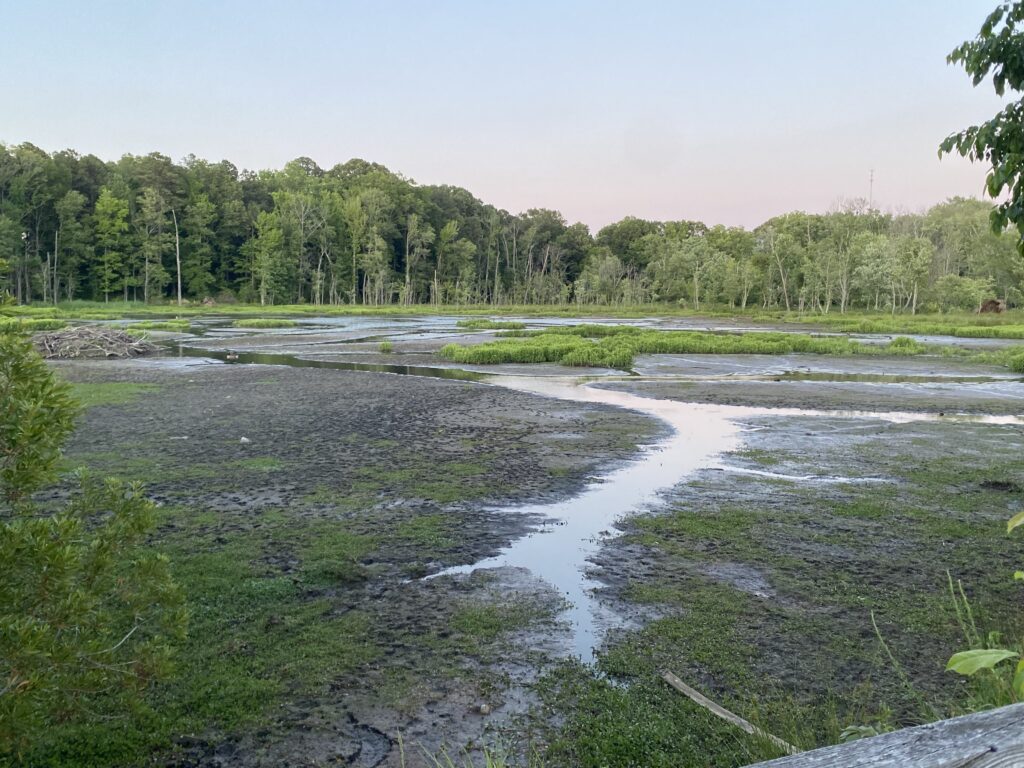
The crisis is characterized by more than just dry topsoil. River and stream flows across North Carolina have plummeted to near record-low levels. These waterways, which serve as the lifeblood for both biodiversity and human utility, are struggling to maintain the "baseflow" necessary to support aquatic life. As the mercury climbs, the water levels recede, creating a feedback loop where warmer water holds less oxygen, further endangering fish and sensitive macroinvertebrates.
The drought is not merely a consequence of this summer’s heat; it is the culmination of a hydrological deficit that began during the previous winter. A lack of consistent precipitation during the cooler months, which is typically the time for recharging groundwater and stream aquifers, left the region fundamentally unprepared for the evaporation rates of a mid-year heatwave.
A Chronology of the 2026 Dry Spell
To understand the current state of the Southeast’s water security, one must look at the timeline of the last twelve months:
- Winter 2025–2026: The region experienced an uncharacteristically dry winter. The usual recharge cycles that sustain subterranean aquifers failed to materialize, leaving rivers and wells with a lower "water budget" entering the spring.
- Spring 2026: Instead of the typical rainy season that usually buffers the Southeast against summer heat, the region saw a premature intensification of dry conditions. This shift defied seasonal norms and accelerated the depletion of surface water.
- June 2026: Official reports confirmed that North Carolina had entered a sustained, extreme drought status. Monitoring stations across the state began recording historic low flows.
- July 2026: The combination of extreme heat and the existing hydrological deficit resulted in a critical tipping point. While states like Georgia saw moderate relief from scattered early-summer rain, the underlying deficit remains, and the outlook for North Carolina and the broader region remains grim.
Supporting Data and Hydrological Reality
The science behind the drought is multifaceted. While drought is a natural occurrence, human intervention has significantly diminished the landscape’s natural resilience.
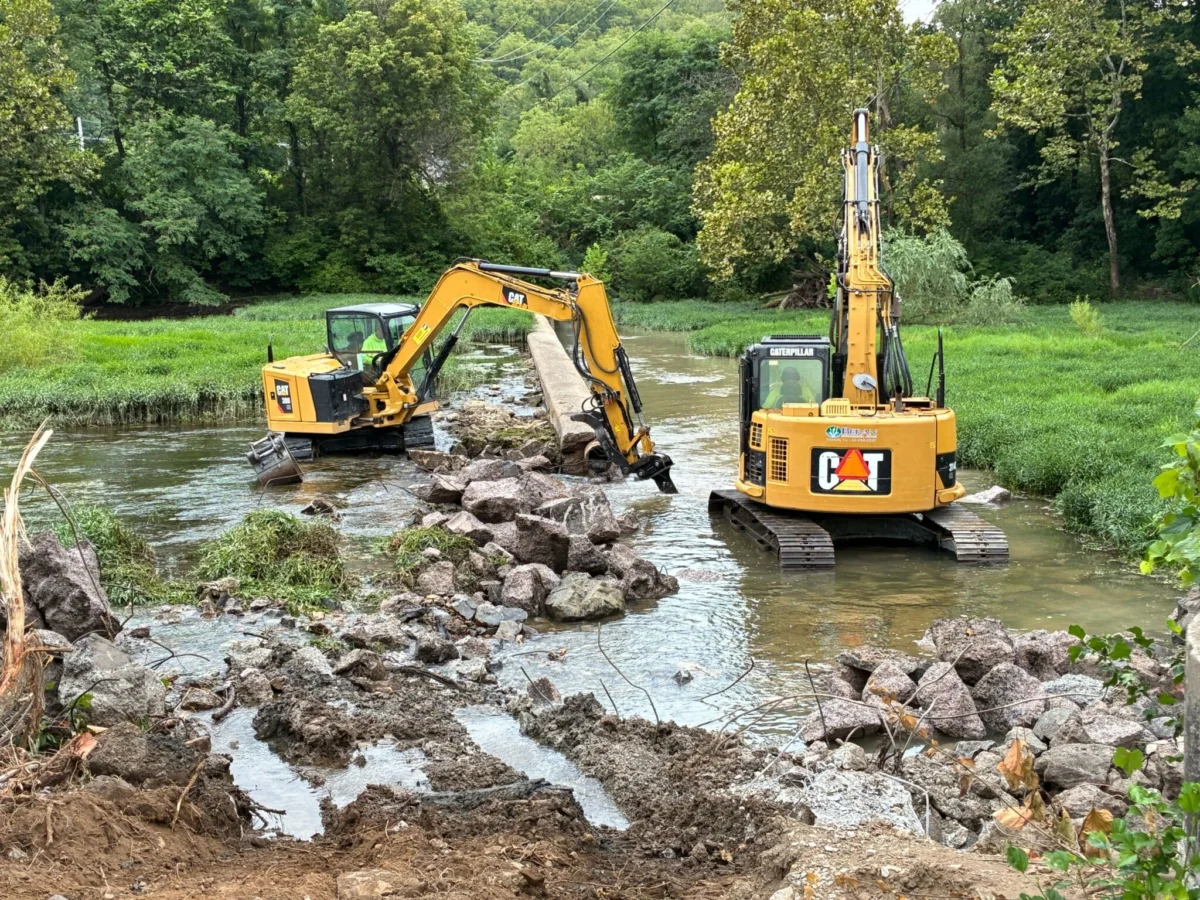
When we pave over watersheds with concrete and asphalt, we effectively "seal" the earth, preventing rain from infiltrating the soil and replenishing the groundwater that feeds our streams. Furthermore, the modern landscape is crisscrossed by human-made alterations—dams, diversions, and high-capacity withdrawals—that exacerbate the stress on rivers during low-flow periods.
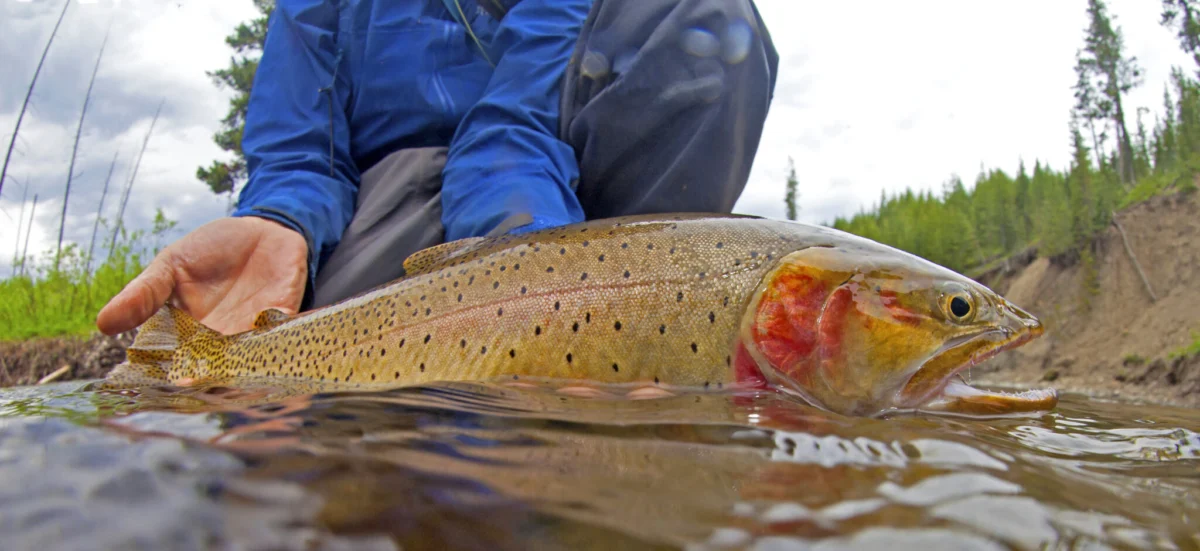
In a changing climate, these events are trending toward higher frequency and greater severity. The "weather whiplash" phenomenon is becoming a hallmark of the Southeast. We are increasingly seeing a cycle where extended drought is interrupted by intense, flash-flood events. This rapid transition is catastrophic for aquatic ecosystems; for example, the recent massive fish kill on the Chattahoochee River in Atlanta is believed to be linked to this volatile combination of drought-induced stress followed by sudden, turbulent runoff.
Implications for Ecosystems and Communities
The impact of this drought is far-reaching, affecting three primary sectors:
1. Ecological Collapse
River ecosystems are being pushed beyond their adaptive capacity. When flows stay low for extended periods, fish populations become trapped in disconnected pools, migratory paths are blocked, and the concentration of pollutants increases because there is less water to dilute runoff.
2. Economic and Recreational Loss
The economic implications are significant. Fishing, boating, and tourism—mainstays of the Southeast’s recreational economy—are facing widespread cancellations. As river levels drop, access points become unusable, and the aesthetic and functional value of these waterways is diminished.
3. Municipal Water Security
Communities that rely on surface water are entering a precarious season. As water levels drop, the cost of treating water increases, and the risk of supply shortages rises. Utilities are being forced to enact mandatory conservation measures, shifting the burden onto residents and businesses to curb their consumption.
Official Responses and the "Efficiency First" Mandate
Advocacy groups, including American Rivers, are calling for a fundamental shift in how we approach water management. The prevailing philosophy now being championed is an "efficiency first" approach.
"We must be planning for drought when we are not in drought," experts argue. This entails:
- Smart Infrastructure: Moving away from traditional, high-impact dams toward green infrastructure that restores natural flow patterns and promotes groundwater recharge.
- Policy Reform: Integrating water-conscious planning into municipal growth policies. As population density increases, particularly with the influx of energy-intensive data centers and industrial growth, the demand for water is decoupling from our current supply capacity.
- Conservation as a Culture: Citizens are being urged to adopt permanent conservation habits: repairing leaking fixtures, reducing outdoor irrigation, and rethinking landscaping to prioritize native, drought-resistant plants.
Future Outlook: The Growing Strain
The challenges of 2026 are likely a preview of a "new normal." The convergence of rapid population growth, urban sprawl, and the cooling requirements of a massive data center expansion in the Southeast places an unprecedented demand on freshwater.
Water utilities are currently at the front lines of this battle. Their mandate is to manage infrastructure in a way that balances the needs of a growing population with the ecological requirements of the rivers themselves. If the current trend of dry winters and scorching summers continues, the region will face a difficult choice: continue to draw down our natural resources to the point of exhaustion, or undergo a structural transition toward a model that prioritizes long-term resilience over short-term usage.
For now, the Southeast remains in a wait-and-see pattern. While hope for late-summer rainfall remains, the reality is that the road to recovery is long. Drought, as the adage goes, takes a long time to arrive and an even longer time to leave. As the region navigates the remainder of this summer, the lesson is clear: our water security is not guaranteed, and the health of our rivers is the ultimate indicator of our collective success in managing it.