The historic and archaeologically rich city of Tokat, Turkey, is poised to take center stage on the global environmental map. From July 27th to 31st, 2021, this Anatolian gem will host the 16th Ecotourism and Sustainable Tourism Conference (ESTC), organized by The International Ecotourism Society (TIES). As the world shifts its focus toward regenerative travel and environmental stewardship, Tokat offers a living laboratory of how ancient traditions can seamlessly integrate with modern, sustainable development.
Main Facts: The Intersection of History and Ecology
Tokat is not merely a destination; it is a repository of human history spanning over 1,500 years. Nestled at the strategic crossroads between the Black Sea region and the heart of the Anatolian plateau, the city has served as a crucible for 14 distinct civilizations. This geographical advantage has created a unique "transitional climate," fostering an extraordinary level of ecological diversity that is rarely found in such a concentrated area.
The upcoming ESTC is expected to draw delegates, policymakers, and environmental advocates from around the globe. The choice of Tokat as a host city is highly intentional. According to the International Ecotourism Society, the city’s ability to balance its dense archaeological heritage—including the imposing Tokat Castle—with a forward-thinking commitment to ecological preservation makes it an ideal case study for the future of tourism.
A Chronology of Civilization: From the 5th Century to the Modern Era
To understand why Tokat is a prime candidate for a global sustainability summit, one must look at its timeline. The city’s roots trace back to the 5th century, though archaeological evidence suggests human activity in the region dates back even further, benefiting from the fertile soil and temperate climate.
- Ancient Foundations: Throughout the centuries, the city flourished as a key stop on ancient trade routes. Its strategic importance meant that it was governed by a succession of powers, each leaving behind architectural and cultural footprints that remain visible today.
- The Seljuk and Ottoman Influence: During the medieval period, Tokat became a significant center for commerce, education, and the arts. The architecture of the period, still standing in the city center, showcases the sophisticated urban planning of the era.
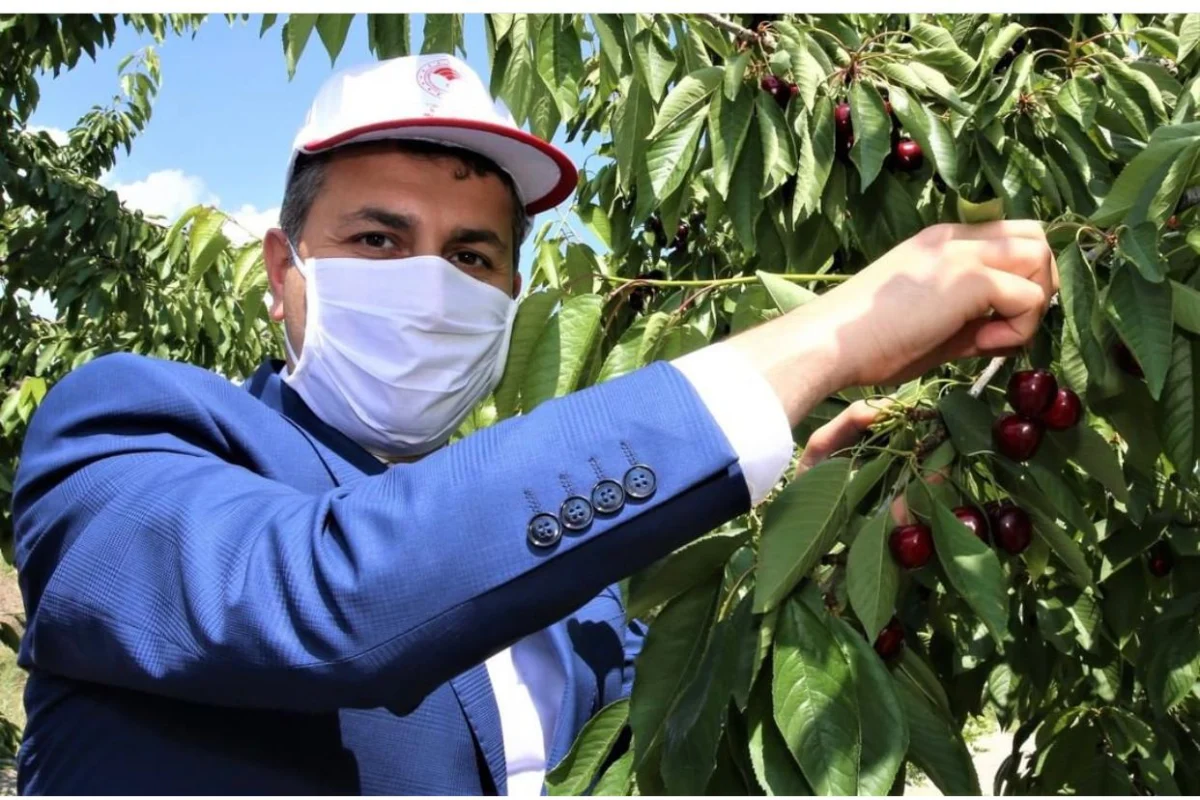
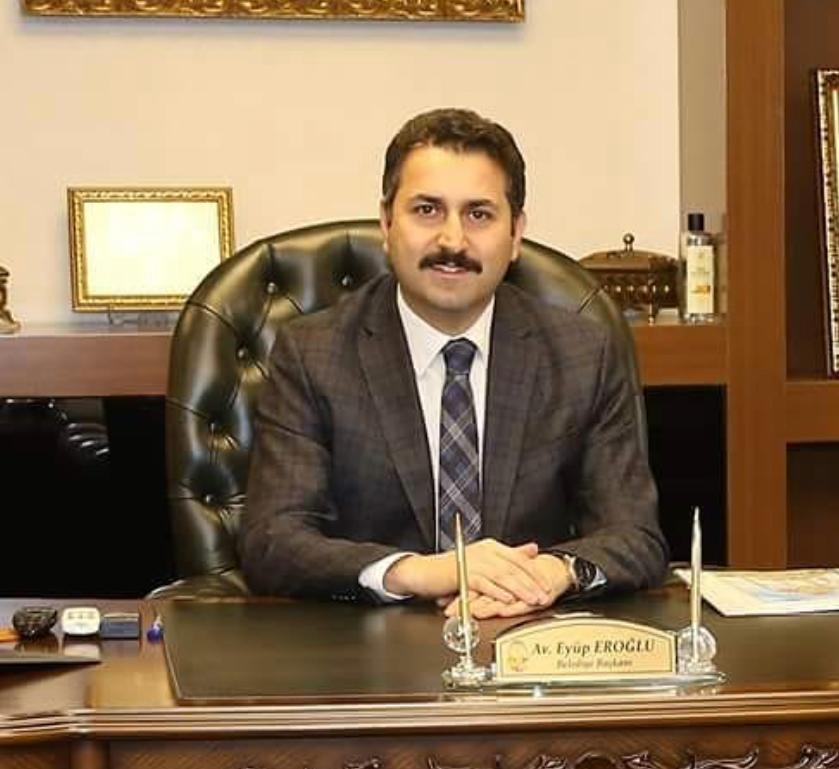
- The Modern Shift: In recent decades, Tokat has undergone a deliberate transformation. Under the leadership of Mayor Eyüp Eroğlu, the municipality has pivoted toward a model of development that emphasizes the preservation of its natural assets.
- The 2021 Milestone: The selection of Tokat by TIES represents the culmination of years of investment in sustainable infrastructure, local agricultural support, and cultural preservation, positioning the city as a beacon for sustainable tourism in the 21st century.
Supporting Data: The Agricultural and Gastronomic Wealth
The sustainability of a region is often measured by its food sovereignty and the health of its local ecosystems. Tokat is a standout in this regard, boasting an incredible 82 varieties of cereals, fruits, and vegetables. This agricultural abundance is not just a statistical curiosity; it is the backbone of the local economy and a core component of the city’s appeal to ecotourists.
The gastronomic heritage of Tokat is deeply tied to the land. The famous "Tokat Kebab"—a slow-roasted masterpiece of lamb and fresh seasonal vegetables—is the crown jewel of the local culinary scene. Beyond the kebab, the city is a treasure trove of artisanal products:
- Viticulture: The region is renowned for its high-quality grape leaves, which are central to traditional Turkish cuisine.
- Local Harvests: Walnuts, fenugreek, and molasses production remain artisanal, small-scale operations that support local families while maintaining the ecological integrity of the surrounding orchards.
- Biodiversity: The transitional climate ensures that the region remains a haven for endemic species, providing a rich, varied landscape for hikers, birdwatchers, and nature enthusiasts.
Official Responses: A Vision for the Future
During our interview with Tokat’s Mayor, Attorney Eyüp Eroğlu, it became clear that the city’s strategy is rooted in both pride and pragmatism. As one of Turkey’s youngest mayors, Eroğlu has garnered a reputation for revitalizing the city while respecting its historical constraints.
"Along with Tokat’s friendly local people and their welcoming outlook, the Tokat Municipality will make every effort to develop our city’s tourism to be represented in the international arena," Mayor Eroğlu stated. "We will accomplish this in a sustainable way, ensuring that the legacy of our 14 civilizations is preserved for future generations."
Regarding the logistical challenges of hosting a global event during a period of heightened health awareness, the Mayor emphasized the importance of safety protocols. "I am impressed with the care TIES has taken to ensure the safety of ecotravelers and the community of Tokat," he noted. "We have worked in lockstep with the organizers to ensure that every attendee feels secure while experiencing the unique beauties of our home."
The Mayor’s vision is clear: the conference is not just a week-long event; it is a catalyst for long-term international partnership. "We hope to have the opportunity to show the world our cultural legacy and our conference hospitality. We are sure that ecotourists will collect many unforgettable memories in Tokat, and witness our true Anatolian heritage."
Implications for Global Ecotourism
The 16th ESTC in Tokat carries significant implications for the broader tourism industry. In a post-pandemic world, the definition of a "successful" destination is changing. Tourists are increasingly seeking experiences that are low-impact, culturally authentic, and environmentally regenerative.
The Model of "Cultural Ecotourism"
Tokat challenges the notion that ecotourism must focus solely on wilderness. By highlighting the interaction between human civilization and the natural environment, Tokat demonstrates that sustainable tourism can also be "cultural tourism." The city’s emphasis on local produce and historic preservation serves as a blueprint for other medium-sized cities that wish to boost their economies without sacrificing their identity.
Economic Sustainability
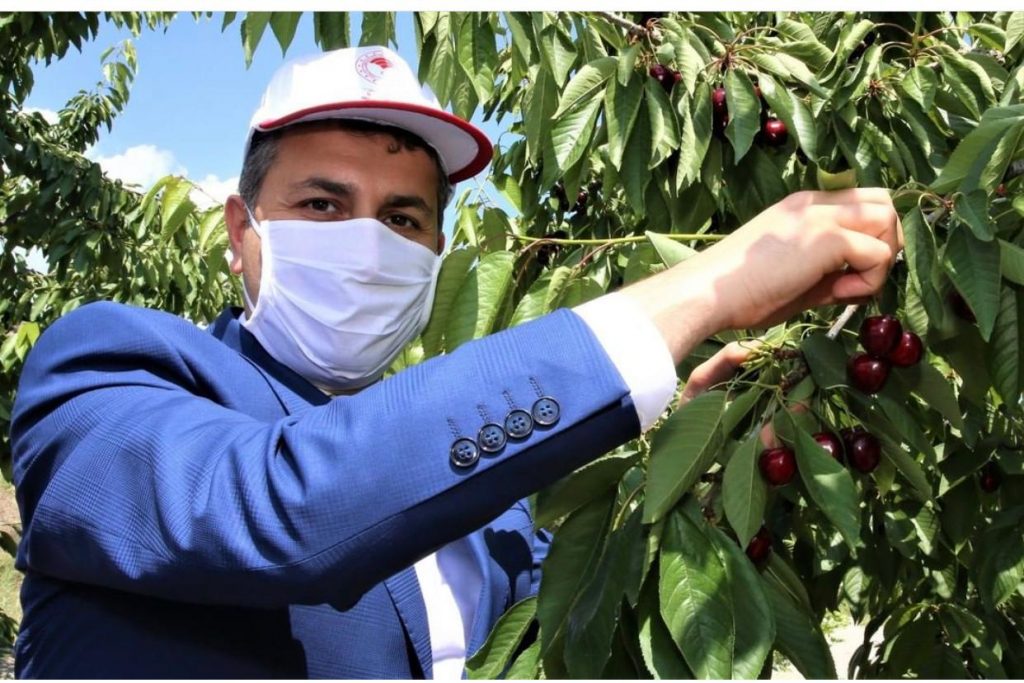
For the residents of Tokat, the influx of international experts and travelers is a validation of their traditional practices. By promoting products like local molasses and walnuts, the city provides a sustainable income stream for farmers, thereby preventing the migration of youth to urban centers and keeping the local community vibrant and intact.
A Global Call to Action
The International Ecotourism Society’s decision to host this conference in Turkey is a strategic endorsement of the region’s potential. For attendees, the conference will provide more than just lectures and workshops; it will provide a sensory experience of what successful, community-led sustainability looks like in practice.
Conclusion: An Invitation to Discovery
As the dates for the conference approach, the anticipation in Tokat is palpable. From the heights of the historic castle looking down over the verdant valleys, to the bustling markets where the scent of fresh fenugreek and roasting meat fills the air, Tokat is a city that invites discovery.
The 16th ESTC is expected to prove that Tokat is not just an archaeological curiosity, but a modern leader in the sustainable movement. For those in the travel and environmental sectors, the opportunity to witness this synthesis of history, nature, and hospitality is one that should not be missed.
TIES invites all interested delegates, researchers, and sustainable tourism advocates to register for the conference and join the conversation on the future of our planet. By choosing to visit Tokat, participants are not just attending a conference; they are actively supporting a model of development that respects the past while protecting the future.
To register for the 16th Ecotourism and Sustainable Tourism Conference, please visit the official TIES registration portal.