In a significant milestone for Australia’s energy transition, Ark Energy, a subsidiary of the global industrial conglomerate Korea Zinc, has secured a final investment decision (FID) for its flagship Richmond Valley Solar Farm and Battery Energy Storage System (BESS) project in New South Wales (NSW). The A$1.3bn ($908.4m) investment represents a major advancement in the region’s renewable infrastructure and underscores the intensifying capital flow from multinational entities into the Australian green energy sector.
The project, which has been under development for four years, is the first build-to-own initiative in Ark Energy’s growing portfolio to reach the FID stage. With board approval confirmed in Seoul on 21 July 2026, the company is now poised to move into the final stages of financial engineering before breaking ground.
The Financial Architecture of the Project
The capital structure for the Richmond Valley project is robust, balancing equity commitment with significant debt financing. The A$1.3bn total investment is divided into A$586m in equity provided by Korea Zinc and A$716m in debt financing.
This financial backing is not merely a corporate transaction; it is a strategic endorsement of the project’s long-term viability. By securing a long-term energy service agreement (ESA) with the government, Ark Energy has de-risked the project against the inherent volatility of the National Electricity Market (NEM). Financial close is slated for September 2026, marking the transition from development planning to active project execution.
Project Scope and Technical Specifications
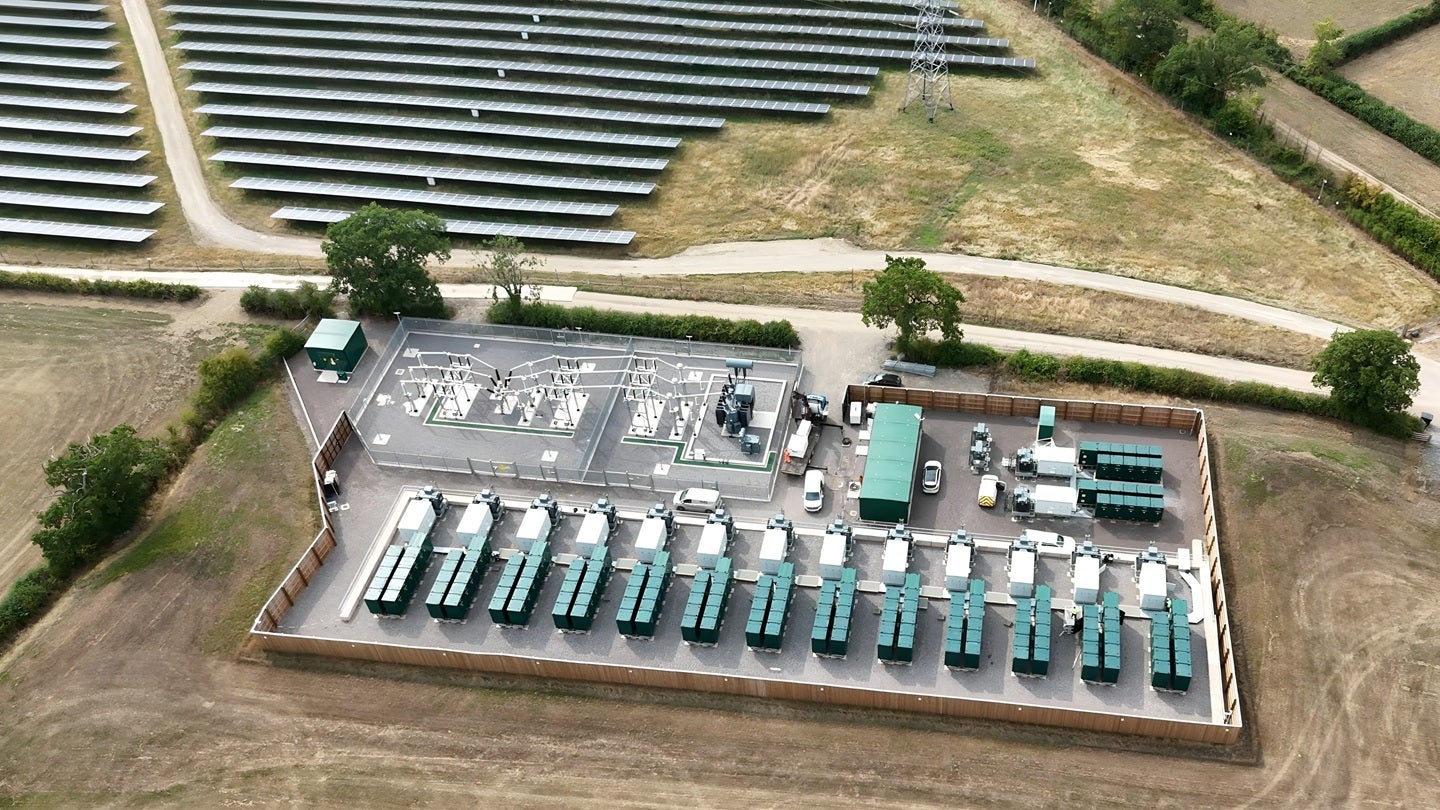
The Richmond Valley development is designed to address the intermittency challenges inherent in renewable power generation. The project’s priority stage focuses on a high-capacity solar farm paired with an extensive battery storage solution:
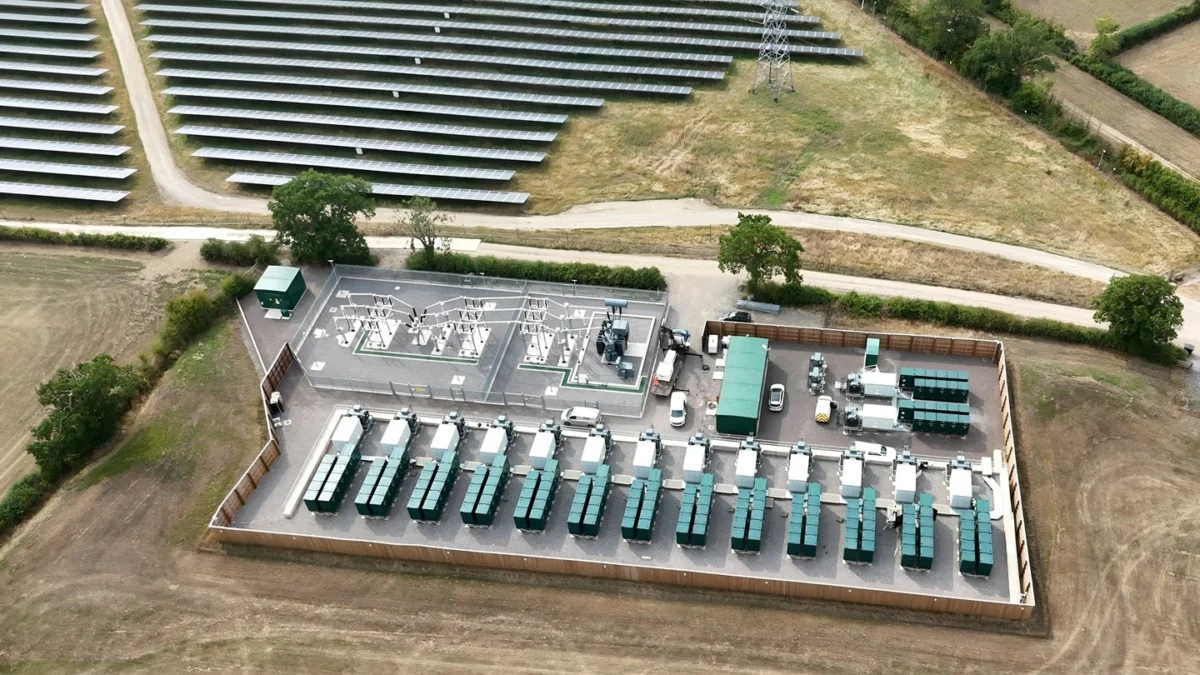
- Solar Capacity: A 200MW-alternating current (AC) solar farm designed to capture peak solar radiation in Northern New South Wales.
- Storage Capacity: A state-of-the-art lithium-iron phosphate (LFP) BESS. The system will feature a power capacity of approximately 275MW and an impressive storage capacity of 2.2 gigawatt-hours (GWh).
The selection of LFP chemistry for the BESS reflects the industry’s shift toward safer, more durable battery technologies that offer long-cycle life, which is essential for the grid-firming services this facility is expected to provide to the NSW energy network.
Chronology of Development: A Four-Year Journey
The path to FID has been characterized by meticulous planning and a series of regulatory milestones. Ark Energy’s methodical approach has allowed them to navigate the complex Australian permitting landscape effectively:
- 2022–2024: Initiation of environmental studies, community consultation, and preliminary grid feasibility assessments.
- March 2025: Ark Energy enters a critical supply agreement with Hanwha Energy for the battery systems, securing the supply chain for the storage component.
- September 2025: An Early Contractor Involvement (ECI) agreement is signed with Elecnor Australia, setting the stage for construction management.
- October 2025: The New South Wales Government grants formal planning approval, providing the necessary state-level social license to proceed.
- December 2025: The project receives unconditional federal approval under the Environment Protection and Biodiversity Conservation Act 1999, confirming compliance with the Department of Climate Change, Energy, the Environment and Water’s stringent standards.
- June 2026: Grid connection is officially secured, a critical hurdle that often stalls major renewable projects in Australia.
- July 2026: Korea Zinc holds an Extraordinary Board Meeting in Seoul, granting the final investment decision.
- September 2026 (Expected): Targeted financial close.
- October 2026 (Expected): Commencement of construction activities.
- January 2029 (Expected): Commercial operations to begin.
Corporate Strategy and Leadership Insights
The approval of this project is a testament to the synergy between Ark Energy’s local development expertise and the industrial scale of its parent company, Korea Zinc. Michael Choi, CEO of Ark Energy, expressed his optimism regarding the project’s impact on the company’s broader trajectory.
"This approval represents a strong endorsement from Korea Zinc and confirms its continued commitment to supporting the Richmond Valley project and Ark Energy’s growth ambitions," Choi stated following the board meeting. He emphasized that reaching this milestone was the culmination of years of intensive stakeholder engagement and technical rigor, adding, "We are thrilled to have reached this major milestone and look forward to moving the project into the next phase of financial close and construction."
For Korea Zinc, the investment is part of a broader strategy to diversify into the renewable energy sector, effectively hedging against the energy costs associated with their global smelting operations while establishing a profitable independent power producer (IPP) arm.
Economic and Socio-Economic Implications
The Richmond Valley project is set to become a significant economic engine for the local NSW economy. Beyond the generation of clean electricity, the construction phase alone is expected to support over 850 jobs. This influx of labor and the associated demand for logistics, materials, and support services is projected to generate approximately A$180m in local expenditure.
The project aligns with the NSW government’s Electricity Infrastructure Roadmap, which aims to transform the state’s grid as aging coal-fired power stations retire. By integrating large-scale storage with solar, the Richmond Valley facility will provide "firm" renewable energy—power that can be dispatched even when the sun is not shining, thereby enhancing grid stability.
Market Context: The Shift to "Build-to-Own"
Historically, many renewable developers in Australia have operated under a "develop and flip" model, where projects are sold to infrastructure funds once they reach the "ready to build" stage. Ark Energy’s decision to pursue a "build-to-own" model for the Richmond Valley project signals a maturation in the market.
By retaining ownership, Ark Energy positions itself as a long-term operator. This approach allows the company to capture the full value of the energy produced and the arbitrage opportunities provided by the BESS. In a market where grid volatility is increasing, owning the asset allows the company to participate directly in the Frequency Control Ancillary Services (FCAS) markets and other wholesale market opportunities, potentially yielding higher long-term returns than a simple divestment strategy.
Challenges and Future Outlook
While the project has cleared its primary regulatory hurdles, the construction phase will face the standard challenges of the current Australian renewable landscape: supply chain logistics, skilled labor shortages, and the complexities of grid integration. However, the partnership with established players like Elecnor Australia and Hanwha Energy suggests a high level of preparedness for these operational risks.
As Australia accelerates toward its 2030 emissions targets, projects of this scale are essential. The Richmond Valley Solar Farm and BESS serves as a blueprint for future developments, demonstrating that even amidst a challenging macroeconomic environment characterized by fluctuating interest rates and material costs, well-structured, grid-connected renewable projects remain highly attractive to international capital.
As the industry looks toward the scheduled January 2029 commissioning, all eyes will be on how Ark Energy manages the transition from the planning phase to the reality of a fully operational, dispatchable energy hub. For the residents of Richmond Valley and the broader Australian energy market, this project represents more than just a power plant; it is a tangible step toward a decarbonized and energy-secure future.