Helsinki, Finland – The Finnish Canoe and Rowing Federation (Suomen Melonta- ja Soutuliitto, SMSL) has concluded the inaugural pilot year of its groundbreaking digital boathouse logbook, reporting overwhelmingly positive feedback and a clear mandate for continued development. This innovative platform, designed to streamline equipment management, activity tracking, and club communication, has proven its value across a diverse range of Finnish paddling and rowing clubs, marking a significant step towards the digital transformation of water sports in the country.
The pilot phase, which engaged 17 clubs and approximately 1,200 active users, provided invaluable real-world experience regarding the service’s utility and functionality. A comprehensive user survey conducted in late summer, gathering responses from 97 participants, has underscored strong support for the initiative and provided a wealth of concrete suggestions for future enhancements.
Main Facts: A Resounding Endorsement for Digitalization
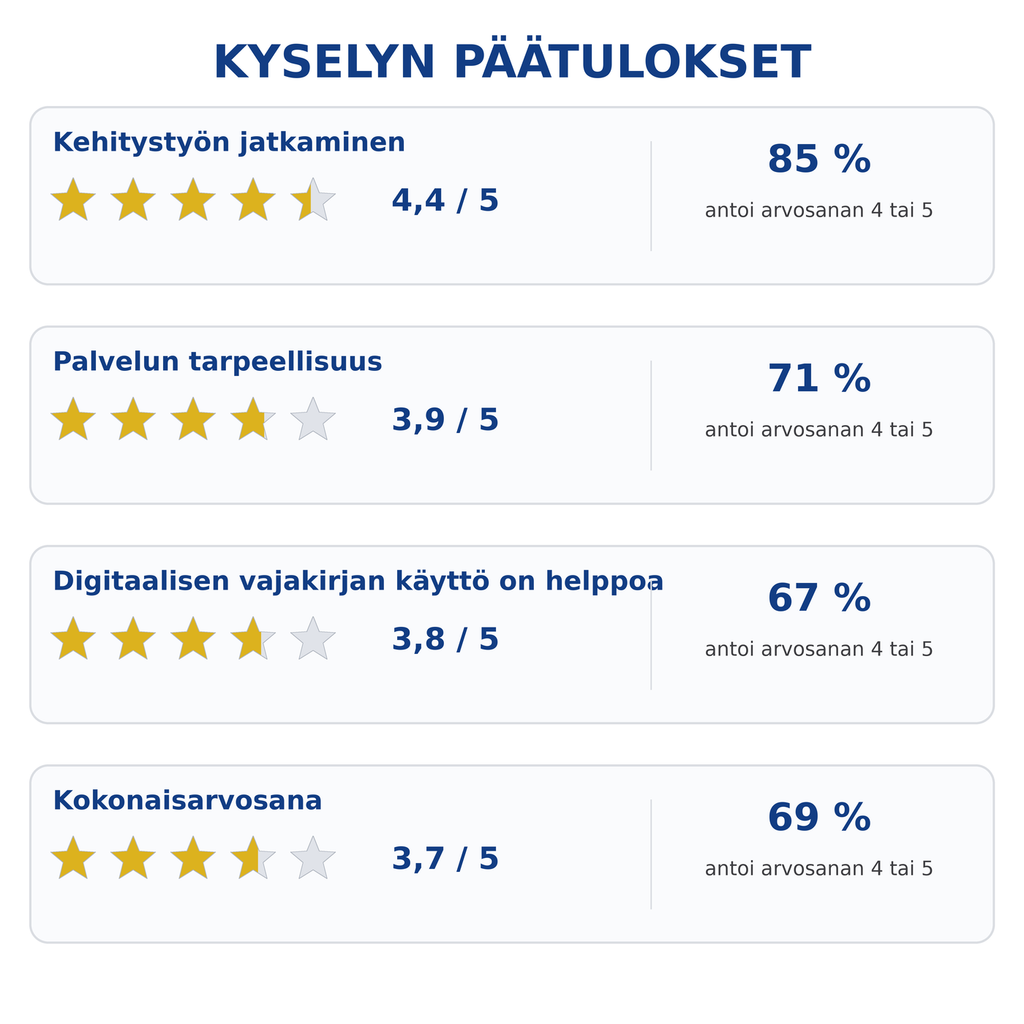
The core findings of the user survey paint a clear picture of enthusiasm and perceived value. The most critical takeaway was the exceptionally high rating for the continuation of the logbook’s development, which scored an impressive 4.4 out of 5 on a scale where 1 signifies "strongly disagree" and 5 "strongly agree." A remarkable 85% of respondents assigned a score of 4 or 5, signaling a robust belief in the platform’s future potential and the federation’s commitment to its evolution.
Furthermore, the necessity of a digital boathouse logbook received a strong average rating of 3.9 out of 5, with 71% of users deeming it either necessary or very necessary (scores of 4 or 5). The overall satisfaction rating for the logbook stood at 3.7 out of 5, with 69% of respondents giving it a score of 4 or 5. These figures collectively demonstrate that while there are certainly areas for refinement – as is typical for any nascent digital service – the fundamental concept is not only embraced but actively desired by the paddling and rowing community.
The success of this pilot is more than just a technological triumph; it represents a cultural shift within traditional sports clubs. By providing tools that simplify administrative tasks, enhance member experience, and offer valuable insights, the SMSL is empowering its member clubs to operate more efficiently and engage their communities more effectively in the digital age.
Chronology: From Concept to Community-Driven Development
The journey of the digital boathouse logbook began with the recognition of an evolving need within the Finnish paddling and rowing community. For decades, clubs relied on traditional paper logbooks to track equipment usage, manage bookings, and record member activities. While these methods served their purpose, they often presented challenges: illegibility, missing entries, difficulties in generating comprehensive statistics, and a lack of real-time information on equipment availability. In an increasingly digital world, these manual processes felt outdated and cumbersome.
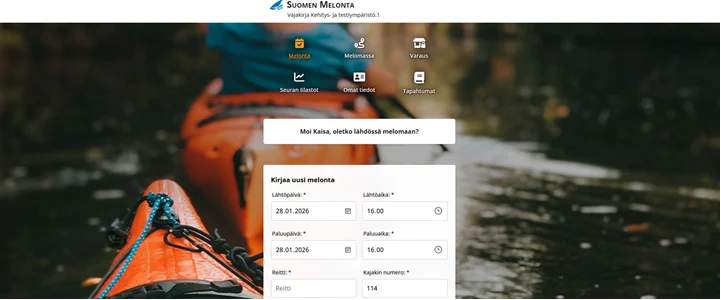
The SMSL envisioned a digital solution that would not only replace the physical logbook but also offer a suite of integrated features designed to enhance club operations and member engagement. The development process commenced with careful planning, focusing on user-friendliness and core functionalities. Once an initial version was ready, the pilot phase was launched, inviting clubs of varying sizes and operational models to participate. This inclusive approach was crucial to gather diverse user experiences and ensure the platform’s adaptability.
Throughout the first year, from its initial rollout to the conclusion of the summer season, the federation maintained an open channel for feedback. Users were encouraged to report issues, suggest improvements, and share their experiences in real-time. This iterative development approach allowed the SMSL to quickly address bugs and even implement new features based on immediate feedback during the pilot period. The late-summer user survey served as a more structured and comprehensive data collection point, synthesizing the collective wisdom and aspirations of the early adopters. This phased and responsive development model has been key to building a service that genuinely meets the needs of its users.
Supporting Data: Deep Dive into User Perceptions
The quantitative data from the user survey provides robust evidence of the digital logbook’s positive reception. The consistently high scores across all key metrics – perceived necessity, overall satisfaction, and strong desire for continued development – are indicative of a well-received and promising service.
- Necessity (3.9/5): This score suggests that while not every single user might find it absolutely indispensable in its current form, a significant majority recognizes the inherent value of moving from manual to digital record-keeping. The 71% who rated it 4 or 5 highlight a fundamental shift in expectation towards modern, accessible club management tools. This metric is crucial because it validates the initial premise for developing the service. Without a perceived need, even the most sophisticated technology would struggle to gain traction.
- Overall Rating (3.7/5): This solid score, with nearly 70% of respondents giving it a "good" or "excellent" rating, confirms that the digital logbook is performing well and meeting many user expectations. Given that this is a pilot phase, a score of 3.7 is commendable, especially considering the potential for initial teething problems inherent in any new software rollout. It indicates a strong foundation upon which to build.
- Support for Continued Development (4.4/5): This is arguably the most critical statistic. It reflects a community that is not only using the service but is also invested in its future. A score this high demonstrates trust in the federation’s vision and a collective desire to see the platform evolve and mature. It implies that users see the current version as a promising starting point rather than a finished product, and they are eager to contribute to its growth. This strong endorsement provides the SMSL with a clear mandate and motivation to allocate further resources to the project.
Beyond these numerical scores, the qualitative feedback gathered through the survey and continuous communication channels offered deeper insights. Users particularly lauded the ease with which they could now reserve equipment and check its availability in real-time. This feature alone addresses a significant pain point for many clubs, reducing conflicts over popular kayaks or boats and allowing members to plan their outings more effectively.
Furthermore, the new monitoring possibilities offered by the digital platform were highlighted as highly beneficial. For individual members, this could mean tracking their own paddling distances, routes, or frequency. For clubs, it translates into invaluable data on equipment utilization, peak usage times, and overall member activity – information that was previously cumbersome, if not impossible, to accurately collect from paper records. This data can inform crucial decisions regarding equipment procurement, maintenance schedules, and event planning.
The feedback also revealed a strong desire for specific enhancements, showcasing a user base that is actively thinking about how the service could better serve their needs. Key development ideas included:
- Reminder functions: For bookings, maintenance, or upcoming events.
- Improved mobile usability: A dedicated mobile application or a highly responsive web interface, recognizing that most users access the service on the go.
- Enhanced equipment management tools: Beyond simple booking, this could include tracking maintenance history, repair logs, and inventory management.
- Advanced statistical capabilities: More customizable reports, graphical representations, and deeper insights into club and member activity.
- Safety-supporting features: Integration of emergency contacts, trip plan submissions, weather alerts, and incident reporting mechanisms.
- Social features: The ability to easily organize group trips, share routes, or connect with other members.
- Integration with other club management systems: To create a more seamless digital ecosystem.
This comprehensive data provides a clear roadmap for the SMSL’s development team, ensuring that future iterations of the digital logbook are genuinely user-centric and impactful.
Official Responses: Federation and Club Perspectives Align
Kai Lindqvist, the SMSL’s Education and Hobby Coordinator, articulated the federation’s satisfaction with the pilot’s outcomes. "The primary goal of the pilot phase was to gather genuine user experiences from various clubs and user groups," Lindqvist stated. "In this regard, the first year was an outstanding success: users provided a wealth of concrete observations and development suggestions throughout the summer, both directly and through the feedback survey. Based on this feedback, a clear direction has been established for the continued development of the service."
Lindqvist emphasized the agility of the development process: "The service has already undergone development during the summer, and new features have been rapidly made available to the participating clubs." This responsiveness to immediate feedback is a testament to the federation’s commitment to creating a dynamic and evolving platform. From the federation’s perspective, the digital boathouse logbook has met its initial objectives, proving its potential to modernize and support club operations.
The positive sentiment was echoed by representatives from the pilot clubs, offering valuable grassroots insights into the practical benefits of the digital logbook.
Asko Lindén from Melaveikot highlighted the smooth integration of the new system into an established club environment. "At Melaveikot, we adopted the digital boathouse logbook alongside our traditional paper logbook," Lindén explained. "This modernization was something many members had hoped for, and the new digital system has been very well received. The service is primarily used on mobile phones, and its usability has proven to be smooth." For Melaveikot, the most significant advantages have been in data collection: "From the club’s perspective, the most important benefits relate particularly to monitoring paddling statistics and equipment usage statistics, as this data will now be directly available from the system. The club plans to expand its use of the service in the coming years." This underscores the long-term vision and the value of readily accessible data for strategic planning and resource management.
Hanna Metsä-Heikkilä from Kotkan Melojat shared similar enthusiasm, particularly regarding member engagement. "Kotkan Melojat embarked on the pilot phase with excitement and great interest," Metsä-Heikkilä recounted. "The adoption of the service went smoothly, and it was especially easy to motivate new paddlers and younger members to use it. Older members also became active during the summer." For smaller clubs like Kotkan Melojat, the platform’s versatility has been a boon: "In our club, the event calendar and event registration have been particularly useful. Additionally, the statistical features offer valuable information to both individual members and the club." Metsä-Heikkilä anticipates further improvements: "With the federation’s ongoing development work, the usability and fluidity of the service are likely to improve even further. All in all, this is a very good and useful service, even for a small club. Larger clubs with more users will certainly benefit even more from it." This perspective highlights the scalability of the solution and its ability to cater to diverse club needs, fostering a more engaged and active membership base across the spectrum of Finnish paddling and rowing clubs.
Implications: A Digital Horizon for Water Sports
The successful pilot of the digital boathouse logbook carries significant implications for the future of paddling and rowing in Finland. It signifies a pivotal moment in the modernization of sports club administration and member engagement.
Enhanced Operational Efficiency: The transition from paper to digital record-keeping dramatically reduces administrative overhead for club volunteers. Tasks like equipment booking, usage tracking, and statistical reporting become automated, freeing up valuable time that can be redirected towards coaching, event organization, or club development. This efficiency is particularly crucial for smaller clubs that rely heavily on volunteer efforts.
Improved Member Experience and Engagement: For members, the digital logbook offers unprecedented convenience. Real-time equipment availability, easy booking, personal activity tracking, and integrated event calendars enhance their overall club experience. The ability to access information and manage activities from a mobile device fosters greater participation, especially among younger, tech-savvy generations. It also empowers members with data about their own activities, potentially motivating them to paddle or row more frequently.
Data-Driven Decision Making: The rich data generated by the digital logbook provides clubs and the federation with powerful insights. Clubs can analyze equipment usage to identify popular items, justify new purchases, optimize maintenance schedules, and understand peak activity times. The federation can aggregate this data (anonymously, where appropriate) to gain a broader understanding of participation trends, regional differences, and the overall health of the sport, informing national strategies for development and support.
Enhanced Safety and Risk Management: Future iterations with features like trip plan submissions, emergency contact integration, and weather alerts could significantly bolster safety protocols. Knowing who is on the water, where they are going, and when they expect to return, combined with easily accessible emergency information, can be life-saving. Maintenance logs can ensure equipment is always in safe working order.
Sustainability: While not explicitly mentioned, a digital system inherently reduces paper consumption, aligning with broader environmental sustainability goals.
Fostering Community: Beyond practical tools, the platform has the potential to become a central hub for club communication, fostering a stronger sense of community. Event calendars, group trip planning features, and even integrated messaging could connect members more effectively, encouraging social interaction and collective participation.
Addressing the Digital Divide: While the pilot showed high adoption, future development must also consider how to support members who may be less comfortable with digital tools, perhaps through training or hybrid solutions, ensuring inclusivity remains a core principle.
The enthusiasm for development, particularly for features like mobile apps, advanced statistics, and safety tools, indicates that users are not just looking for a simple digital replica of a paper logbook, but a comprehensive platform that genuinely enhances all aspects of their paddling and rowing experience. The SMSL is positioned to lead this transformation, turning user feedback into a tangible, evolving resource for its entire community.
Continued Development: A Collaborative Journey
The Finnish Canoe and Rowing Federation is fully committed to continuing the development of the digital boathouse logbook based on the invaluable insights gathered during the pilot year. The experiences from this first year clearly demonstrate a strong need for the service and confirm its immense potential as a vital tool for supporting future club activities. This initial year has laid a crucial foundation upon which the digital logbook can be collaboratively built into an even more functional and user-friendly service, in close cooperation with both users and clubs.
The federation has already begun compiling the development ideas and wishes received from users, along with a list of new features that have already been implemented, on its dedicated web pages. This transparency ensures that the community remains informed and engaged in the ongoing evolution of the platform. The journey of the digital boathouse logbook is a testament to the power of user-centered design and the potential for technology to invigorate and modernize traditional sports.
For more information and to view the collected development ideas and implemented features, please visit the Finnish Canoe and Rowing Federation’s website at melontajasoutuliitto.fi/retkimelonta/jasenseurat-ja-kumppanit/digitaalinen-vajakirja/.
Additional Information:
Kai Lindqvist, Education and Hobby Coordinator
Phone: +358 50 5113 639
Email: [email protected]