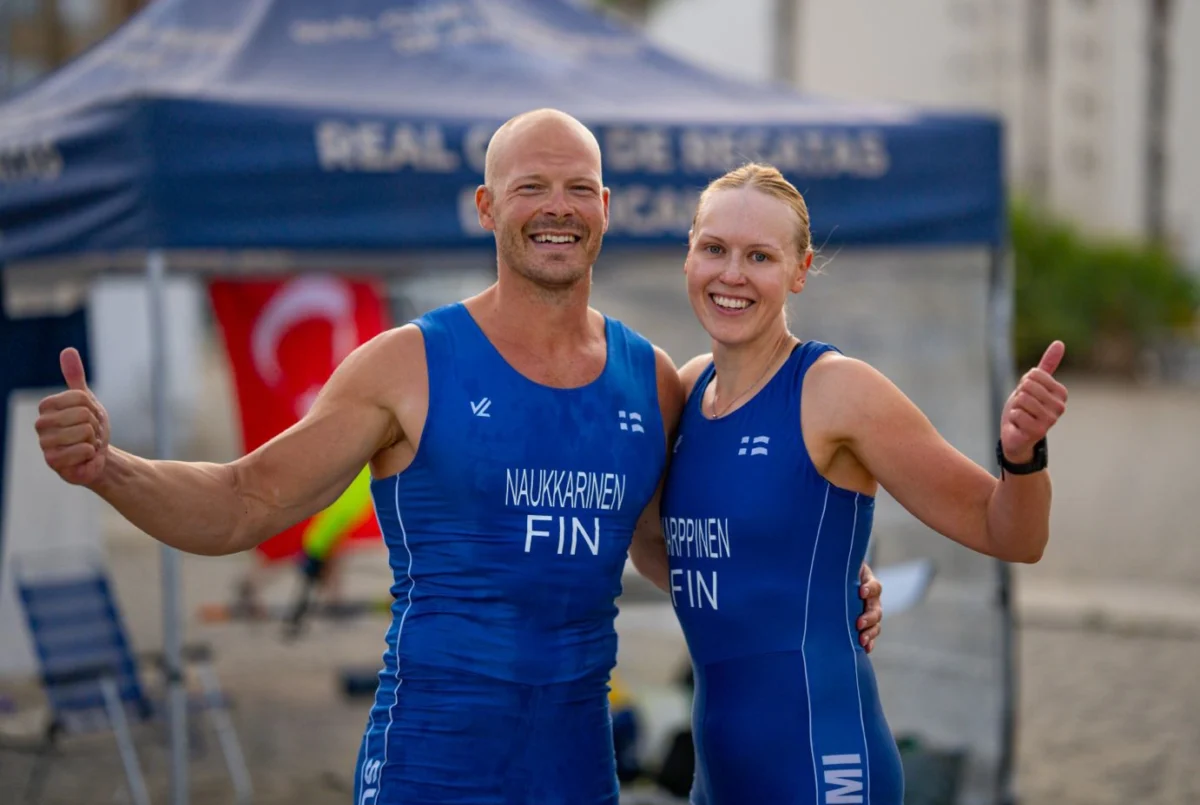
La Línea, Spain – October 26, 202X – Finnish coastal rowers Joel Naukkarinen and Eeva Karppinen have once again etched their names into the sport’s history books, successfully defending their European Championship title in the mixed double endurance event. The formidable duo showcased unparalleled synergy and raw power to claim gold at the European Coastal Rowing Championships in La Línea, Spain, repeating their triumph from Antalya last year. Their victory was a crowning achievement on a truly remarkable weekend for Finnish rowing, which saw Naukkarinen secure an additional individual gold and Karppinen an individual bronze, alongside Naukkarinen’s earlier silver in the beach sprint.
The Finnish pair completed the challenging six-kilometre endurance course with an impressive time of 26 minutes, 10.24 seconds. Their dominant performance left their competitors trailing significantly, with Spain’s Marta de las Heras Jambrino and Salvador Diaz Moreno taking silver with a time of 26:56.31. This handed Naukkarinen and Karppinen a commanding victory margin of 46.07 seconds. The bronze medal also went to a Spanish crew, Marta Paradas Fernandez and Marcos Delgado Marquez, who finished in 27:22.25, further underscoring the Finns’ exceptional pace and strategic execution in the open waters of the Bay of Gibraltar.
Double Gold for Finland: Naukkarinen and Karppinen Dominate Mixed Doubles
The atmosphere in La Línea was electric, with the coastal rowing community eagerly anticipating the mixed double endurance final. The event, known for its demanding conditions and tactical intricacies, brings together male and female athletes in a unique test of partnership and physical resilience. For Joel Naukkarinen and Eeva Karppinen, the stakes were particularly high: they were not just competing for a medal, but for the right to maintain their status as the reigning European champions in a discipline they have clearly mastered.
A Resounding Victory
From the moment the starting signal echoed across the water, Naukkarinen and Karppinen demonstrated their intent. Their powerful strokes, perfectly synchronized, propelled their boat swiftly through the initial waves. Coastal rowing endurance races are not merely about brute strength; they require acute awareness of currents, wind direction, and wave patterns, alongside precise navigation around a series of buoys. The Finnish duo, with their extensive experience in varied maritime conditions, navigated the course with the precision of seasoned mariners. They established an early lead, a testament to their aggressive yet controlled start, and steadily extended their advantage throughout the six-kilometre distance.
The margin of victory – a significant 46 seconds – speaks volumes about their superiority on the day. It wasn’t just a win; it was a comprehensive demonstration of their technical prowess, physical conditioning, and mental fortitude. The Spanish silver medalists, Marta de las Heras Jambrino and Salvador Diaz Moreno, despite rowing on home waters and undoubtedly benefiting from local knowledge, simply could not match the Finns’ relentless pace. The bronze medalists, Marta Paradas Fernandez and Marcos Delgado Marquez, completed a strong showing for the host nation but were similarly outclassed by the Finnish champions. The podium ceremony, with two Finnish flags raised for gold and a jubilant Karppinen and Naukkarinen accepting their medals, was a highlight of the championships.
Defending Their Reign
This victory marks a consecutive European title for Naukkarinen and Karppinen in the mixed double endurance event. Their initial triumph came in 2025 at the championships held in Antalya, Turkey. To replicate such success, especially in a sport as unpredictable as coastal rowing, requires an extraordinary level of dedication and consistent performance. The conditions in La Línea, with its strategic location offering a mix of open sea challenges and the sheltered waters of the bay, presented a different set of obstacles compared to Antalya. Yet, the Finnish pair adapted seamlessly, proving their versatility and robustness as a crew.
Defending a championship title often carries more pressure than winning it the first time. Competitors are keenly aware of the reigning champions, scrutinizing their technique and strategy. Naukkarinen and Karppinen not only met this challenge but surpassed it, delivering a performance that was arguably even more dominant than their inaugural win. This sustained excellence firmly places them at the pinnacle of European coastal rowing in the mixed doubles category, setting a new benchmark for others to aspire to.
A Golden Friday: Naukkarinen’s Individual Triumph and Karppinen’s Bronze
The mixed double gold was the spectacular culmination of a "golden Friday" for Finnish rowing, following earlier individual successes that had already sent ripples of excitement through the Finnish delegation. The day began with Joel Naukkarinen securing his first gold of the championships in the men’s single endurance event, followed by Eeva Karppinen’s impressive bronze in the women’s single endurance race.
Naukkarinen’s Solo Endurance Masterclass
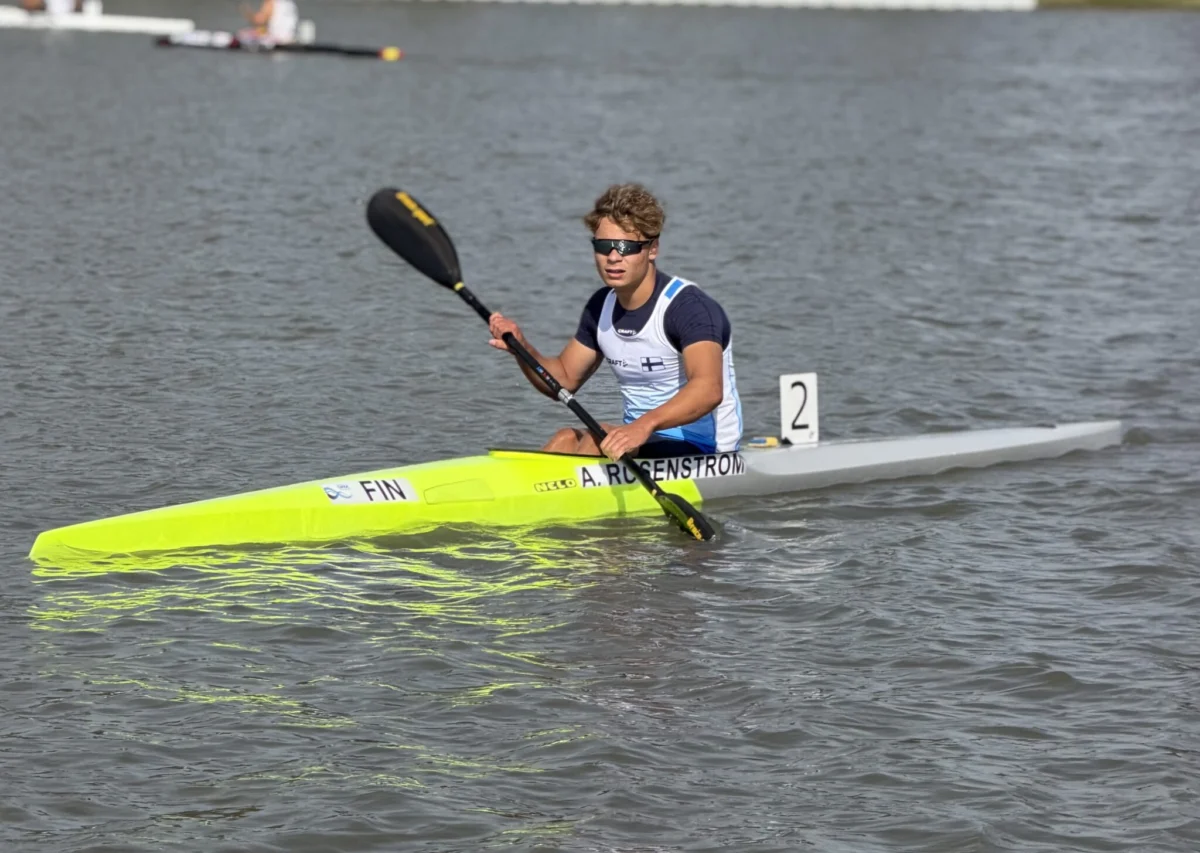
Before teaming up with Karppinen for their shared glory, Joel Naukkarinen had already asserted his dominance in the men’s single sculls endurance race. Covering the same six-kilometre course, Naukkarinen powered his way to victory with a time of 26 minutes, 27.29 seconds. This individual gold was also a successful defence of his 2025 European Championship title, showcasing his consistent high-level performance as a solo athlete.
Naukkarinen’s ability to maintain peak physical and mental form across multiple demanding races on the same day is a testament to his exceptional conditioning and competitive spirit. The men’s single event is a brutal test of individual endurance, requiring not only physical strength but also a deep understanding of the water and an ability to make split-second tactical decisions without the support of a partner. His repeated success in this category firmly establishes him as one of Europe’s leading male coastal rowers.
Karppinen Secures Individual Podium Spot
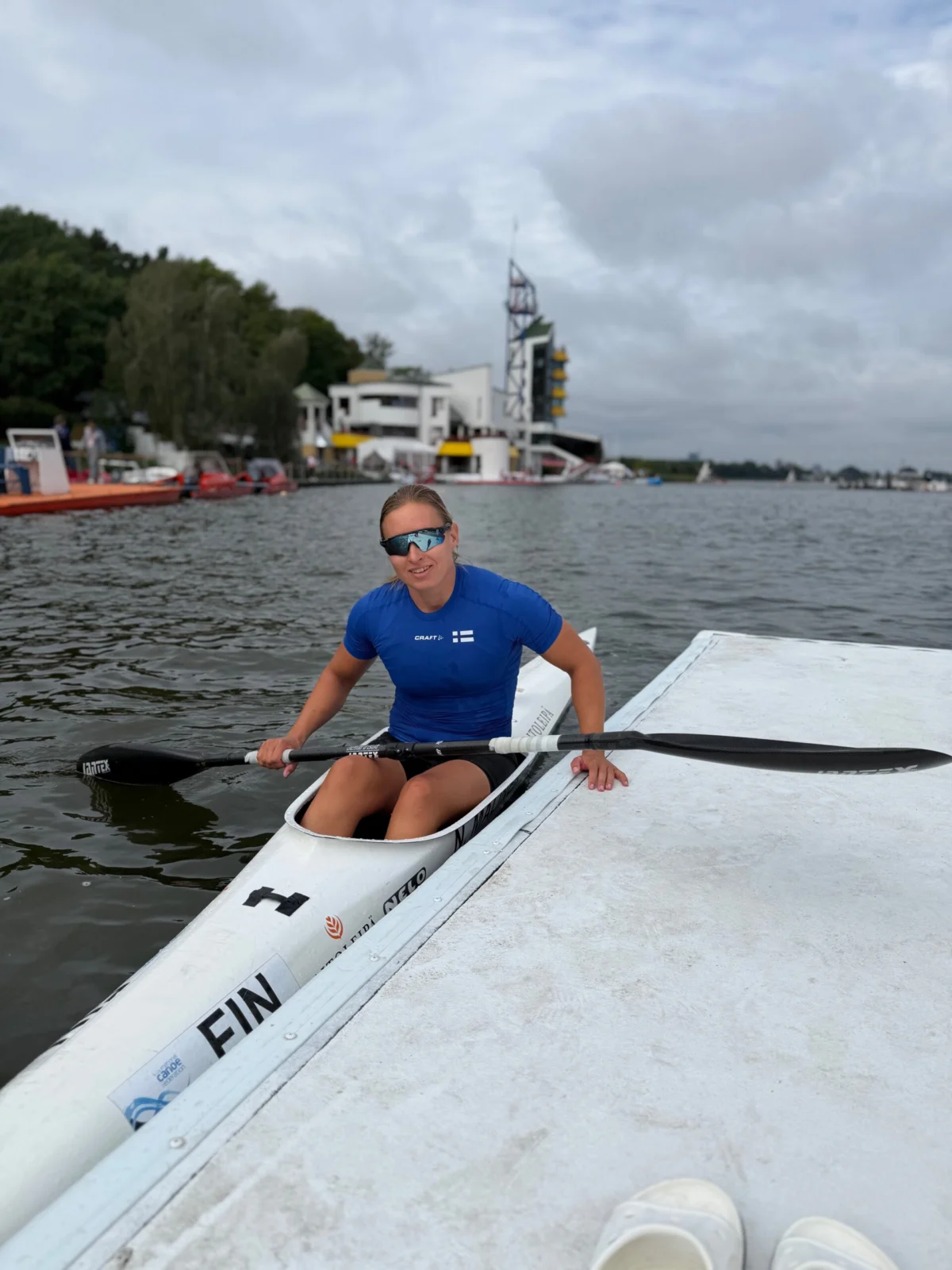
Not to be outdone, Eeva Karppinen also delivered a stellar individual performance in the women’s single sculls endurance race. She battled fiercely against a strong field of international competitors to claim the European bronze medal, finishing with a time of 29 minutes, 54.94 seconds. This bronze medal adds significant weight to her individual career achievements and underscores her versatility as an athlete capable of excelling both as part of a crew and independently.
Karppinen’s individual medal, combined with her mixed double gold, highlights her critical role in Finland’s overall success at the championships. Her ability to contribute significantly in both team and individual events speaks volumes about her dedication, skill, and strategic intelligence on the water. For the Finnish team, having two athletes capable of reaching the podium in individual endurance events, in addition to their shared mixed double triumph, signals a robust and high-performing national programme.
Naukkarinen’s Remarkable Medal Haul: Three Medals in Two Days
Joel Naukkarinen’s performance at the La Línea European Championships transcends mere success; it enters the realm of the extraordinary. Over just two days of intense competition, he amassed an astonishing three European Championship medals: two golds from the endurance events (men’s single and mixed double) and a silver from the beach sprint. This incredible haul solidifies his position as one of the most versatile and dominant coastal rowers in Europe, if not the world.
Beach Sprint Silver: A Historic Breakthrough
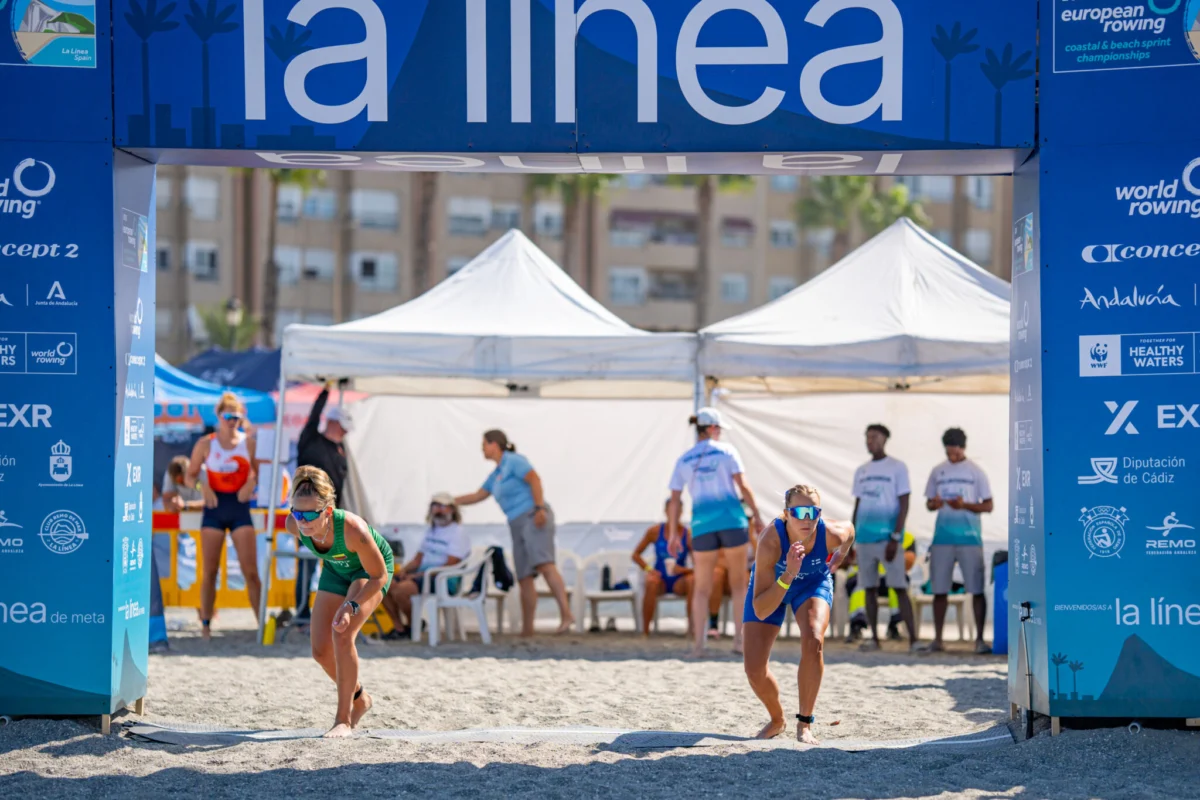
The medal tally began on Thursday, the opening day of the championships, when Naukkarinen secured a silver medal in the beach sprint event. This achievement was particularly significant as it marked Finland’s very first European Championship medal in the beach sprint discipline. Unlike the endurance race, beach sprint is a short, explosive event that combines rowing with a run on the beach, demanding a different set of skills including explosive power, agility, and quick transitions.
Naukkarinen’s ascent in the beach sprint has been meteoric. In the 2025 European Championships, he placed 12th in the beach sprint. To improve from outside the top ten to a silver medal position in just one year is a testament to his dedicated training, strategic focus, and relentless pursuit of excellence. This rapid progression is not only a personal triumph but also a groundbreaking moment for Finnish rowing, opening new avenues for the sport in the nation.
The Road to Los Angeles 2028
The beach sprint event holds particular importance for the future of coastal rowing. It is set to make its Olympic debut at the Los Angeles 2028 Games, marking a significant milestone for the sport’s global recognition and appeal. Naukkarinen’s silver medal in this discipline is therefore not just a European achievement but a powerful statement of intent regarding his Olympic aspirations. His remarkable leap to the forefront of European beach sprint talent positions him as a strong contender for future Olympic qualification and medals.
The inclusion of beach sprint in the Olympic programme has injected a new level of excitement and professionalism into coastal rowing. Athletes like Naukkarinen, who can excel in both the traditional endurance format and the dynamic beach sprint, are demonstrating the evolving skill set required to compete at the highest levels. His success serves as an inspiration for aspiring rowers in Finland and beyond, highlighting the clear pathway from European championships to the pinnacle of global sport.
Eyes on the World Stage
Reflecting on his exceptional performance and looking ahead, Naukkarinen expressed his satisfaction with his current form. "The momentum is fantastic," he stated, his voice radiating confidence. "The next big goal is the World Championships in China in about a month, where I’m now going to prepare." This statement underscores his ambitious mindset and his readiness to translate his European dominance onto the global stage. The World Championships represent the next critical challenge, and Naukkarinen’s current form suggests he will be a force to be reckoned with. His strategic focus on successive major competitions highlights the rigorous schedule and mental resilience required to compete at the elite level of international rowing.
The Strategy Behind Success: Teamwork and Elite Performance
The sustained success of Joel Naukkarinen and Eeva Karppinen, both individually and as a mixed double crew, is not merely a result of individual talent. It is deeply rooted in meticulous preparation, a sophisticated understanding of the sport, and, crucially, the cohesive functioning of their support team. Modern elite sports are a complex interplay of athlete dedication, coaching expertise, sports science, and logistical support.
Raising the Bar: Karppinen on Team Synergy
Eeva Karppinen, a key architect of the mixed double triumph, eloquently articulated the foundation of their success from the competition venue. "We have raised our basic level to the international top, and the refined operation of the team is behind these good performances," she explained. This statement speaks volumes about the collaborative effort that underpins their achievements. It’s not just about individual prowess but about a collective commitment to excellence, where every member of the team contributes to optimizing performance.
"Team" in this context extends beyond the two rowers. It encompasses coaches, physiotherapists, nutritionists, mental performance specialists, and logistical personnel who ensure that the athletes are in the best possible condition to compete. The "refined operation" suggests a well-oiled machine, where communication is fluid, strategies are meticulously planned, and support is consistently provided. This holistic approach to athletic development is increasingly vital in high-performance sports, and Finland’s coastal rowing team appears to have mastered it.
The Mental and Physical Demands
Coastal rowing, particularly endurance events, is physically grueling. Athletes must possess exceptional cardiovascular fitness, muscular strength, and endurance to maintain high stroke rates over several kilometres in often challenging sea conditions. Beyond the physical, the mental demands are immense. The ability to stay focused, make rapid tactical decisions, and push through discomfort are critical. In the mixed double, the mental connection and trust between partners are paramount. The ability to anticipate each other’s movements, communicate non-verbally, and maintain synchronicity under pressure is what separates good crews from championship-winning ones. Naukkarinen and Karppinen clearly demonstrate this deep understanding and synergy.
Their consistent performance, defending multiple titles, suggests a high level of psychological resilience. They are able to handle the pressure of being defending champions, adapt to different race conditions, and execute their race plans flawlessly. This mental toughness is cultivated through years of training, competition experience, and a supportive team environment that fosters confidence and focus.
Understanding Coastal Rowing: Endurance vs. Beach Sprint
The European Championships in La Línea showcased the two distinct and equally captivating disciplines within coastal rowing: the endurance race and the beach sprint. While both involve rowing on the open sea, they demand different skill sets and offer unique spectacles for competitors and audiences alike. Understanding these differences is key to appreciating the versatility of athletes like Joel Naukkarinen.
The Endurance Challenge: Navigating the Open Sea
The endurance race, as contested by Naukkarinen and Karppinen, is a longer-distance event, typically covering between four and six kilometres. In La Línea, the final distance was six kilometres. This discipline is a true test of sustained power, strategic navigation, and adaptability. Rowers must contend with the unpredictable nature of the open sea, including waves, currents, and wind, which can change rapidly. The course is marked by buoys, requiring crews to execute precise turns, often against the elements, which can significantly impact race times and positions.
Tactical decision-making is crucial in endurance rowing. Crews must choose optimal lines, conserve energy when possible, and know when to push hard. The mental fortitude required to maintain focus and technique over an extended period, often in physically demanding conditions, is immense. It is a purist’s form of rowing, where the connection between the rower, the boat, and the water is paramount. While thrilling, endurance rowing is not currently part of the Olympic programme.
The Dynamic Beach Sprint: A Spectator’s Delight
In contrast, the beach sprint is a shorter, more explosive, and highly dynamic event designed for maximum spectator engagement. It begins with athletes sprinting from the beach to their boats, which are typically positioned just offshore. They then row a slalom course around buoys, usually for about 250-500 meters, before returning to the beach. The final segment involves another sprint from their boat, dragged onto the sand, across a finish line on the beach.
This format requires a unique blend of athleticism: speed and agility for the beach sprints, explosive power and technical precision for the short rowing course, and quick transitions between the land and water segments. It is a visually exciting event, often featuring dramatic starts and finishes, and close-quarters racing around the buoys. The beach sprint’s inherent drama and accessibility for spectators were key factors in its selection for the Olympic Games.
Olympic Dreams: The Future of Beach Sprint
The inclusion of beach sprint in the Los Angeles 2028 Olympic programme is a transformative moment for coastal rowing. It provides a global platform for the sport, promising increased funding, participation, and media attention. This Olympic status significantly elevates the stakes for events like the European Championships, particularly for disciplines that serve as qualifiers or indicators of Olympic potential.
For athletes like Joel Naukkarinen, who has demonstrated exceptional aptitude in both endurance and beach sprint, the Olympic inclusion offers a clear pathway to competing on the world’s biggest sporting stage. While endurance rowing remains a cherished and challenging discipline, the beach sprint is where the immediate Olympic dreams lie. The contrasting nature of these two formats highlights the diverse talents within coastal rowing and offers a rich tapestry of competition for fans of the sport.
Broader Implications for Finnish Rowing and the Sport
The phenomenal success of Joel Naukkarinen and Eeva Karppinen at the European Coastal Rowing Championships in La Línea carries significant implications, not only for the athletes themselves but also for Finnish rowing as a whole and for the broader development of coastal rowing internationally.
A Beacon for Nordic Rowing
Finland, while traditionally strong in certain winter sports, is making increasingly significant strides in water-based disciplines. The consistent high-level performance of Naukkarinen and Karppinen in coastal rowing positions Finland as a leading nation in this emerging sport. Their multiple European titles and medals serve as a powerful inspiration for younger generations of Finnish athletes, potentially encouraging greater participation and investment in rowing programmes across the country.
This success can also act as a beacon for other Nordic countries, demonstrating that with focused training and strategic support, it is possible to excel on the international coastal rowing circuit despite varying geographical conditions. The Finnish Rowing and Canoeing Federation (Melonta- ja Soutuliitto) can leverage these achievements to secure further resources, enhance coaching development, and expand talent identification programmes, ensuring a sustainable pipeline of future champions.
The Growing Global Appeal of Coastal Rowing
The achievements in La Línea also contribute to the growing global appeal of coastal rowing. As a relatively new and dynamic discipline, it offers a fresh perspective on traditional rowing, with its rugged open-sea courses and exciting beach sprint format. The increasing media coverage of events like the European Championships, coupled with the sport’s Olympic inclusion, is drawing new fans and participants worldwide.
The success stories of athletes like Naukkarinen and Karppinen provide compelling narratives that highlight the excitement, challenges, and rewards of coastal rowing. These narratives are crucial for expanding the sport’s footprint, attracting sponsorship, and establishing it as a mainstream aquatic discipline alongside its flatwater counterpart. The diverse range of nations on the podiums, from traditional rowing powerhouses to emerging coastal rowing nations, underscores the sport’s broad accessibility and growing competitive depth.
Looking Ahead: World Championships and Beyond
With the European Championships now concluded, the focus for Joel Naukkarinen, Eeva Karppinen, and the entire Finnish coastal rowing team quickly shifts to the next major international challenge. The season is far from over, and the momentum gained in La Línea will be crucial for upcoming competitions.
The Next Challenge: China
As Joel Naukkarinen himself articulated, the immediate next big target is the World Championships in China, scheduled to take place in approximately one month. This global spectacle will bring together the best coastal rowers from every continent, offering an even more intense level of competition than the European Championships. Naukkarinen’s confident declaration of preparing for this event immediately after his European successes highlights his relentless drive and his strategic approach to peak performance.
The World Championships will provide an opportunity for Naukkarinen to test his mettle against a truly global field, particularly in the beach sprint, where Olympic qualification points and rankings will be critically important. For Eeva Karppinen, it will be a chance to build on her individual bronze and mixed double gold, further solidifying her international standing. The conditions in China may present new challenges, but the Finnish team’s adaptability and comprehensive preparation will be key to their continued success.
Long-Term Olympic Ambitions
Beyond the immediate horizon of the World Championships, the ultimate long-term goal for many coastal rowers, especially those excelling in the beach sprint, is the Los Angeles 2028 Olympic Games. Joel Naukkarinen’s significant improvement in the beach sprint, culminating in a European silver, places him firmly on the radar as a potential Olympic contender. The journey to the Olympics is long and arduous, involving years of dedicated training, consistent top-level performances, and navigating complex qualification pathways.
The successes in La Línea are foundational steps on this journey. They provide invaluable experience, boost confidence, and confirm that the training strategies are effective. For Finnish coastal rowing, these championships represent a clear signal that they are not just participating but are genuine medal contenders on the international stage. The prospect of seeing Finnish rowers competing for Olympic medals in Los Angeles is now a tangible and exciting possibility, fueled by the historic achievements of Naukkarinen and Karppinen.