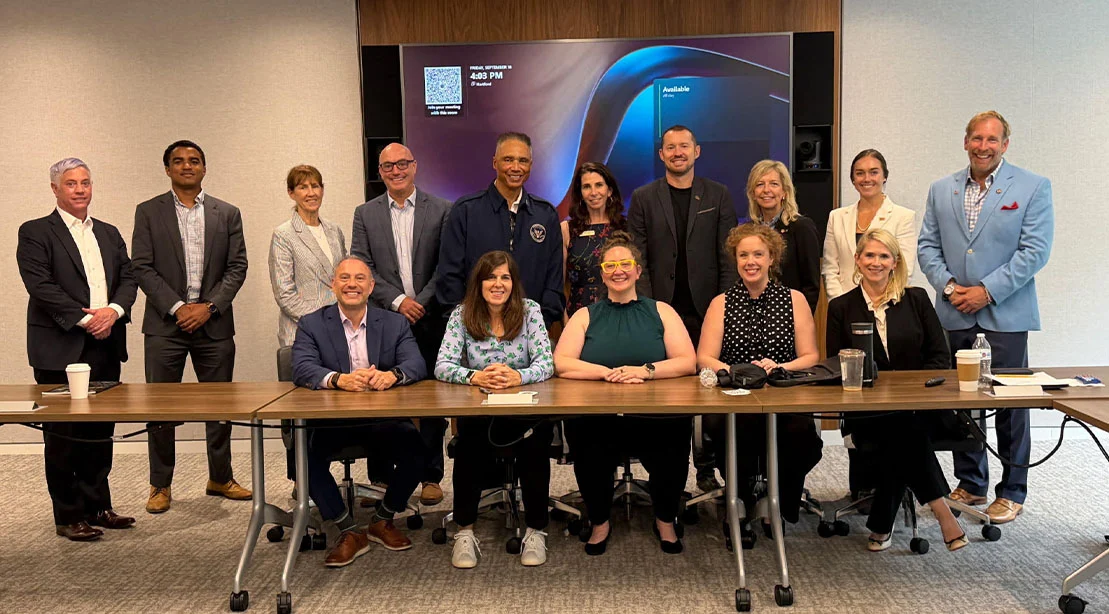
The Tragedy Assistance Program for Survivors (TAPS) headquarters in Arlington, Virginia, recently served as the epicenter for a critical exchange of knowledge: the fifth installment of the Muscle & Fitness Military Health and Wellness Symposium. Spearheaded by Senior Military Editor Rob Wilkins, the event brought together a multidisciplinary coalition of military commanders, defense officials, and elite performance experts. The objective was clear and urgent: to translate the latest scientific research into actionable health and fitness strategies for service members, veterans, and their families.
In an era where the battlefield is increasingly complex and the demands on the modern warfighter are at an all-time high, the symposium underscored a foundational truth—the physical and mental well-being of the uniformed services is not merely a personal health issue; it is a pillar of national security.
The Mandate for Human Performance
The symposium opened with a sobering realization: the pace of innovation in health, nutrition, and recovery technology is accelerating faster than institutional doctrine can often keep up. Wilkins, acting as the series architect, emphasized that the event serves as a vital bridge between laboratory breakthroughs and the boots-on-the-ground reality.
"No one organization can generate all of the answers," Wilkins stated during his opening remarks. "We are here to democratize this information so that our service members can stay healthy, serve longer, and live more vibrant lives post-service. Our goal is to create a culture of readiness that extends well beyond the gym."
The event’s success stems from its deliberate diversity of perspective. By integrating voices from the Department of Defense, the Veterans Affairs (VA), and civilian health sectors, the symposium ensures that the "whole-person" approach to wellness is addressed from every conceivable angle.
A Chronology of Critical Care
The day was structured to flow from immediate operational readiness to the long-term sustainment of the veteran community.
The H2F Paradigm: Building the "Harder to Kill" Soldier
The morning session focused on the U.S. Army’s Holistic Health & Fitness (H2F) program. COL Jonathan D. Lesher and physical therapist Amy Cates provided an in-depth analysis of the program’s five core pillars: physical, mental, nutritional, spiritual, and sleep.
The H2F initiative represents a sea change in how the Army views its soldiers. Instead of treating training and medical care as separate silos, H2F integrates them into a single, cohesive framework at the brigade level. "A stronger soldier is harder to kill, period," COL Lesher remarked. The program’s primary operational goal is the rapid, evidence-based rehabilitation of injuries, ensuring that soldiers are returned to their units with enhanced durability, effectively reducing the time lost to medical non-deployability.
Financial and VA Support: The Life Cycle of Service
Recognizing that physical health is inextricably linked to mental stability, the afternoon sessions pivoted to life after service. Financial expert David Vardeman tackled the often-overlooked area of financial literacy, noting that fiscal stress is a primary driver of psychological distress among veterans.
Complementing this, Dr. Lynda Davis, Chief Veterans Experience Officer at the VA, outlined the department’s aggressive push toward proactive outreach. Dr. Davis stressed that the VA is moving away from a reactive model to one that actively engages with veterans to maximize the benefits they have earned through their service. Her message to the audience was one of absolute commitment: "If a veteran is in trouble, we are going to be there."
Generational Impact and Lifelong Fitness
One of the most unique aspects of this year’s symposium was its focus on the "pipeline" of wellness. Bob Marple, principal of Brambleton Middle School, discussed the importance of early physical intervention. By fostering healthy habits in children, the educational system plays a direct role in shaping the physical caliber of the next generation of potential service members.
This was further reinforced by Ashlee Henson, Director of the Cooper Aerobics Wellness Program. Drawing on her extensive experience with the Armed Forces Wellness Center, Henson illustrated that the principles of performance optimization are universal. Whether working with elite infantry or aging veterans, the core tenets—proper movement patterns, metabolic health, and intentional recovery—remain the same. She noted that following the guidance of pioneers like Dr. Kenneth Cooper, individuals can significantly increase not just their quantity of life, but their "healthspan"—the number of years spent in peak physical condition.
The Science of Supplementation and Sleep
As new ingredients hit the supplement market at a dizzying pace, Andrea Lindsey, Senior Nutrition Scientist at Operation Supplement Safety (OPSS), delivered a necessary warning. With the rise of unregulated "performance enhancers" and the ubiquity of energy drinks, service members are often exposed to substances that could jeopardize their health and their careers.
Lindsey urged for strict adherence to third-party testing certifications and advised caution regarding the recent explosion in peptide usage. "We are in a whole different paradigm with regard to peptides," Lindsey cautioned. "It is essential for leadership and the rank-and-file to understand exactly what they are putting into their bodies."
Following the nutrition briefing, Dr. Sara Algar and Dr. Tina Burke from the Walter Reed Army Institute of Research tackled the "silent epidemic" of the military: sleep deprivation. Their research indicates that anything less than seven hours of sleep is not just a comfort issue—it is a performance liability. Chronic sleep loss results in hormonal imbalances, specifically lower testosterone production and impaired emotional regulation. Their conclusion was blunt: "Until you break the cycle of sleep deprivation, it will keep perpetuating, leading to cognitive decline and injury."
Emotional Resilience: The Leadership Perspective
The symposium concluded with a deep dive into the psychological toll of leadership. Dr. Gabriel Paoletti of the Uniformed Services University explored the intersection of mental health and command. A standout moment occurred when Dr. Elizabeth "Elise" Van Winkle, the former Assistant Secretary of Defense for Readiness, shared her personal journey through the high-pressure environment of the Pentagon.
Van Winkle candidly discussed how the "suck it up" mentality—often viewed as a military virtue—can become a liability when it prevents leaders from seeking support. She distinguished between "resilience" (the ability to bounce back) and "readiness" (the ability to perform). She argued that true leadership requires the vulnerability to acknowledge one’s own limits.
"Saying it out loud makes you vulnerable," Van Winkle noted, referring to discussing mental health struggles, "but that vulnerability is often what pulls you back together into one person. It is an act of courage to prioritize your own mental health so you can stay in the fight."
Looking Ahead: The Path Forward
The implications of the symposium are clear: the military is shifting toward a model that prioritizes human capital as its most precious, and most fragile, resource. By institutionalizing these health and wellness findings, the Department of Defense aims to create a force that is not only better prepared for the kinetic realities of combat but also better equipped for the long-term transitions that define a military career.
As the event concluded, Rob Wilkins confirmed that the momentum generated in Arlington will not dissipate. Tentative plans for a sixth symposium in January 2027 are already in development, promising to delve even deeper into the intersection of technology, psychology, and human performance.
For the attendees, the takeaway was twofold: first, that health is a tactical requirement; and second, that through collective knowledge and a willingness to adapt, the military community can foster a culture where longevity, resilience, and peak performance are the standard for all who serve.