In the vast, thin-aired expanse of the Bolivian Altiplano, where the horizon stretches toward infinity and the peaks of dormant volcanoes pierce the clouds, lies a hidden gem of high-altitude trekking: the Five Lakes Loop. While much of the world’s attention in this region is captured by the sprawling Salar de Uyuni or the dramatic ascents of 6,000-meter giants, the Five Lakes Loop offers a more intimate, albeit equally challenging, encounter with the rugged beauty of the Andes.
This border-straddling expedition, which traverses both Bolivian and Chilean territory, serves as a masterclass in high-altitude endurance and navigation. It is a journey defined by extreme temperature fluctuations, breathtaking vistas of glacial lakes, and the quiet, stoic presence of the indigenous wildlife that calls this extreme environment home.

Main Facts: The Anatomy of a High-Altitude Traverse
The Five Lakes Loop is not a trail for the uninitiated. It is a serious undertaking that demands respect for the environment and a high level of physical preparation.
- Distance: 47 kilometers (29 miles).
- Duration: Typically completed in one to two days, depending on acclimation and pace.
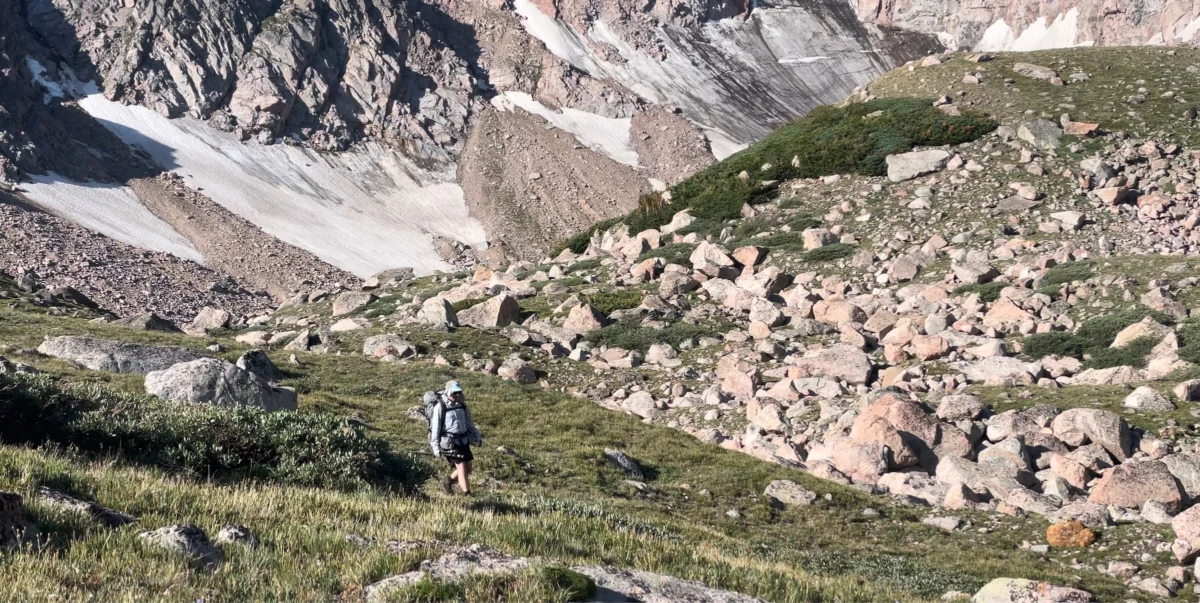
- Difficulty: Moderate to strenuous due to altitude. Roughly 40% of the route is off-trail, requiring confident navigation skills, though the terrain is largely open and treeless, making visual orientation straightforward.
- Elevation: The route begins and ends at 4,230 meters (13,879 ft) in the village of Sajama, reaching a maximum elevation of 5,130 meters (16,831 ft).
- Optimal Season: June to September, when the weather is at its most stable, though nighttime temperatures remain brutally cold.
The loop serves as a perfect prelude for those planning more extensive traverses in the region. It provides an immediate immersion into the "puna" ecosystem, characterized by hardy shrubs, grazing camelids, and the ever-present shadow of the Nevado Sajama, the highest peak in Bolivia.

Chronology: A Two-Day Odyssey
Day One: Into the Thin Air
The journey commences in the village of Sajama, an outpost of roughly 1,700 inhabitants that claims the title of one of the highest permanently inhabited settlements on Earth. The atmosphere here is thick with anticipation and the smell of woodsmoke.
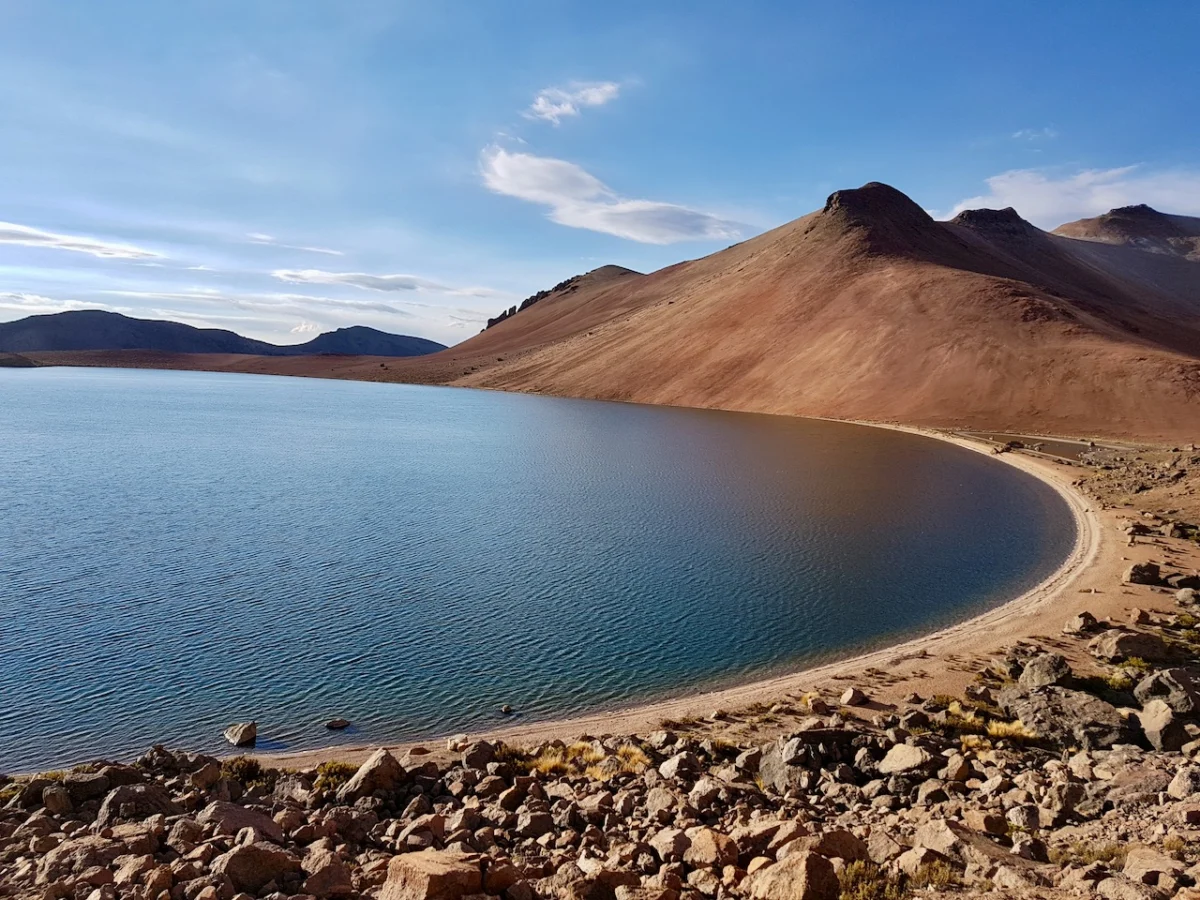
As the trekker departs the village, the path leads toward the high passes that define the border region. The landscape is a monochrome tapestry of ochre and grey, interrupted only by the sudden, vibrant turquoise or deep indigo of the glacial lakes. Navigation during this initial stage requires a keen eye for subtle variations in the landscape.

By midday, the trail reaches the vicinity of Paso Casiri. Here, the scale of the Andes becomes overwhelming. To the east, the twin snow-capped sentinels of Volcan Pomerape (6,282 m) and Volcan Parinacota (6,348 m) dominate the skyline. The ascent is steady, testing the lungs and the resolve of the hiker. As one approaches the vicinity of Laguna Chiar Khota, the decision to push for a summit—such as the 5,475-meter Jisk’a Kunturini—often rests on the temperament of the afternoon weather. Even in the dry season, the Altiplano is prone to sudden, aggressive squalls that can turn a clear day into a whiteout in minutes.
The first day concludes under a sky that feels unnervingly close. Camping at nearly 5,000 meters requires specialized gear; temperatures frequently plummet to -12°C (10°F). Yet, the reward is an unparalleled view of the Milky Way, unpolluted by light, and the silence of a landscape that has remained largely unchanged for millennia.

Day Two: The Descent and the Return
The second day is characterized by a gradual descent through the Quebrada Condoriri. The terrain shifts from the jagged, high-altitude passes back toward the rolling plains surrounding the village. The route passes the remaining lakes, which shimmer like jewels against the arid backdrop.
Flora enthusiasts will find delight in the Azorella compacta, or "llareta." This ancient, moss-like plant grows at a glacial pace, often appearing as a bright green boulder on the landscape. It is a testament to the resilience of life in the high Andes, surviving at elevations up to 5,000 meters.

As the village of Sajama comes back into view, the sense of accomplishment is tempered by the profound stillness of the environment. The return to the village is not merely the end of a hike, but a transition back into a human rhythm—often marked by the sight of locals gathering for a communal football match, a stark contrast to the solitary, wind-whipped experience of the previous 48 hours.
Supporting Data: Survival and Logistics
Successful navigation of the Five Lakes Loop requires more than just fitness; it requires meticulous logistical planning.

Gear and Preparation
Given the extreme temperature variance, a layered clothing system is non-negotiable. Base layers should be moisture-wicking, while the outer shell must be windproof and durable. A sleeping bag rated for at least -15°C is essential for comfort.
Water sources are available but must be treated. Due to the high mineral content often found in volcanic runoff, a high-quality filter or chemical purification is necessary. Furthermore, the reliance on GPS is paramount. While the landscape is open, the lack of defined trails means that in the event of low visibility, a digital map is the only reliable tether to safety.

Acclimation
The most common mistake for visitors to the Sajama region is an underestimation of altitude. It is highly recommended to spend at least 48 to 72 hours in Sajama village or similar elevations before attempting the loop. Coca tea, a traditional local remedy, is widely available and serves as a mild, effective aid for mild altitude sickness.
Official Responses and Conservation Efforts
The region surrounding the Nevado Sajama is protected as part of the Sajama National Park, Bolivia’s first national park. Established in 1939, the park is a critical sanctuary for the Andean ecosystem.

Park authorities and local community leaders have been increasingly focused on sustainable tourism. Because the ecosystem is fragile—particularly the slow-growing llareta and the delicate alpine meadows—hikers are strictly encouraged to follow "Leave No Trace" principles. The local communities in Sajama have developed a model of community-based tourism, providing guides and accommodation that directly support the preservation of the land.
"The mountain is the lifeblood of our village," says one local resident and guide. "We welcome those who come to see it, but we ask them to walk softly, for the ground here is as ancient as the wind."

Implications: Why the Altiplano Matters
The Five Lakes Loop is emblematic of a shift in global adventure travel: a move away from "summit-bagging" and toward deep-immersion, landscape-focused trekking.
Ecological Sensitivity
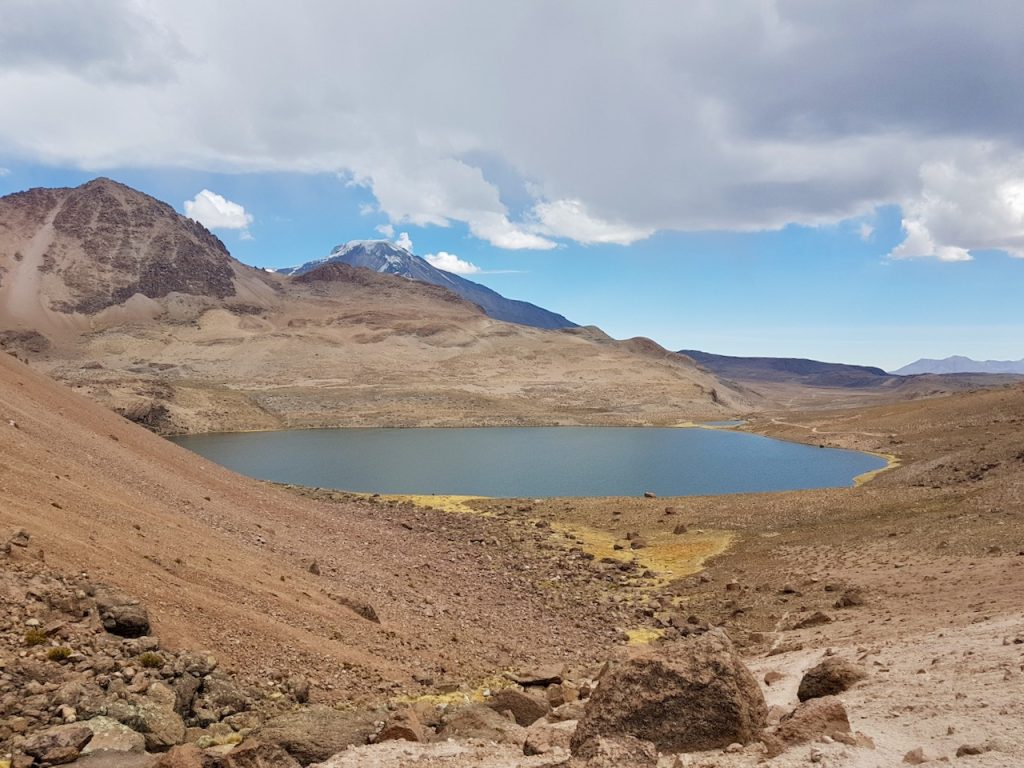
The Altiplano is a sentinel for climate change. The retreat of glaciers on peaks like Parinacota and Pomerape is visible to the naked eye. Trekking in this region serves as an educational experience, forcing the traveler to confront the reality of how fragile these high-altitude water sources truly are. Every lake on the loop is a vital resource for the local llama herds and the people who depend on them.
Cultural Connectivity
Trekking in Bolivia is inherently a cultural experience. Unlike the sanitized trails of Europe or North America, the Five Lakes Loop brings you into direct contact with a way of life that is defined by the rhythm of the seasons and the demands of the altitude. It is an opportunity to witness how humanity adapts to one of the most inhospitable environments on the planet.
For the intrepid traveler, the Five Lakes Loop offers more than just a physical challenge. It offers a moment of profound clarity. In the silence of the high pass, surrounded by the remnants of volcanic history, the distractions of the modern world fall away. What remains is the raw, unadulterated beauty of the Andes—a reminder that there are still corners of the earth that remain wild, indifferent to our presence, and utterly magnificent.