By Michael Sertle
August 26, 2026
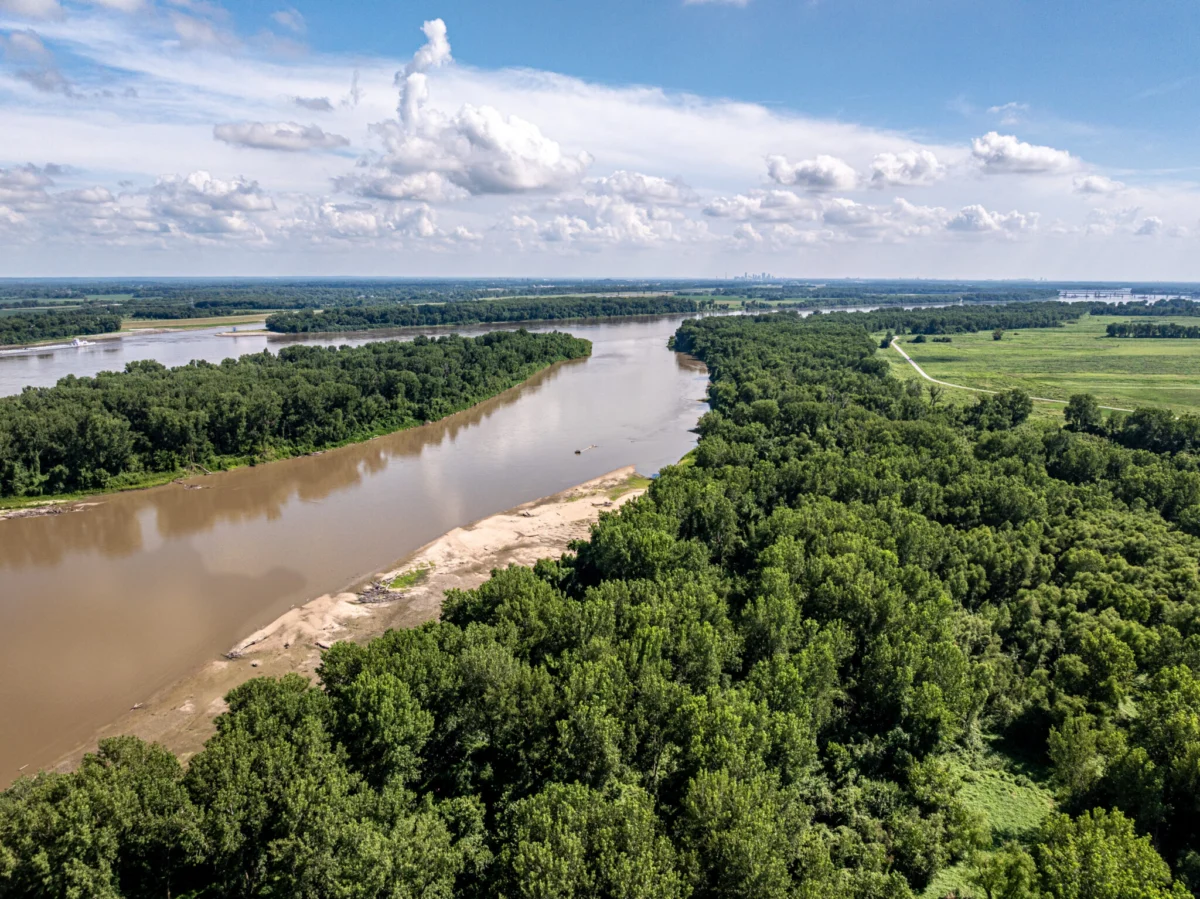
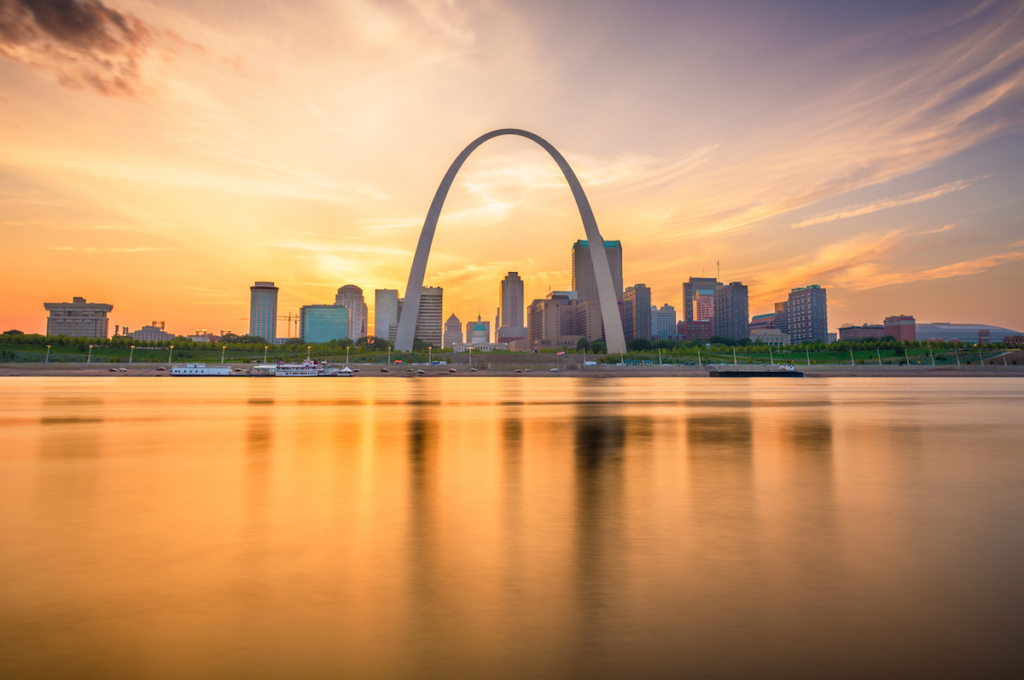
From its humble origins as a crystalline snowflake melting in the high-altitude solitude of Montana’s Rocky Mountains to its final, sediment-heavy confluence with the Mississippi River in St. Louis, the Missouri River—affectionately and historically known as the "Big Muddy"—is more than a waterway. It is the lifeblood of the American heartland. For centuries, this river has dictated the cultural, economic, and ecological rhythms of the vast interior of the United States. Yet, today, the river stands at a critical juncture, caught between the industrial legacy of the 20th century and the urgent, climate-driven realities of the 21st.
The Historical Significance of the Missouri
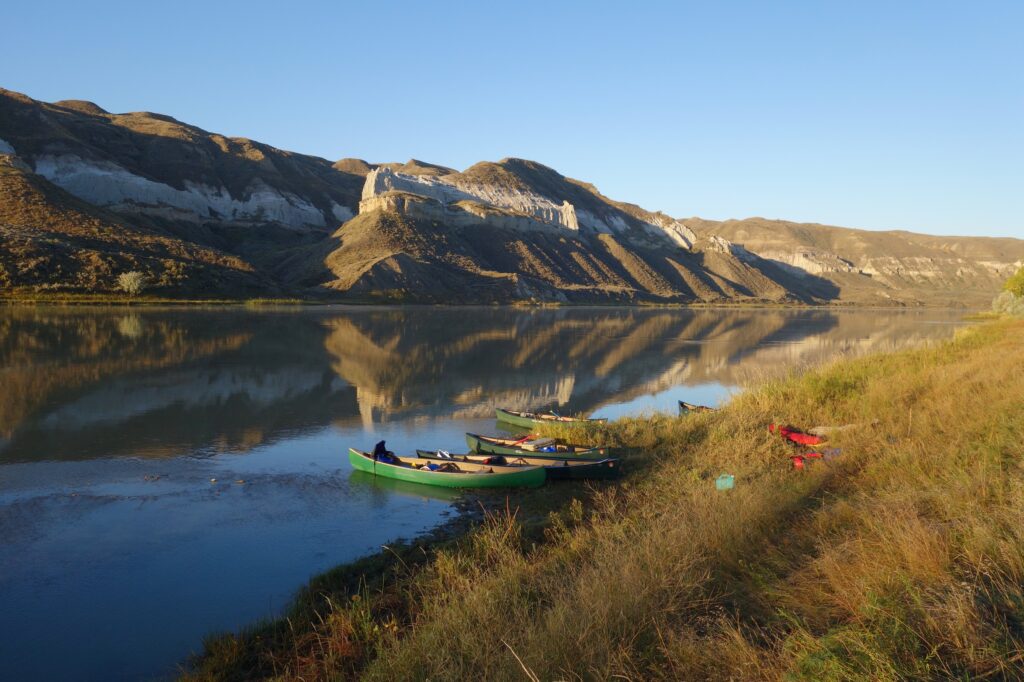
The story of the Missouri River is, in many ways, the story of the American West. Long before European expansion, the river sustained a complex network of civilizations. Today, twenty-nine Tribal Nations hold recognized cultural, economic, or water rights to the Missouri, viewing the river as a sacred relative that has provided sustenance, transportation, and spiritual grounding for millennia.
In the early 19th century, the "Corps of Discovery" expedition led by Lewis and Clark utilized the Missouri as a highway of exploration. The river served as the primary corridor for the young United States to push toward the Pacific, mapping a new horizon that would fundamentally change the trajectory of the nation. For those early pioneers, the river was a wild, unpredictable, and untamable force of nature.
The Pick-Sloan Era: A River Constrained
The modern identity of the Missouri was forged in the mid-20th century. Following the catastrophic flooding that plagued the region, the federal government enacted the Pick-Sloan Flood Control Act of 1944. This landmark legislation initiated a massive engineering undertaking: the construction of a series of colossal dams, reservoirs, and thousands of miles of levees designed to facilitate commercial navigation, stabilize flows for farm irrigation, and generate hydropower.
While proponents heralded Pick-Sloan as a triumph of American ingenuity, the long-term ecological cost was profound. The river was "tightly constricted," its natural meanders severed, and its historic connection to its floodplain largely severed. By "taming" the Big Muddy, the project inadvertently set in motion a decline in biodiversity and ecosystem function that conservationists are still battling today.
The Conservation Fight: Protecting Endangered Biodiversity
American Rivers identified the Missouri early on as a priority for conservation, recognizing that the river’s health was tethered to the survival of its unique species. The transformation of the river’s hydrology—specifically the loss of shallow water habitats and natural sandbars—pushed several iconic species to the brink of extinction.
Advocacy efforts were instrumental in securing the endangered species listing for the pallid sturgeon, the piping plover, and the interior least tern. This advocacy helped pave the way for the Congressional creation of the U.S. Army Corps of Engineers’ (USACE) Missouri River Recovery Program (MRRP). The MRRP was designed to balance the competing interests of flood control and navigation with the moral and legal obligation to restore the river’s ecological integrity.
Milestones and Challenges
The work of the MRRP has yielded mixed results, reflecting the difficulty of large-scale restoration in a highly developed basin:
- The Success of Recovery: A significant victory for conservationists was the successful recovery and subsequent de-listing of the interior least tern, proving that targeted habitat restoration can yield positive results for threatened species.
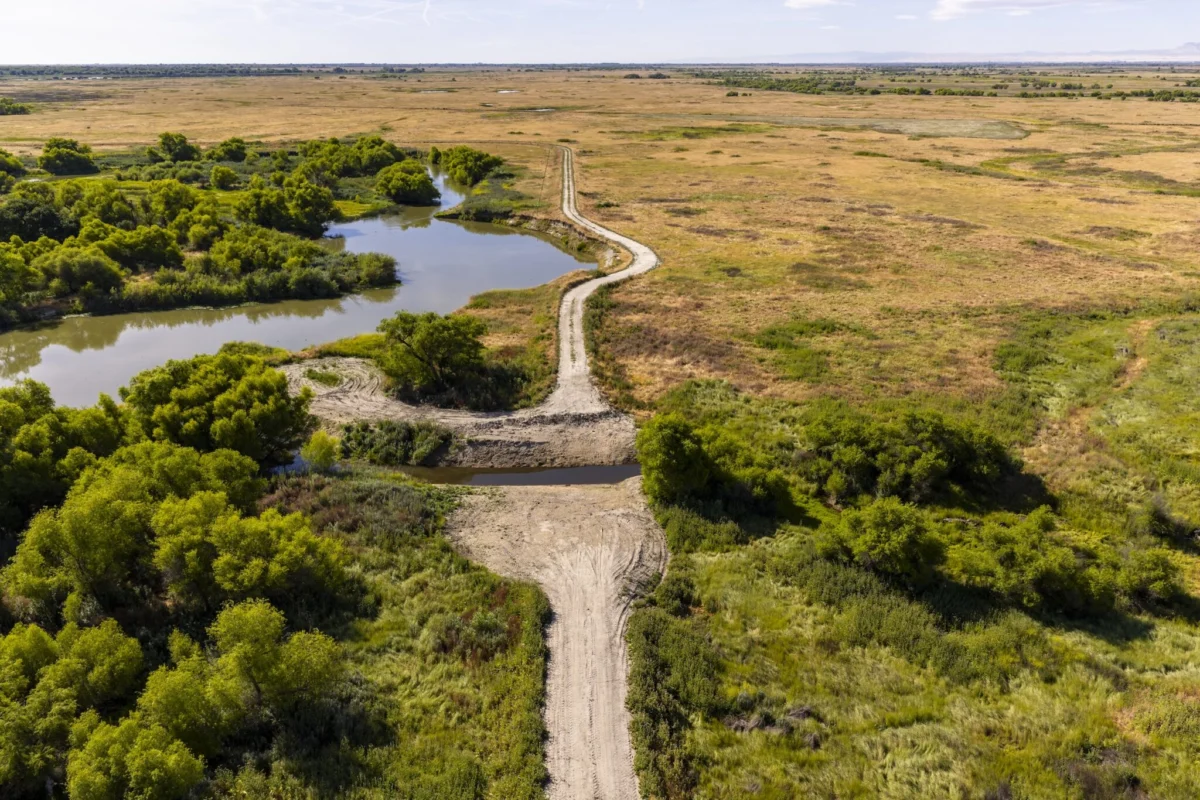
- The Infrastructure Gap: While levee-setbacks—a process of moving flood defenses back to allow the river to reconnect with its natural floodplain—have begun, progress is slow. Currently, the project is less than halfway toward its goal of acquiring and restoring 166,750 acres of floodplain under the Bank Stabilization and Navigation Project (BSNP).
Current Threats: A Landscape in Flux
In 2026, the threats facing the Missouri are more volatile than in decades past. The climate crisis has introduced a level of unpredictability that renders traditional management models obsolete. We are witnessing an increase in the frequency and severity of extreme weather events—oscillating between devastating, record-breaking floods and prolonged, crippling droughts.
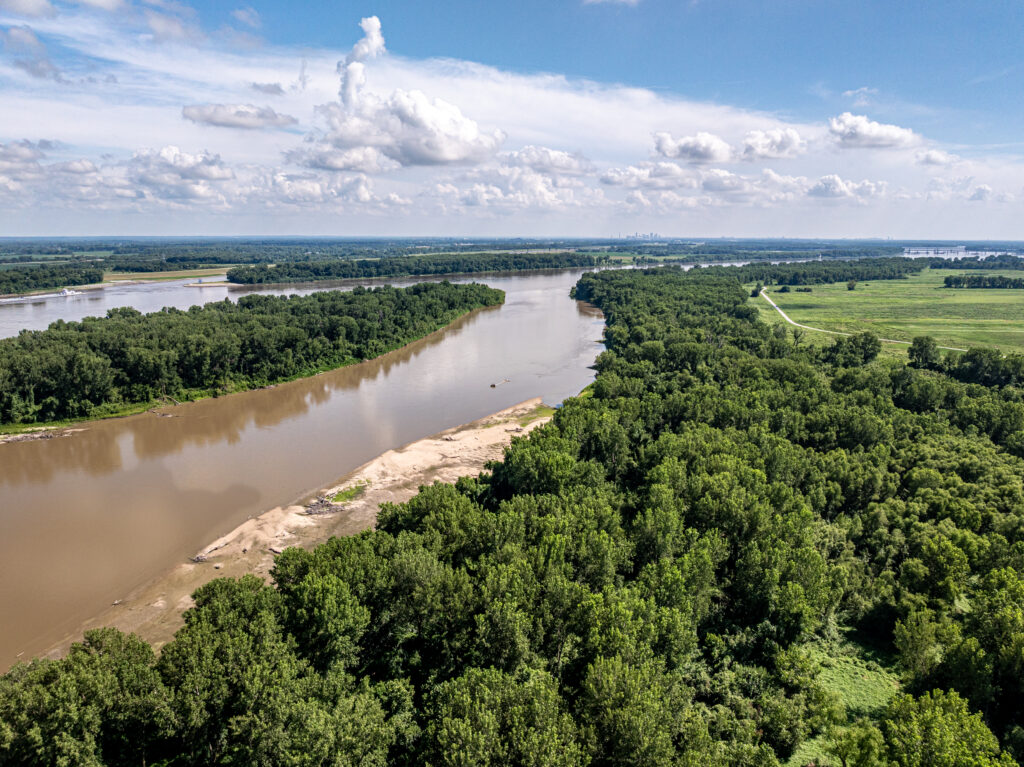
These erratic hydrological cycles pose a direct threat to:
- Source Water Protections: As the river becomes more stressed, the quality of water for millions of downstream users is increasingly at risk.
- Public Access: Recreational opportunities, which provide significant economic boosts to river communities, are being hindered by changing water levels and degraded riverbank health.
- Resilience: The loss of the natural floodplain acts as a buffer against climate-induced disasters. Without these "sponges," the human-built infrastructure remains highly vulnerable to failure.
The Path Forward: Advocacy and Integration
To address these challenges, American Rivers has taken an active, leadership role as an official "Fish and Wildlife Stakeholder" to the Missouri River Recovery Implementation Committee (MRRIC). This position allows the organization to interface directly with the agencies responsible for the MRRP, serving as both an advocate for science-based policy and a partner in implementation.
The Strategic Vision
The objective moving forward is two-fold: accelerating the rate of floodplain acquisition and fostering inter-sectoral cooperation.
- Congressional Funding: Ensuring that the BSNP receives the necessary federal appropriations is the primary legislative goal. Without consistent, long-term funding, restoration projects often stall.
- Policy Synergy: By utilizing programs such as the U.S. Farm Bill, American Rivers is working to incentivize private landowners to participate in conservation, creating a mosaic of protected lands that mirror the river’s historical reach.
- Community Engagement: Conservation is not just about biology; it is about people. By reconnecting the river to the floodplain, these areas can eventually be transitioned into public spaces, fostering a renewed relationship between communities and their waterway.
Implications for the Future
The implications of failure are clear: a degraded river system that is less resilient to the climate realities of the future, a loss of heritage for the Tribal Nations who steward these lands, and a significant economic decline for the agriculture and recreation sectors.
However, the path to success is equally well-defined. By prioritizing the reconnection of the Missouri to its floodplain, we are essentially "future-proofing" the basin. Restored floodplains absorb excess water during flood events, filter pollutants to protect drinking water, and provide the essential habitat required for the pallid sturgeon and other native species to thrive.
Conclusion: A Legacy Worth Protecting
The Missouri River is more than an industrial artery or a series of reservoirs. It is a living, breathing entity that has served as the backbone of the American interior. As we navigate the complexities of the 21st century, the stewardship of the "Big Muddy" must shift from a model of total control to one of coexistence and restoration.
We are currently working across all sectors—engaging government agencies, private landowners, non-profits, and local businesses—to identify and implement solutions that prioritize both river health and human safety. The journey to restore 167,000 acres of floodplain is an ambitious goal, but it is an essential one. A storied river that has provided so much for the expansion and development of the United States deserves a healthy, functioning, and vibrant future. The time to invest in that future is now.
To stay updated on the latest developments regarding the Missouri River and to learn how you can contribute to these vital conservation efforts, please sign up for updates via the American Rivers Central Region portal.