By Elina Juva
September 10, 2026
The crisp, cool air of early September in Sipoonkorpi National Park provided the perfect backdrop for a milestone event in the history of Suomen Luonto. On the first Saturday of the month, fifteen dedicated subscribers gathered at the Bakunkärr nature trail parking lot, marking the inaugural outing of the newly established Suomen Luonto Club.
What began as a simple excursion into the Finnish wilderness quickly evolved into an immersive masterclass on mycology, ecosystem stewardship, and the timeless art of foraging. Guided by biologist and professional wild-product expert Anna Nyman, participants embarked on a journey that bridged the gap between scientific curiosity and practical woodland survival.
The Science of the Forest Floor: A Curated Introduction
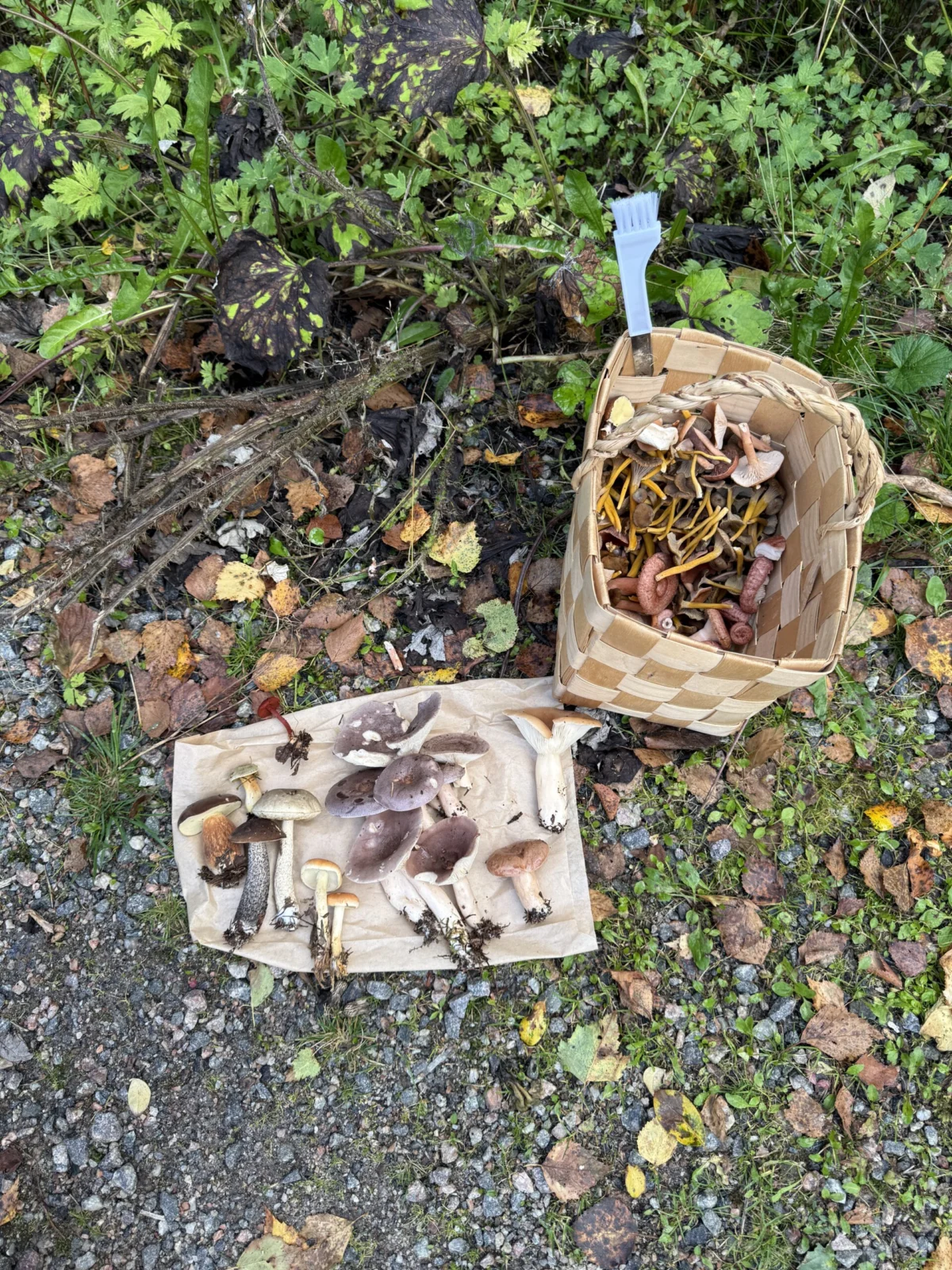
The group was a diverse assembly—ranging from wide-eyed novices who had never ventured off-trail to seasoned mushroom enthusiasts eager to refine their identification skills. Before the group even set foot into the deeper thickets, Nyman established a "pop-up museum" along the trail. By displaying a variety of specimens she had collected, she provided an immediate, hands-on learning environment.
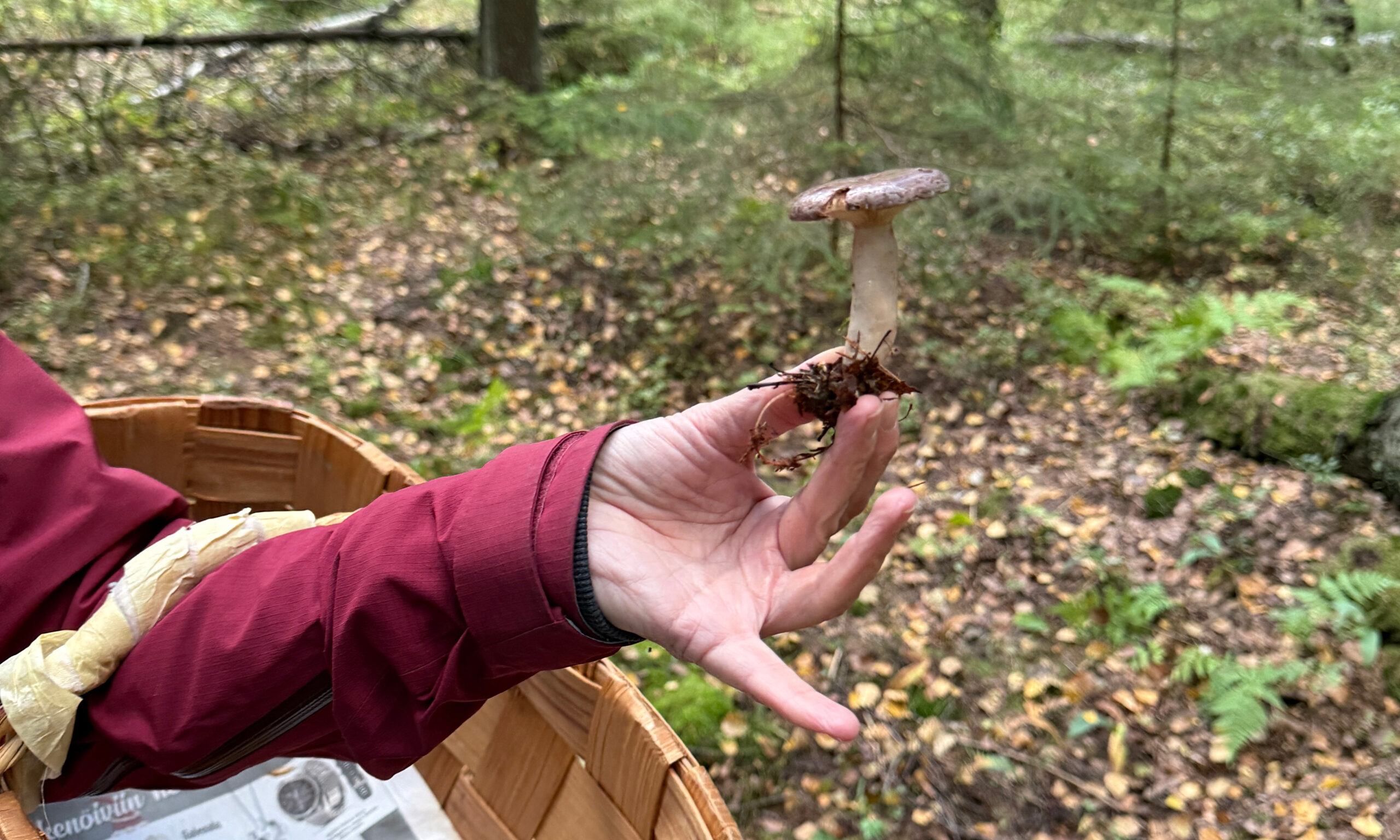
"The goal of today isn’t just to fill a basket," Nyman explained, as she gestured toward a cluster of russulas and milk caps. "It is to cultivate an eye for detail. The forest is not just a collection of trees; it is a complex biological network where every fungus plays a critical role."
The exhibition served as an essential primer. Participants were encouraged to touch, smell, and closely observe the morphological differences between various species. From the gills of the Lactarius genus to the distinct caps of the Cantharellus family, the tactile experience was crucial. Nyman meticulously pointed out the differences between edible delicacies and their dangerous look-alikes—a lesson that formed the backbone of the afternoon’s safety protocol.
Chronology: A Day of Discovery in Sipoonkorpi
The expedition followed a structured flow, designed to maximize both learning and foraging efficiency:
- 13:00 – Orientation and Identification: The event commenced at the trailhead, where the pop-up exhibition provided the baseline knowledge needed for the day. Participants learned to identify key markers, such as stem texture, spore prints, and habitat preferences.
- 14:00 – The Foraging Sweep: The group moved into the forest, spending nearly two hours scouring the area between the nature trail and the nearby road. The atmosphere shifted from an academic lecture to an exhilarating "treasure hunt."
- 15:30 – Collaborative Analysis: Throughout the walk, participants constantly checked in with Nyman. The question, "Is this edible, or is it a look-alike?" became a recurring refrain, allowing for real-time identification training.
- 16:30 – The Harvest Review: The final segment of the afternoon involved a thorough vetting process at the parking lot. Nyman inspected every basket, ensuring that no misidentified species made it into the final haul.
Supporting Data: Understanding Fungal Biodiversity
The diversity of the findings was a testament to the health of the Sipoonkorpi ecosystem. While the primary goal was to locate edible species, the group encountered a wide spectrum of fungi, including several non-edible varieties that are nonetheless essential to the forest floor’s health.

Edible Species Identified:
- Funnel Chanterelles (Craterellus tubaeformis): A favorite among the participants for their delicate flavor and abundance in the mossy ground.
- Chicory Milk Caps (Lactarius camphoratus): Highly sought after for their aromatic properties.
- Brown Roll-rims (Paxillus involutus): While historically eaten in some regions, they are now classified as potentially dangerous due to the cumulative toxins they contain. Nyman used these to illustrate the importance of staying updated on modern mycological research.
- Hairy Milk Caps (Lactarius torminosus): A challenging find that required careful preparation (boiling) to ensure safety.
The Dangers of Misidentification
The most sobering moment of the day came when a participant presented a lethal specimen: the Destroying Angel (Amanita virosa). Its pristine white appearance belies its toxicity. Nyman used this as a teaching moment, emphasizing that "when in doubt, leave it out." This incident highlighted the necessity of the "100% identification" rule—a mantra that all successful foragers must adhere to.
Expert Perspectives and Safety Protocols
Anna Nyman, whose career as a professional foraging expert spans over a decade, emphasized that the shift in public interest toward foraging is a double-edged sword. While it encourages people to spend more time in nature, it also requires a higher standard of education.
"The rise of mushroom apps and digital identification tools is a wonderful development," Nyman noted, "but they should never replace physical, expert-led training. An app might misinterpret a shadow or a slight variation in color. Human intuition, paired with biological knowledge, is still the gold standard for safety."
The "Harvest Review" at the end of the day underscored this. Every basket was emptied and scrutinized. Pieces that were deemed unfit for consumption—or were simply too old—were returned to the forest, serving as a reminder of the "leave no trace" ethos. Edible specimens were sorted by preparation method, with specific guidance given on which species required boiling to neutralize bitter compounds.

Implications: The Growing Movement of Urban Foraging
The success of the Suomen Luonto Club’s first event reflects a broader societal shift in Finland. As urban populations become increasingly disconnected from their food sources, there is a renewed urgency to learn the skills of the forest. This is not merely about food security; it is about psychological well-being and the restoration of a relationship with the natural environment.
Environmental Stewardship
Foraging, when practiced correctly, is a sustainable activity. It encourages the preservation of forests, as foragers become vocal advocates for the protection of their favorite hunting grounds. By participating in this expedition, the fifteen subscribers did more than just learn how to identify mushrooms; they became part of a community dedicated to the preservation of Finnish biodiversity.
The Role of Media in Nature Education
For media organizations like Suomen Luonto, these events serve a vital purpose. They transform static, print-based information into an interactive experience. By providing a platform for experts like Nyman to interact directly with readers, the magazine bridges the gap between journalism and community activism.
Moving Forward: The Future of the Suomen Luonto Club
As the sun began to set on the Sipoonkorpi forest, the enthusiasm among the participants was palpable. For many, the day was the beginning of a new hobby. One participant, who had previously limited their foraging to common chanterelles, left with a newfound appreciation for the complex world of milk caps and the confidence to experiment with new recipes, such as the suggested milk-cap dip.

"I came here expecting to learn a few names," one participant remarked. "I’m leaving with a new perspective on how to read the forest. It feels less like a wilderness and more like a pantry, provided you have the key."
For those who missed the inaugural event, the Suomen Luonto editorial team has promised to continue these excursions. Furthermore, the organization has made an extensive library of resources available, including the "Sieniekstra" (Mushroom Extra) digital guide, which serves as a comprehensive companion for anyone looking to deepen their mycological knowledge.
The event concluded with a reminder from Nyman: "The forest changes every day. What you learn today is just the beginning. The next time you go out, look not just for the mushroom, but for the soil, the trees, and the micro-climate that allowed it to grow. That is how you truly become a forager."
As the participants headed home, armed with their baskets and a new set of skills, the success of the inaugural Suomen Luonto Club event solidified a clear message: the connection between the Finnish people and their forests is as strong as ever, and it is a bond that, with the right guidance, continues to grow.
Are you interested in joining the next expedition? Subscribers to Suomen Luonto receive exclusive access to all Club events, as well as full digital access to the magazine’s archives and the extensive Sienet-digiekstra. Join the community of nature lovers today and help support professional, expert-led environmental journalism.