In a landmark move designed to reshape the energy landscape of Central India, the Asian Development Bank (ADB) has formally entered into an agreement with the Government of Madhya Pradesh. The partnership, centered on the provision of Transaction Advisory Services (TAS), aims to fast-track the development of three major renewable energy projects. By leveraging public-private partnerships (PPPs), the initiative is expected to catalyze up to $1 billion (approximately Rs17.64 billion) in private sector capital, positioning Madhya Pradesh as a cornerstone of India’s national transition to clean energy.
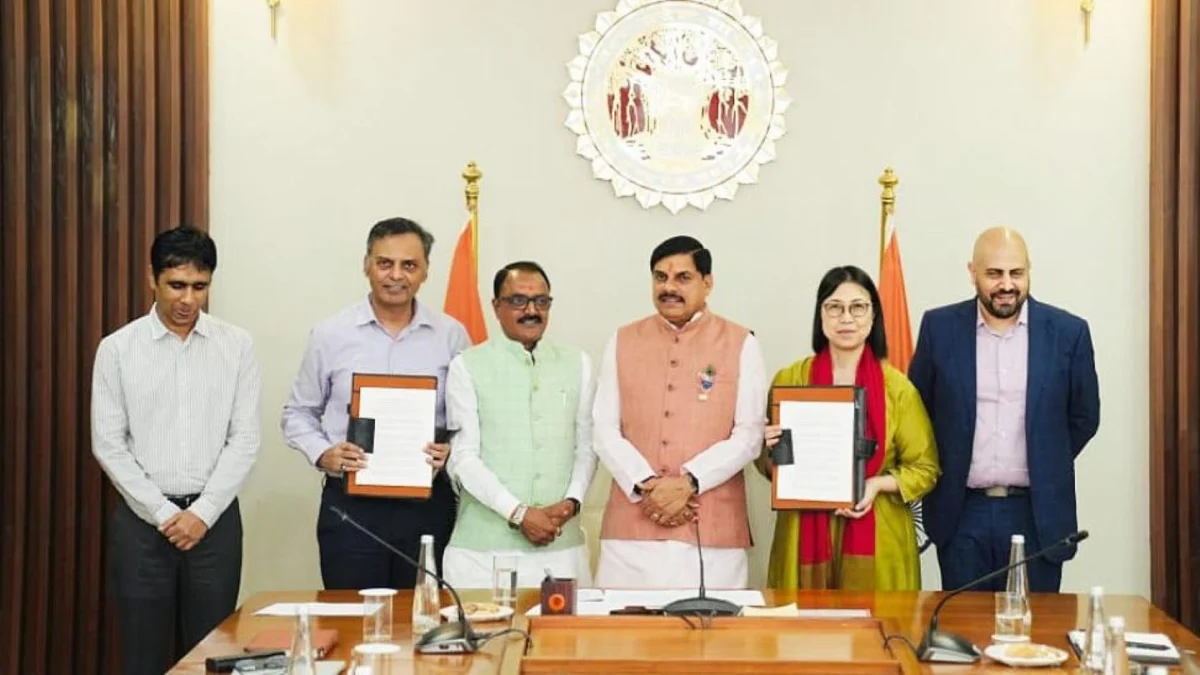
The official signing ceremony, held in the state capital of Bhopal, was attended by key dignitaries, including ADB India Country Director Mio Oka and Madhya Pradesh Chief Minister Mohan Yadav. This collaboration marks a significant evolution in the state’s industrial strategy, shifting from traditional state-led procurement to a sophisticated, market-driven approach to infrastructure development.
Main Facts: The Scope of the Agreement
The core of this agreement lies in the ADB’s expertise in structuring, preparing, and procuring complex infrastructure projects. Under the terms of the deal, the ADB will serve as the primary transaction advisor for three specific renewable energy initiatives.
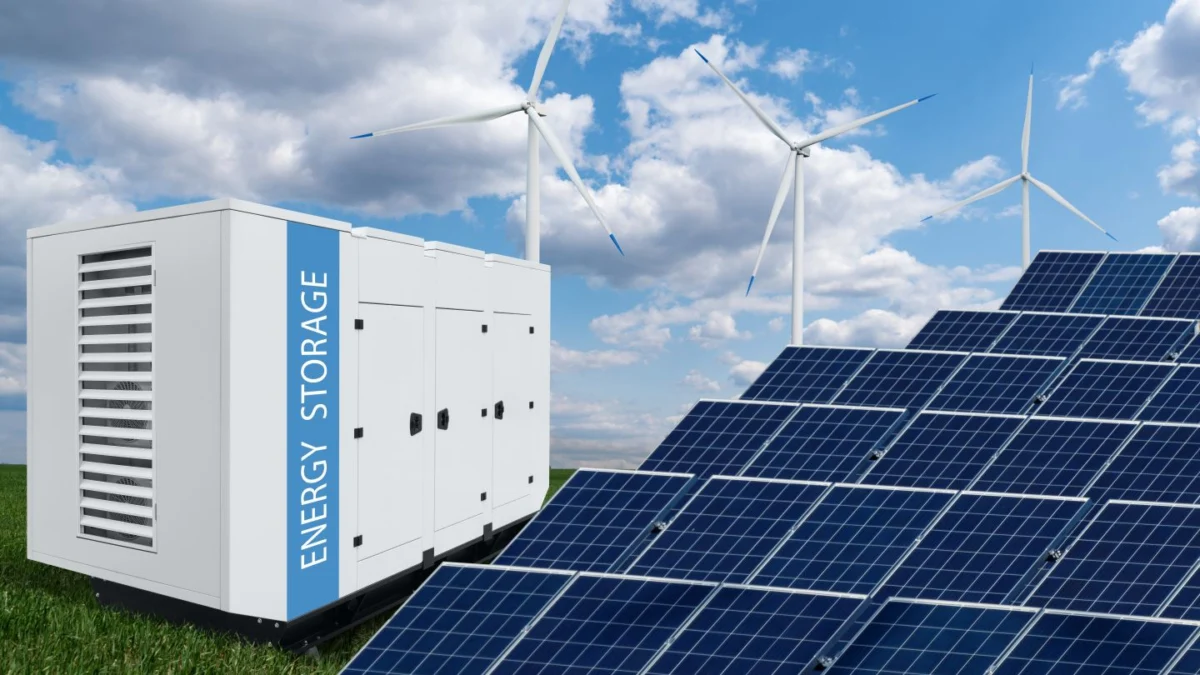
The most prominent of these is a large-scale solar power generation and battery energy storage system (BESS) located in Shajapur. This project is specifically designed to address one of the most persistent challenges in the renewable energy sector: intermittency. By integrating advanced storage technology, the Shajapur facility will allow for the dispatch of electricity during peak demand hours, thereby stabilizing the grid and ensuring a consistent power supply even when solar irradiance is low or absent.
The initiative is not merely about capacity addition; it is about "bankability." By providing high-level technical and financial advisory services, the ADB aims to lower the risk profile of these projects, making them attractive to global institutional investors and private equity firms.
Chronology of Collaboration: A 25-Year Partnership
The relationship between the Asian Development Bank and the State of Madhya Pradesh is not a new development but rather the culmination of over two and a half decades of strategic cooperation.
- 1999–2010: Foundational Support: The ADB initially engaged with the state to support basic infrastructure, including road connectivity and urban water supply, setting the stage for more complex industrial projects.
- 2015–2020: The Energy Pivot: As the global conversation shifted toward climate change, the ADB began pivoting its support toward the energy sector, helping Madhya Pradesh modernize its distribution networks and reduce aggregate technical and commercial (AT&C) losses.
- 2025: Policy Alignment: The state government enacted the "Renewable Energy Policy 2025," providing a robust regulatory framework that prioritizes storage capacity and grid modernization.
- September 2026: The TAS Agreement: The formal signing of the Transaction Advisory Services agreement marks the current milestone, signaling the shift from general assistance to specialized, high-impact private investment mobilization.
This long-term history is critical, as it has built the institutional trust necessary to handle the complexities of multi-million dollar PPP contracts.
Supporting Data: Targets and Economic Rationale
Madhya Pradesh’s ambitions are clearly defined within its 2025 policy framework. The state is currently targeting a massive expansion of its renewable energy portfolio, with the ultimate goal of sourcing 50% of its total electricity demand from renewable sources by 2030.
The Economic Case
The $1 billion projected investment is expected to have a multiplier effect on the state’s economy. Beyond the direct construction of solar farms and BESS facilities, the influx of capital is projected to:
- Reduce Grid Costs: By stabilizing the supply during peak hours, the state expects to reduce the necessity for expensive, short-term power purchases from spot markets.
- Job Creation: The construction and maintenance phases of these three projects are estimated to generate thousands of direct and indirect jobs, from engineering and technical roles to logistics and facility management.
- Industrial Competitiveness: Reliable, green energy is increasingly a prerequisite for large-scale manufacturing. As global corporations seek to lower their Scope 2 emissions, Madhya Pradesh’s commitment to green energy makes it a prime destination for sustainable industrial investment.
Official Responses and Strategic Vision
During the signing ceremony, ADB India Country Director Mio Oka emphasized the structural necessity of the partnership. "Public resources alone cannot meet India’s growing energy needs," Oka stated. "Private capital exists, but markets need to be made investable. By helping Madhya Pradesh to structure bankable PPP projects, ADB is helping to crowd in private investment, demonstrate what works, and create scalable models for clean energy infrastructure across the state."
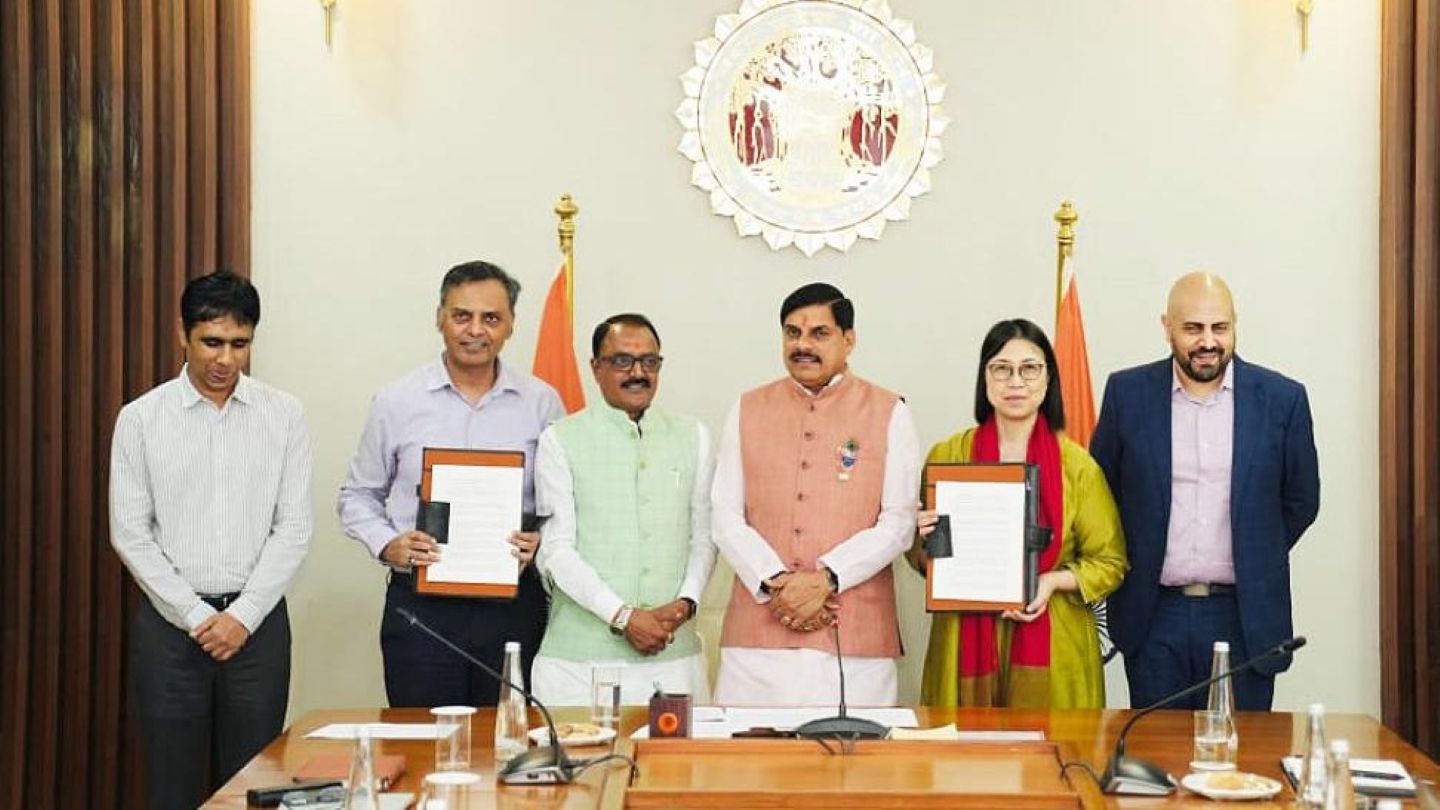
Chief Minister Mohan Yadav echoed these sentiments, highlighting the state’s role as an "energy hub" for India. The government’s commitment to the 2025 policy reflects a recognition that the future of state revenue and industrial growth is inextricably linked to the decarbonization of the power grid.
The ADB’s role in this endeavor is multifaceted. They are not simply consultants; they are risk mitigators. By drawing on their experience in the Asia-Pacific region, they provide a "gold standard" for project procurement that gives international financiers the confidence to commit long-term capital to regional projects.
Implications for the Indian Energy Market
The agreement between the ADB and Madhya Pradesh carries broader implications for the Indian power sector.
1. Scaling Battery Energy Storage Systems (BESS)
The inclusion of the Shajapur BESS project is a bellwether for the rest of the country. Historically, solar projects in India were developed without significant storage, leading to issues with grid instability. By proving that large-scale storage can be integrated into a PPP framework, Madhya Pradesh is creating a blueprint that other states—such as Rajasthan, Gujarat, and Tamil Nadu—are likely to follow.
2. De-risking the PPP Model
Public-Private Partnerships in India have faced challenges in the past due to regulatory uncertainty and payment delays. The ADB’s involvement acts as a "seal of approval." When a multilateral development bank like the ADB oversees the structuring of a contract, it provides a layer of oversight and governance that significantly reduces the perceived risk for private investors.
3. Alignment with Global Initiatives
This project sits within the broader context of the ADB’s $70 billion initiative announced in May 2026, which aims to strengthen energy and digital infrastructure across the Asia-Pacific region by 2035. Madhya Pradesh is now effectively positioned as a pilot region for this massive regional strategy.
Challenges and Future Outlook
While the potential for growth is immense, the road ahead is not without obstacles. The successful implementation of these projects will depend on:
- Regulatory Consistency: Ensuring that the 2025 policy remains stable despite potential shifts in political or economic environments.
- Supply Chain Resilience: The cost of battery storage components, often sourced from international markets, remains sensitive to global supply chain volatility.
- Grid Integration: Scaling up renewable energy requires massive upgrades to the transmission and distribution (T&D) infrastructure. The ADB’s advisory services will likely need to extend to these technical areas as the project progresses.
As the state moves into the procurement phase, the eyes of the global renewable energy industry will be on Madhya Pradesh. If this $1 billion initiative succeeds, it will not only meet the state’s 2030 targets but will also provide a replicable, high-impact model for how developing economies can leverage private capital to drive the global energy transition.
The synergy between the ADB’s global technical expertise and Madhya Pradesh’s localized policy framework offers a promising glimpse into the future of sustainable development—a future where clean energy is not just an environmental aspiration, but an economic imperative.