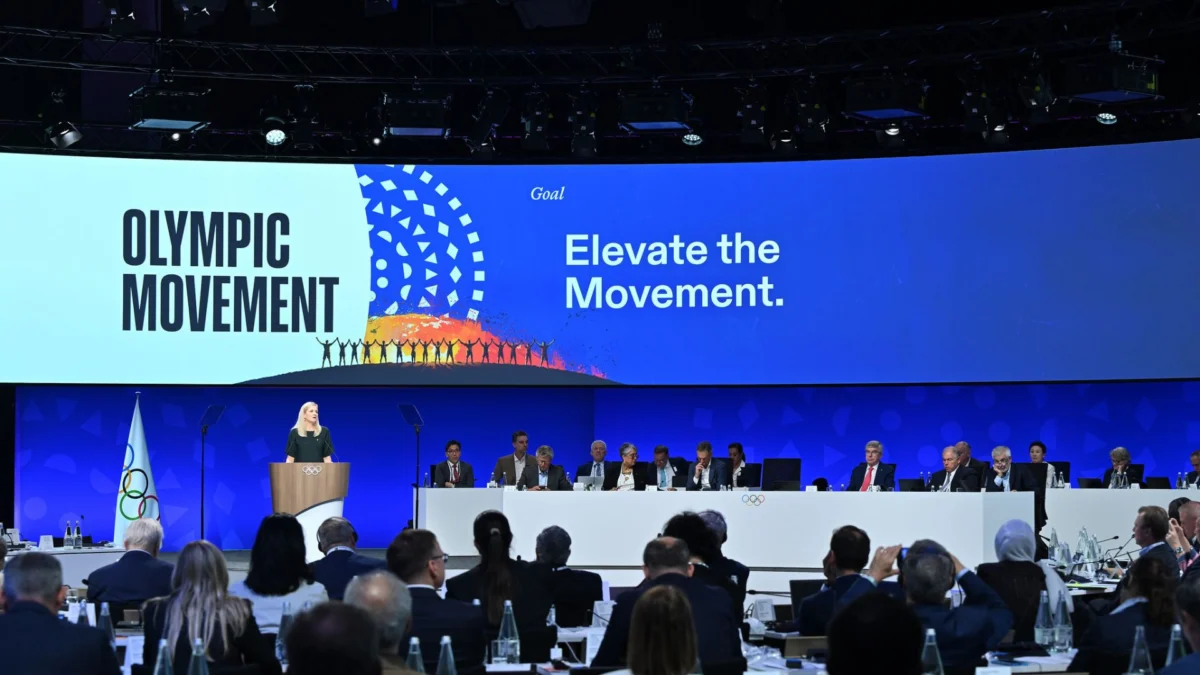
LAUSANNE, SWITZERLAND – The International Olympic Committee (IOC) has set the stage for a transformative era in global sport. On June 24, 2026, the 146th IOC Session convened in Lausanne to deliberate on the future of the Olympic movement, culminating in the formal introduction of the "Fit for the Future" (F4F) strategic framework. Led by IOC President Kirsty Coventry, the two-day summit marks a significant departure from traditional governance models, prioritizing transparency, athlete-centric funding, and a rigorous modernization of the Olympic sports program.
The Core Mandate: What is "Fit for the Future"?
The "Fit for the Future" program is not merely a policy update; it is a comprehensive structural overhaul designed to ensure the relevance and sustainability of the Olympic Games in an increasingly fragmented digital and global sports landscape. As the world faces shifting geopolitical climates and changing consumption habits among younger generations, the IOC has sought to redefine its role from a high-level organizing body to a proactive facilitator of athlete welfare and global sports development.
The F4F initiative centers on three fundamental pillars:
- Athlete Empowerment: Moving beyond medals to ensure financial stability and mental health support for participants.
- Structural Transparency: Opening the decision-making processes regarding event selection and host city requirements.
- Modernization of the Sports Program: Balancing the heritage of traditional Olympic disciplines with the dynamic growth of new, youth-oriented sports.
A Chronology of the 146th IOC Session
The events in Lausanne unfolded over 48 hours of intense deliberation.
June 24, 2026 – The Vision Unveiled:
The morning session opened with a keynote address by IOC President Kirsty Coventry. Emphasizing the need for agility, Coventry outlined how the Olympic movement must adapt to survive the next quarter-century. The afternoon was dedicated to panel discussions featuring athletes, federation representatives, and marketing experts. The day concluded with the formal adoption of the F4F framework by the IOC members.
June 25, 2026 – Implementation and Feedback:
The second day focused on the technical execution of the F4F directives. Sessions were held regarding the distribution of the $10,000 USD Solidarity grants and the long-term impact on the Olympic sports program. Observers noted a shift in tone toward a more consultative approach, acknowledging that while the IOC holds the final authority, the success of these programs depends on the cooperation of National Olympic Committees (NOCs) and International Federations.
Supporting Data: The Economic Impact on Athletes
One of the most concrete takeaways from the Lausanne session is the financial restructuring of the Olympic Solidarity fund. Under the F4F banner, the IOC has pledged a significant financial boost to individual competitors.
The "Solidarity Support Package" will now provide a guaranteed $10,000 USD grant to every athlete qualifying for the Olympic Games. This move is designed to level the playing field, ensuring that athletes from smaller or less-funded nations have the resources necessary for travel, specialized coaching, and equipment.
- Financial Scope: The total projected investment for this cycle exceeds previous Olympic Solidarity funding models by approximately 22%.
- Purpose: The grant is strictly earmarked for "athlete support," including medical insurance, travel to qualifiers, and high-performance training camps.
- Governance: The distribution will be monitored by the IOC’s finance committee to ensure that funds reach the athletes directly rather than being absorbed by administrative overheads.
The View from Helsinki: Riku Tapio’s Assessment
While the Finnish Olympic Committee (FOC) is not a voting member of the IOC, it maintains an influential role as a representative of the Nordic sports model. Riku Tapio, CEO of the Finnish Olympic Committee, attended the proceedings and provided a cautiously optimistic assessment of the developments.
"The Finnish perspective has been consistent throughout this process," Tapio stated during an interview on the sidelines of the Session. "We have pushed for two things: transparency in decision-making and a genuine voice for National Olympic Committees. While we do not hold a vote within the IOC, our participation in the consultative stages of the F4F process shows that the movement is beginning to value the input of smaller, yet highly active, sports nations."
Tapio lauded the focus on athlete welfare but noted that challenges remain regarding the composition of the sports program. "The financial support—the $10,000 grant—is a fantastic development. It provides tangible help where it is needed most. However, we remain focused on the sports program itself. We are still waiting for clarity on the 2030 French Alps Games, and our stance remains that a delicate balance must be struck between the traditional heritage sports that form the foundation of the Games and the emerging sports that capture the attention of the next generation."
Implications for the Global Sports Landscape
The F4F initiative signals a broader shift in how the IOC intends to handle the "Olympic Program" (the list of sports included in each Games). Historically, the process has been criticized for being opaque, with little insight into why certain sports are included or dropped.
Transparency as a Governance Tool
Under the new guidelines, the IOC has committed to a biennial review of the sports program, featuring public consultations. This is a direct response to criticism from national federations and sports fans who have felt alienated by sudden shifts in Olympic offerings. By codifying the selection criteria, the IOC aims to reduce political lobbying and increase data-driven decision-making.
The Balancing Act: Tradition vs. Innovation
The tension between traditional sports and new entries remains the most debated aspect of the F4F. With the 2030 French Alps Games on the horizon, the IOC is under pressure to finalize a schedule that satisfies both the traditionalists, who view the "Core Sports" as non-negotiable, and the broadcasters, who are demanding high-adrenaline, media-friendly events.
The "Fit for the Future" program suggests a "Hybrid Model." In this model, core sports are protected, but "Host-Driven Disciplines" are given more leeway. This allows host nations to showcase local cultural sports while maintaining the prestige of the core Olympic program.
Conclusion: A New Chapter for the IOC
As the 146th Session concludes in Lausanne, the legacy of the meeting is clear: the Olympic movement is attempting to modernize without losing its soul. By decentralizing some of its focus and placing more financial power directly into the hands of athletes, the IOC is signaling that it understands the criticisms of the past.
However, the true test of "Fit for the Future" will be in its execution. As Riku Tapio noted, the promise of transparency is only as good as the processes that follow. For now, the sporting world looks toward the 2030 cycle with renewed interest, hoping that these structural changes will indeed ensure that the Olympic flame burns as brightly for the next generation as it has for the last.
Summary of Key Developments (F4F Program)
- Athlete Welfare: Mandatory $10,000 USD grant per qualified athlete.
- Governance: Increased consultation with National Olympic Committees (NOCs).
- Transparency: New, public-facing criteria for the Olympic Sports Program.
- Strategic Focus: Balancing heritage sports with youth-centric event additions.
- Next Steps: Ongoing review of the French Alps 2030 program to be finalized by the end of Q4 2026.