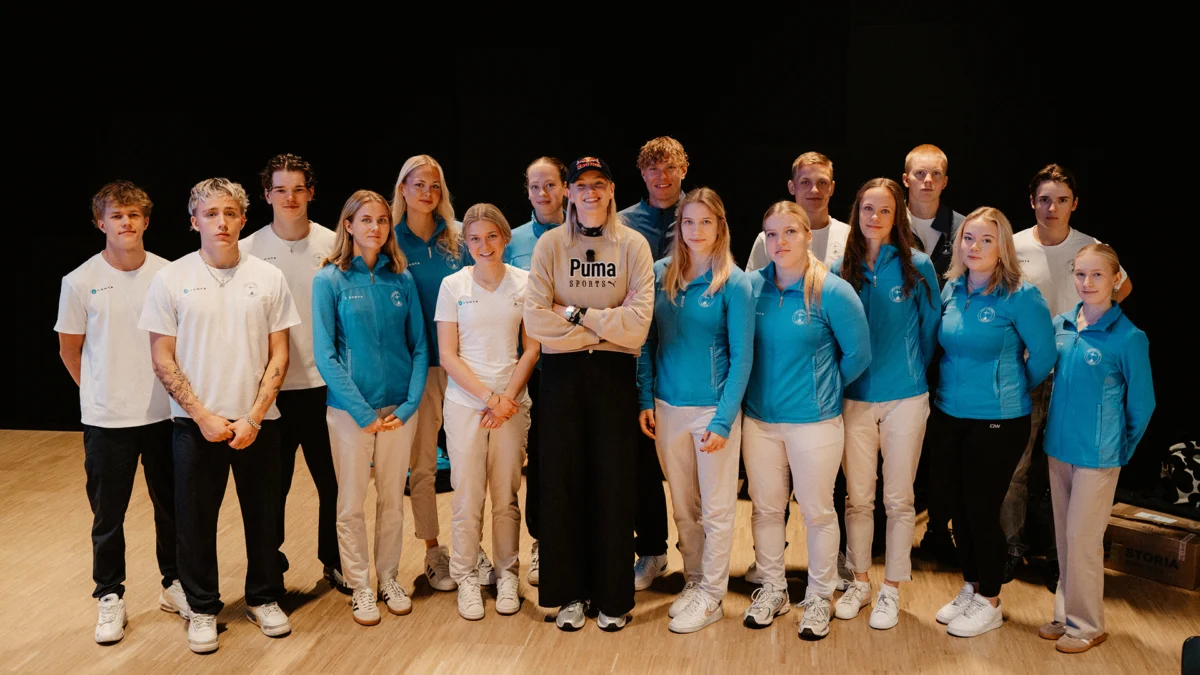
In the high-stakes world of elite sports, the bridge between promising junior talent and seasoned international podium contender is often narrow and treacherous. Recognizing this, the Finnish Olympic Committee has taken a proactive step to solidify this pathway. On Tuesday, the members of the "Next Generation Team Finland"—a cohort of 21 of the nation’s most gifted young athletes—convened for a pivotal team day, marking a significant milestone in their professional development.
The event, held in a collaborative environment, underscored the organization’s commitment to not only identifying raw talent but nurturing it through holistic support, expert guidance, and community building. Featuring insights from pole vault icon Wilma Murto, the day served as a blueprint for what the Finnish Olympic Committee hopes will become a factory for future medalists.
The Core Mission: Bridging the Gap to the Global Elite
The Next Generation Team Finland program, launched in the spring, is far more than a simple scholarship scheme. Designed for athletes aged 15 to 22, the program represents a strategic investment in the future of Finnish sports. The primary objective is to identify individuals with the highest "menestyspotentiaali" (success potential) and provide them with the infrastructure necessary to reach the absolute summit of their respective disciplines.
At its core, the program addresses the systemic challenges faced by young athletes transitioning into the senior ranks. By providing a structured environment, the committee aims to prevent the "burnout and dropout" cycle that frequently claims promising talent during the transition years. The initiative is a collaborative effort, integrated with national sports federations and the wider elite sports network, ensuring that the support provided is both relevant and sport-specific.
Chronology of the Development: From Vision to Execution
The Genesis (Spring 2024)
The initiative was born out of a realization that elite performance requires more than just physical training. Following a period of strategic planning, the Finnish Olympic Committee officially inaugurated the program to provide a safety net and a professional springboard for 21 selected individuals.
The Selection Process
Selection for the Next Generation team is rigorous. It involves data-driven analysis of performance trends, coaching evaluations, and a review of the athlete’s psychological resilience and long-term commitment. The first intake of 21 athletes represents a diverse cross-section of Finnish sports, covering both individual and team-oriented disciplines.
The Team Day (September 2026)
The most recent gathering served as a physical manifestation of the program’s goals. The day was structured into three pillars: professional skills workshops, networking opportunities for coaches, and inspirational mentorship.
- Morning Session: Focus on marketing communications and personal branding—areas where many young athletes struggle to find their voice.
- Afternoon Session: A keynote session with Wilma Murto, where the pole vault star offered a candid look at the realities of the professional circuit.
- Evening Session: Peer-to-peer networking among coaches to share best practices in youth talent development.
Supporting Data: An Investment in Excellence
The financial and logistical backing provided by the program is substantial. Each of the 21 athletes receives a personalized support package valued at over €10,000. This is not merely a cash injection; it is a holistic resource pool designed to remove the "friction" of professional sports.
Breakdown of the €10,000+ Support Package:
- Financial Stipends: To offset the rising costs of international travel, equipment, and competition fees.
- Specialized Expert Services: Access to world-class sports psychologists, nutritionists, and biomechanical analysts.
- Product Partnerships: Direct support in gear and technology, ensuring athletes are not disadvantaged by inferior equipment.
- Education and Media Training: Workshops on navigating the media landscape, managing personal brand identity, and long-term career planning.
This investment is calculated to bridge the gap between "promising amateur" and "fully-funded professional," allowing the athletes to focus 100% of their energy on training and recovery.
Mentorship: Lessons from the Top
One of the most anticipated segments of the team day was the appearance of Wilma Murto. As a multi-medal winner in international championships, Murto’s journey from a young prospect to a household name provided a tangible roadmap for the attendees.
Murto emphasized that while talent is the entry ticket, "persistence and the ability to adapt to adversity" are the currencies of the elite. She spoke extensively about the psychological toll of expectation and the importance of maintaining one’s own identity outside of the sport. Her presence served as a reminder that the Next Generation program is not just about building athletes, but about building well-rounded individuals capable of managing the intense pressure of the Olympic stage.
Official Perspectives: The Institutional Vision
The Finnish Olympic Committee views this program as a cornerstone of its long-term strategy to revitalize Finland’s standing in the international medal tables. By concentrating resources on a select group of high-potential individuals, they are moving away from a "scattergun" approach to a "precision" model.
"The point of the Next Generation team days is clear," stated a spokesperson for the Committee. "We are creating a meeting place for young athletes in similar situations. They are often isolated in their pursuit of excellence. By bringing them together, we allow them to share the burden and the joy of their journeys. Furthermore, by including their coaches in the networking sessions, we ensure that the entire support system is leveling up in tandem."
The emphasis on coaching is particularly noteworthy. The committee recognizes that a talented athlete is only as good as the guidance they receive. By fostering a network of coaches, the program creates a knowledge-sharing ecosystem that benefits the entire national sports culture.
Implications: The Future of Finnish Sports
The launch and continued development of the Next Generation Team Finland have broad implications for the national sports landscape:
1. Standardization of Support
By setting a benchmark of €10,000+ in support, the program establishes a baseline for what a "professional" junior athlete in Finland should receive. This creates pressure on smaller federations to align their internal structures with these best practices.
2. Branding and Public Perception
The inclusion of media and personal branding training suggests that the Committee is preparing these athletes for the realities of the modern commercial landscape. Athletes are no longer just competitors; they are public figures. Preparing them to handle this responsibility early prevents potential pitfalls in the future.
3. A Long-Term Success Metric
The true measure of this program will not be seen today, but at the Olympic Games in 2028 and 2032. If the program succeeds, it will demonstrate that a systemic, highly-supported pathway is the most efficient way to convert raw potential into podium finishes.
4. Psychological Resilience
By fostering a community, the program is tackling the issue of mental health in elite sports. Knowing that there is a peer group to lean on—and an organization that values their personal growth alongside their physical output—is likely to increase the longevity of these athletes’ careers.
Conclusion: The Road Ahead
As the 21 athletes departed the team day, the atmosphere was one of renewed focus and collective purpose. The Next Generation Team Finland is not merely an auxiliary program; it is a statement of intent. In an era where the competition for every hundredth of a second and every centimeter is becoming increasingly fierce, the Finnish Olympic Committee is betting that the winning edge lies in community, expert support, and early professionalization.
For these young athletes, the path to the podium remains steep. However, with the backing of the Next Generation program and the wisdom shared by predecessors like Wilma Murto, they are better equipped than any generation before them to take the leap. The eyes of the nation will be on them as they transition from the "next" generation to the current one, carrying the hopes of a country that is clearly investing in its future.
Photography: Jesse Väänänen
For more information on the program, visit the Finnish Olympic Committee website.