Executive Summary: Strengthening the Grid
In a significant milestone for Australia’s shift toward a low-carbon economy, investment manager Quinbrook Infrastructure Partners and global battery giant CATL have confirmed the successful advancement of the Supernode battery energy storage system (BESS). With the commencement of stage two commercial operations and the finalization of a A$469 million ($332.9 million) funding package for stage three, the project has solidified its position as a cornerstone of Queensland’s electricity infrastructure.
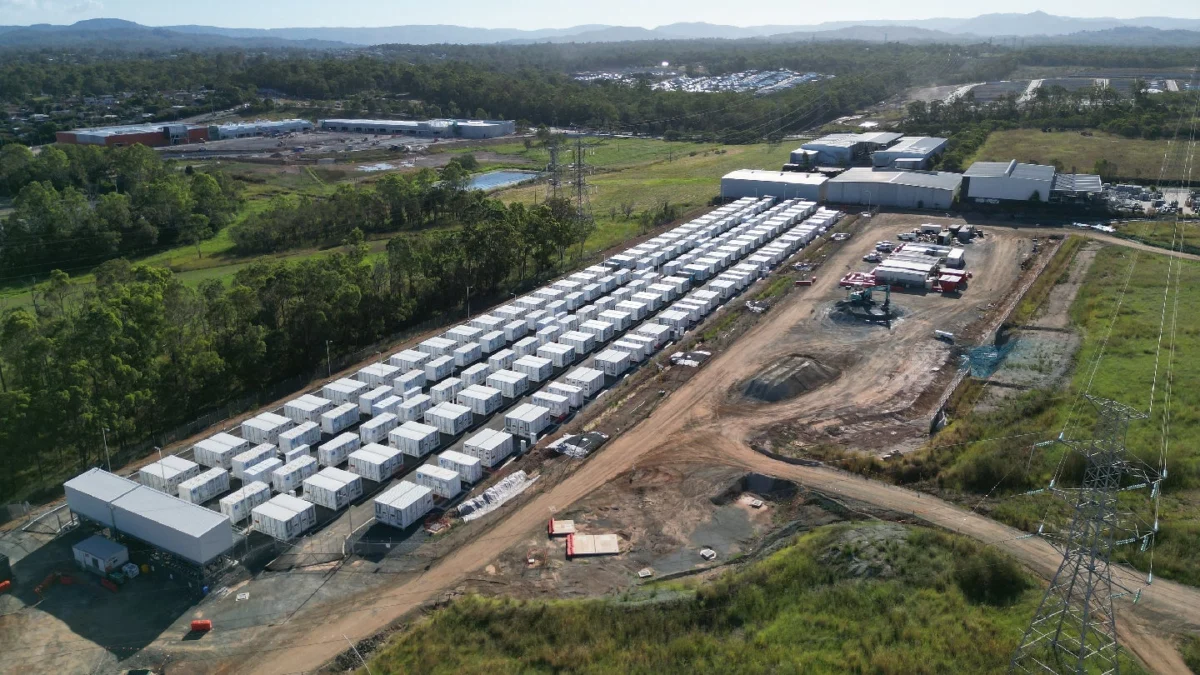
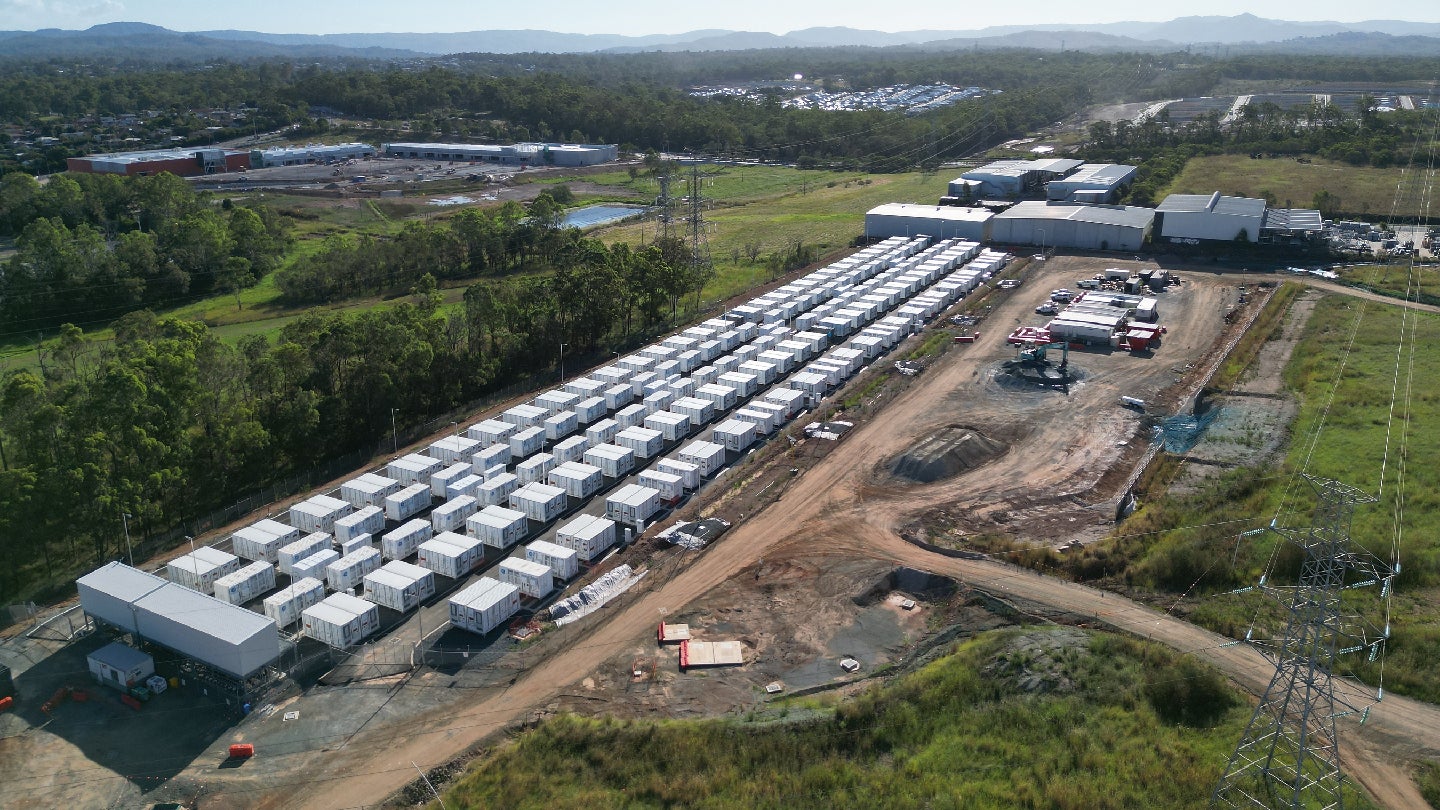
The Supernode BESS project is strategically situated adjacent to the South Pine substation—a vital nerve center within Queensland’s transmission network. This location is not merely convenient; it is a calculated engineering decision, offering approximately 4GW of available connection capacity. This robust infrastructure allows for significant, phased expansion, ensuring that the facility can evolve in lockstep with the state’s growing demand for grid stability and renewable energy integration.
Chronology: From Concept to Financial Milestone
The journey of the Supernode project is a testament to the accelerated pace of energy infrastructure development in Australia.
- Early Development Phase: Recognizing the unique opportunity presented by the South Pine substation, Quinbrook began conceptualizing Supernode as a multi-stage, utility-scale BESS facility designed to provide essential grid services.
- January 2025 – Securing the Foundation: Quinbrook announced a pivotal A$722 million financing deal to support the development of the project’s initial phases. This influx of capital provided the necessary runway to commence construction and procurement for stages one and two.
- Mid-2026 – Operational Success: The project reached a critical inflection point as stage two transitioned into commercial operations. This milestone demonstrated the operational capability of the team to commission complex, large-scale storage technology on schedule.
- Current Status – Stage Three Funding: With the recent A$469 million financial close for stage three, total project funding has climbed to approximately A$1.2 billion. This achievement underscores the confidence institutional investors have in both the technological architecture of the project and the long-term viability of Australia’s energy market.
Technical Architecture: Innovation in Storage
The Supernode facility is a showcase for state-of-the-art storage technology, with CATL providing the backbone of the project’s energy management.
The EnerC Plus and TENER S Systems
For the first two stages, the project utilizes CATL’s EnerC Plus solution. This system is designed for high-density environments, supporting a "back-to-back" installation configuration that reduces the site footprint by approximately 20% compared to earlier iterations. This space-saving design is critical, as it allows for maximum energy density on the industrial land adjacent to the South Pine substation.
For the upcoming stage three, the project will pivot to CATL’s advanced TENER S systems. This evolution reflects the rapid pace of R&D within the battery sector, where newer systems offer improved thermal management and longevity.
Thermal Management and Longevity
At the heart of the Supernode’s reliability is an integrated liquid-cooling mechanism. This technology is essential for maintaining the integrity of the lithium-ion cells. By keeping container temperature differentials within 5°C, the system effectively mitigates the risk of thermal degradation, enabling a targeted life cycle operation of up to 20 years.
Furthermore, CATL’s commitment to the project extends beyond hardware delivery. A comprehensive, long-term service agreement governs the site, providing 24/7 monitoring, specialized maintenance, and ongoing performance optimization. This "cradle-to-grave" service model ensures that the project remains a high-performing asset throughout its intended lifespan.
Supporting Data: By the Numbers
The scale of the Supernode project is reflective of the massive capacity required to stabilize a grid undergoing a rapid transition from coal-fired generation to intermittent renewables.
- Total Investment: ~A$1.2 billion across three phases.
- Capacity Goal: Upon completion of all three phases, the BESS campus will reach a total capacity of 780MW / 3.07GWh.
- Land Utilization: Strategically positioned near the South Pine substation, providing a 4GW connection ceiling.
- Efficiency Gains: The transition to the EnerC Plus system resulted in a 20% reduction in physical site footprint.
- Operational Lifespan: Designed for a 20-year operational cycle, supported by active thermal liquid cooling.
Looking forward, the developers are exploring the deployment of the "EnerQB" solution—a specialized eight-hour battery storage product—for future expansion phases. This shift toward longer-duration storage signifies the next frontier in the Australian market: moving beyond short-term frequency response toward long-duration energy arbitrage.
Official Responses and Strategic Vision
The successful progression of Supernode has been met with significant optimism from project stakeholders.
Tim Hornemand, Managing Director and Regional Lead at Quinbrook Australia, emphasized the difficulty and the accomplishment of the recent milestones:
"Achieving commercial operations for Stage 2 means we have successfully delivered both Origin-contracted stages on schedule, an outcome we are incredibly proud of given the complexity of commissioning utility-scale battery storage projects in Australia."
Hornemand noted that the financial close for stage three is not just a funding success, but a vote of confidence in the broader sector. "The ongoing support of our banking partners reflects confidence in the Supernode project, our delivery track record, and the long-term outlook for battery storage in Australia," he stated.
The involvement of CATL, the world’s largest battery manufacturer, further validates the project’s technical rigor. By deploying the latest in lithium-ion technology, the partnership ensures that the Supernode facility remains at the cutting edge of global energy storage standards.
Implications: A New Era for the Australian Grid
The Supernode project serves as a microcosm of the challenges and opportunities facing the Australian National Electricity Market (NEM). As the country continues to retire aging thermal power plants, the need for "firming" capacity—technology that can store energy when solar and wind production are high and release it when demand spikes—becomes paramount.
Enhancing Grid Resilience
Supernode’s proximity to a major transmission hub means it can respond almost instantaneously to grid imbalances. In a landscape where weather-dependent renewables are increasingly the primary source of generation, this instantaneous response is the difference between a stable grid and a localized blackout.
Economic and Industrial Impact
The financial scale of the investment—A$1.2 billion—highlights the attractiveness of Australian renewable energy assets to international capital. This influx of investment stimulates local economies, creates specialized jobs in engineering and facility maintenance, and provides a template for future large-scale energy projects.
Policy and Transition
The development of Supernode aligns with Queensland’s aggressive energy transition roadmap. By providing a scalable, efficient, and reliable storage solution, the project lowers the barrier to entry for additional wind and solar projects. It effectively acts as a "shock absorber" for the state’s energy network, allowing for higher penetration of renewable energy without compromising supply reliability.
Conclusion: The Road Ahead
As stage three construction gains momentum and the potential for eight-hour storage (EnerQB) looms on the horizon, the Supernode BESS project is set to remain a flagship of Australian infrastructure.
The successful synergy between Quinbrook’s project management and CATL’s technological innovation provides a blueprint for how large-scale energy storage can be successfully integrated into an existing grid. With the technical foundation now firmly established and the financial backing secured, Supernode stands ready to play a defining role in the decades-long transition toward a cleaner, more reliable, and resilient electricity grid for Australia. The facility is not merely a battery site; it is a critical piece of the future energy landscape.