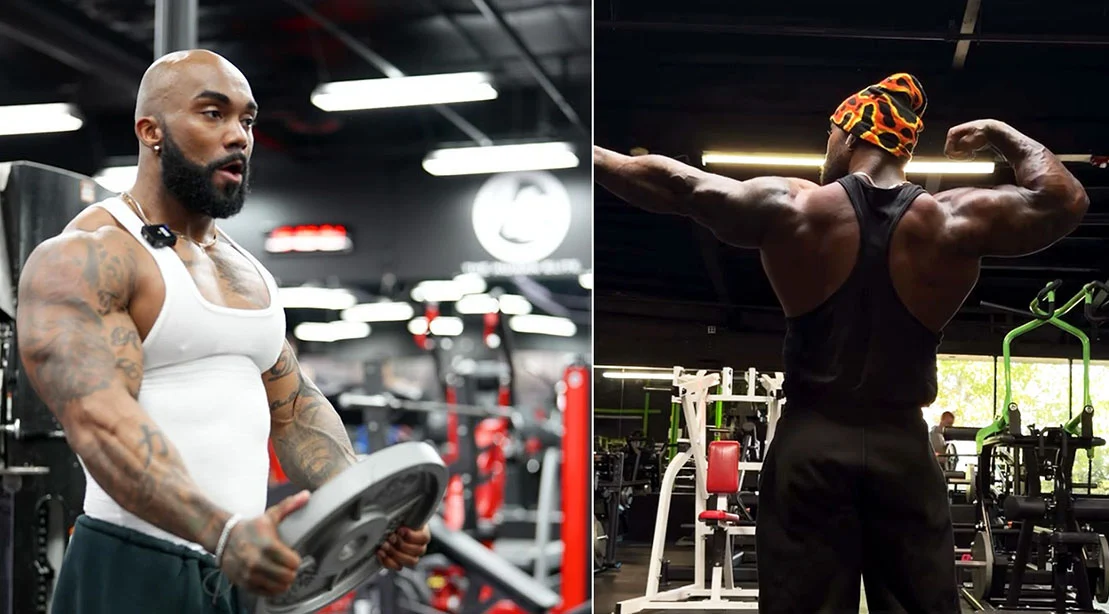
For many fitness enthusiasts, the "V-taper"—a wide, imposing shoulder girdle narrowing down to a tight waist—remains the gold standard of aesthetic physical development. Achieving this look is often framed as a grueling, multi-hour endeavor requiring access to a fully equipped commercial gym. However, IFBB Pro and United States Air Force veteran Antwan Rarcus is challenging that narrative. In a recent, high-impact instructional piece, Rarcus provided a streamlined, three-move workout that promises to deliver significant deltoid hypertrophy in just 30 minutes, proving that intensity and technique far outweigh sheer volume when time is at a premium.
Main Facts: The Philosophy of Efficiency
The central premise of Rarcus’s training philosophy is simple: the effectiveness of a workout is determined by the quality of muscular recruitment, not the duration of the session. By narrowing the focus to three high-leverage movements, Rarcus aims to strip away the "fluff" often associated with modern bodybuilding routines.
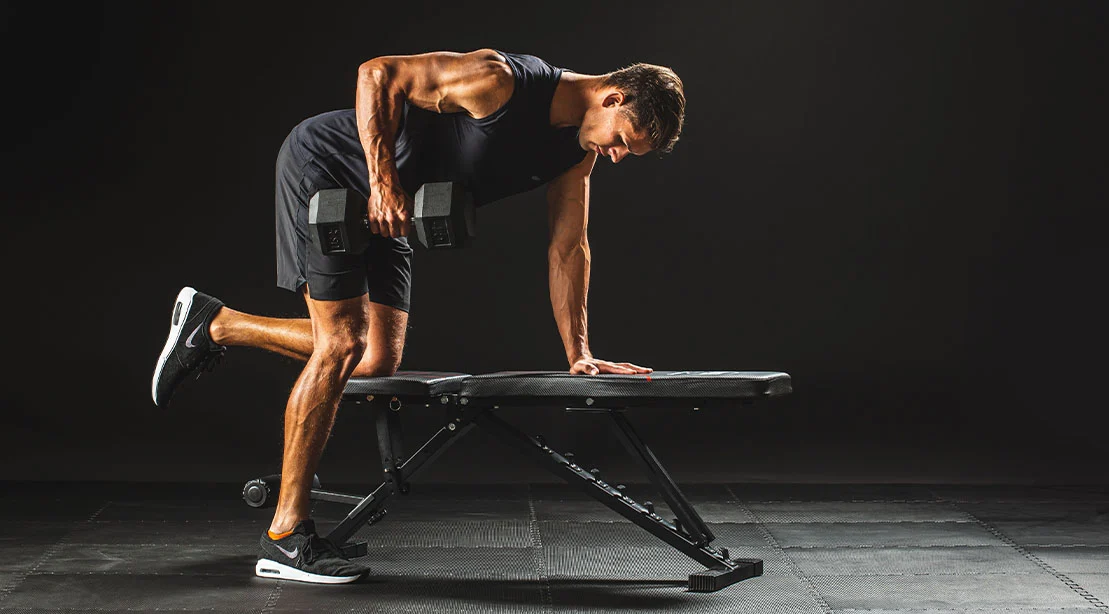
"All you need is a bench and a set of dumbbells," Rarcus stated in an Instagram post that has since garnered widespread attention from his 262,000 followers. This minimalism is not merely for convenience; it is a strategic choice designed to minimize systemic fatigue while maximizing localized tension on the deltoids. The V-taper aesthetic relies heavily on the development of the lateral (side) and posterior (rear) heads of the deltoid, which contribute to the width of the upper body. By creating the illusion of greater width at the shoulders, the waist naturally appears smaller, creating the classic, coveted "X-frame" or "V-taper" look.
Chronology: A Session Designed for Success
Rarcus’s routine follows a specific progression designed to pre-exhaust and then fully tax the shoulder complex. While he keeps the exercise selection minimal, the intensity remains high throughout the 30-minute block.
1. The Front Raise (Anterior Deltoid Focus)
The session begins with dumbbell or weight-plate front raises. This movement targets the anterior (front) deltoid. Rarcus emphasizes a critical coaching cue: "Control the descent." Many lifters treat the negative (eccentric) portion of a lift as an afterthought, simply allowing gravity to pull the weight down. Rarcus argues that this is a missed opportunity for growth. By controlling the weight on the way down, the lifter extends the time under tension (TUT), forcing the anterior and lateral deltoid fibers to maintain recruitment throughout the entire range of motion.
2. The Dumbbell Lateral Raise (Lateral Deltoid Focus)
The second movement is the bread-and-butter of shoulder width: the lateral raise. Rarcus stresses the importance of form over ego. "Always lead with the elbows," he advises. By focusing on driving the movement through the elbows rather than lifting with the hands, the trainee ensures the exercise remains shoulder-dominant. A slight bend in the elbows is essential, as this reduces stress on the elbow joint while allowing the lateral, anterior, and posterior deltoids to work in synergy to move the load.
3. The Y-Raise (The Finishing Touch)
To round out the session, Rarcus utilizes the bench for Y-Raises. This movement is often overlooked in traditional bodybuilding, yet it is vital for overall shoulder health and aesthetics. By lying prone (chest-down) on an incline bench and raising the dumbbells into a "Y" shape, the lifter targets the lower trapezius and the serratus anterior—the fan-shaped muscle located under the shoulder and along the ribcage. This movement is instrumental in creating the definition between the rear delts and the upper back, which is essential for a polished, 3D physique.
Supporting Data: Why Shoulders Matter
The importance of shoulder development extends beyond pure aesthetics. From a biomechanical perspective, the shoulders are the most mobile joint in the human body, but they are also highly susceptible to injury. Training the deltoids, particularly the rear deltoids and the muscles of the rotator cuff, provides the stability required for heavy compound movements like the bench press and the overhead press.
Furthermore, the "V-taper" is not just about muscle mass; it is about the ratio of the shoulder width to the waist. Research into anthropometry suggests that the "Golden Ratio" in male physique aesthetics is heavily influenced by this shoulder-to-waist circumference. While genetics dictate skeletal frame width, muscle hypertrophy—specifically in the lateral delts—can add several inches of visual width to the frame, significantly altering one’s physical profile.
Official Perspectives: The Professional Advantage
Antwan Rarcus’s transition from an Air Force veteran to an IFBB Pro bodybuilder provides him with a unique perspective on training. His approach is inherently disciplined; he views the gym as a place for execution rather than social experimentation. His directive to his followers—"Let’s cut the bulls**t, you have time"—is a call to action that resonates with the modern professional.
In the world of high-level bodybuilding, the trend has been moving toward "junk volume"—performing endless sets that do not contribute to growth. Rarcus’s protocol is a direct rebuttal to this trend, emphasizing that if you are training with sufficient intensity, you do not need to spend two hours in the gym. For the average person juggling career, family, and social obligations, this approach is not just a preference; it is a necessity for long-term adherence.
Implications: The Future of Time-Efficient Training
The success of Rarcus’s program carries several implications for the fitness industry:
1. The Rise of "Micro-Workouts"
As the pace of modern life continues to accelerate, the demand for high-efficiency, short-duration workouts is projected to rise. We are likely to see a shift in gym culture where "time-under-tension" training replaces "total volume" training as the standard for non-professional athletes.
2. Accessibility of Elite-Level Physiques
By demonstrating that an elite physique can be maintained—or even built—with minimal equipment, Rarcus is lowering the barrier to entry for fitness. The message is clear: you do not need a commercial gym membership or a massive array of specialized machines to achieve a high-level aesthetic. A bench, a pair of dumbbells, and the discipline to execute the movements correctly are sufficient.
3. The Shift in Focus to Mobility and Stability
By including Y-Raises, which prioritize the serratus anterior and the trapezius, Rarcus is signaling that modern training must be as much about health as it is about aesthetics. The "boulder shoulder" look is not just a result of size; it is a result of structural balance.
Conclusion: Bridging the Gap
Antwan Rarcus’s shoulder protocol is more than just a list of exercises; it is a masterclass in efficiency and anatomical awareness. By focusing on the anterior, lateral, and posterior deltoids through controlled, high-tension movements, he provides a roadmap for those who have previously struggled to find the time for serious training.
Whether you are an aspiring bodybuilder or simply someone looking to improve their posture and upper-body aesthetics, the lesson remains the same: the "world on your shoulder" does not have to be a burden. With the right technique and a focused, time-efficient approach, you can build the strength and the physique you desire, provided you are willing to commit to the intensity. As Rarcus reminds us, the excuses end where the work begins.