The landscape of the Olympic Winter Games is set for a seismic shift. In a landmark decision that has sent shockwaves through the winter sports community, the Executive Board of the International Olympic Committee (IOC) has finalized the official sports program for the 2030 Winter Olympics in the French Alps. The most notable—and controversial—outcome of this process is the formal exclusion of Nordic combined from the Olympic schedule, marking the end of a centennial journey for one of the Games’ most historic disciplines.
Simultaneously, the IOC has signaled a pivot toward modern, team-oriented, and spectator-friendly events, approving the inclusion of "Synchro 9"—a nine-skater team formation discipline derived from synchronized skating—into the figure skating program. Furthermore, the 2030 Games will see the debut of freestyle skiing and snowboarding big air disciplines, reflecting the IOC’s "Fit for the Future" strategy.
A Century of Tradition: The Rise and Fall of Nordic Combined
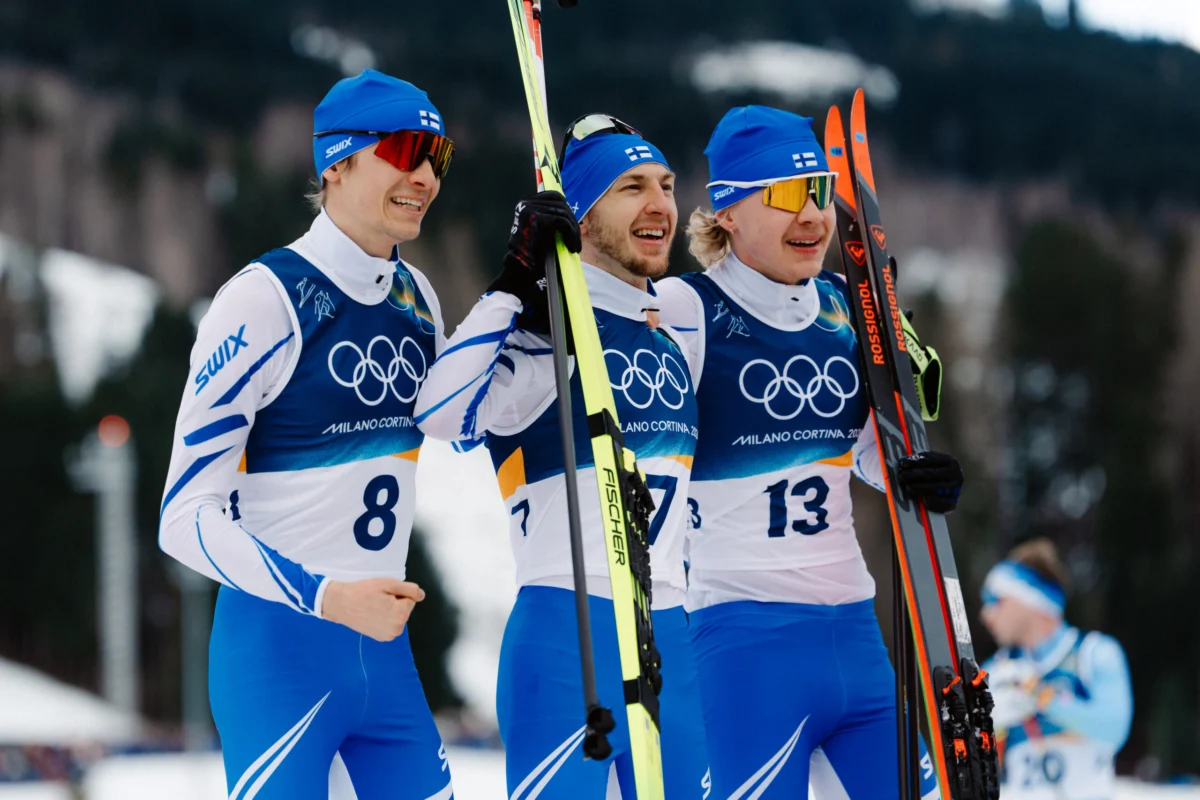
Nordic combined, a grueling test of endurance and nerve that pairs ski jumping with cross-country skiing, has been a cornerstone of the Winter Olympics since their inception. The sport made its official debut at the first-ever Winter Games in Chamonix in 1924. For over 100 years, it has served as the quintessential "King of the Winter Sports," demanding versatility, tactical acumen, and immense physical conditioning.
Its removal from the 2030 program is not merely a bureaucratic decision; it is a cultural severance. The sport has been a symbol of Nordic athletic dominance, with nations like Finland, Norway, and Austria building deep-rooted traditions around the discipline.
The decision also delivers a crushing blow to the movement for gender equality in the sport. Despite years of lobbying and the development of a burgeoning female circuit, the exclusion of Nordic combined from the 2030 program means that women will once again be denied the opportunity to compete for Olympic medals in this discipline. This stagnation of progress for female athletes has become a focal point of criticism from national governing bodies and advocacy groups alike.
The "Fit for the Future" Paradigm: A New Methodology
The exclusion of Nordic combined is the direct result of the IOC’s new, rigorous selection methodology approved during the general assembly in June 2026. Under the leadership of IOC President Kirsty Coventry, the "Fit for the Future" strategy seeks to streamline the Games, enhance financial sustainability, and increase global appeal.
The evaluation criteria for the 2030 program were stringent:
- Global Reach: The breadth of the sport’s popularity across different continents.
- Participant Base: The number of registered athletes and national federations.
- Media Appeal: Television viewership and digital engagement metrics.
- Cost Efficiency: The infrastructure requirements versus the commercial return.
While Nordic combined boasts a dedicated fan base in Central and Northern Europe, it has struggled to gain significant traction in emerging winter sports markets. By prioritizing sports with broader geographic footprints and lower infrastructure barriers, the IOC has opted to trim its historical baggage in favor of modern, broadcast-friendly events.
Official Responses: Disappointment Meets Strategic Optimism
The reaction from the Finnish sports community has been one of profound disappointment, tempered by a pragmatic look toward the future. Janne Hänninen, High-Performance Director at the Finnish Olympic Committee, expressed the gravity of the situation in a formal statement.
"The decision is a great disappointment for us," Hänninen said. "Nordic combined is one of the most traditional sports in the Winter Olympics, and Finland has a exceptionally strong history in it. It is particularly regrettable that female athletes in the sport were not given the opportunity to compete at the Olympics. This is a disappointment to the athletes and the entire international sports community."
However, Hänninen emphasized that an Olympic removal does not equate to the death of the sport. "The Olympic status is important for the sport, but a single decision does not define the value of Nordic combined. The sport has a strong history, world-class athletes, and a robust community. We believe in the future of the sport and will continue our work together with the Finnish Ski Association and the international sports community."
Embracing the New: The Arrival of Synchro 9
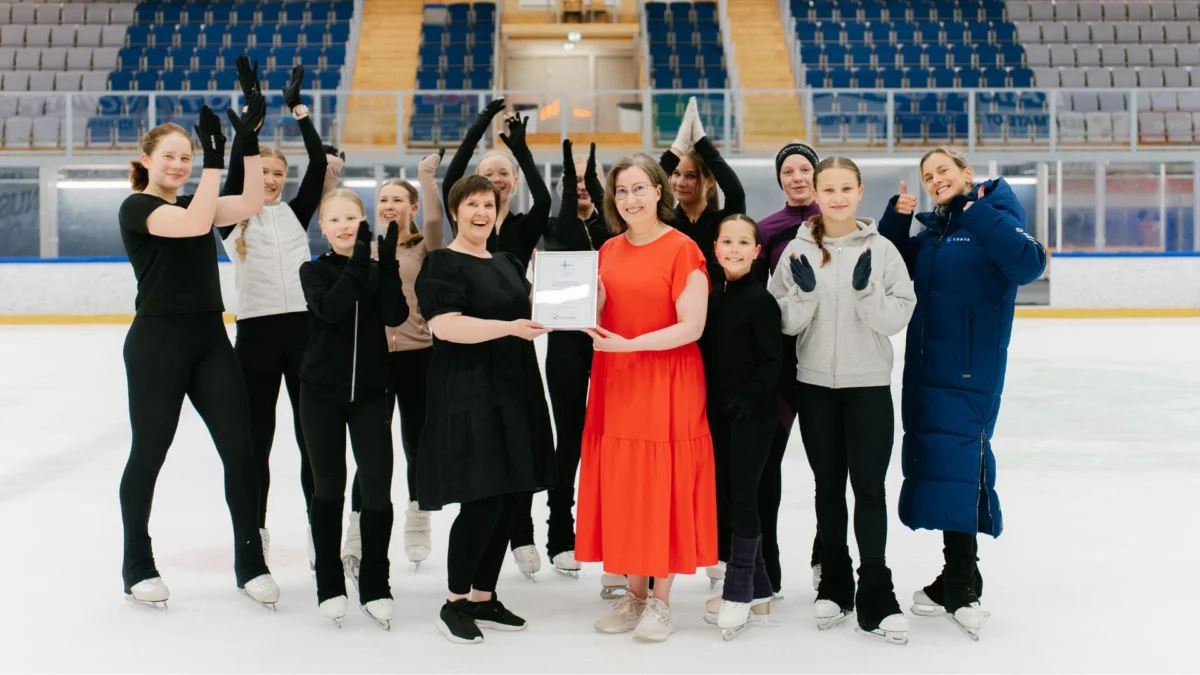
While the loss of Nordic combined stings, the Finnish sports leadership is looking toward the future with a sense of optimism regarding the inclusion of Synchro 9. Formed from the evolution of synchronized figure skating, the nine-skater team discipline has been approved as an official Olympic event for 2030.
"Although the decision on Nordic combined is a disappointment, we are at the same time very happy that Synchro 9 has received Olympic status," Hänninen noted. "Finland has a strong international position in the sport and a long, successful history. We look forward to the first Olympic competitions and are ready to support its development together with the Finnish Figure Skating Association on the path to Olympic success."
Implications for the Olympic Movement
The removal of a foundation sport like Nordic combined sets a significant precedent. It suggests that no sport—regardless of its historical longevity—is immune to the pressures of modern commercialization and the IOC’s desire to keep the Games "relevant" to younger audiences.
1. The Erosion of Historical Continuity
Critics argue that the Olympic Games are losing their identity by discarding sports that define the very origins of the Winter Olympics. When the "King of the Winter Sports" is removed, it raises questions about what criteria truly determine the value of an Olympic sport. Is it solely about television ratings, or is there a duty to preserve the heritage of the movement?
2. The Gender Equity Gap
The failure to provide a path for women in Nordic combined is arguably the most damaging aspect of this decision. At a time when the IOC has made strides toward gender parity in participant numbers, the exclusion of a discipline that has yet to host women’s events at the Games feels like a step backward.
3. The Shift Toward Team Dynamics
The inclusion of Synchro 9, along with the growth of big air events, highlights a clear trend: the Olympics are shifting toward high-energy, visually spectacular, and team-based formats. The IOC is actively moving away from individual-focused endurance sports and toward events that favor high-definition broadcast production.
Looking Toward 2030 and Beyond
As the French Alps prepare to host the 2030 Winter Games, the focus will now shift to how the international federations manage the fallout. For the Nordic combined community, the next four years will be a battle for survival. The sport must reinvent itself, grow its international footprint, and find a way to demonstrate its value to the IOC if there is any hope for reinstatement in 2034 or beyond.
For the Finnish Olympic Committee, the transition will be two-fold: providing continued support for Nordic combined athletes who remain dedicated to the sport despite its non-Olympic status, and rapidly professionalizing the infrastructure around the emerging Synchro 9 teams.
The 2030 program represents a new, leaner, and more aggressive iteration of the Olympic brand. It is an iteration that prioritizes the future over the past, and one that is willing to break with a century of tradition to ensure the Games remain a commercial and cultural juggernaut in the 21st century. Whether this strategy will pay off in the long run remains to be seen, but one thing is certain: the Winter Olympics of 2030 will look fundamentally different from any that have come before.
Summary of Key Decisions for 2030
- Nordic Combined: Removed from the Olympic program.
- Synchro 9 (Figure Skating): Approved for inclusion.
- Freestyle Skiing/Snowboarding: New big air events added to the roster.
- Strategy: "Fit for the Future" (IOC-driven, targeting transparency and global reach).
Note: The Finnish Olympic Committee is not a member of the IOC and does not participate in the decision-making process regarding the Olympic program. They remain an advocacy body for the sports and athletes within the Finnish ecosystem.