East Africa is a continent defined by the dramatic tension between the earth’s crust and the sky. Home to the Great Rift Valley, the region is a living laboratory of geological wonder, where ancient volcanoes, towering snow-capped peaks, and lush, primate-inhabited jungles converge to create the world’s most compelling ecotourism landscape. From the legendary slopes of Mount Kilimanjaro to the mist-covered mountains of Rwanda’s Volcanoes National Park, East Africa offers travelers more than just a vacation—it offers a profound engagement with the natural world.
The Geological Foundations of East African Tourism
The East African Rift is a tectonic marvel, stretching from the Afar Triple Junction in the north to the Zambezi Valley in the south. This geographical phenomenon is responsible for the unique topography that defines the region’s biodiversity.
Volcanic activity over millions of years has sculpted the landscape, creating fertile soils that support diverse ecosystems, from the alpine deserts of Mount Kenya to the dense, carbon-sequestering rainforests of the Albertine Rift. For the modern traveler, these geological features serve as the primary draw for "adventure ecotourism"—a travel philosophy that prioritizes environmental stewardship, cultural preservation, and physical challenge.
Key Volcanic Destinations
- Mount Kilimanjaro (Tanzania): The crown jewel of Africa. As a dormant stratovolcano, it remains the ultimate goal for high-altitude trekking enthusiasts.
- Mount Meru (Tanzania): Often overlooked in favor of its taller neighbor, Meru offers a rugged, rewarding hike through diverse climate zones.
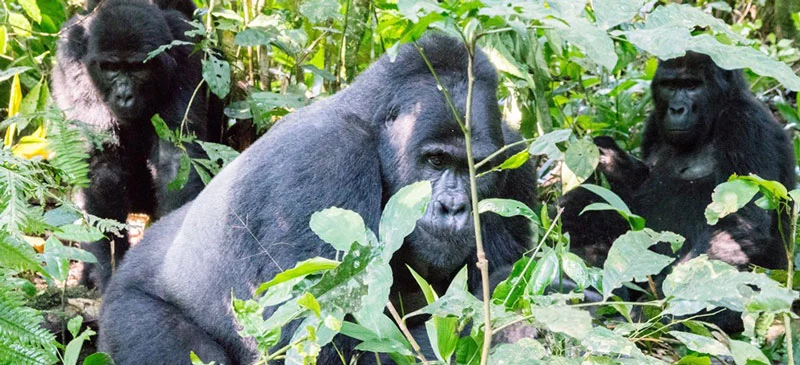
- Volcanoes National Park (Rwanda): The epicenter of mountain gorilla conservation and primate research.
- Mount Kenya (Kenya): An extinct volcano offering world-class technical climbing and high-altitude trekking.
- The Ngorongoro Highlands (Tanzania): A caldera-rich region that serves as a vital transition zone between the plains of the Serengeti and the mountainous north.
- The Eastern Arc Mountains: Known as the "Galapagos of Africa" for their high levels of endemism.
- Oldonyo Lengai (Tanzania): Known as the "Mountain of God" to the Maasai, it is one of the most active volcanoes in the region, offering a unique, otherworldly trekking experience.
Chronology of an Ecotourism Expedition
A typical 8-to-14-day itinerary in East Africa is designed to balance physical exertion with cultural immersion.
Days 1–3: The Acclimatization Phase
Most travelers begin in the Ngorongoro Highlands. Far from just a transit point, the highlands offer walking safaris through the Empakai and Olmoti craters. This phase is critical for physical preparation, allowing the body to acclimatize to the altitude before attempting the ascent of Mount Kilimanjaro. It is here that travelers engage with the Maasai, participating in cultural boma visits that support local livelihoods directly.
Days 4–9: The High-Altitude Challenge
The climb itself is a multi-day commitment. Whether via the Lemosho route or the classic Marangu, the journey through the "zones" of Kilimanjaro—from rainforest to heath and moorland, and finally to the arctic summit—is an experience of climate shift unparalleled elsewhere on the continent.
Days 10–14: Primate Encounters and Recovery
After descending from the volcanic peaks, many travelers extend their journey into the jungles of Rwanda or Uganda. A 4-to-5-day excursion to Volcanoes National Park allows for a transformative experience: tracking endangered mountain gorillas through their native habitat. This is complemented by golden monkey trekking and visits to the Kigali Genocide Memorial, providing a sobering but necessary context to the region’s history and resilience.
Supporting Data: The Impact of Responsible Travel
Ecotourism is defined by its commitment to "traveling responsibly, exploring natural areas, helping to conserve the environment, and contributing to the well-being of the local people."
The economic data surrounding East African tourism reveals a compelling narrative of conservation. In Rwanda, the revenue generated by gorilla permits has directly funded the expansion of protected habitats, leading to a steady increase in the mountain gorilla population. In Tanzania, the use of eco-lodges and tented camps—which prioritize low-impact infrastructure and sustainable energy—ensures that the footprint left by international visitors is minimized.
Strategic partners like Kilimanjaro Tanzanite Safaris DMC play a crucial role in this ecosystem. By curating private Kilimanjaro expeditions and facilitating logistical support for wildlife-focused safari itineraries, these organizations ensure that a larger share of travel revenue remains within local communities rather than being siphoned off by foreign intermediaries.
Official Responses and Conservation Strategy
The governments of Tanzania, Rwanda, and Uganda have increasingly moved toward a "high-value, low-impact" tourism model.
"Our goal is not to maximize the number of visitors, but to maximize the value of the experience while ensuring the survival of the species we protect," states an official from the Rwanda Development Board. By capping the number of daily gorilla trekking permits and strictly enforcing environmental codes of conduct, these nations have transformed their wildlife resources into sustainable national assets.
Furthermore, academic institutions and international bodies—such as those highlighted by Travel and Leisure—emphasize that the efficacy of these programs relies on the transparency of the tourism supply chain. Travelers are encouraged to seek out operators who hold certifications in sustainable tourism, ensuring that their visit to the Volcanoes National Park adheres to international best practices.
Implications for the Future of East African Travel
The shift toward volcanic ecotourism has profound implications for the region.
1. Environmental Preservation
As travelers move away from generic "sightseeing" toward "active participation," the demand for environmental integrity grows. Volcanic areas, which are often fragile ecosystems, are now receiving the protection necessary to survive the impacts of climate change.
2. Socio-Economic Empowerment
The Maasai and other indigenous groups are no longer mere bystanders in the tourism industry. Through community-based tourism initiatives, tribes are now active stakeholders. When a traveler visits a Maasai Boma, the fees paid support local schools, water projects, and healthcare initiatives, proving that tourism can be a vehicle for social equity.
3. The "Big 5" and Beyond
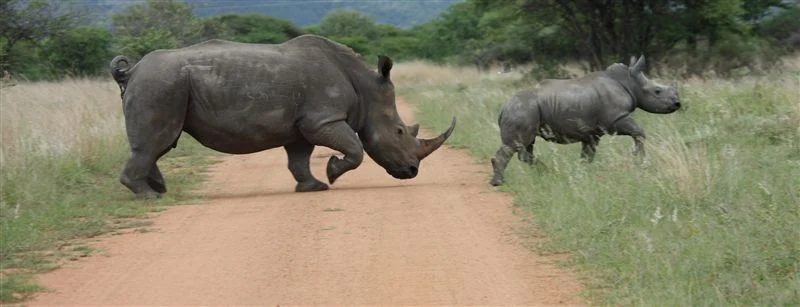
The modern East African safari is no longer just about the "Big 5" (lion, leopard, rhinoceros, elephant, and buffalo). The inclusion of chimpanzee trekking in Gombe and Udzungwa Mountains National Park signals a broadening of the traveler’s interest. Visitors are increasingly seeking out "photographic safari combos," which integrate mountain trekking with deep-jungle primate encounters.
4. The Challenge of Sustainability
The primary challenge moving forward is balancing the influx of tourists with the delicate nature of volcanic environments. The industry must continue to invest in "green" infrastructure, such as solar-powered safari camps and waste-reduction systems. Travelers have a duty to choose operators who prioritize these investments, even if it comes at a slightly higher initial cost.
Conclusion: A Call to Responsible Exploration
East Africa is not merely a destination; it is a profound testament to the power of nature. From the sulfurous vents of Oldonyo Lengai to the dense, emerald canopy of the gorilla forests, the region offers a chance to reconnect with the raw, untamed forces that formed our planet.
For those planning their next expedition, the choice of operator is as important as the destination itself. By choosing to travel with experts who understand the nuances of the region, such as Kilimanjaro Tanzanite Safaris, travelers can ensure that their journey serves a dual purpose: fulfilling the desire for personal adventure while acting as a steward for the conservation of one of the world’s most beautiful regions.
As you prepare for your journey, remember that every trek, every gorilla permit, and every night spent in a sustainable eco-lodge is a contribution to a legacy of conservation. The volcanoes are calling—not just to be climbed, but to be understood, protected, and respected for generations to come.