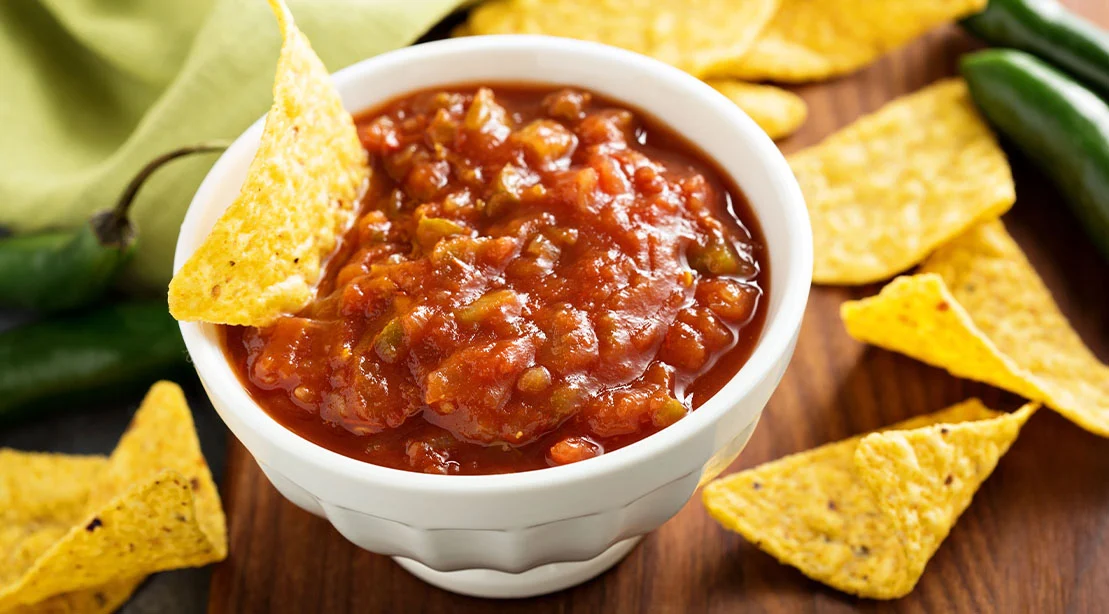
Salsa has transcended its origins as a mere party snack to become a cornerstone of the modern, health-conscious kitchen. It is arguably the most efficient tool in a home cook’s arsenal for transforming a monotonous, bland diet into a culinary experience. For those who find the prospect of "clean eating" synonymous with dry chicken breasts and flavorless steamed vegetables, salsa provides an immediate, low-calorie, and nutrient-dense rescue mission.
Whether you prefer a smoky chipotle, a vibrant salsa verde, or a classic, chunky pico de gallo, this condiment is far more than a vessel for tortilla chips. It is a versatile flavor enhancer that can elevate everything from morning eggs and baked potatoes to grilled fish and salads. However, as the popularity of this supermarket staple has surged since its rise in American households during the 1970s, so too has the complexity of the shelves. Navigating these aisles requires more than just a taste preference; it requires the discerning eye of a nutritionist.
The Evolution of the Salsa Industry
The story of salsa in America is one of rapid transformation. What was once a niche regional specialty—largely confined to the Southwest—exploded into a multi-billion-dollar industry by the turn of the 21st century.
A Chronology of the Salsa Boom
- The 1970s (The Discovery): Salsa begins to penetrate mainstream American grocery stores, moving beyond specialty import shops.
- The 1980s (The Condiment Wars): Salsa officially surpasses ketchup in total dollar sales in the United States, signaling a massive shift in consumer palate preferences toward bolder, fresher flavors.
- The 1990s (The Expansion): The introduction of diverse varieties, including fruit-based salsas (mango/pineapple) and roasted variants, diversifies the market.
- The 2000s–Present (The Health Focus): As consumers become more label-conscious, the focus shifts toward "clean label" products—salsas without added preservatives, high-fructose corn syrup, or excessive sodium.
The Nutritional Conundrum: Why Not All Jars Are Equal
While the base of any good salsa—tomatoes, onions, chili peppers, and lime—is inherently nutritious, the commercialization of the product has introduced hidden pitfalls. Many manufacturers rely on artificial additives to prolong shelf life, enhance texture, and balance out the acidity of lower-quality produce.
The Hidden Costs of Convenience
When you pull a jar off the shelf, you are often buying more than just chopped vegetables. Many commercial products are "sullied" with excessive sodium, added sugars, and synthetic stabilizers like xanthum gum or chemical preservatives such as sodium benzoate. For the athlete or the health-conscious individual, these additives can counteract the benefits of the vegetables themselves.
Furthermore, the "serving size" trap is prevalent in the condiment aisle. Most labels list nutrition facts based on a two-tablespoon serving. Given that the average person consumes significantly more than this in a single sitting, those "minimal" amounts of added sugar and salt can rapidly accumulate into a caloric and nutritional deficit.
Supporting Data: What Truly Matters in a Jar
To ensure your game-day spread or post-workout meal isn’t compromised, it is vital to understand the key markers of a high-quality, healthy salsa. We analyzed dozens of nutrition labels to determine the objective standards for a "health-first" condiment.
1. The Ingredient Purity Standard
The best salsas read like a recipe, not a chemistry experiment. Your ingredient list should be concise: tomatoes, onions, jalapeños, cilantro, garlic, lime juice, vinegar, and sea salt. If you encounter ingredients you wouldn’t keep in your own kitchen pantry, the product is likely ultra-processed.
2. The Sodium Threshold
Sodium is the primary concern for the majority of commercial salsas. A "sodium bomb" can contain upwards of 300mg per two-tablespoon serving. When paired with salty tortilla chips, you may be consuming a significant portion of your recommended daily sodium limit in a single snack. We advise looking for brands that maintain a ceiling of 160mg per serving, with the elite tier of products falling below the 100mg threshold.
3. The Zero-Sugar Rule
There is no culinary or nutritional reason for added sugar in a standard red salsa. While tomatoes provide natural sweetness, many brands introduce corn syrup or processed cane sugar to mask the bitterness of inferior, under-ripe produce. When shopping, "No Added Sugar" should be a non-negotiable requirement.
4. The Heat Factor and Metabolism
From a purely caloric perspective, heat is irrelevant. A "Volcano Hot" salsa is almost identical in macros to a "Mild" variety. However, the presence of capsaicin—the compound responsible for the heat in chili peppers—offers tangible physiological benefits. Research published in Clinical Nutrition suggests that capsaicin may aid in appetite suppression and support a healthy gut microbiome, providing a slight "metabolic edge" for those who enjoy the spice.
5. Organic Certification
Choosing organic is a prudent move to avoid synthetic pesticides and fertilizers often used in large-scale tomato and pepper cultivation. However, the "Organic" label is not a free pass. Organic sugar is still sugar, and an organic brand can still be overloaded with sodium. Always read the back of the label, regardless of the front-of-package marketing.
Implications for Your Diet and Meal Prep
Integrating high-quality, low-sodium salsa into your diet has profound implications for long-term health and weight management. By swapping heavy, cream-based dressings or high-fat dips for salsa, you drastically reduce your caloric intake while simultaneously increasing your consumption of antioxidants like lycopene, which is abundant in cooked tomatoes.
The High-Protein Tex-Mex Flatbread: A Practical Application
To demonstrate the utility of a pantry-stocked, healthy salsa, consider this high-protein meal prep staple. It turns a quick lunch into a nutrient-dense feast.
Ingredients:
- 1 whole-grain, high-fiber flatbread or pita
- 1/2 cup lean shredded rotisserie chicken or grilled tofu
- 1/3 cup high-quality, low-sodium salsa (your choice of heat)
- 2 tablespoons shredded part-skim mozzarella or feta cheese
- Fresh cilantro and a squeeze of lime juice
- Optional: A sprinkle of black beans for added fiber
Cooking Directions:
- Preheat: Set your oven or toaster oven to 400°F (200°C).
- Base: Lay the flatbread on a baking sheet. Spread the salsa evenly, acting as the base sauce.
- Topping: Add your protein (chicken or tofu) and the cheese.
- Bake: Place in the oven for 8–10 minutes, or until the edges of the flatbread are crispy and the cheese is melted.
- Finish: Garnish with fresh cilantro and a fresh lime squeeze to brighten the flavors.
Conclusion: The Path Forward
Choosing the healthiest store-bought salsa is a skill that, once mastered, pays dividends in flavor and metabolic health. By prioritizing simple, whole-food ingredients, keeping a vigilant eye on sodium, and avoiding added sugars, you can turn any meal into a satisfying, muscle-friendly dish.
The next time you find yourself standing in the condiment aisle, remember: you are not just buying a jar of sauce; you are choosing the fuel that will power your week. Ignore the marketing fluff, scan the ingredient list, and choose the salsa that supports your goals rather than sabotaging them. In the world of nutrition, small, informed choices—like which jar of salsa you grab—are what build the foundation of a healthy life.