By [Your Name/Journalism Desk]
Updated: July 30, 2026
In the heart of the American Midwest and the Northern Great Plains lies a landscape that serves as the biological engine of North American waterfowl. Known to biologists and sportsmen alike as the "Duck Factory," the Prairie Pothole Region (PPR) is currently the epicenter of a high-stakes regulatory showdown. The U.S. Fish and Wildlife Service (USFWS) has signaled its intention to potentially scrap a 2024 rule designed to prevent agricultural drainage systems from siphoning water away from federally protected wetlands.
As the agency initiates a 14-day public comment period—which concludes on August 7, 2026—the tension between agricultural land management and long-term conservation has reached a boiling point. At stake is not just the viability of critical migratory bird habitats, but the integrity of millions of dollars in taxpayer and sportsman-funded land easements.
The Landscape: Understanding the "Duck Factory"
The Prairie Pothole Region is a geological masterpiece, carved by receding glaciers thousands of years ago. It spans parts of Montana, North Dakota, South Dakota, Minnesota, and Iowa, extending north into the Canadian provinces. This region is characterized by millions of shallow, marshy depressions—the "potholes"—which act as vital nesting and breeding grounds for a massive percentage of the continent’s duck population.
According to data from the U.S. Fish and Wildlife Service and Ducks Unlimited, the PPR provides habitat for more than 60% of North America’s breeding ducks. In productive years, it is responsible for 50% to 75% of the total recruitment of primary species like Mallards, Blue-winged Teal, and Northern Pintails.
The health of these wetlands is intrinsically linked to the continent’s flyways. When the "Duck Factory" is drained, the ripple effects are felt by hunters, birdwatchers, and conservationists from the Canadian border to the Gulf of Mexico.

The Chronology of a Conflict
The current dispute centers on the intersection of private property rights and federal conservation easements. Since 1958, the Small Wetlands Acquisition Program has utilized revenue generated by the sale of Federal Duck Stamps to purchase permanent easements on private land. Under these agreements, the USFWS pays landowners to maintain the wetlands in their natural state, prohibiting activities that would drain, fill, or level them.
- 1958: The inception of the Small Wetlands Acquisition Program, formalizing the government’s role in preserving private wetlands via voluntary, paid easements.
- Decades of Friction: As agricultural technology evolved, the installation of high-efficiency "drain tiles"—perforated underground pipes—became more prevalent. These systems allow farmers to remove excess water from fields to maximize crop yields.
- 2024: After years of legal and administrative ambiguity, the USFWS finalized a rule aimed at creating a transparent, standardized process for "drain tile setbacks." The rule established clear guidelines for how far a drain tile must be from a protected wetland to ensure that the wetland’s hydrology remains intact.
- July 2026: The USFWS opened a public comment period to re-evaluate the rule, with official documents suggesting the agency is moving toward a full withdrawal of the 2024 framework.
The Mechanics of the Dispute: Why Drain Tiles Matter
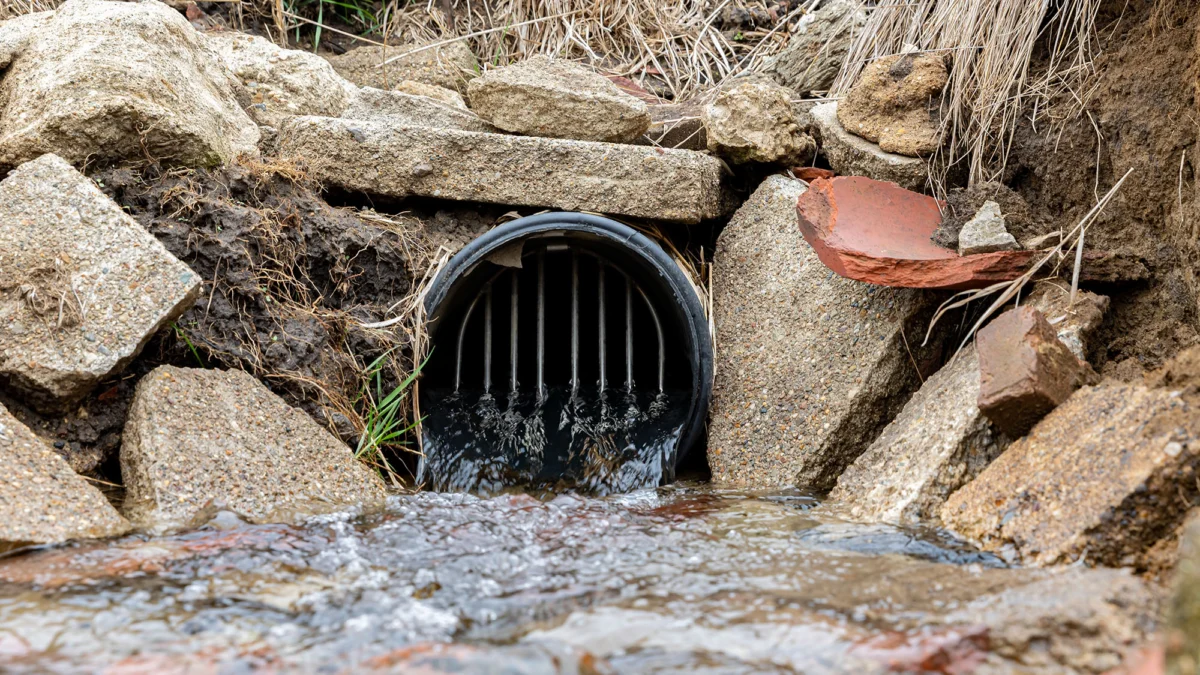
To understand the outcry from the conservation community, one must understand the hydrology of a drain tile. A common misconception is that a drain tile must physically cut through a wetland to cause harm. In reality, modern tile systems act as a powerful suction mechanism for the surrounding water table.
When installed in close proximity to a pothole, these tiles can intercept the groundwater feeding the wetland or draw down the water level of the basin itself. This "sub-surface drainage" effectively dries out the wetland from beneath the surface, even if the vegetation remains undisturbed for a time.
The 2024 rule sought to mitigate this by creating a "setback" requirement. Landowners were encouraged to submit plans to the USFWS, which would then calculate a site-specific distance based on soil permeability, topography, and the specific engineering of the tile system. If a farmer complied with these engineering standards, they received legal safe harbor—meaning they could proceed with tiling their fields without the fear of future litigation, provided the system remained as designed.
The Official Position: Why the Reconsideration?
The U.S. Fish and Wildlife Service has justified this sudden pivot by citing feedback from the agricultural community. According to agency documents, many landowners have expressed frustration that the current setback rules overreach, effectively regulating land that was not explicitly covered under the original easement agreements.
In older easements, specific distance requirements were often absent, relying instead on the general principle that the landowner must not "drain" the wetland. As drainage technology has become more precise and widespread, the gap between the agency’s interpretation of "drainage" and the farmer’s definition of "farmable land" has widened.

The agency’s current request for information is broad, asking stakeholders to weigh in on:
- The effectiveness of the 2024 rule.
- Alternative methodologies for calculating setbacks.
- The socioeconomic impact of federal oversight on private farming operations.
Implications for Conservation and Agriculture
The potential withdrawal of the rule represents a significant shift in federal land management policy. Conservation groups, led by organizations like Ducks Unlimited, argue that the rule provides the only real defense against the "death by a thousand cuts" scenario currently facing the Prairie Potholes.
The Conservationist Argument
For those who have invested in the Federal Duck Stamp program, the withdrawal of the rule is seen as a breach of trust. If the USFWS cannot enforce the integrity of the wetlands they have purchased rights to protect, the value of those investments is effectively nullified. If a wetland is legally "protected" but physically drained by an adjacent pipe, the habitat becomes a dry field, and the millions of dollars spent on conservation are essentially wasted.
The Agricultural Perspective
Conversely, many farmers in the region argue that they are being held to an moving target. As extreme weather events increase the frequency of flooding in the Midwest, the ability to manage water through tiling is essential for the economic survival of family farms. Many feel that the federal government is attempting to expand its jurisdictional footprint onto private, non-easement land under the guise of protecting the potholes.
How to Participate in the Process
The federal government is currently accepting public input, and the stakes for the upcoming waterfowl seasons and beyond are high. The administrative process, however, has been marked by confusion.
The USFWS initially published the wrong docket number for the public comment period, a clerical error that has since been corrected. The agency is now directing the public to Regulations.gov to submit comments under Docket FWS-HQ-NWRS-2026-2641.

The USFWS explicitly encourages commenters to move beyond general sentiment. They are requesting:
- Scientific Data: Evidence regarding the impact of drain tiles on hydrology.
- Field Experience: Specific, verifiable accounts of how current or proposed regulations affect local agricultural operations or wetland health.
- Engineering Solutions: Proposed alternatives to the current setback calculation model that could balance agricultural utility with habitat preservation.
The window for submission is exceptionally short, with the deadline set for 11:59 p.m. EDT on August 7, 2026.
Conclusion: A Crossroads for the Heartland
The "Duck Factory" is not a static museum piece; it is a dynamic, living system that sustains a massive portion of North America’s biodiversity. The current debate over drain tile setbacks is a microcosm of a larger American struggle: how to balance the demands of a high-efficiency global food supply with the urgent need to protect the natural infrastructure that provides our ecosystems with resilience.
As the August 7 deadline looms, the decision rests with the regulators, but the future of the prairie landscape will be defined by those who take the time to weigh in on this complex, contentious, and vital piece of public policy. Whether the government chooses to maintain the current protections or moves to scrap them, the outcome will fundamentally alter the management of the American landscape for generations to come.