By Mary Andino
August 7, 2026
For the modern outdoor enthusiast, the gear closet is a sanctuary. We spend hours researching the latest GORE-TEX membranes, obsessing over denier counts, and debating the merits of various pack suspension systems. Yet, for many women, there remains a persistent, frustrating void in the market: the perfect pair of hiking shorts.
After years of traversing mountain passes, logging miles on switchbacks, and participating in countless gear-testing cycles, I found myself at an impasse. Despite my best efforts—buying, testing, and returning an exhaustive list of technical apparel from major outdoor retailers—I was left empty-handed. My body, which does not fit the standardized "proportional" mold often favored by apparel designers, became a casualty of inconsistent sizing. The solution, it turns out, wasn’t in a new $100 purchase. It was hidden in a pair of sharp kitchen shears and a common-sense approach to modification.
The Anatomy of a Fitting Failure
The "hiking short" category is currently dominated by rigid, structured designs. Manufacturers often prioritize durability, utilizing thicker, abrasion-resistant nylon blends designed to withstand brush, granite, and rock scrambles. While this technical fabric is excellent for the lifespan of the garment, it creates a significant ergonomic hurdle for those with diverse body types.
The Structural Mismatch
For a woman whose waist-to-hip-to-thigh ratio doesn’t align with industry averages, standard hiking shorts are often a recipe for discomfort. If the waist fits, the hips are often constricted; if the thighs have room, the waist sags. The lack of elasticity in traditional hiking fabrics means that even a minor structural mismatch translates into physical pain.

During high-output activities—such as ascending a steep, rock-strewn trail—every knee lift causes stiff, non-stretch fabric to dig into the skin. This isn’t just a matter of aesthetics; it is a mechanical failure of the gear. When your clothing moves against your body rather than with it, you lose range of motion, increase the risk of chafing, and expend unnecessary energy fighting your own apparel.
The Search for a Better Alternative: The Running Short Pivot
Having exhausted the traditional "outdoor" aisle, I turned my attention to the endurance running market. The philosophy behind running apparel is fundamentally different: it prioritizes weightlessness, high-stretch fabrics, and moisture management.
Running shorts are, by design, more forgiving. They typically feature wide, elastic waistbands with internal drawstrings, allowing for a customized fit that accommodates different body shapes. The fabrics are lighter, breathable, and designed to move through a full range of motion without restriction. However, this category presents its own specific challenge for the backpacker: the dreaded built-in liner.
The Liner Problem
While a liner is a staple for a 30-minute road run, it is largely incompatible with multi-day backcountry trekking. Wearing a secondary, sweat-soaked layer beneath your own underwear is a fast track to irritation, chafing, and hygiene concerns. While some manufacturers offer "liner-less" options, they often lack the technical features or the specific cuts I found most comfortable.
The Solution: A Calculated Modification
Faced with a week-long expedition in Oregon, I realized I had to bridge the gap between running functionality and hiking necessity. I selected a pair of REI Co-op Active Pursuits 4-inch shorts—a garment that checked every box for material, breathability, and fit—and performed a surgical modification.

Chronology of the Hack
- The Assessment: I identified the specific seams anchoring the internal liner to the waistband and the leg openings.
- The Execution: Using a pair of high-quality, sharp fabric scissors, I carefully traced the seam line. The goal was to remove the liner entirely without compromising the structural integrity of the outer shell.
- The Cleanup: I ensured no loose threads remained that could potentially cause fraying or snagging on future trail debris.
The result was a lightweight, high-performance hiking short that fit perfectly.
Performance Data and Field Observations
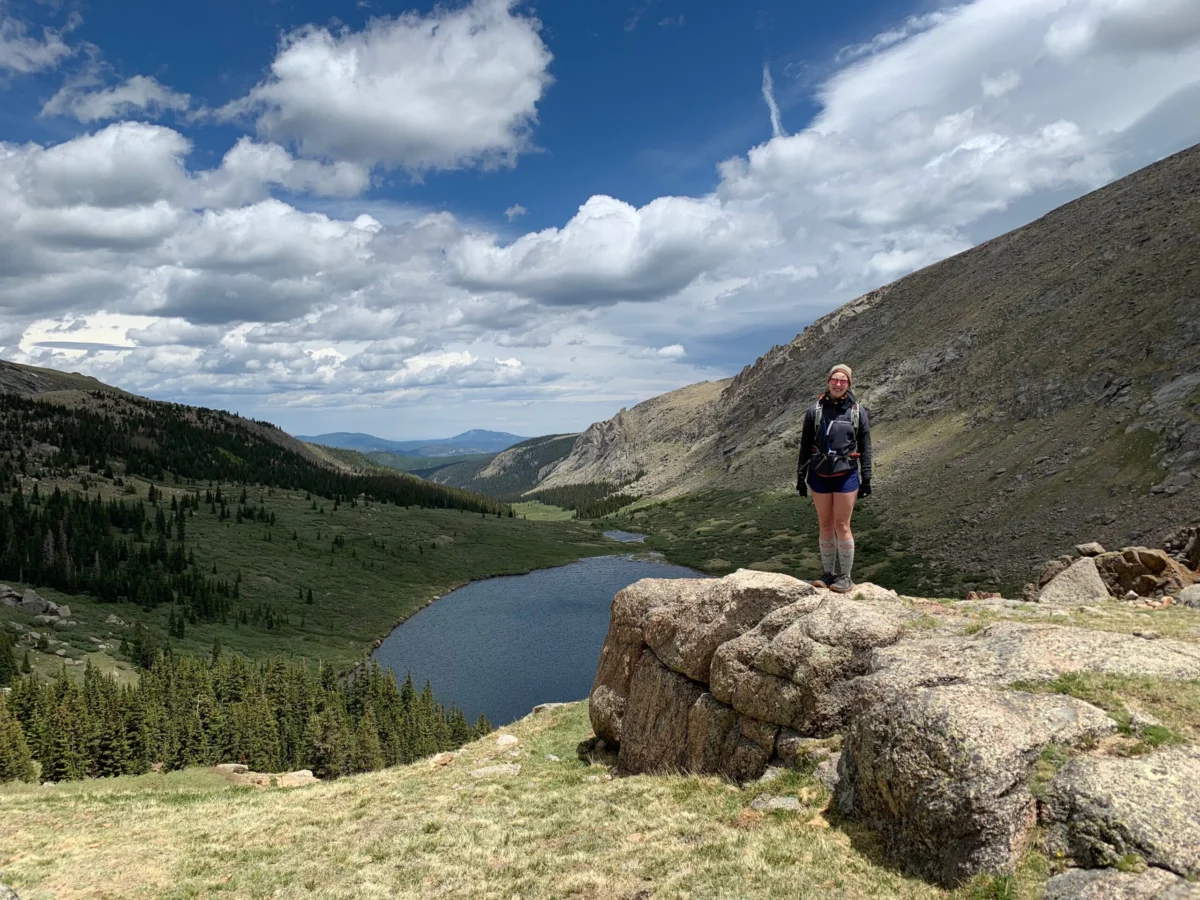
The true test of any gear modification is in the field. I put my "hacked" shorts to work during a demanding week of backpacking in Oregon, followed by an extensive trip to Yosemite National Park.
Range of Motion
The lack of a restrictive, structured waistband allowed for an unrestricted high-step, essential for maneuvering over "rock staircases" often found on rugged trails. Even when the pace picked up or the terrain demanded technical footwork, the shorts remained comfortable. The fabric’s inherent stretch proved superior to the rigid, heavy nylon of traditional hiking shorts.
Moisture Management and Drying
Because these shorts were originally designed for running, the material was engineered to dry rapidly. During an impromptu swim in an alpine lake in Oregon, the shorts were dry within minutes of being back on the trail. This speed of evaporation is a critical factor in preventing the "soggy" sensation that can lead to skin breakdown during long, hot days.
Storage Considerations
Critics often point to the lack of pockets in running shorts as a dealbreaker. However, my current kit utilizes a Six Moon Designs pack, which features a harness-integrated pocket system similar to a technical running vest. By relocating my essentials—phone, snacks, and map—to my chest and shoulders, I removed the need for bulky cargo pockets on my legs. For me, the weight savings and increased mobility were a fair trade for the lack of traditional side pockets.

Industry Implications and Future Trends
My experience highlights a growing disconnect between traditional gear design and the needs of a diverse consumer base. As the outdoor industry continues to evolve, the "one-size-fits-all" approach to technical apparel is increasingly outdated.
A Call for Inclusivity
The success of this DIY approach sends a clear message to manufacturers: there is a significant demand for technical shorts that offer the lightweight, elastic, and high-motion characteristics of running gear without the unnecessary integration of liners or the rigid, tailored cuts of traditional hiking apparel.
When asked about the trend of modifying gear, industry experts note that the "maker movement" within the outdoor community is a direct response to the lack of specialized options. Consumers are no longer willing to compromise on comfort. If a product doesn’t fit the specific biomechanical needs of the user, the user will adapt the product to fit themselves.
Conclusion: Make It Your Own
The "Hiking Short Hack" is not just about saving money; it is about reclaiming the outdoor experience. By removing the barriers—both literal and figurative—to comfortable movement, I have been able to spend more time focusing on the trail and less time adjusting my clothing.
I have since purchased two additional pairs of the same shorts, performed the same modification, and they have become my permanent, go-to kit for everything from peak bagging to trail running. The lesson for all adventurers is clear: if the gear available on the shelf does not work for your body, do not feel obligated to force the fit. With a little creativity, a pair of sharp scissors, and a clear understanding of your own needs, you can create the perfect gear for your unique adventures.

In the end, the best gear isn’t the most expensive or the most hyped—it’s the gear that allows you to move through the wilderness with total confidence and comfort.