Main Facts: The Scope of the Expedition
From late April to early June of this year, long-distance trekkers Kate “Swept Away” Pickett and the author completed a grueling, awe-inspiring, and geographically diverse 800-mile (1,287 km) traverse across the rugged expanse of southern Utah. This expedition was not merely a hike; it was an immersive, multi-week study of the Colorado Plateau’s unique geology, shifting ecosystems, and deep ancestral history.
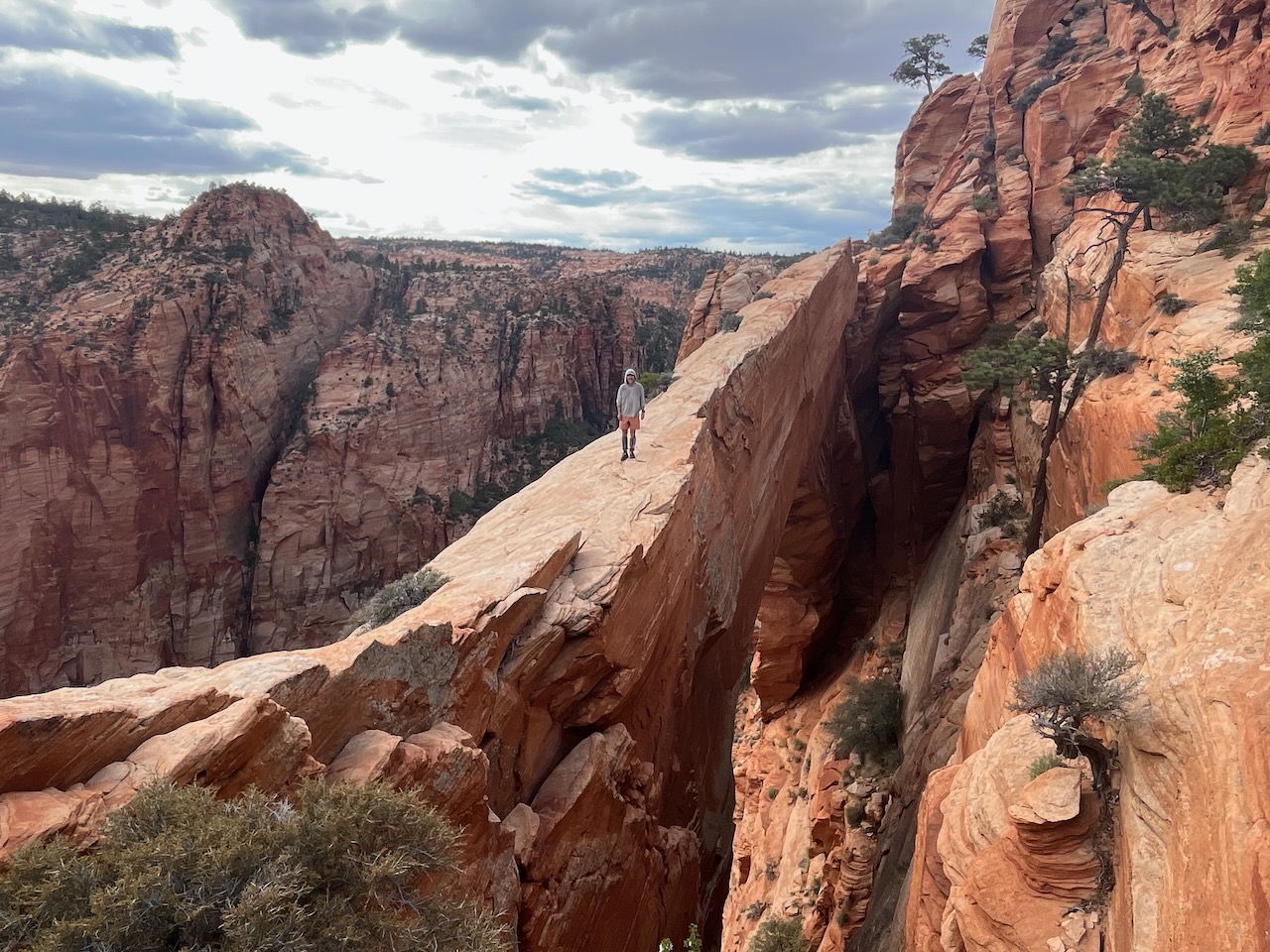
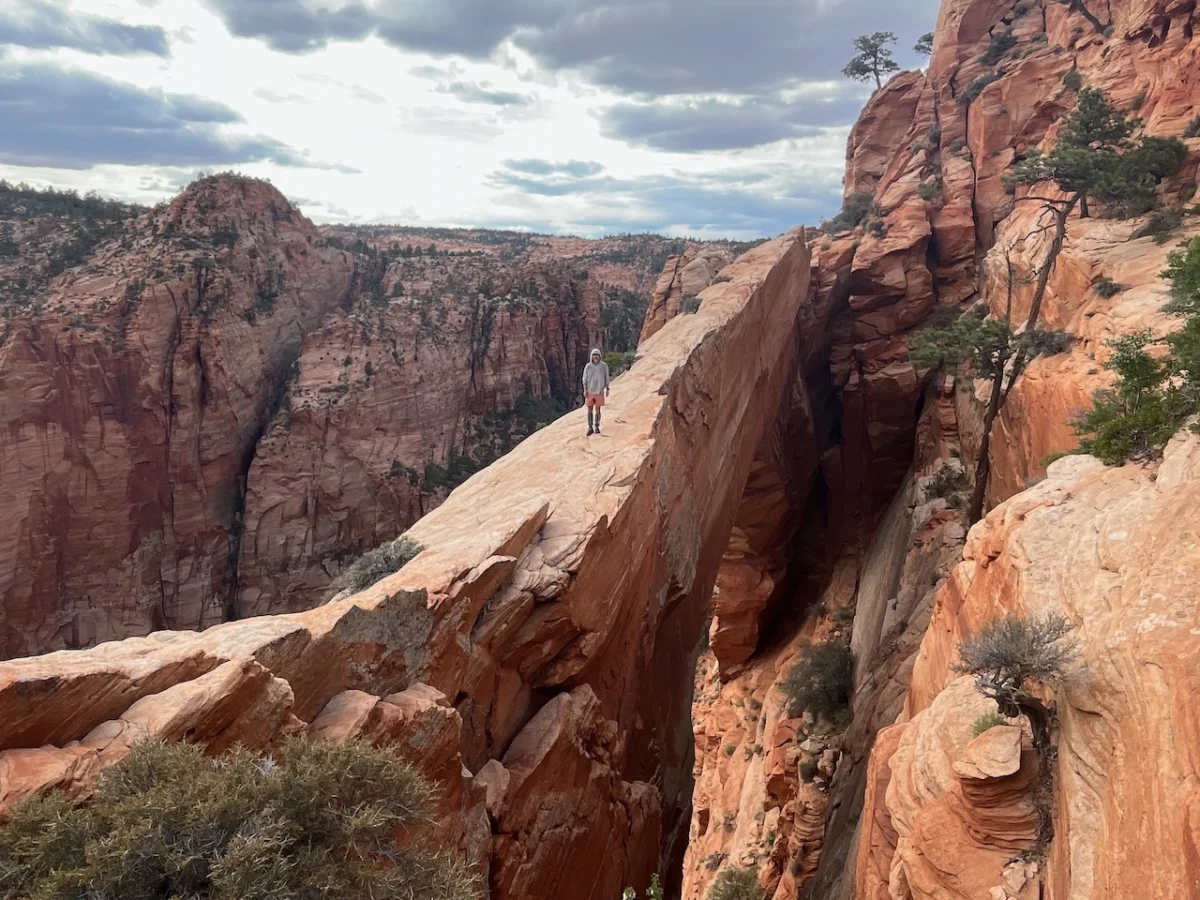
The journey began at the Nevada border, southwest of Enterprise, and concluded seven weeks later at the Hovenweep National Monument, sitting on the threshold of the Colorado border. Over the course of 49 days, the duo navigated a complex mosaic of canyons, plateaus, badlands, and mesas, maintaining a relentless pace while documenting the “endless array of red rock wonders and archaeological gems” that define the region.

This project was born from a desire to bridge the gaps in their previous Utah experiences. Having both previously traversed the state via the famous Hayduke Trail and various shorter expeditions, the pair sought to connect the dots, specifically targeting remote wilderness areas that had thus far eluded their boots.

Chronology: Seven Weeks in the Desert
The traverse was meticulously divided into eight distinct stages, each corresponding to a resupply point. This structure allowed for both logistical safety and the flexibility to adjust to the volatile desert environment.

The Western Launch and Canaan Mountain
The expedition kicked off at the Nevada-Utah border. The initial stages saw the hikers moving through the stark beauty of the southwestern corner of the state. A major objective was the Canaan Mountain Wilderness, a region between Hurricane and Kanab that the hikers had prioritized for its unique geological formations, including the stunning "White Domes" and the wind-sculpted "Eye of Heaven" in Water Canyon.

The Heart of the Plateau: Escalante and Capitol Reef
As the team pushed eastward, the terrain shifted into the intricate canyon systems that make Utah a world-class destination for hikers. The route through Grand Staircase-Escalante National Monument and Capitol Reef National Park necessitated expert-level navigation, including river wading, intense rock scrambling, and extensive cross-country travel. Highlights during this mid-section included the surreal beauty of the Peekaboo Loop in Bryce Canyon and the towering, narrow depths of Death Hollow.

The Archaeological Frontier: Bears Ears
The final chapters of the hike were dedicated to the culturally significant landscapes of Bears Ears National Monument. Moving from the northern sections into the southern reaches—specifically Cedar Mesa’s Grand Gulch, Bullet Canyon, and the dramatic Comb Ridge—the hikers shifted their focus from pure geography to human history. Viewing the “Perfect Kiva” and the intricate rock art of the Procession Panel provided a poignant conclusion to their journey. The hike officially wrapped up at Holly Tower in Hovenweep, a site of immense spiritual and historical weight.

Supporting Data: Logistical Challenges and Solutions
Long-distance desert hiking is an exercise in resource management. For an 800-mile journey, the logistical requirements are significant.

Water Strategy: The Lifeblood of the Traverse
Water availability in the high desert is notoriously unpredictable. The team utilized USGS map layers to identify potential water sources—tanks, springs, and windmills—supplemented by digital resources like Jamal Green’s Across Utah mapping project.

The team maintained a maximum water-carrying capacity of 9 to 10 liters during dry stretches. While this heavy load is a physical burden, it provided the necessary safety margin. A critical component of their success was the timing of their transit; several fortuitous spring storms replenished essential potholes and streams, allowing for a safer passage through otherwise arid sectors.

Resupply and Nutrition
Resupply was handled through a hybrid system of mail drops and local procurement. Friends and family played a pivotal role, holding boxes at key points like St. George, Kanab, and Escalante. To manage the long, isolated stretch between Escalante and Bullfrog Marina, the hikers staged a strategic cache at the Burr Trail Road.

While the physical toll was high, the morale was sustained by the promise of town food. Notable stops included various local eateries that served as vital recovery hubs. The team noted a humorous disappointment at Veyo Pies, where a missed opening time became a symbol of the "one that got away" during their caloric-starved trek.

Permits and Regulatory Compliance
Traversing national parks and monuments requires navigating a complex web of bureaucracy. The team utilized the America the Beautiful pass for access, but obtaining overnight backcountry permits was a separate, essential task. Permits were secured through the Interagency Office in Escalante and via the Recreation.gov portal for Bears Ears, ensuring the team remained in compliance with environmental protection regulations aimed at preserving these sensitive ecosystems.

Official Responses and Environmental Context
The significance of a traverse of this magnitude extends beyond the personal achievement of the hikers. It serves as a real-time report on the accessibility and current health of Utah’s wilderness areas. By opting for paths dictated by geological and historical curiosity rather than the most efficient route, the hikers acted as informal scouts, highlighting the importance of the Bureau of Land Management (BLM) and National Park Service (NPS) land stewardship.

The emphasis on visiting both popular sites and obscure corners of the Canaan Mountain and Bears Ears regions underlines a growing trend in the hiking community: the move toward "de-centering" heavily trafficked trails in favor of deeper, more contemplative exploration.

Implications: The Future of Long-Distance Trekking
The 800-mile Utah traverse highlights several implications for the future of wilderness travel in the American West:

- The Necessity of Technical Skill: As these routes move away from established, marked trails into cross-country, rock-scramble, and wash-navigation terrain, the barrier to entry increases. Success in such an endeavor requires high-level competence in navigation and risk assessment.
- Cultural Stewardship: The inclusion of archaeological sites like those in Bears Ears emphasizes the hiker’s responsibility to "Leave No Trace." The hikers’ careful interaction with these sites serves as a blueprint for how outdoor enthusiasts can engage with, rather than exploit, ancestral lands.
- The "Slow" Philosophy: By choosing paths based on curiosity rather than speed, the team demonstrated the value of the "slow hike." This philosophy is gaining traction as a counter-movement to the record-setting, hyper-competitive nature of modern thru-hiking.
Reflections on Gear
While a detailed list is forthcoming from the expedition, the team noted that their gear selection was pushed to the limit. Key takeaways included the importance of durable footwear capable of handling abrasive sandstone and the necessity of lightweight, high-capacity water filtration systems. The transition from traditional gear to ultralight, highly specialized equipment remains a critical factor for anyone attempting such a long, self-supported journey in the desert.

Conclusion
The Southern Utah Traverse undertaken by Kate Pickett and her partner stands as a testament to the enduring allure of the high desert. By connecting the remote, the historical, and the majestic, they have provided a comprehensive look at one of the world’s most beautiful landscapes. As the outdoor community continues to grow, narratives like theirs provide essential inspiration—reminding us that the most profound journeys are often found not on a map, but in the deliberate, step-by-step exploration of the unknown.

For those looking to replicate aspects of this journey, the upcoming series of detailed, stage-by-stage reports from The Hiking Life will prove to be an invaluable resource, offering the maps, technical notes, and personal reflections necessary to approach these landscapes with the respect and preparation they demand.