For the modern professional, a bag is no longer merely a container for personal items; it is a critical piece of infrastructure. Whether you are a digital nomad migrating between coffee shops, a corporate traveler navigating airport security, or a creative hauling a multi-thousand-dollar mobile studio, your tote bag functions as a mobile workstation.
For years, the market has been polarized: you could choose between rugged, utilitarian backpacks that scream "tech enthusiast" or elegant, high-end leather totes that look professional but offer the structural integrity of a grocery bag. The intersection—where premium materials meet intentional, tech-first engineering—has remained elusive. That is, until Leatherology entered the conversation. After months of stress-testing three of their flagship models—the Mia Horizontal, the Transit Travel, and the Large Zippered Downtown—it has become clear that this brand is doing something fundamentally different for the commuting professional.
The Evolution of the Professional Carry
The challenge of transporting high-end tech is twofold: protection and organization. A 16-inch laptop, noise-canceling headphones, high-wattage chargers, and various adapters constitute a significant payload. Most luxury leather goods prioritize aesthetics, often leaving internal space as a singular, cavernous void where cables inevitably tangle and devices risk scratching.

Leatherology’s approach stands in contrast to this "form-over-function" philosophy. By utilizing semi-aniline, drum-dyed pebbled leather, the brand achieves a balance of durability and tactile appeal. The leather feels soft and supple—effectively broken in from the moment you unbox it—yet it possesses enough grain and thickness to withstand the daily abrasion of office life and travel. This is not the delicate, high-maintenance calfskin found on designer runway bags; it is material built for the rigors of the modern commute.
A Comparative Analysis: Three Approaches to Workflow
To understand the efficacy of Leatherology, one must look at how each bag serves a specific, distinct user workflow.
1. The Mia Horizontal Tote: The Weekend Professional
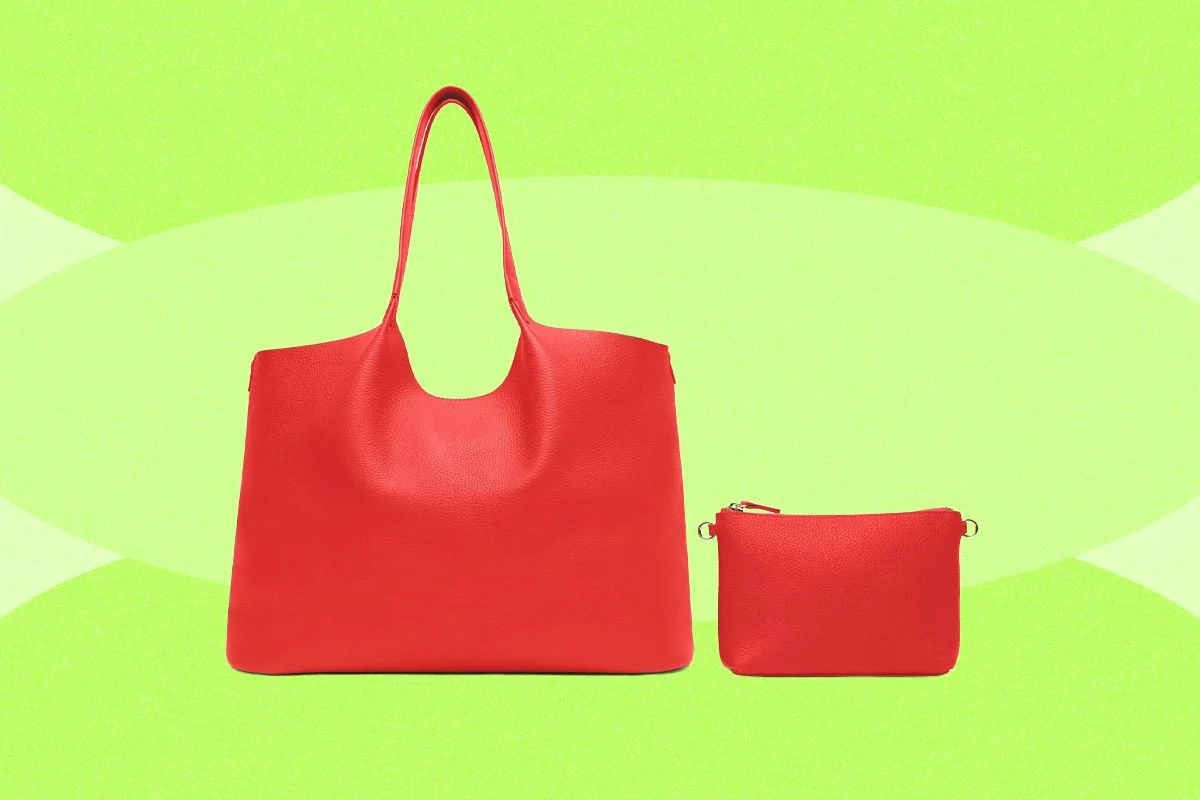
The Mia Horizontal ($330) serves as the "relaxed" entry point into the collection. It is not designed for the heavy-duty boardroom grind, but rather for the creative who needs to carry a Kindle, a pair of headphones, a light sweater, and a few essentials for a weekend trip or a casual remote work session.

While it lacks a dedicated, padded laptop sleeve, its organizational structure—featuring two interior slip pockets and a removable leather pouch—keeps smaller items from vanishing into the depths of the bag. It is the epitome of "everyday carry," offering an effortless aesthetic that transitions perfectly from a farmers market to a neighborhood cafe.
2. The Transit Travel Tote: The Commuter’s Fortress
For those whose commute involves more than just a subway ride, the Transit Travel Tote ($465) is a revelation. This is the bag for the traveler who views their personal item as an extension of their desk. It features an impressive array of nine interior pockets, two external pockets, and two dedicated zippered compartments.
The inclusion of a padded sleeve specifically designed for a 16-inch laptop addresses the primary pain point of most fashion-forward totes. Furthermore, the hidden trolley sleeve—which allows the bag to slide securely over the handle of a rolling suitcase—is an essential feature for the frequent flyer. The structural integrity provided by the foldable bottom gusset ensures that the bag maintains its shape even when packed to capacity, allowing it to slide comfortably beneath most airline seats.

3. The Large Zippered Downtown Tote: The "Goldilocks" Solution
The standout of the collection, however, is the Large Zippered Downtown Tote ($285). It serves as the bridge between the casual nature of the Mia and the heavy-duty utility of the Transit. For many users, this is the definitive work bag. It provides a structured, polished silhouette that is professional enough for high-stakes meetings, yet durable enough to house a full remote-work setup.
The full-length zipper provides the necessary security for expensive hardware, and the internal organization—including open pockets and a removable pouch—prevents the dreaded "black hole" effect. Its ability to maintain its shape under load is a testament to the quality of the construction and the choice of lining materials.
The Intersection of Aesthetics and Durability
A frequent critique of luxury leather goods is the presence of "branding fatigue"—the tendency for manufacturers to plaster logos across their products to justify a premium price point. Leatherology eschews this trend. Their hardware is understated, and their branding is subtle. The products project an aura of quality because the materials and the construction speak for themselves.

Furthermore, the brand offers a level of personalization through monogramming that allows the user to claim ownership of the item without resorting to loud, ostentatious logos. This focus on "quiet luxury" aligns well with current professional trends, where competence and understated elegance are valued over flashiness.
Implications for Tech Maintenance and Longevity
While these bags are built to endure, they are ultimately organic products. Maintaining the pristine condition of a leather bag that carries electronics requires a systematic approach.
- Conditioning: To preserve the supple nature of the pebbled leather, an all-natural conditioner should be applied every six months. This prevents the leather from drying out or cracking, particularly in environments with fluctuating humidity.
- Lining Care: The recycled polyester and cotton twill interiors are durable, but they are not immune to spills. Spot-cleaning with a gentle, damp cloth or a non-alcoholic baby wipe is the standard recommendation for maintaining the interior.
- Structural Integrity: When not in use, the bags should be stuffed with acid-free tissue paper or soft fabric. This prevents the leather from creasing and helps the bag maintain its factory-intended shape over years of use.
- Environmental Awareness: Perhaps most importantly, these bags should be kept away from harsh, wet conditions. If caught in rain, the immediate removal of moisture is paramount to preventing water spots or long-term structural damage.
The Future of the "Everyday Carry"
The rise of hybrid work models has permanently altered our relationship with our bags. We are no longer simply "going to the office"; we are traversing a landscape where the boundary between home, transit, and professional space is porous. The bags we carry must be as dynamic as our schedules.

Leatherology’s success lies in its recognition of this shift. By focusing on modularity, high-grade materials, and thoughtful internal organization, they have moved beyond the traditional definition of a "tote." They have created a category of product that addresses the reality of the 21st-century professional.
As we continue to integrate more technology into our daily lives, the demand for carry solutions that are both protective and aesthetically sophisticated will only grow. Leatherology has set a high bar, proving that you do not have to sacrifice the professional look of a leather bag to get the functional benefits of a dedicated tech-carrier. For the professional who demands both form and function, the choice is no longer an either-or proposition; it is a matter of finding the silhouette that best fits the rhythm of your day.