By Emily Wolf | July 2, 2026
In the high-altitude expanse of Colorado’s San Luis Valley, the rhythmic sound of the Rio Grande—the lifeblood of the Southwest—is increasingly punctuated by the silence of drought. As of July 2026, the region is grappling with a historic, near-record-setting snow drought. For the communities nestled between the Sangre de Cristo and San Juan mountain ranges, the situation is no longer a distant climate projection; it is a daily reality that demands immediate, radical, and collaborative innovation.
With snow water equivalent (SWE) levels plummeting to historic lows, the valley faces a precarious summer. The early runoff, a harbinger of climate volatility, has triggered profound concerns for agricultural stability, municipal water security, and the health of critical ecosystems. Yet, amidst the parched landscape, a spirit of ingenuity is flourishing. Through cross-sector partnerships and a willingness to rethink traditional water management, the San Luis Valley is emerging as a national model for drought resilience.
A Legacy of Scarcity and Adaptation: The Chronology of the Crisis
The San Luis Valley has long been defined by its water. Historically, the Rio Grande headwaters have sustained a robust agricultural economy, a rich cultural heritage, and a diverse array of wildlife. However, the 21st century has brought mounting pressures: the cumulative impact of human consumption, the relentless expansion of water-intensive land use, and the accelerating instability of the regional climate.
The chronology of this crisis is rooted in the last two decades of "megadrought" conditions that have gripped the American Southwest.
- Early 2000s: Increased groundwater reliance led to the gradual depletion of the confined and unconfined aquifers beneath the valley floor.
- 2018–2022: A series of extreme heatwaves exacerbated evapotranspiration, making it harder for soil to retain moisture even during average precipitation years.
- 2023: The launch of the "Rye Resurgence" project marked a turning point, signaling a shift toward water-conscious crop alternatives.
- 2026: Current conditions show record-low snowpack, forcing water managers to shift from long-term planning to emergency adaptive management.
The valley’s reaction has been characteristically collaborative. Unlike regions that have succumbed to water-rights litigation, the San Luis Valley has prioritized "flexible water solutions." By bringing together irrigation companies, environmental non-profits, local farmers, and state agencies, the community has begun to view every drop of water not just as a commodity, but as a shared asset to be managed for collective survival.
Frozen Assets: Harnessing Winter for Spring Abundance
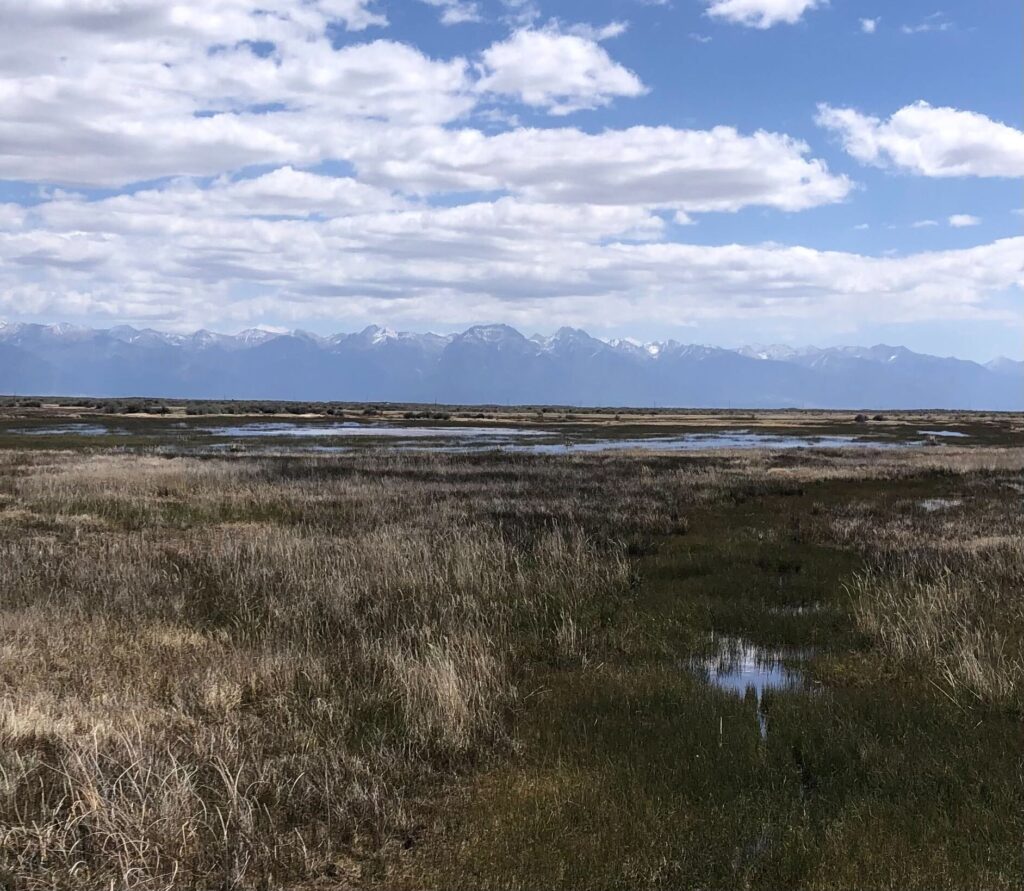
Perhaps the most visually striking and scientifically intriguing initiative currently underway is the "Frozen Assets" project. Led by American Rivers in partnership with Wetland Dynamics, Ducks Unlimited, and the Rio Grande Headwaters Land Trust, the project revives and modernizes a traditional technique: winter sheet ice.
Historically, valley farmers would spread water shallowly across fields during the deep freeze of winter, allowing it to solidify into ice. This "frozen storage" serves multiple ecological and hydrological purposes. As temperatures rise in the spring, the slow, controlled melting of this ice layer allows water to infiltrate the soil more effectively than a sudden spring freshet. This process reduces evaporation, recharges the local aquifer, and provides essential moisture for early-season plant germination.
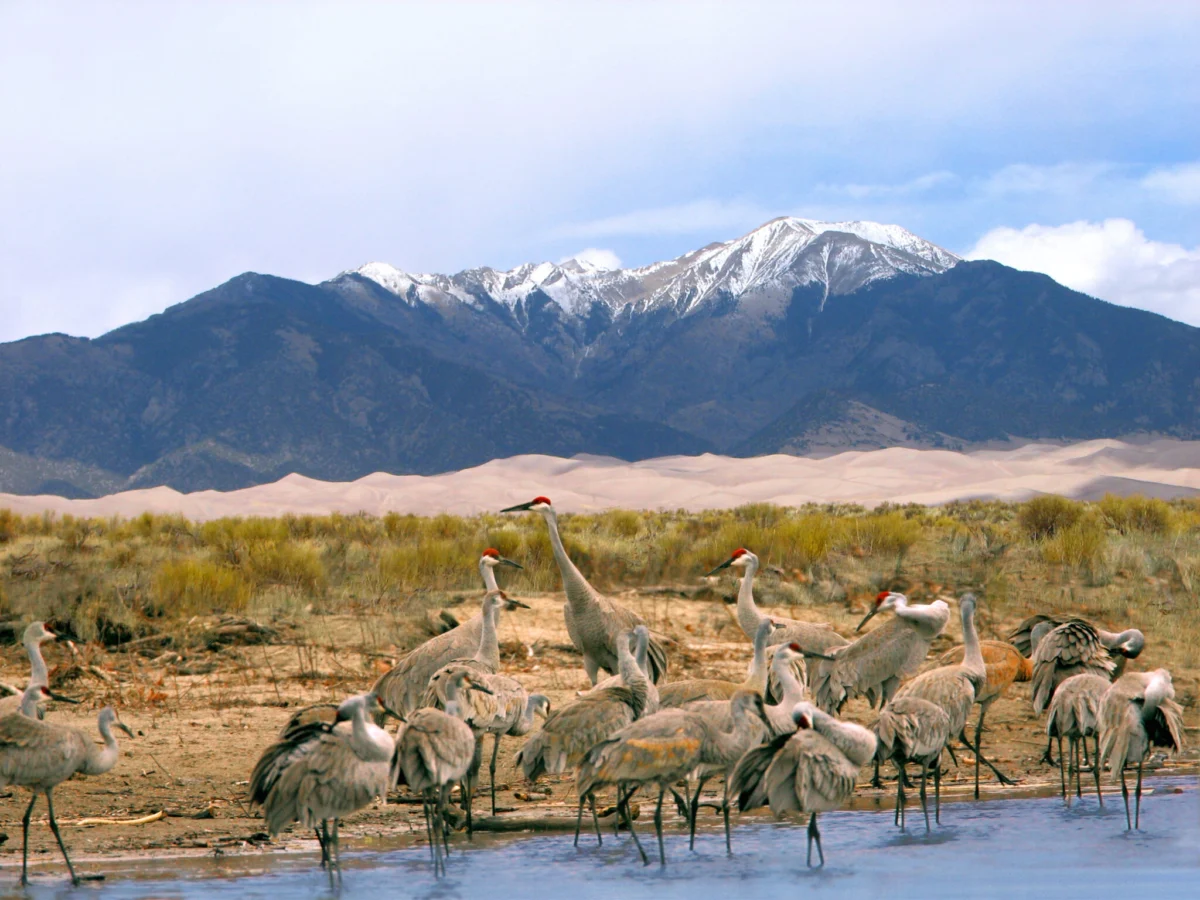
For wildlife, the benefits are immediate. The icy landscape creates foraging environments for migratory birds, including the majestic sandhill cranes that pass through the valley. By mimicking natural hydrological cycles, Frozen Assets demonstrates that water management need not be extractive; it can be restorative.
The Rye Resurgence: Economic Pivot Toward Sustainability
If Frozen Assets addresses the mechanics of water storage, the "Rye Resurgence" project addresses the economics of consumption. Traditional crops in the valley, while economically significant, often require water inputs that are increasingly unsustainable given current aquifer levels.
The Rye Resurgence initiative, launched to combat groundwater depletion, promotes winter rye as a viable, low-water alternative. Rye is a hardy, drought-tolerant cover crop that improves soil health and requires significantly less irrigation than thirsty rotational crops.
The success of the program relies on market integration. Simply asking farmers to change their crops is insufficient; they need a stable supply chain. By partnering with local bakers, brewers, millers, and distillers, the project has created a "valley-to-table" ecosystem. In its inaugural year, the project successfully converted 4,500 acres of farmland to winter rye. The results were quantifiable and impressive: an estimated 4,670 acre-feet of water savings in a single season. This initiative proves that environmental stewardship can be a driver of regional economic vitality rather than a deterrent.
Restoring the Arteries: The Rio Grande Corridor Project
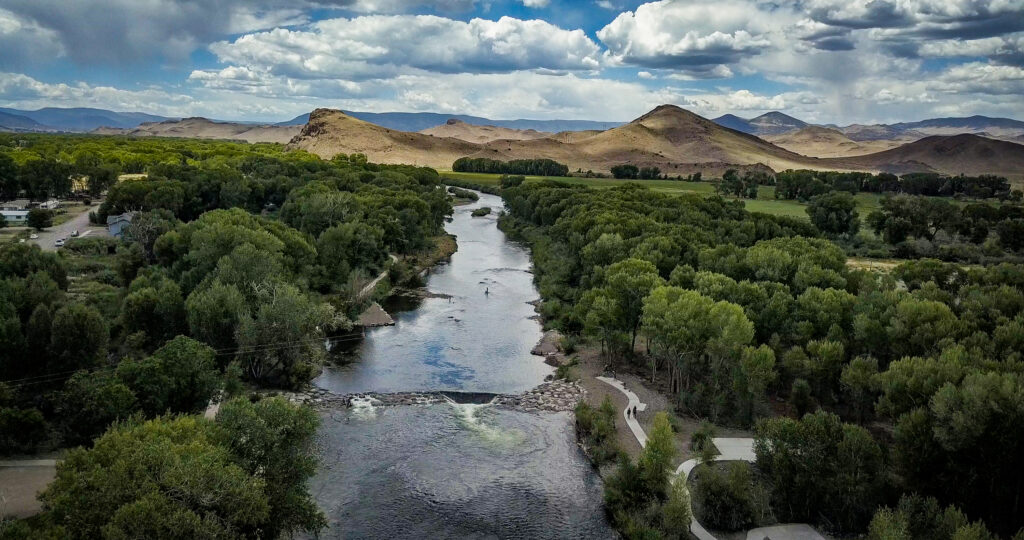
While agriculture and storage are vital, the health of the river itself remains paramount. The Alamosa National Wildlife Refuge (NWR) serves as a critical habitat for native fish, including the sensitive Rio Grande chub. However, volatile flow regimes have historically threatened the integrity of these aquatic corridors.
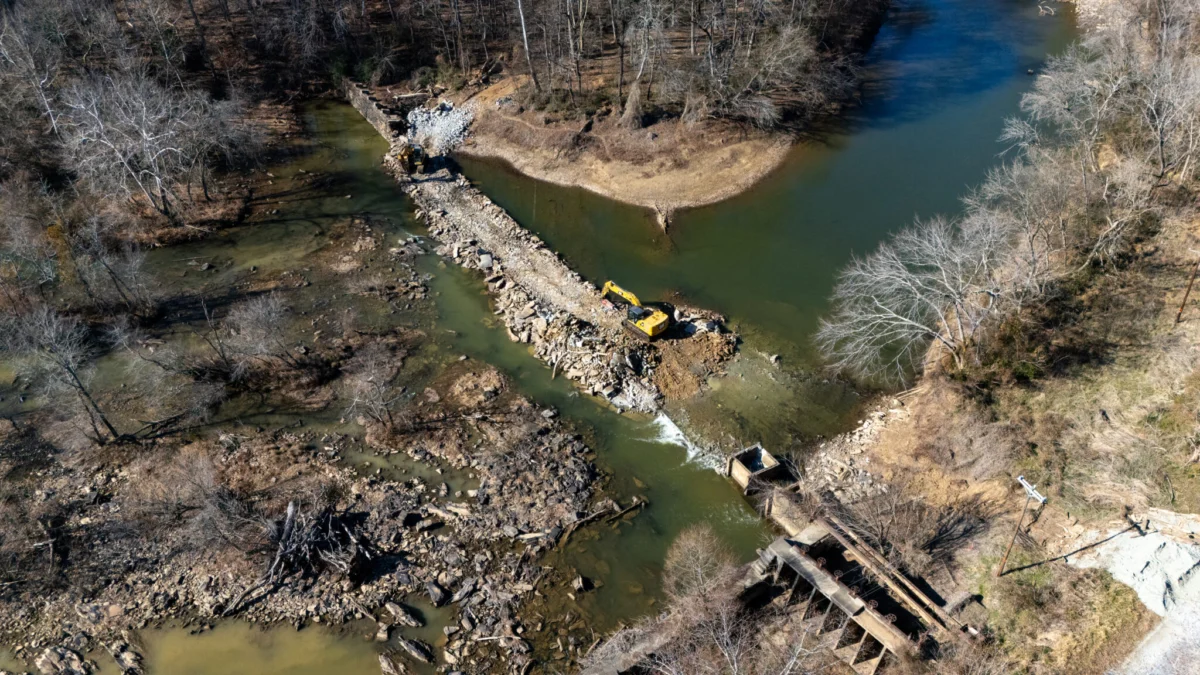
The Rio Grande Corridor Restoration Project represents a shift in river management philosophy. Rather than fighting the river with hard concrete infrastructure, the project utilizes "soft" engineering. By stabilizing streambanks with native vegetation and rock, and by reshaping the channel to improve floodplain connectivity, the project has created more resilient habitats.
These improvements are not just for the fish. By refining public trail access, the project has also managed to reduce human-wildlife conflict and recreational disturbances, ensuring that the refuge remains a sanctuary for both nature and the public.
Data-Driven Resilience: The Implications for the Southwest
The data emerging from the San Luis Valley serves as a wake-up call and a roadmap for the broader Southwest. The core implication of these projects is that the era of "unlimited growth" is over, replaced by an era of "optimized utility."
Official reports from regional water managers emphasize that while these projects are successful, they are not silver bullets. They are, however, critical components of a broader portfolio approach to water security. The integration of:
- Aquifer Recharge: Utilizing winter flows to replenish underground reserves.
- Crop Modernization: Aligning agricultural output with available water budgets.
- Habitat Restoration: Ensuring that the river’s ecological functions remain intact to support regional biodiversity.
These three pillars form a triad of resilience. As federal and state agencies look toward the future of the Rio Grande basin, the San Luis Valley provides the empirical evidence that community-led, science-backed, and collaborative initiatives can mitigate the most dire impacts of climate change.
Conclusion: A Future Forged in Collaboration
The challenges facing the San Luis Valley are profound. The snow drought of 2026 is a sobering reminder that the climate is changing faster than our legacy systems can adapt. Yet, the work being done in this high-altitude corner of Colorado offers a glimmer of hope.
Water is, and will remain, the lifeblood of the region. Through the synergy of projects like Frozen Assets, the Rye Resurgence, and the corridor restoration efforts, the valley’s inhabitants are proving that they are not merely passive victims of a drying climate. They are active architects of their own future. By prioritizing the health of the land and the integrity of the water cycle, they are ensuring that the Rio Grande continues to flow—not just for the benefit of today’s residents, but for the generations to come.
The lessons learned here—that innovation requires deep partnerships and that sustainability is a community endeavor—are the most valuable assets the valley possesses. As the rest of the Southwest looks to navigate the uncertain waters of the coming decades, they would do well to look toward the San Luis Valley. The blueprint for a resilient future is already being drawn in the ice, the soil, and the riverbeds of Colorado.