By Samuli Haapasalo
September 22, 2026
As the nights grow longer and the temperature begins to dip, the rhythm of the Finnish forest undergoes a profound transformation. For bird enthusiasts, this seasonal transition marks the beginning of one of the most rewarding periods of the year: the winter bird-feeding season. While many are familiar with the basic concept of leaving out suet or seeds, effective winter feeding—especially in the context of declining populations—requires a more strategic and ecologically conscious approach.
Main Facts: The Ethics of Winter Feeding
Bird feeding is not merely a hobby; it is a vital intervention for many species struggling to survive the harsh Nordic winter. When natural food sources—such as dormant insects, conifer seeds, and cached berries—become scarce, supplemental feeding can be the difference between survival and starvation.
However, the quality of our intervention matters. Experts emphasize that consistency, cleanliness, and the choice of feed are paramount. By prioritizing locally grown, organic, and debris-free seeds, we ensure that we are not introducing harmful pathogens or low-quality nutrition into the forest ecosystem.
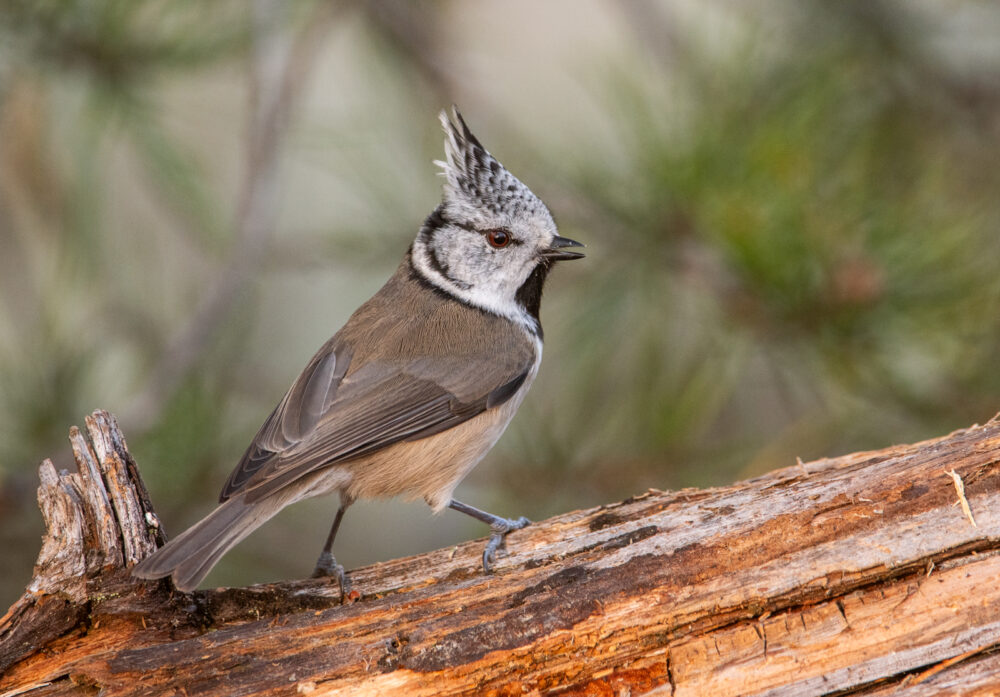
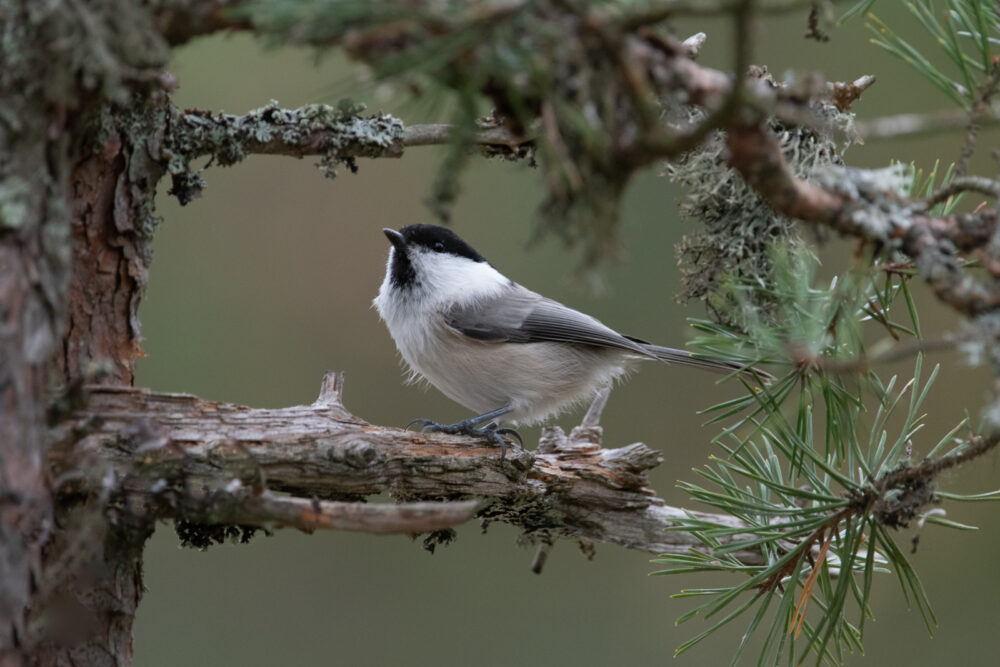
Furthermore, the location of your feeding station can drastically alter the demographic of birds you attract. By moving away from the conventional suburban backyard and toward the forest edge, you open the door to supporting species that are currently facing conservation challenges, such as the willow tit (hömötianen) and the crested tit (töyhtötiainen).
Chronology: A Season-by-Season Approach to Supporting Wildlife
The preparation for a successful winter season begins long before the first snow falls. Below is a timeline of best practices for the bird enthusiast:
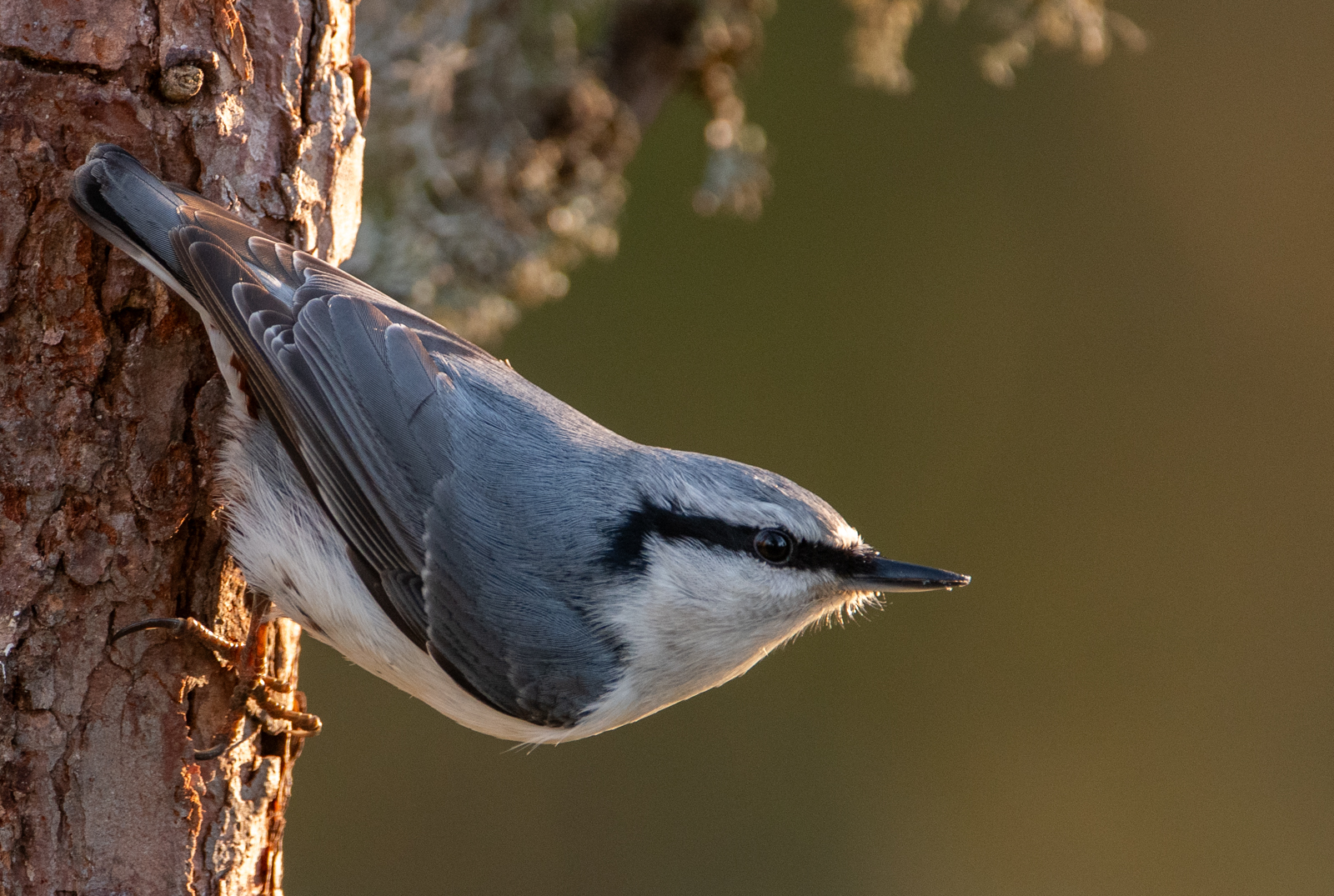
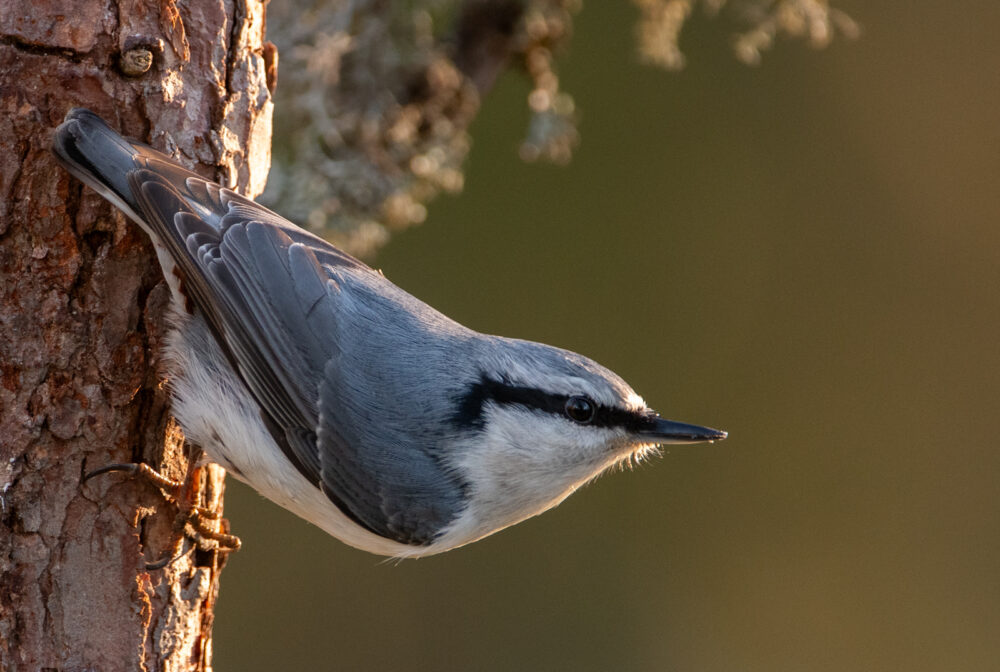
- Late September (The Preparation Phase): As the nights grow colder, insect populations vanish. This is the critical window to establish your feeding station. By starting now, you allow "wandering" species—such as the nuthatch (pähkinänakkeli)—to locate your site. Consistency is key here; once you start, the birds will rely on you as a primary food source.
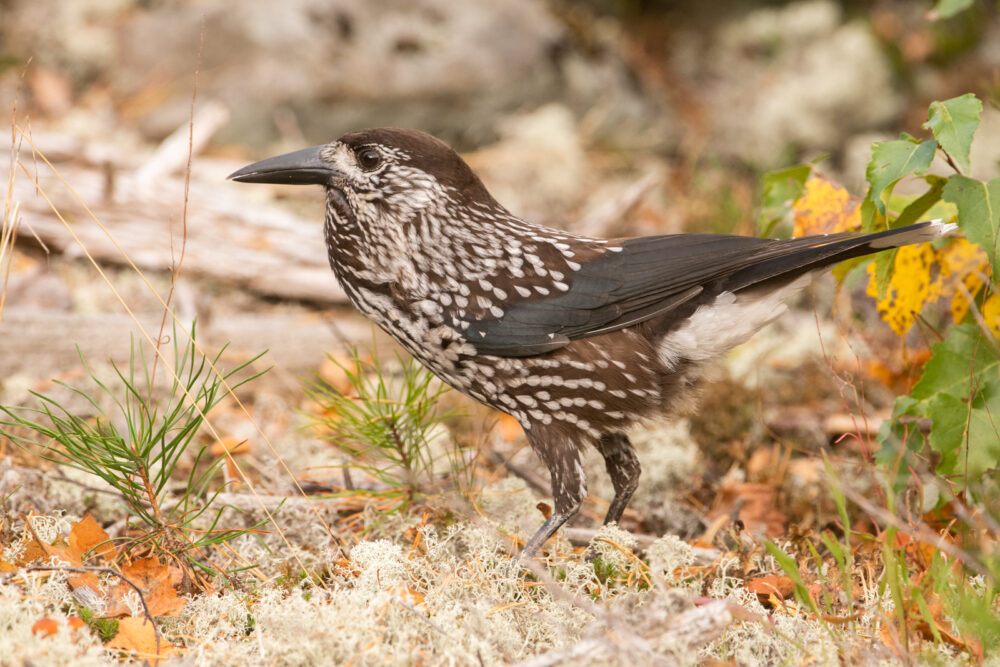
- October (The Migration and Settlement): During this month, many nomadic species, such as the nutcracker (pähkinähakki), begin their seasonal movements. If your feeding station is well-stocked with high-quality nuts, you may be able to encourage these birds to remain in your area for the duration of the winter.
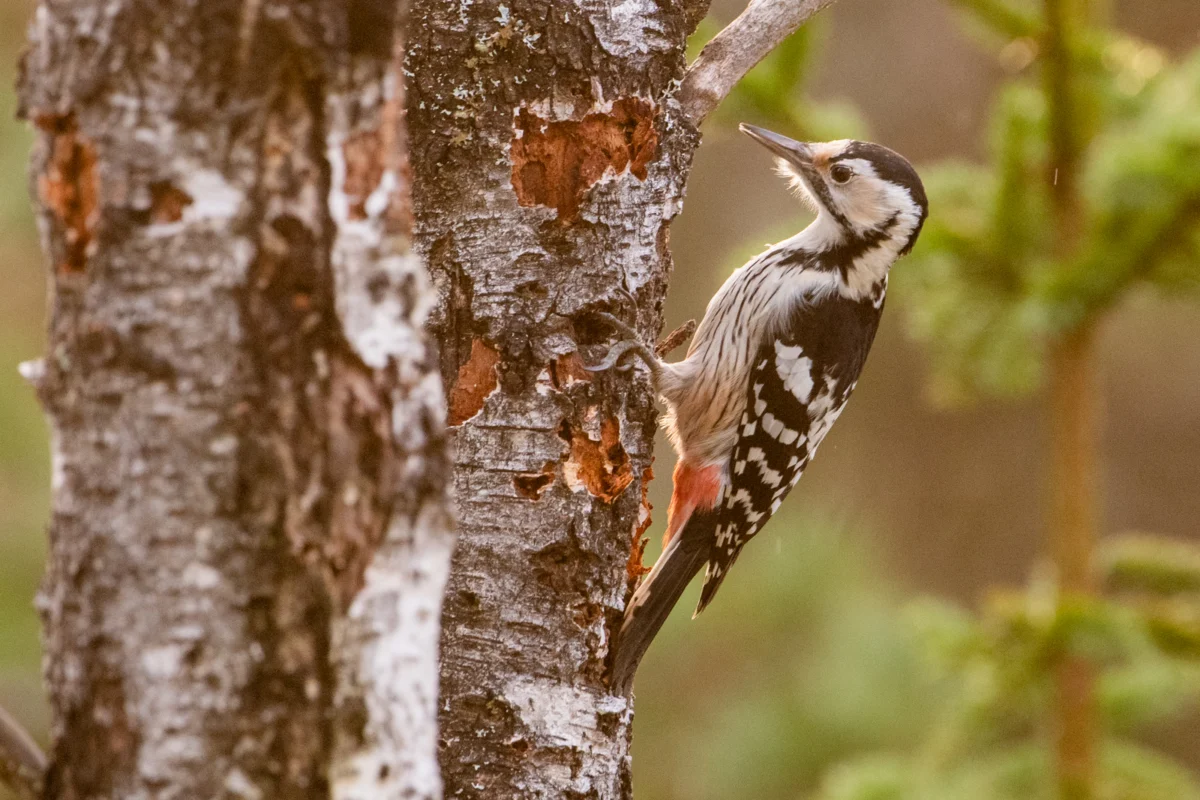
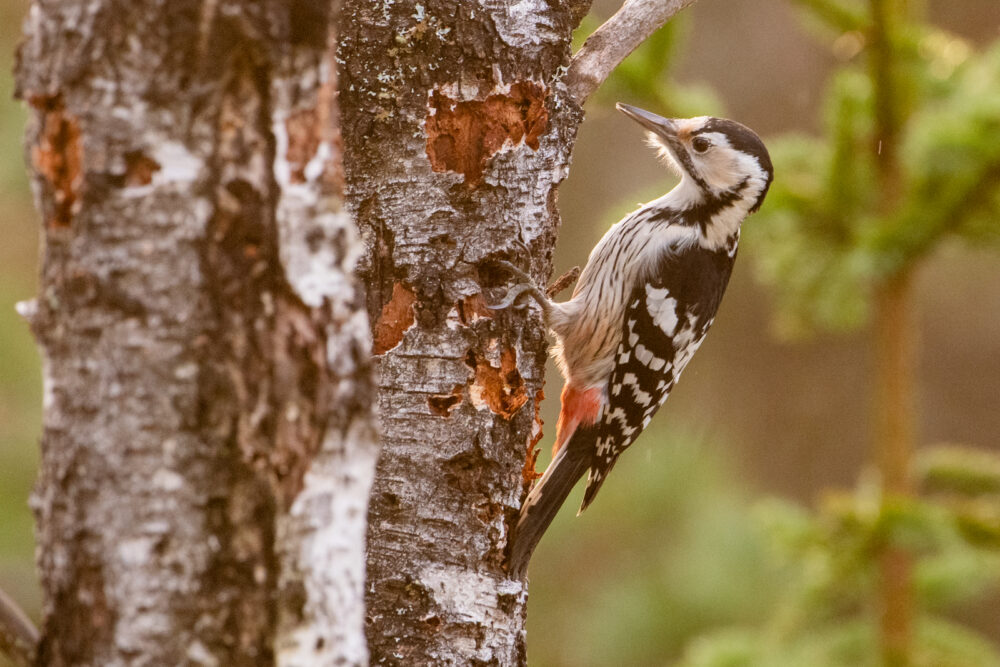
- November through February (The Survival Phase): This is the heart of the winter. During these months, the focus shifts to maintaining high-calorie fat supplies. This is also when woodpeckers, such as the white-backed woodpecker (valkoselkätikka) and the lesser spotted woodpecker (pikkutikka), become more frequent visitors.
- March and Beyond (The Nesting Preparation): As the winter wanes, the focus should shift from feeding to habitat creation. Installing nesting boxes with a 28mm entrance hole provides much-needed real estate for resident tits, who will soon begin their breeding cycles.
Supporting Data: Prioritizing Vulnerable Species
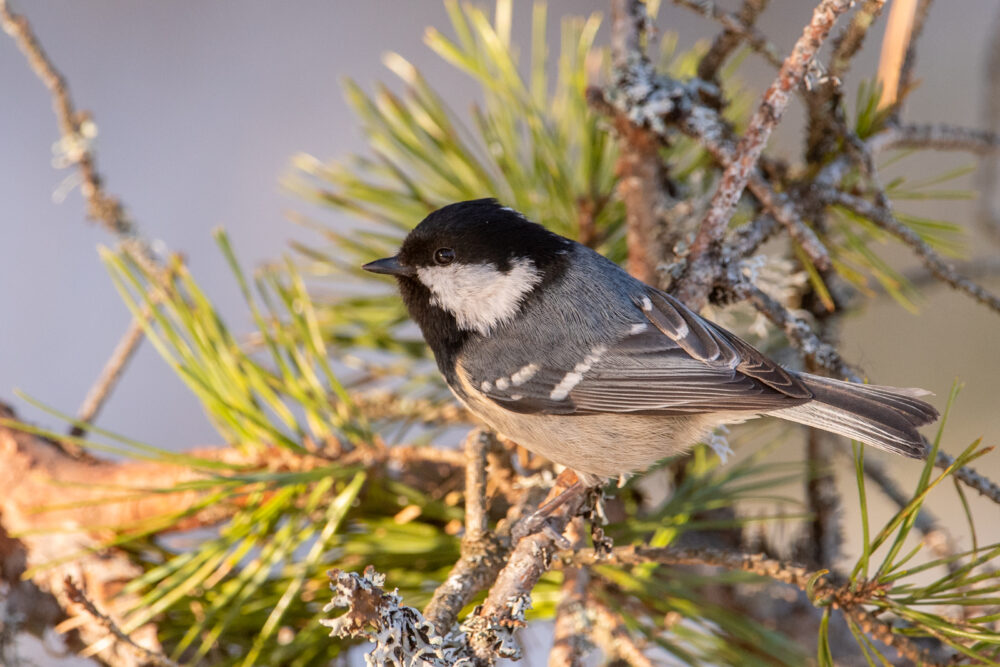
Finland’s forest-dwelling tits—the willow tit, crested tit, coal tit, and in the north, the Siberian tit—have faced significant habitat loss in recent years. These species, which often move in mixed-species flocks, are the primary targets for the modern, conservation-minded bird feeder.
Evidence suggests that the "natural" discovery of a feeding site by these species is more likely when the station is placed deep within or adjacent to their woodland habitats. When these flocks visit, they are often accompanied by the treecreeper (puukiipijä), an agile bird that navigates tree trunks with ease.
The Role of Diet in Species Diversity
The dietary requirements of these birds are diverse. While sunflower seeds are a staple, they are not a universal solution:
- Nut-Specialists: The nuthatch and nutcracker have a marked preference for crushed or split hazelnuts. The nutcracker, a striking chocolate-brown bird, is particularly fascinating to observe as it utilizes its throat pouch to transport and cache nuts for future consumption.
- Woodpeckers: While woodpeckers are known for their insectivorous nature, they are highly adaptable. Providing a tallow-based fat bar or natural, untreated pork fat (naudan/sian rasva) attached directly to a tree trunk mimics their natural foraging behavior. Interestingly, the rare white-backed woodpecker has been observed consuming hulled sunflower seeds in significant quantities when other sources are unavailable.
Official Recommendations and Best Practices
The Finnish ornithological community and conservation organizations consistently promote several "Golden Rules" for winter feeding:
- Avoid "Filler" Seeds: Cheap, commercial birdseed mixes often contain grains that are not suitable for many Finnish birds, leading to waste and potential ground-level contamination. Always choose high-quality, oil-rich seeds.
- Sanitation is Non-Negotiable: Dirty feeders are vectors for disease, particularly Salmonella. Feeders should be cleaned regularly with hot water and mild, bird-safe disinfectant.
- The "Natural" Integration: Instead of standard plastic feeders, consider using natural structures. A decaying birch log (pökkelö) mounted to a tree provides an excellent surface for insects to colonize and for birds to forage in a way that feels natural to them.
- Supporting Nesting Sites: As mentioned previously, filling nesting boxes with wood shavings (kutterinpuru) can assist willow and crested tits in clearing out the box to their liking. Creating small gaps in the bark of a mounted log allows these birds to further customize their nesting environment, mimicking natural tree cavities.
Implications: The Broader Impact on Biodiversity
The act of feeding birds in winter has implications that extend far beyond the immediate joy of observation. By supporting these populations, we are acting as stewards of the Finnish forest.
The decline of species like the willow tit is intrinsically linked to the loss of old-growth, decaying forests that provide nesting cavities. By providing nesting boxes and supplemental food, we are essentially creating "micro-refugia." These small, protected areas help maintain stable populations of birds that act as crucial insect controllers during the spring and summer months.
When you decide to feed the birds, you are entering into a contract with nature. It is a commitment that requires time, effort, and an understanding of the birds’ biological needs. However, the reward—a vibrant, healthy, and diverse avian population thriving in the depths of a Finnish winter—is immeasurable.
As the season progresses, let us not forget the simple pleasure of the forest. Whether it is the frantic energy of the coal tit or the stoic beauty of the Siberian tit, each bird is a testament to the resilience of life in the north. So, prepare your seeds, clean your feeders, and head into the woods. The forest is waiting, and the birds are ready to welcome the support.
For more information on bird identification, feeding recipes, and conservation initiatives, please refer to the latest resources from local birding societies and the Finnish Nature Association.