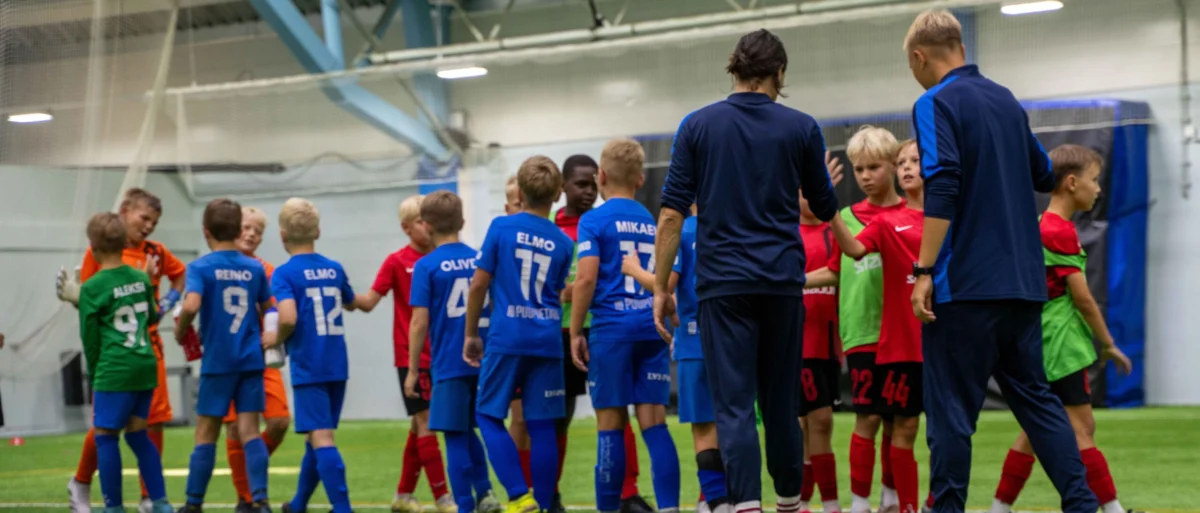
In the landscape of modern youth sports, the traditional image of a soccer match—a rigid formation, a whistle-blowing referee, and a scoreboard dictating the mood of the sidelines—is undergoing a profound transformation in Finland. For the third consecutive year, the Football Association of Finland (Palloliitto), in collaboration with the Eerikkilä Sports Institute, is hosting the "Huuhkaja and Helmaripolku" (Eagle-Owl and Helmari Path) development event for 10-year-olds.
This two-day, nationwide initiative, which brings together 50 teams from across the country, is more than just a tournament; it is a pedagogical laboratory designed to shift the focus from results-driven competition to a player-centric model that prioritizes autonomy, skill acquisition, and, above all, the sheer joy of the game.
Main Facts: The New Philosophy of Play
The core objective of the 10-year-old development event is to dismantle the barriers often imposed by traditional "adult-style" rules. By experimenting with pitch sizes, team configurations, and the role of the arbiter, the organizers are creating a environment where children are encouraged to "surrender to the game."
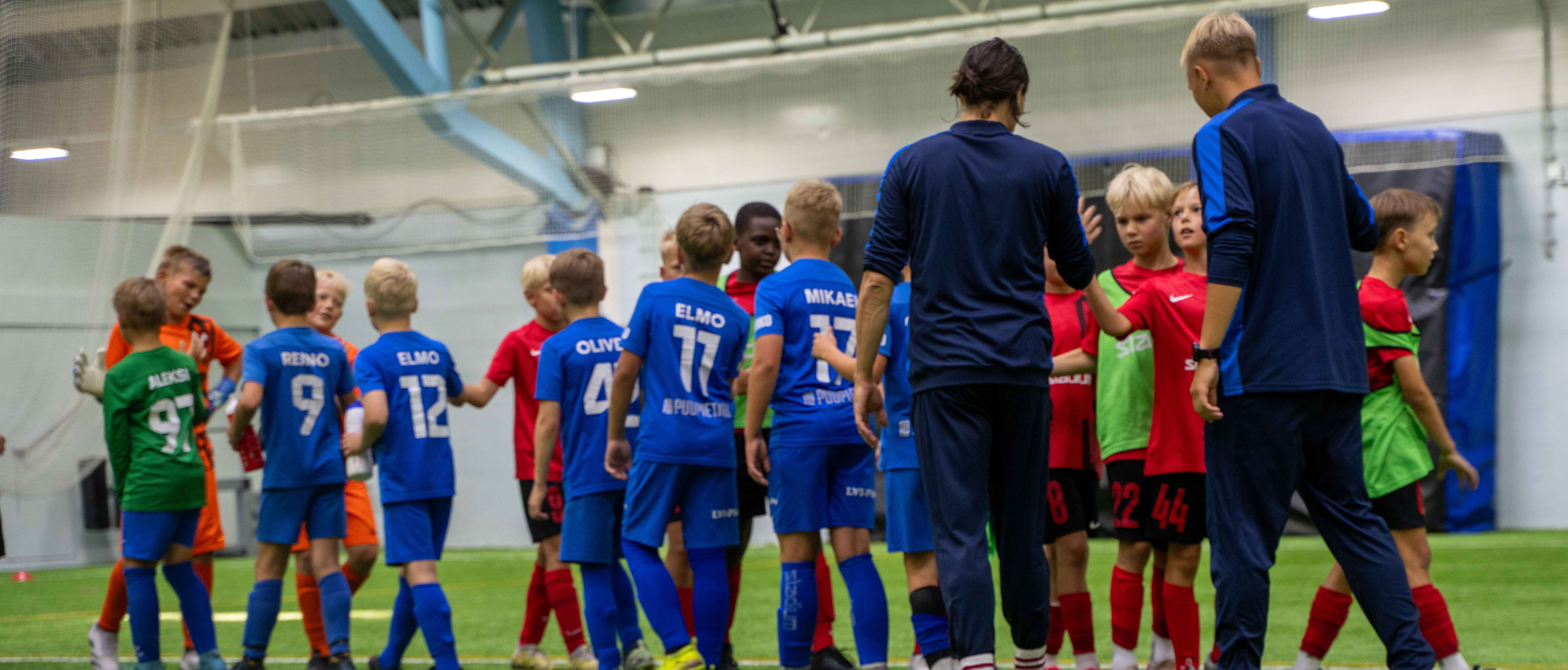
The event features a dynamic structure where teams alternate between 7 vs. 7 matches and 4 vs. 4 games played in parallel. This rotation ensures that every player is constantly engaged. When not on the pitch, participants are not relegated to a bench; they are active in structured 1 vs. 1 drills and other ball-handling exercises. This "no-bench" approach is a direct challenge to the sedentary nature of traditional youth tournaments, ensuring that every minute spent at the facility is a minute spent developing motor skills and game intelligence.
Chronology: From Concept to National Standard
The development of the Huuhkaja and Helmaripolku program did not happen overnight. It is the culmination of a multi-year process rooted in the Football Association’s updated coaching philosophy.
- Initial Conceptualization (2023): The Football Association and Eerikkilä identified a gap in the developmental pipeline. While older age groups had established paths, the 10-year-old transition period lacked a unified, progressive approach.
- The Pilot Phase (2024): The first iteration of the event introduced the concept of self-officiated games. While it initially sparked skepticism among coaches accustomed to rigid rules, the results were overwhelmingly positive.
- Refinement (2025): The program expanded. Organizers reported that the "confusion" surrounding the absence of referees had vanished. Children had adapted to the new reality, resolving disputes with remarkable speed and ingenuity.
- The Current Standard (2026): Now in its third year, the event has solidified its status as a cornerstone of Finnish youth football, integrating family education and specialized coaching seminars into the two-day experience.
Supporting Data: Why Small-Sided Games Matter
The shift toward smaller team sizes and varying pitch dimensions is backed by contemporary sports science. By playing 4 vs. 4 alongside 7 vs. 7, children are exposed to different tactical demands.
On the larger 7 vs. 7 pitch, players are challenged to master full-speed dribbling, long-distance spatial awareness, and the endurance required for wide-open defensive transitions. Conversely, the 4 vs. 4 environment forces rapid decision-making, constant engagement in goal-scoring opportunities, and immediate defensive pressure.
According to data collected by the organizers, the frequency of "touches on the ball"—the most vital metric for young player development—has increased significantly compared to traditional 11 vs. 11 or large-field 8 vs. 8 models. Furthermore, by removing the referee, the program fosters "autonomous problem-solving," a skill that extends far beyond the pitch.
Official Responses: Voices from the Pitch-Side
Antti Kekkonen, Service Manager for Football Services at Eerikkilä, admits that the transition required a shift in mindset for the adults involved. "We are so accustomed to certain frames and rules," Kekkonen notes. "Abandoning them can feel difficult at first. However, if we think about 10-year-old children, rules have their place, but they must be applied in a way that suits the child’s world. The game must be insightful and inspiring."
Jani Tulehmo, the Football Association’s development manager for children’s coaching, emphasizes that while competition remains, the definition of "winning" has changed. "In every game, they compete and play for the win, but not for final tournament rankings," Tulehmo explains. "The development of the individual is paramount. We want to avoid the situation where children sit on the bench and wait. We want them to be active, and we want them to learn to read the game for themselves."
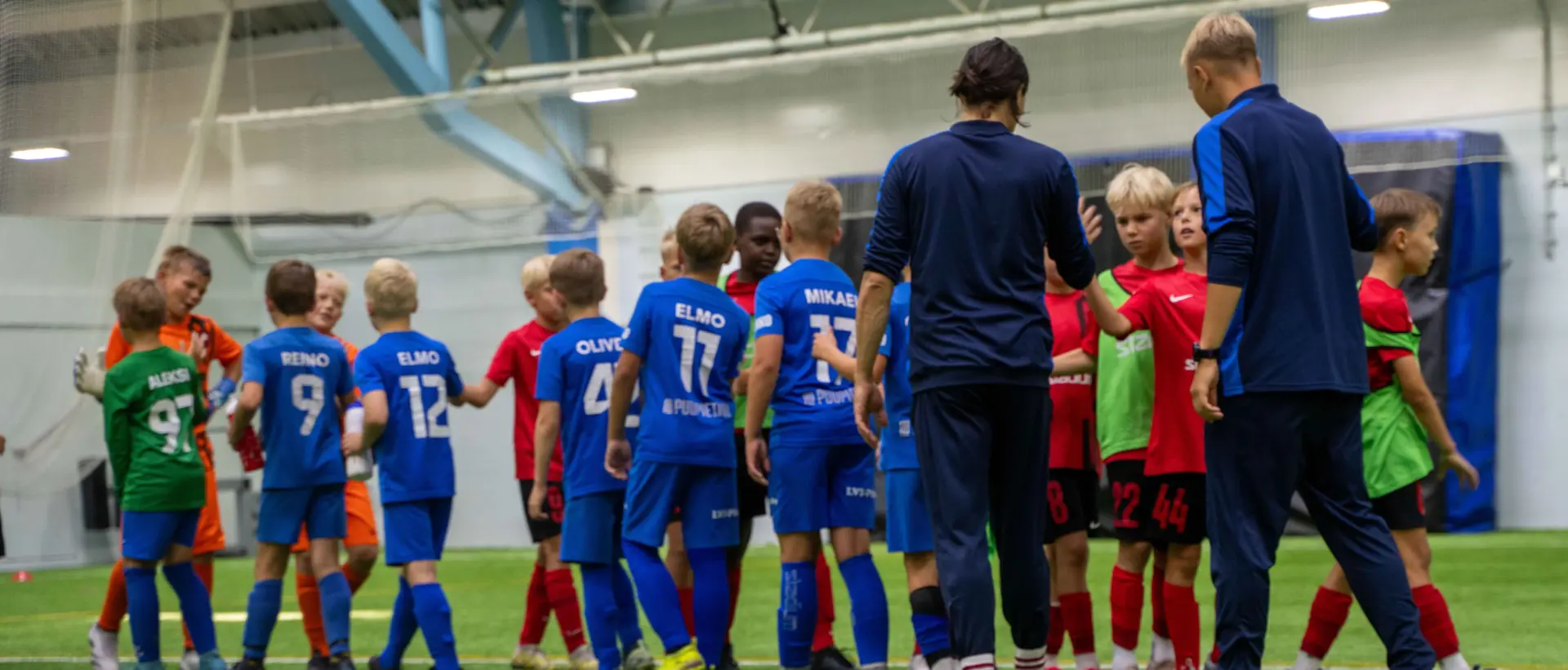
The players themselves have embraced the change. Young participants like Aaro, who previously feared the role of the referee would lead to constant interruptions and free kicks, have found that the game flows much more naturally without external intervention. Others, like Leo, Rasmus, and Eetu, have learned to appreciate the tactical nuances of switching between large and small fields, noting that the variety helps them identify their own strengths and areas for improvement.
Implications: A Broader Shift in Finnish Sports
The Huuhkaja and Helmaripolku event is set against a backdrop of a national crisis in Finnish sports. Recent statistics indicate a worrying trend: children are becoming less physically active, sports specialization is happening at too young an age, and, perhaps most alarmingly, the dropout rate from organized club activities is rising.
This is where the broader mission of the Finnish Olympic Committee and its 40 member sports federations comes into play. The "new direction" for Finnish youth sports is a response to the erosion of fundamental movement skills caused by sedentary lifestyles.
Re-engaging the Family Unit
A critical component of this year’s event is the inclusion of families. The program now features seminars for parents, tackling the "big picture" of athletic development. Topics include:
- The Ecosystem of Movement: How daily choices impact the total volume of physical activity.
- The Balance of Training: Addressing the misconception that more formal training is always better, and highlighting the importance of "free play" or personal time with the ball.
- Long-term Growth: Discussing the journey to becoming an athlete, emphasizing that at 10 years old, the goal is not elite performance, but the cultivation of a lifelong love for movement.
The Future of the "Club Culture"
The implications for club culture are significant. If the model proves that children can stay in the game longer when the pressure of rigid, result-oriented tournaments is removed, it could fundamentally alter how clubs organize their seasonal calendars.
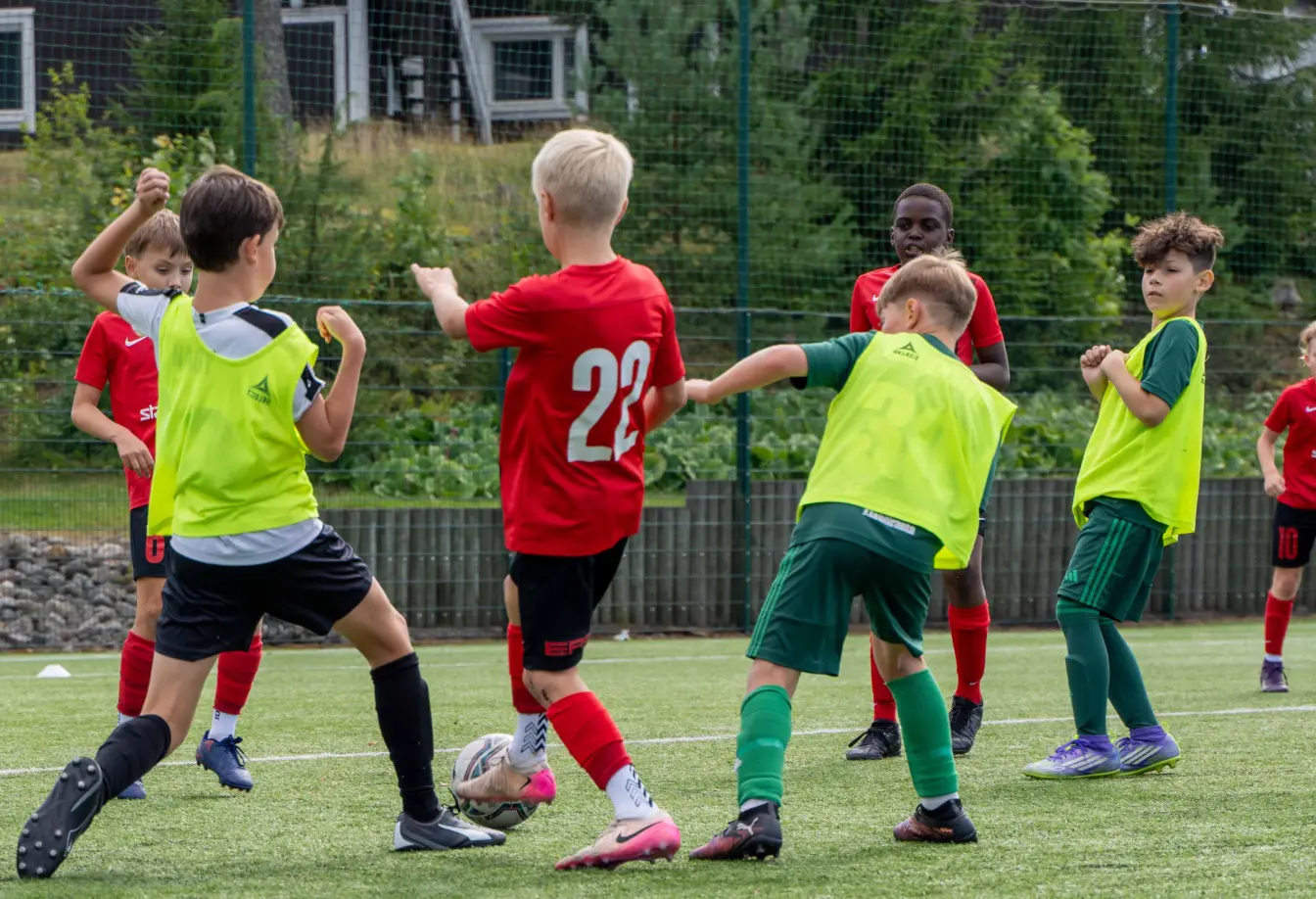
The Olympic Committee’s stance is clear: The goal is to ensure that every Finnish child has the opportunity to belong, to dream, and to practice in their own way. By prioritizing the "child’s experience" over the "product of the game," the Football Association is attempting to reverse the trend of early burnout.
Conclusion: Lessons for the Global Game
The Finnish model of youth soccer development offers a compelling case study for the rest of the world. By treating the 10-year-old development event as a living, breathing experiment, the Football Association is acknowledging that the game of football must evolve alongside the children who play it.
When we remove the referee, we ask the child to become a judge of fairness. When we change the pitch size mid-tournament, we ask the child to become a tactician. When we replace the bench with drills, we ask the child to remain a student of the game at all times.
The success of the Huuhkaja and Helmaripolku event is not measured in trophies or final standings, but in the sustained enthusiasm of the players and the newfound understanding of the parents. In a world where youth sports are increasingly professionalized and pressurized, Finland is proving that the best way to foster the next generation of talent is, quite simply, to let the children play. As the program continues to grow and evolve, it serves as a powerful reminder that the true "development" in youth sports is not found in the scoreline, but in the development of the individual’s relationship with the game itself.